
Reviewed · DOTONBORI TOURS
Tea Ceremony Experience in Osaka Doutonbori
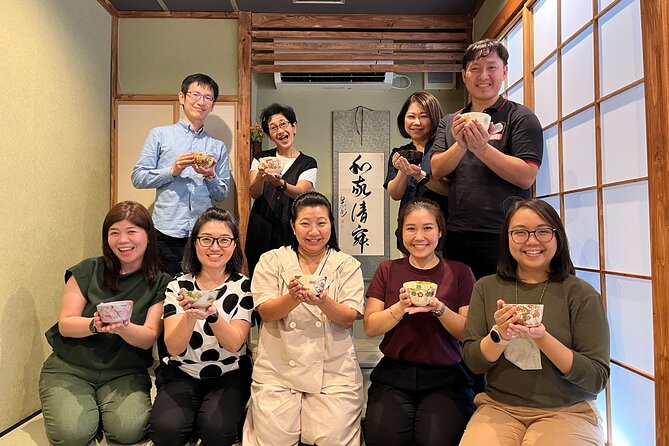
A tea ceremony in the middle of Dotonbori gives you a welcome change of pace. Just outside, Osaka is loud, bright, and full of food stalls. Upstairs, you sit down to learn why each movement matters, watch a formal tea preparation, and whisk your own matcha. I like the small-group format and the chance to take part, not just watch. I also like that instructors such as Kazu, Mai, and Soda explain the customs in clear, friendly English.
The main thing to consider is the short length. At about 45 minutes, this is an introduction rather than a full traditional tea-school lesson. Children under five may not be able to join the regular plan, and the address needs care: use Google Maps to search for Tea Ceremony Osaka The Osaka, including Higashi in the street number.
Key points at a glance
- A calm room near Dotonbori: You are close to Osaka’s busiest sights, but the class offers a quiet pause from the noise.
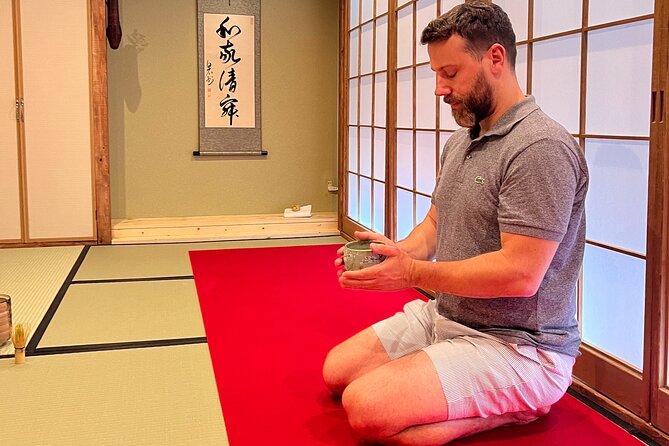
- You make your own matcha: First watch the instructor, then learn the basic whisking and serving steps yourself.
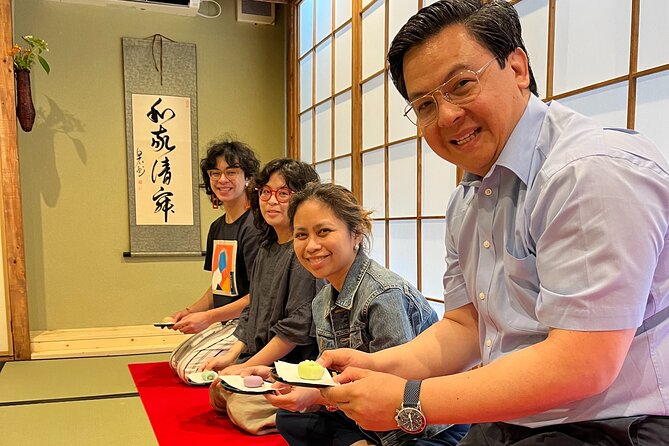
- Seasonal Japanese sweets: A small sweet is served with the tea, adding flavor and context to the ceremony.
- A family-friendly option: Children can receive caffeine-free matcha milk, though children under five need advance contact and may not be admitted.
- Personal teaching: Groups are capped at 15, and many sessions are much smaller, allowing time for questions and correction.
- Good value for a short cultural stop: At $20.69 per person, the class is priced as an easy add-on to a Dotonbori day.
Why this ceremony works in the middle of Osaka
Dotonbori is one of Osaka’s most energetic areas. It is packed with signs, restaurants, shopping, and people moving between attractions. That makes the location useful, but also slightly comic: you leave the famous street scene and head upstairs to sit quietly with a bowl of green tea.
That contrast is part of the appeal. You do not need to spend half a day reaching a remote tea house. The meeting point is at Tea Ceremony Osaka The Osaka, in a building on Higashi 5-26, Dotonbori, Chuo Ward. The class ends at the same place, so it is easy to fit before dinner, after sightseeing, or during a short Osaka visit.
The room itself is not presented as a grand historic tea pavilion. This is a practical urban class. Its value comes from the teaching, the ritual, and the chance to take part. If you want elaborate costumes or a long, highly formal ceremony, this may feel too simple. If you want an approachable first lesson, the setting makes sense.
More Dotonbori walks and food stops:
- Osaka Local Foodie Walking Tour in Dotonbori and Shinsekai
★ 5.0 · 985 reviews - Osaka: Dotonbori District River Cruise with Drink Discount
★ 4.2 · 876 reviews - Ultimate Osaka Walking Tour: Castle, Dotonbori & Hidden Gems
★ 5.0 · 862 reviews
What happens during the 45-minute class
The class begins with an explanation of the tea ceremony’s cultural role. You learn that the practice developed as an art form in Japan from the 16th century onward, with strong links to ideas of respect, attention, and equality among those sharing the tea room.
The historical explanation also gives the movements a purpose. You are not simply watching someone clean a bowl or turn a utensil in a certain direction. You learn that the order, gestures, and manners help create a thoughtful meeting between host and guest.
The instructors use different teaching styles. Kazu is described as warm, relaxed, and playful, even adding humorous sound effects while demonstrating the traditional way of moving around the room. Mai explains the history, preparation, and drinking customs in a clear way. Soda has also led sessions that combine background information with a quiet, reflective mood.
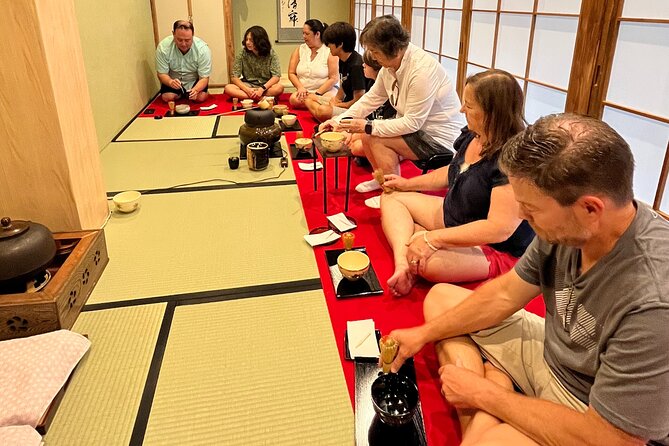
You first watch the instructor make tea. This is important because the ceremony can look deceptively simple. The tools, hand positions, and sequence all have a reason, and seeing the full process gives you a model to follow.
After the demonstration, you make your own matcha. You handle the whisk, mix the powder with water, and try to create the right texture. Your first bowl may not look exactly like the instructor’s. That is fine. The point is to understand the method and feel the difference between hearing about tea and preparing it yourself.
You also learn how to receive and drink the tea properly. This makes the session more than a quick matcha tasting. You leave knowing something about serving, accepting, and showing respect for the person who prepared the bowl.
The history and etiquette without the heavy lecture
A good tea class needs to explain the rules without making you feel as if you are taking an exam. This experience appears to aim for that balance. The teacher discusses the ceremony’s development, its connection with samurai culture, and the way a tea meeting could provide time for conversation, politics, and planning.
One especially useful idea is the ceremony’s focus on treating the people in the room as equals. That helps explain why the ritual feels deliberate. The host prepares the tea with care, while the guest responds with attention and thanks.
You also learn the etiquette behind the bowl, sweets, and utensils. These details can seem fussy at first, but they become easier once you understand that the ceremony values the whole encounter, not just the drink.
The English instruction is another practical strength. The class is designed for international visitors, and the teachers explain the process in English. Some instructors use humor and gentle correction, which helps if you feel awkward using the whisk or copying the movements.
Matcha, sweets, and the hands-on part
The tea is served with a traditional Japanese sweet. The sweet is not just an extra snack. Its sweetness balances the bitter, grassy taste of matcha and follows the Japanese habit of pairing tea with a small seasonal treat.
The sweets may change, and the experience includes treats connected with different seasons. That detail adds interest because Japanese food culture often pays close attention to time of year, shape, color, and presentation.
The matcha itself has a strong flavor. If you already enjoy green tea, you may like the earthy taste. If you usually prefer sweet drinks, the bowl can be an adjustment. The class gives you a chance to try it in its proper setting rather than ordering a modern matcha drink and missing the traditional preparation.
The interactive part is the real payoff. You make tea after watching the teacher, so the class remains active without becoming rushed. It is also a good way to remember the lesson. You may not become skilled after one bowl, but you will understand the basic process and may feel confident enough to prepare matcha again at home.
More tea ceremonies in Osaka:
- Osaka: Tea Ceremony Experience
★ 4.9 · 1,426 reviews - Matcha Making Class in Osaka with Authentic Japanese Sweets Set
★ 5.0 · 509 reviews - Osaka: Matcha Making Experience with Japanese Sweets
★ 5.0 · 146 reviews - Osaka: Japanese Traditional Sweets Making and Tea Ceremony
★ 4.7 · 118 reviews
A good choice for families
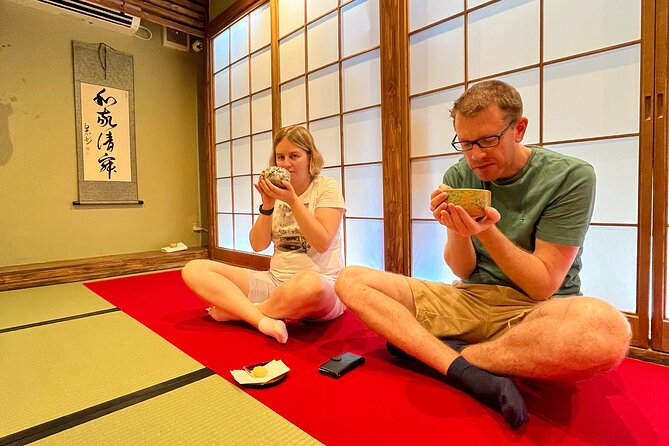
The experience is family-friendly, but there is an important age limit. Children can receive caffeine-free matcha milk, which lets younger participants join the food and drink portion without consuming regular matcha.
Children under five cannot simply arrive and assume they can take part. You should contact the provider in advance, and admission is not guaranteed even if an adult has purchased a ticket. This is worth handling before booking, especially for families with toddlers.
Older children can benefit from the clear sequence and hands-on activity. They get a cultural lesson, a new food to taste, and a simple skill to try. The calm format may also suit children who need a break from Osaka’s crowded streets.
The class is not a free-play activity. Children need to sit, listen, and follow instructions around hot water and tea tools. Families who prepare them for a quiet cultural lesson are likely to get more from it.
Group size and the feel of the lesson
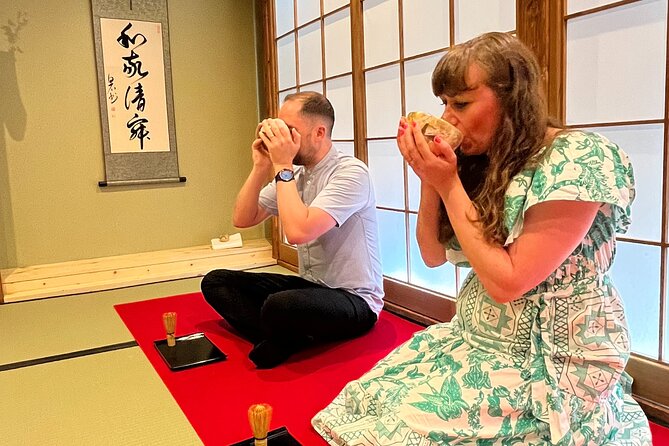
The maximum group size is 15 people, but some sessions are far smaller. One session described a group of six, while another had only two couples. A smaller class gives you more room to ask questions and more time to practice.
A group of 15 would feel less intimate than a two-couple session. That is the main uncertainty to keep in mind. The small-group setup aims to provide personal attention, but the exact feel depends on the number booked for your time.
The instructors appear to keep the tone informal enough for beginners. You do not need prior knowledge of tea ceremony customs. The class welcomes basic questions, and the teachers explain both the formal actions and the reasons behind them.
I especially like the combination of polish and warmth. The session is organized and respectful, but it does not appear stiff. One instructor even helped resolve a lost-phone mix-up between participants, which speaks to the practical care expected from the teaching team.
How the price compares with the experience
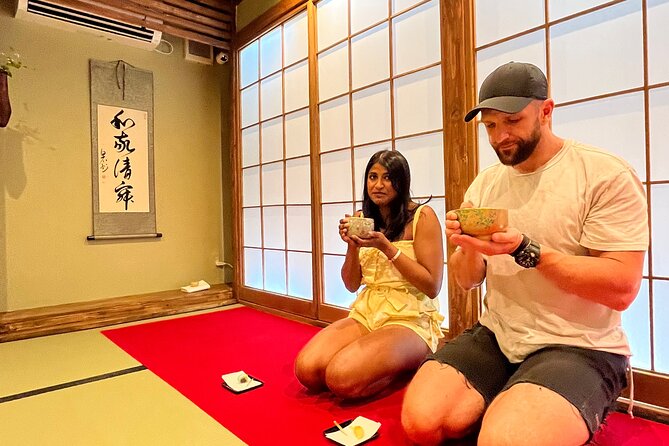
At $20.69 per person, this is a modest expense for a 45-minute cultural activity in central Osaka. You receive instruction, a demonstration, matcha, sweets, and the chance to make your own tea.
The value is strongest if you want a focused introduction. You are paying for a teacher to explain the ritual and guide your hands, not just for a cup of tea. The central location also saves transport time and makes the class easy to add to a Dotonbori itinerary.
It is less compelling if you only want to taste matcha. Cafes can offer a cheaper or faster drink, but they will not usually explain the etiquette, history, tools, or serving order.
Some items may also be available for purchase, so bring extra cash if you are interested in buying tea-related goods. This is optional and not part of the core class.
Getting to the correct Dotonbori address
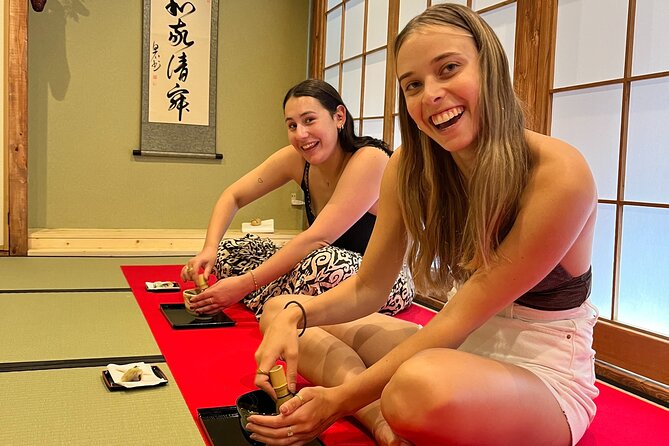
The address requires close attention. Search Google Maps for Tea Ceremony Osaka The Osaka rather than relying blindly on the map pin supplied through a booking page. The correct street number is 1-chome Higashi 5-26.
The word Higashi, meaning east, matters. The most common mistake is entering 1-5-26 without Higashi. That can send you to the wrong location, which is especially frustrating when you have only a few minutes before the class.
The venue is on the second floor of Dotonbori Building. Confirmation is provided when you book, and the activity is near public transportation. Your mobile ticket makes the visit easy to manage, but I would still allow extra time to find the building in the crowded Dotonbori area.
The class returns to the meeting point at the end. You can then continue directly to nearby restaurants, shopping streets, or other Osaka sights.
Who should book this experience
I would recommend it to first-time visitors who want a clear introduction to Japanese culture without committing to a long formal program. It also suits you if you enjoy learning by doing, since you watch the teacher and then prepare your own bowl.
Families with children old enough to sit through a short lesson can make good use of the caffeine-free option. Couples and solo visitors may also like the quiet break and the chance to meet a few other participants.
It is a good fit for a final day in Japan, too. The class gives you a calm, reflective activity before departure and leaves you with a simple skill to remember from the trip.
You may want something else if you expect traditional clothing, a long ceremony, a private room, or an advanced lesson in tea-school technique. Those are not the focus here. This is a short, friendly, hands-on introduction in a convenient city location.
Should you book the Dotonbori tea ceremony?
Book it if you want to understand the meaning behind matcha rather than simply drink it. The combination of a formal demonstration, etiquette, sweets, and hands-on preparation gives you a fuller picture in less than an hour.
The $20.69 price is fair for the teaching and central location, and the strong 4.9 rating from 754 ratings supports the impression of a well-run experience. Just confirm the address carefully, ask ahead about children under five, and remember that the group may be larger than the most intimate sessions.
For a first taste of tea ceremony in Osaka, this is a practical choice. It gives you culture without a long commute, quiet without leaving the city center, and enough participation to make the lesson stick.
FAQ
How long does the tea ceremony experience last?
The class lasts approximately 45 minutes.
Where does the activity begin and end?
It begins at Tea Ceremony Osaka The Osaka, on the second floor of Dotonbori Building, at 1-chome Higashi 5-26, Dotonbori, Chuo Ward, Osaka. It ends back at the same meeting point.
What should I search for in Google Maps?
Search for Tea Ceremony Osaka The Osaka. Include Higashi in the address, since entering only 1-5-26 may lead you to a different location.
Do I get to make my own matcha?
Yes. You watch the instructor prepare tea and then make and drink your own matcha.
Are Japanese sweets included?
Yes. Traditional Japanese sweets are served with the tea.
Can children join the experience?
Children can join the family-friendly activity, and caffeine-free matcha milk is available for children. Contact the provider in advance if a child under five will accompany you, since children under five may not be admitted to the regular plan.
How many people can join the class?
The activity has a maximum of 15 participants.
Can I cancel for a full refund?
Yes. You can cancel at least 24 hours before the start time for a full refund. Cancellations or changes made less than 24 hours before the start time are not accepted for a refund.
Just added in Osaka
- Urban Canvas: Osaka Street Art Bike Tour★ 5.0 · 10 reviews
- Anime Cosplay Photshoot-50 Digital Photos Provided★ 5.0 · 8 reviews
- TeamLab Botanical Garden Osaka Ticket★ 3.5 · 6 reviews
- Umeda Sky Building & Kuchu Teien Observatory Ticket in Osaka★ 4.5 · 3 reviews
- Immerse in Judo Martial Arts Class from Japan★ 5.0 · 4 reviews
- Cherry Blossom Buddha and Mt.Yoshino with Strawberry Picking Tour★ 4.5 · 5 reviews
- Traditional Home cooking Experience in Osaka, Japan★ 5.0 · 14 reviews
- Traditional Calligraphy Experience near Dotonbori★ 5.0 · 3 reviews
Dotonbori Tours, compared.
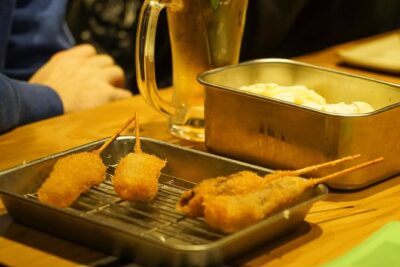
Osaka Local Foodie Walking Tour in Dotonbori and Shinsekai
Read our review →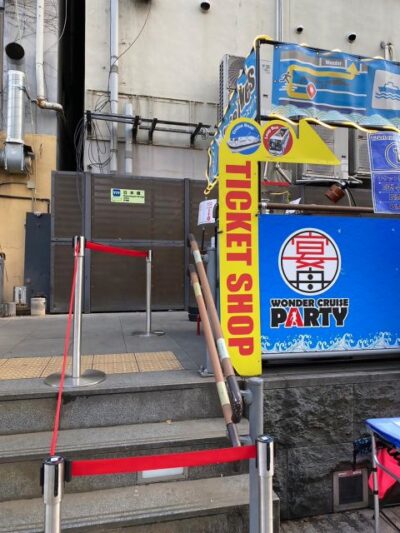
Dotonbori District River Cruise with Drink Discount
Read our review →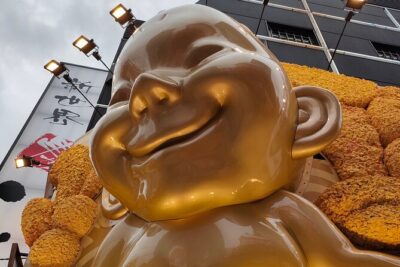
Ultimate Osaka Walking Tour: Castle, Dotonbori & Hidden Gems
Read our review →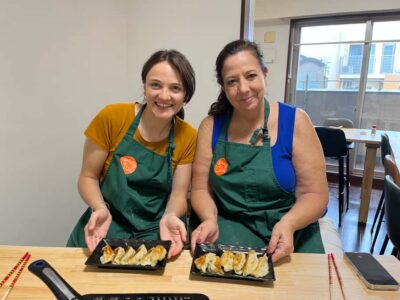
Roll and Authentic Sushi Making Class in Dotonbori
Read our review →
Osaka Local Bar Crawl in Dotombori & Uranamba Area
Read our review →
Browse the lists this tour appears in