
Reviewed · OSAKA COOKING CLASSES
【For adult】Traditional Mochi Pounding Experience with Tasting
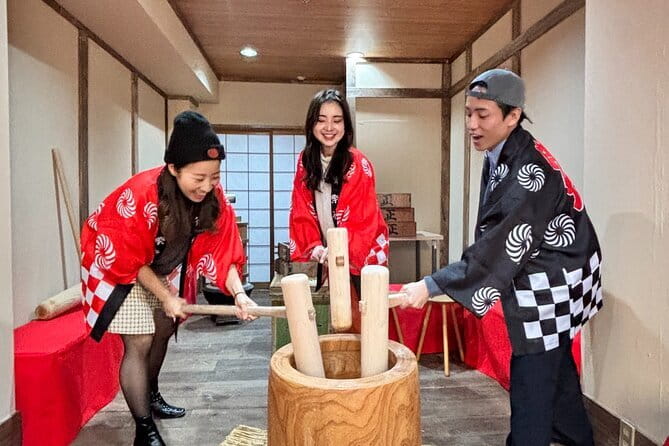
Fresh mochi begins with a surprising amount of work. At Oh Mochi in Osaka’s Dotonbori, you learn how steamed glutinous rice changes under repeated pounding, then shape and eat the warm result. Aiko, Grace, Seina, Runa, Mao, and Riki are among the instructors named in the experience, and sessions are designed for hands-on participation.
I like two things here. First, the roughly one-hour format fits neatly into a busy Osaka day. Second, you do not just watch a demonstration: you handle the traditional mortar and pestle, help make the mochi, and taste it with several seasonings. The main caution is practical: the room can feel warm, the food is filling, and older people should eat small portions because mochi can be a choking hazard.
Key points to know before booking
- You pound the rice yourself: The class moves from steamed glutinous rice to finished mochi, with everyone given a chance to take part.
- The tasting goes beyond sweet dessert mochi: Expect traditional toppings such as kinako and sweet red bean paste, along with several other seasonings and ingredients.
- The class starts with a 10-minute cultural introduction: You learn why mochi pounding matters in Japan before picking up the mallet.
- The Dotonbori location is easy to pair with sightseeing: The meeting point is Oh Mochi, at 2-chōme-4-11 Dōtonbori.
- Small groups keep the activity personal: The maximum is 10 people, useful when children or first-time participants need help.
- English and Chinese support are available: Chinese support is provided with slides or interpretation through ChatGPT.
Why mochi pounding makes a good Osaka activity
Osaka is full of food stops, but many involve sitting down and ordering something. This experience gives you a short cultural activity with a clear beginning, middle, and end. You learn what mochi is, help make it, and eat the result before leaving.
That simple sequence matters. A packaged mochi sweet tells you little about the process behind it. Here, you see glutinous rice being steamed and transformed by pounding. The texture changes in front of you, and the finished food feels connected to the work you just did.
The class also offers a useful look at a tradition that many people associate only with New Year celebrations or supermarket sweets. The introduction explains the history and cultural significance of mochi pounding, then the physical process gives the lesson a bit of energy. You are not asked to sit quietly for an hour.
The activity is also short enough to fit around Osaka’s other sights. A morning session can start a day of sightseeing, while an afternoon session works well after exploring the city. The experience ends where it begins, so you do not have to arrange a second pickup point.
More cooking classes in Osaka:
- Matcha Making Class in Osaka with Authentic Japanese Sweets Set
★ 5.0 · 509 reviews - Osaka Sushi Making Experience
★ 5.0 · 400 reviews - Osaka: Ramen and Gyoza Cooking Class in Dotonbori
★ 5.0 · 378 reviews
Inside the 10-minute history lesson
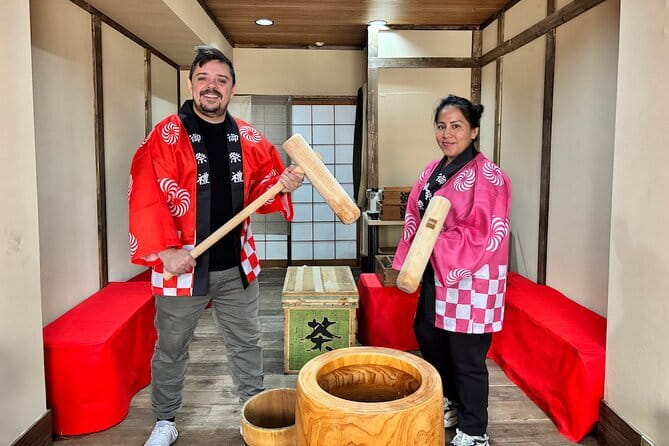
The first part is a short talk of about 10 minutes. This is not a full lecture, but it gives the pounding a reason and context. You learn about the history of mochi and why the practice has cultural importance in Japan.
That opening is useful because the physical activity can otherwise feel like a novelty photo stop. Once you understand that mochi pounding is a traditional Japanese activity experienced by Japanese people at least once in their lives, the tools and motions make more sense.
The lesson is brief enough for children and for anyone who is more interested in doing than listening. English is supported, and Chinese explanations are available through slides or interpretation with ChatGPT. The quality of each explanation may depend on the instructor and the group, but the experience is set up for international visitors.
Some named instructors include Aiko, Grace, Seina, Runa, Mao, and Riki. The staff are described as friendly, energetic, and careful to explain the process. That matters because the pounding has a rhythm and technique that is not obvious when you first see the mortar.
Steaming the glutinous rice
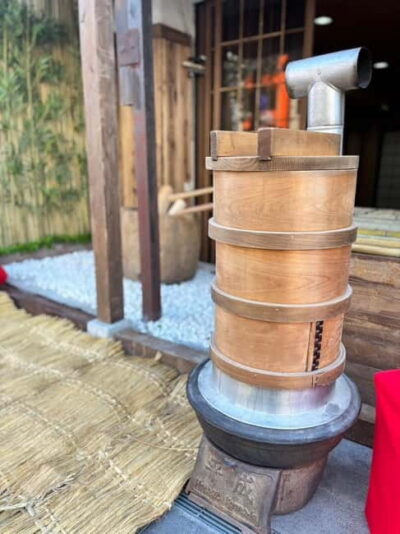
Next, you join the process of steaming the rice. This is an important part of the activity because mochi does not begin as a soft, ready-to-eat sweet. It starts with glutinous rice that must be properly prepared before the pounding can work.
You may find this step less dramatic than the mallet work, but it explains the transformation. The class takes you through the process from rice to finished mochi rather than presenting only the final stage.
The food is freshly made during the session, not taken from a package. That gives you a direct comparison with the mochi commonly sold in shops. The fresh texture is one of the central reasons to choose this activity over simply buying a box of sweets.
Taking turns at the mortar and pestle
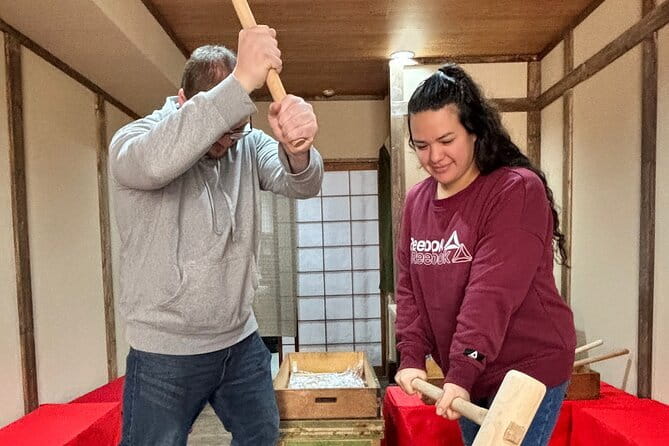
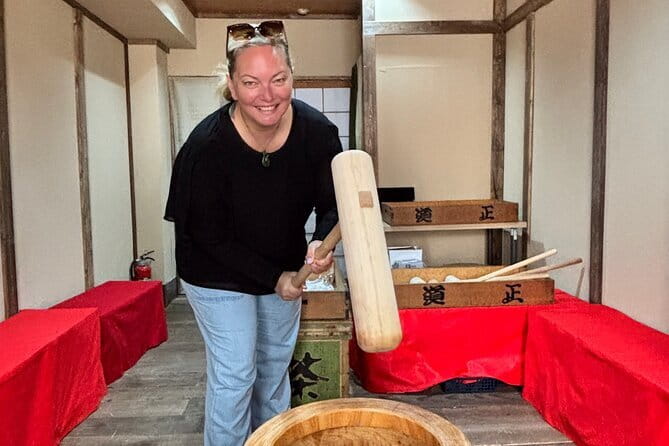
The main event is the pounding. Once the rice is steamed, you use traditional tools to work it into mochi. Participants take turns, and the instructors guide the group through the movement.
This is where the small group size helps. With a maximum of 10 people, you are less likely to be lost at the back of a large demonstration. The staff make sure people take part, and children can use a smaller mallet.
The activity is physical, but it is not presented as a serious fitness test. The fun comes from the shared rhythm and from watching a familiar grain become smooth, stretchy mochi. You will also have opportunities to take photographs and videos, with staff helping capture the action.
A little preparation helps. One person described the room as warm during hot weather, so lightweight clothing is sensible. The class is short, but repeated pounding still takes effort. If you have limited strength or mobility, tell the staff and take a lighter role when needed. The information provided does not give detailed accessibility specifications, so do not assume every part of the activity will suit every physical need.
More food and drink tours in Osaka:
- Osaka: Shinsekai Food Tour with 13-15 Dishes at 5 Eateries
★ 4.8 · 2,204 reviews - Osaka Food Tour: 13 Dishes at 5 Local Eateries
★ 5.0 · 2,149 reviews - Hungry Osaka Street Food Tour:15 Tastings & 3 Drinks with a Local
★ 5.0 · 1,727 reviews - Hungry Osaka Street Food Tour: 15 Dishes & 3 Drinks
★ 4.9 · 694 reviews
Shaping the mochi you just made
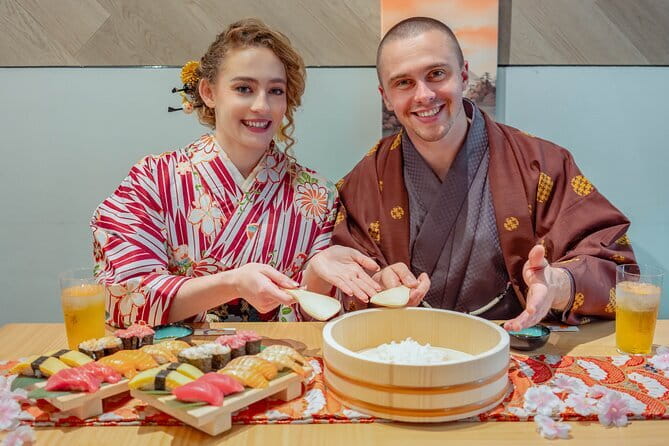
After the pounding, the fresh mochi is portioned for the group. You then shape it in your palms, turning the sticky mass into pieces ready for tasting.
This step gives the activity a satisfying finish. You are not simply handed a sample after watching an instructor. You have helped produce the food and then worked with it again before eating it.
The texture can be quite different from the sweet, filled mochi many visitors already know. Fresh mochi may be warm, soft, and stretchy, while the familiar packaged dessert version is often chilled or filled. If you usually think of mochi as a dessert, keep an open mind during the tasting because some toppings may bring out a more savory or earthy flavor.
The shaping is also a good part of the experience for children. They can see and feel how the rice has changed, and the smaller mallet gives younger participants a way to take part in the earlier stage.
The tasting: kinako, red bean, and more
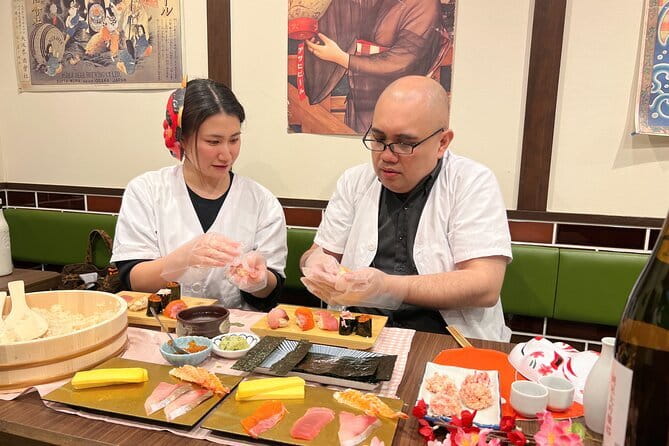
The final tasting includes freshly pounded mochi with five Japanese seasonings and ingredients, served with tea. The exact selection is not listed, but kinako and sweet red bean paste are specifically included. One session is also described as offering more than eight flavor options, so the number may vary by presentation.
Kinako, a roasted soybean flour, gives mochi a dry, nutty coating. Sweet red bean paste adds the familiar dessert note many people expect. Other condiments and dipping options let you compare several styles rather than judging fresh mochi from one bite.
You get to taste the food alongside tea, which helps make the final stage feel like a proper Japanese sweets experience. It is also more substantial than the word tasting might suggest. Several people found the serving filling, so avoid scheduling this immediately before a large meal if you want to enjoy everything.
Dietary preferences are accommodated, including vegetarian and vegan needs. Still, explain your requirements clearly to the staff before the session begins. The available information does not provide a full ingredient list, so anyone with allergies should ask about each topping.
How much value do you get for $32.37?
At $32.37 per person, this is not the cheapest way to eat mochi in Osaka. You can buy sweets for far less. The price makes more sense when you treat the class as a cultural activity, food tasting, and short guided lesson in one package.
You receive instruction, a history talk, access to traditional tools, hands-on participation, freshly made food, several toppings, and tea. The one-hour length also keeps the cost from taking over your day. For someone who wants a compact activity between Osaka sightseeing stops, that is a fair use of time and money.
The value is strongest if you care about process. If you only want to sample sweet mochi, a shop will be cheaper and faster. If you want to understand how rice becomes mochi and take part in the making, the class offers something a shop cannot.
The small-group limit of 10 adds to the value. It gives you a better chance to pound the rice, ask for help, and get photographs. The experience is not a private class, but it should feel more personal than a large food demonstration.
Who will enjoy this most
This is a good pick for mochi lovers who want to taste the food at its freshest. It also suits first-time visitors looking for a Japanese activity that is less common than a tea ceremony or sake tasting.
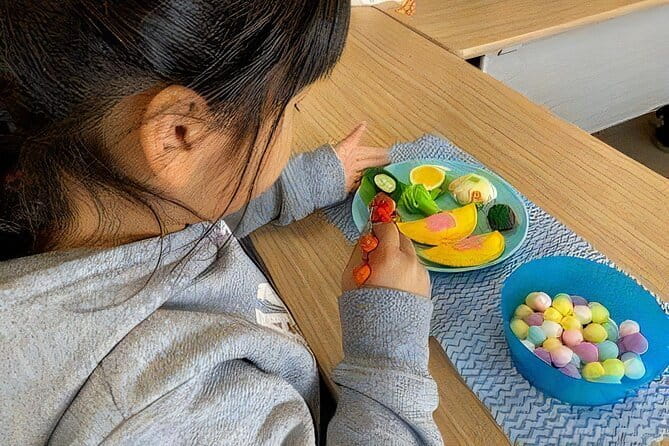
Families are welcome, and the class works well for children who enjoy hands-on activities. The smaller mallet is a useful detail for younger participants. Parents should still supervise closely around the tools and make sure children follow the instructor’s directions.
Vegetarians and vegans can participate because dietary preferences are accommodated. Ask about ingredients and toppings in advance if your diet is strict.
The experience also suits people with a tight schedule. At about one hour, it is easy to place before or after a Dotonbori visit. Morning and afternoon sessions provide some flexibility.
It may be less suitable if you dislike sticky textures, want a quiet cultural lesson, or have trouble standing and taking part in a group activity. The exact seating and accessibility setup are not provided, so contact the operator before booking if that is important for you.
Dotonbori meeting point and timing
The meeting point is Mochi Pounding Experience Osaka, Oh Mochi, at 2-chōme-4-11 Dōtonbori, Chuo Ward, Osaka, 542-0071. The location is near public transportation, and the activity returns to the same place.
Dotonbori is a useful setting for this kind of stop because you can combine it with food, shopping, and Osaka sightseeing. Plan to arrive on time. One participant who arrived a few minutes late was still welcomed and included, but late arrival can cut into your own lesson and may be harder during a busy session.
You can choose a morning or afternoon start. The best choice depends on your meal plans. Since the mochi tasting can be filling, you may prefer a session that does not end just before lunch or dinner.
The experience is listed with a mobile ticket, so keep the booking confirmation ready on your phone. Confirmation is provided at booking.
Safety, weather, and cancellation details
Mochi is soft and sticky, but it needs to be eaten carefully. Older people should take small portions because rice cakes can cause choking. Children and anyone with swallowing difficulties should also eat slowly and follow the staff’s advice.
The activity requires good weather. If poor weather causes cancellation, you are offered another date or a full refund. For your own cancellation, you can receive a full refund if you cancel at least 24 hours before the start time. Cancellations or changes made less than 24 hours before the start time are not accepted for a refund.
The cutoff uses local Osaka time. That detail matters if you are changing plans from another time zone.
Should you book the Oh Mochi class?
I would book this if you want an active food experience rather than another meal. The best parts are the short cultural introduction, the chance to use traditional tools, and the generous tasting with toppings such as kinako and sweet red bean paste.
The $32.37 price is reasonable for a one-hour class with instruction, tea, and freshly made food, especially in a group capped at 10 people. It is less attractive if your only goal is to eat inexpensive sweets or if you cannot comfortably take part in the pounding and shaping.
For families, first-time visitors to Japan, and anyone seeking a memorable Dotonbori activity, this is an easy choice. Wear light clothing in hot weather, leave room in your appetite, arrive on time, and eat the mochi in small portions. Those simple steps let you enjoy what makes the class special: you see the transformation, help create it, and taste the result while it is still fresh.
FAQ
How long does the mochi pounding experience last?
The activity lasts approximately one hour.
Where does the experience start?
It starts at Mochi Pounding Experience Osaka, Oh Mochi, at 2-chōme-4-11 Dōtonbori, Chuo Ward, Osaka, 542-0071, Japan.
Where does the activity end?
The experience ends back at the meeting point.
What is included in the tasting?
You taste freshly pounded mochi with five Japanese seasonings and ingredients, along with tea. Kinako and sweet red bean paste are specifically included.
Can children take part?
Yes. Families with children are welcome, and a small mallet is available for children to use.
Is the activity available in English?
Yes. English support is available. Chinese is provided through slides or interpreted through ChatGPT.
How many people can join a session?
The maximum group size is 10 travelers.
Can vegetarians and vegans participate?
Yes. The activity accommodates vegetarian and vegan dietary preferences.
What is the cancellation policy?
You can cancel at least 24 hours before the start time for a full refund. Changes or cancellations made less than 24 hours before the start time are not accepted for a refund. If poor weather cancels the activity, you can choose another date or receive a full refund.
Just added in Osaka
- Urban Canvas: Osaka Street Art Bike Tour★ 5.0 · 10 reviews
- Anime Cosplay Photshoot-50 Digital Photos Provided★ 5.0 · 8 reviews
- TeamLab Botanical Garden Osaka Ticket★ 3.5 · 6 reviews
- Umeda Sky Building & Kuchu Teien Observatory Ticket in Osaka★ 4.5 · 3 reviews
- Immerse in Judo Martial Arts Class from Japan★ 5.0 · 4 reviews
- Cherry Blossom Buddha and Mt.Yoshino with Strawberry Picking Tour★ 4.5 · 5 reviews
- Traditional Home cooking Experience in Osaka, Japan★ 5.0 · 14 reviews
- Traditional Calligraphy Experience near Dotonbori★ 5.0 · 3 reviews
Osaka Cooking Classes, compared.

Matcha Making Class in Osaka with Authentic Japanese Sweets Set
Read our review →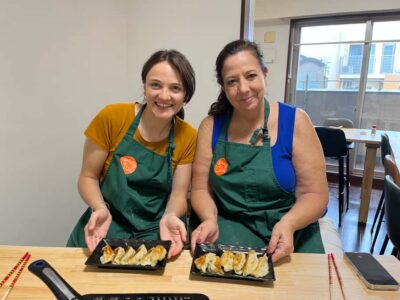
Traditional Mochi Pounding Experience with Tasting
Read our review →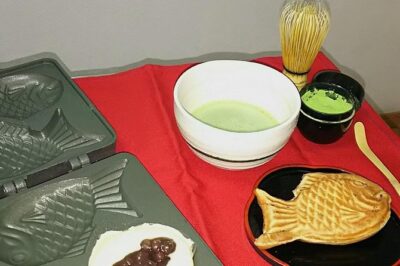
Osaka Cooking Class: Okonomiyaki &Japanese cuisines experience
Read our review →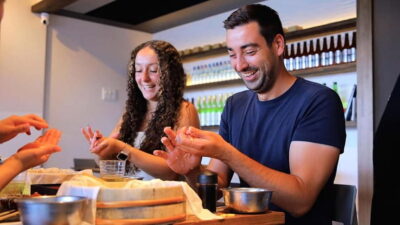
Roll and Authentic Sushi Making Class in Dotonbori
Read our review →


Osaka Sake Tasting & Takoyaki Cooking Experience
Read our review →Browse the lists this tour appears in