
Reviewed · DOTONBORI TOURS
Osaka Local Bar Crawl in Dotombori & Uranamba Area
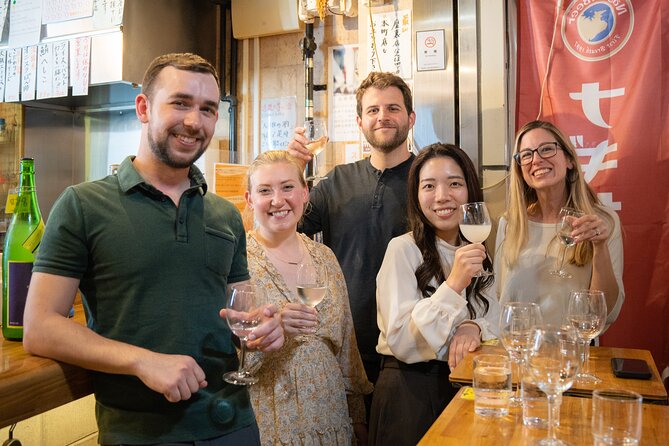
Osaka’s best nightlife is often tucked behind the neon. This three-hour crawl moves from the famous Glico sign and Hozenji Temple into Uranamba’s small izakaya, where you can try yakitori, karaage, gyoza, and sashimi alongside local drinkers. Guides such as Yui, Hitomi, Taiga, and Soma have earned especially warm praise for their English and easygoing style.
I like two things here. First, the tour gives you a useful first-night map of Dotonbori and Uranamba, including places you might skip on your own. Second, it joins food with context: you learn why people visit Hozenji Temple, what the Glico sign means, and which dishes pair with sake or other drinks. The main catch is simple: the $26.53 booking price does not include dinner or alcohol, and extra charges at the bars can vary sharply.
Key points to know before you book
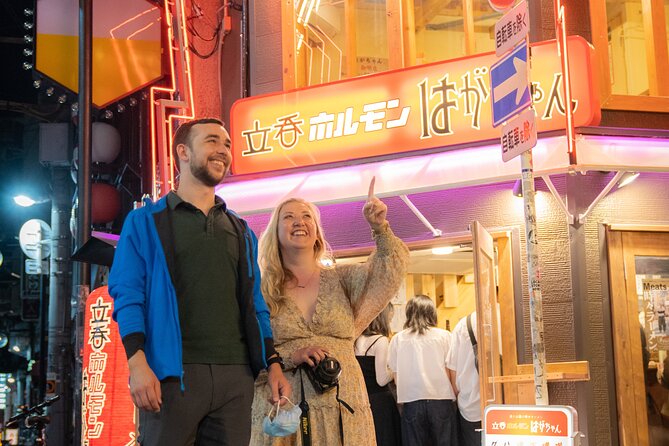
- Three hours on foot: The route begins at the Dotonbori Humanity Song Monument and ends back there.
- A local side of Dotonbori: Hozenji Temple and the Uranamba lanes offer a quieter counterpoint to the main canal and neon signs.
- Food is part of the fun: Expect Osaka favorites such as yakitori, karaage, gyoza, sashimi, and possibly takoyaki.
- Drinks cost extra: Alcoholic beverages and dinner are not included in the advertised price.
- Small-group format: The maximum group size is 15 people, though the tour can sometimes be much smaller.
- Good first-night choice: A local guide can help you get oriented and suggest places to return to later.
Starting beneath the Glico sign
The meeting point is the Dotonbori Humanity Song Monument, at 1 Chome-10 Dotonbori. This puts you right in the middle of one of Osaka’s most famous entertainment districts, close to the large Glico running-man sign.
The sign is more than a quick photo stop. Your guide explains its history and why it became such a familiar symbol of Osaka. That short introduction gives the crowded canal area some meaning before the food and drinks begin.
I like this start because it handles the famous sight without pretending it is the whole story. You get the classic Dotonbori view, then move toward smaller streets and local drinking areas. If you arrive in Osaka feeling a little lost, the opening walk helps you get your bearings quickly.
The route is on foot, so comfortable shoes matter. The tour lasts about three hours, and the time includes walking between venues, temple visits, ordering food, and sitting down together. This is not a fast checklist of bars.
More Dotonbori walks and food stops:
- Osaka Local Foodie Walking Tour in Dotonbori and Shinsekai
★ 5.0 · 985 reviews - Osaka: Dotonbori District River Cruise with Drink Discount
★ 4.2 · 876 reviews - Ultimate Osaka Walking Tour: Castle, Dotonbori & Hidden Gems
★ 5.0 · 862 reviews
Hozenji Temple, a quiet pause near the neon
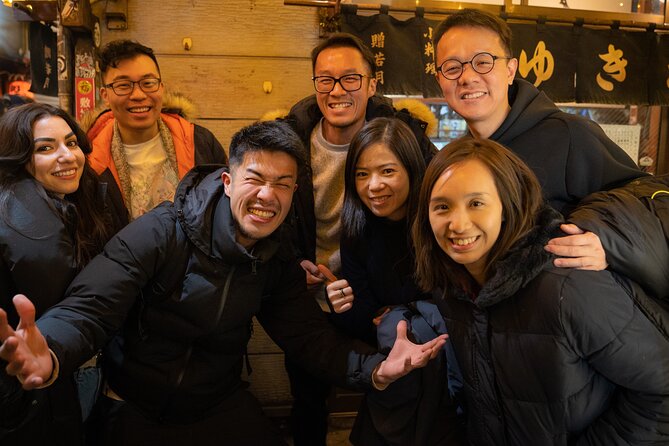
From the main Dotonbori strip, the group visits Hozenji Temple. It is a small local temple close to the entertainment district, but the mood changes quickly. The narrow lanes and traditional setting offer a calmer side of Osaka, with an atmosphere that can remind you of Kyoto.
Your guide explains practical points about Japanese temples, including why people visit this particular one. That context matters because Hozenji is not treated as a random photo stop. You get a short cultural explanation before returning to the evening route.
The temple portion is brief. One disappointed customer described the shrine visit as lasting only a few minutes, so you should not book this as a temple tour. Think of it as a useful cultural interlude between the tourist center and the izakaya streets.
That balance is one of the tour’s strengths. You are not spending three hours in a lecture, but you are also not simply being marched from one bar to the next. The guide connects Osaka’s food culture, nightlife, religion, and neighborhood life in small pieces.
Uranamba izakaya and the first round of food
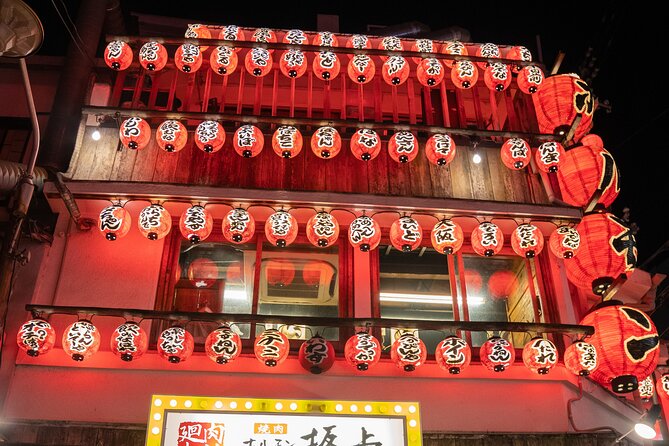
The first main food stop is in Ura Namba, also called Uranamba. This is an area where local people go out for drinks, and the setting is more about compact neighborhood izakaya than polished tourist restaurants.
This part of the route is a good reason to book with a guide. The lanes can be confusing, and the most appealing restaurants may not have much English information. A local host can handle the basic choices and help explain what arrives at the table.
The planned food includes yakitori and karaage, along with sake and other drinks. Yakitori gives you grilled chicken in small portions, while karaage offers Osaka-style comfort food in crisp, bite-sized pieces. The point is not a formal meal with one large dish. You sample several things while learning how people order and drink in an izakaya.
Some tours also include takoyaki. One particularly memorable version had the group cook the octopus balls at the table. That can be a fun social activity, especially if you have never used a takoyaki grill. Another account described receiving more food than expected, so arriving hungry is sensible.
Still, the exact dishes and venues can change. The tour description names yakitori, karaage, gyoza, sashimi, and more, but it does not promise a fixed tasting menu. You should treat the list as a guide to the style of food, not a guaranteed order.
The same applies to the drinks. Sake is part of the experience, but the tour can also involve whiskey, cocktails, or other local choices. If you care about a particular drink, ask about the price and selection before ordering.
A second Namba stop for gyoza and sashimi
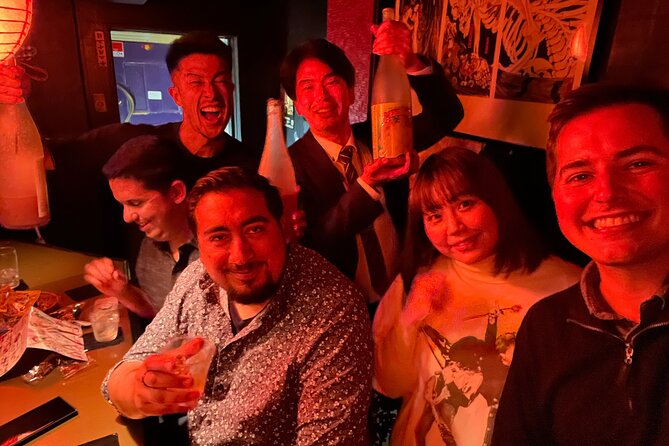
The next major stop takes place in Namba and lasts about an hour and twenty minutes according to the planned schedule. This is the longest sitting of the evening, giving you more time to eat, talk, and watch how a Japanese drinking meal works.
Gyoza and sashimi are listed among the foods served here. Gyoza offers a familiar entry point for many people, while sashimi gives you a chance to try a different side of Japanese bar food. The guide can help explain what goes with which drink and how the dishes fit into the meal.
This is where the group aspect becomes important. The tours have a maximum of 15 people, and some departures may be much smaller. One booking had only one participant, which allowed for a highly personal evening. Other departures bring together people from different countries, and the shared tables can make the crawl feel social rather than like a private restaurant visit.
The food also helps keep the night from becoming only a drinking tour. You can taste several Osaka staples while talking with the guide and the other participants. If you do not drink much, that food component gives you a stronger reason to join.
On the other hand, do not assume the $26.53 price covers a full dinner. The published inclusions are three hours with a local guide and free admission. Dinner and alcoholic drinks are specifically excluded. You will need extra money for anything you order at the bars.
More bar hopping nights in Osaka:
- Osaka: Namba Pub Bar Crawl with a Local Guide
★ 4.9 · 424 reviews - Osaka: Izakaya Bars Guided Walking Tour
★ 4.9 · 385 reviews - Osaka Pub Crawl and Nightlife Tour
★ 5.0 · 293 reviews - 3Hour Osaka Pub Crawl Bar Hopping Nightlife Guided Tour in Namba
★ 5.0 · 122 reviews
The Misono Building and small-bar atmosphere
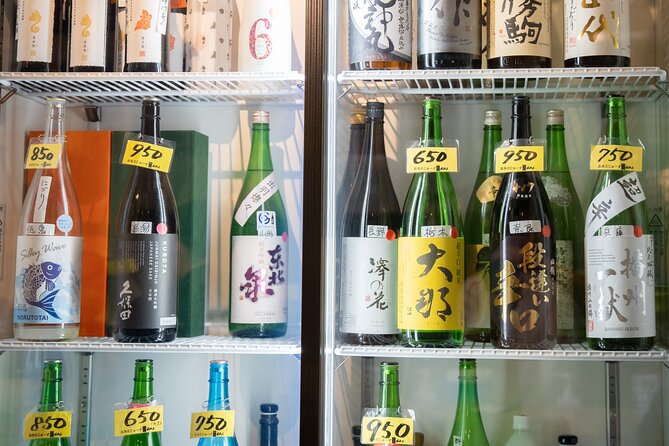
Several accounts singled out the Misono Building as a highlight. The building contains many small bars, each with its own compact room and bartender. It is an unusual setting, and one that can be difficult to understand from the outside if you walk past it alone.
A guide can make the place less intimidating. You get an introduction to the building and a sense of how the tiny bars work. The setting has an odd, old-fashioned feel, and one description compared parts of it to a brothel. That is not a criticism of the architecture, but it is a useful warning: this is not a bright, open beer hall.
Drink prices here need care. One account described drinks costing around ¥3,000 each at the final stop. Another person felt that the included booking price plus roughly ¥7,000 in venue charges added up to poor value for the amount consumed. Those costs may reflect different routes or orders, but the lesson is clear: ask what each drink costs before ordering.
The Misono Building may be the most unusual part of the crawl, but it will not suit everyone. If you want a relaxed evening with low-cost local drinks, it could feel expensive. If you enjoy strange old buildings, small bars, and a setting you would probably not find alone, it may be the moment you remember.
What the $26.53 price really buys
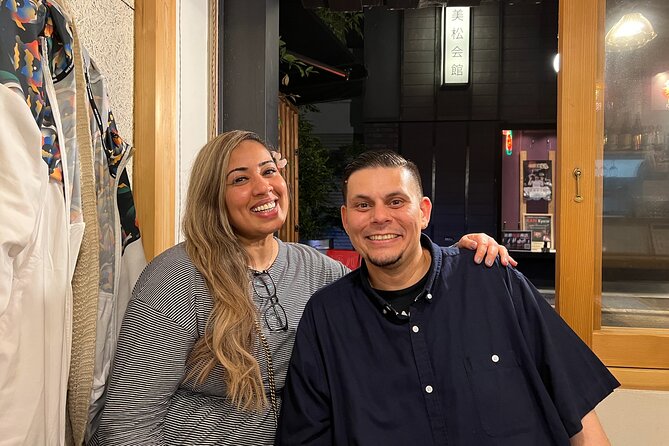
At $26.53 per person, the booking fee is reasonable for a three-hour guided walk through central Osaka. You are paying for the guide, the route, translation help, cultural explanations, and access to bars that can be hard to locate without local support.
You are not paying for a prepaid meal or an open bar. Alcoholic drinks and dinner are extra, and that changes the way you should compare the tour with other food crawls. The value is strongest if you want help choosing places and understanding the area. It is weaker if you expect a fixed number of drinks and a complete dinner for the listed price.
Extra costs seem to depend on the venues and what you order. Some accounts describe several drinks, plenty of food, and excellent value. Others describe small portions, short stops, or charges of ¥2,000 to ¥2,500 per person at individual locations. One person reported paying around ¥7,000 extra across three places, while another warned that some drinks reached ¥3,000.
My practical advice is to carry enough yen or a payment method accepted by the venues, and ask about charges before ordering. Do not assume every stop works like a normal pay-as-you-go bar. If your budget is tight, decide in advance how much you want to spend beyond the booking fee.
Guides make or break the evening
The strongest praise goes to the local hosts. Yui was praised for excellent English and useful area advice. Hitomi received credit for making a solo participant feel comfortable. Kosuke was noted for clear explanations of Osaka history and culture, while Lala added local food knowledge and helped make takoyaki at the table.
Taiga was described as engaging and helpful with later recommendations. Naoko was praised for her friendly manner, and Soma and Mikey were credited with making the group laugh and feel at ease. These names show that the company uses several guides, so you may not receive a particular person.
The guide’s role is more than walking directions. A good host explains how to approach the temple, gives background on the Glico sign, interprets the menu, and helps the group talk with local people. That can turn a confusing izakaya visit into a comfortable introduction.
English ability appears to vary by guide, though several hosts received strong praise for communication. The experience depends heavily on who leads your departure. The high overall rating of 4.9 from 199 reviews and a 97 percent recommendation rate suggest that most bookings go well, but the mixed comments about value show why your expectations should be clear.
Who should book this Osaka bar crawl?
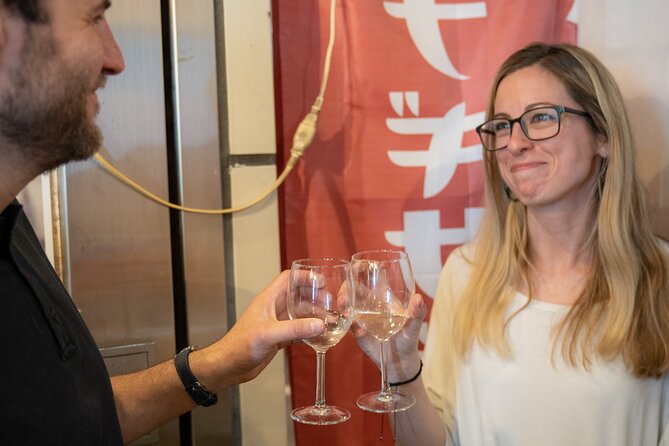
I would recommend it for a first or second night in Osaka, especially if you want help finding local-style bars without spending hours studying maps and menus. The route puts you near Dotonbori’s famous sights, then shows you smaller streets and venues that are easy to miss.
It also suits solo visitors. A group meal and a friendly guide can make an evening out feel simple rather than awkward. The very small group option can be especially good for someone who wants conversation and local recommendations.
Food-focused visitors should also enjoy it. You may try several dishes rather than sitting through one large dinner, and the pairing of food with sake and other drinks gives the meal a clear theme.
I would be cautious if you want a strict, prepaid tasting menu. You may receive different dishes, the stops can vary, and the final bill depends on what the group orders. It is also not ideal if you want a quiet temple visit or a long look at each landmark. The cultural stops are short, and the main purpose is food, drinks, and local nightlife.
The tour allows service animals, is near public transportation, and most people can participate. It requires a minimum number of participants, and the maximum group size is 15. You can cancel for a full refund up to 24 hours before the start time, but cancellations inside that window are not refunded.
Should you book it?
Book this tour if you want an easy introduction to Osaka nightlife, enjoy trying several small dishes, and value a local guide more than a fixed meal price. The best parts are the move from Dotonbori into Uranamba, the Hozenji Temple stop, the chance to sample izakaya food, and the possibility of visiting the Misono Building.
Skip it if you dislike surprise bar charges or want a cheap night out. The $26.53 booking price is only the starting point, and you should budget extra for dinner and drinks. Go in with that understanding, ask about prices, and you are more likely to enjoy the evening for what it is: a guided introduction to Osaka’s food streets, small bars, and after-dark culture.
FAQ
Where does the Osaka Local Bar Crawl begin?
It begins at the Dotonbori Humanity Song Monument at 1 Chome-10 Dotonbori, Chuo Ward, Osaka.
Where does the tour end?
The activity ends back at the meeting point.
How long does the bar crawl last?
The tour lasts approximately three hours.
Are food and drinks included in the price?
No. Dinner and alcoholic beverages are not included, so you should budget extra for food and drinks at the venues.
What food can I expect to try?
The tour includes foods such as yakitori, karaage, gyoza, sashimi, and possibly other local dishes. Takoyaki may also be part of the experience, depending on the venue and route.
Does the tour visit Hozenji Temple?
Yes. The route includes a visit to Hozenji Temple in Dotonbori, where the guide explains why people visit and offers practical information about Japanese temples.
How large is the group?
The activity has a maximum of 15 travelers. Some departures may be much smaller.
Is the tour suitable for most people?
Most people can participate. The activity is near public transportation, and service animals are allowed.
Can I cancel for a refund?
You can cancel at least 24 hours before the start time for a full refund. Cancellations or changes made less than 24 hours before the start time are not refunded or accepted.
Just added in Osaka
- Urban Canvas: Osaka Street Art Bike Tour★ 5.0 · 10 reviews
- Anime Cosplay Photshoot-50 Digital Photos Provided★ 5.0 · 8 reviews
- TeamLab Botanical Garden Osaka Ticket★ 3.5 · 6 reviews
- Umeda Sky Building & Kuchu Teien Observatory Ticket in Osaka★ 4.5 · 3 reviews
- Immerse in Judo Martial Arts Class from Japan★ 5.0 · 4 reviews
- Cherry Blossom Buddha and Mt.Yoshino with Strawberry Picking Tour★ 4.5 · 5 reviews
- Traditional Home cooking Experience in Osaka, Japan★ 5.0 · 14 reviews
- Traditional Calligraphy Experience near Dotonbori★ 5.0 · 3 reviews
Dotonbori Tours, compared.
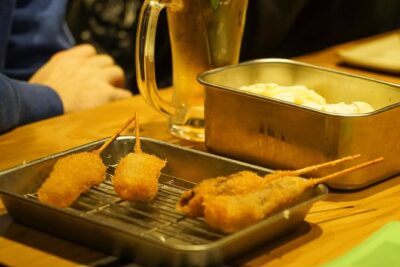
Osaka Local Foodie Walking Tour in Dotonbori and Shinsekai
Read our review →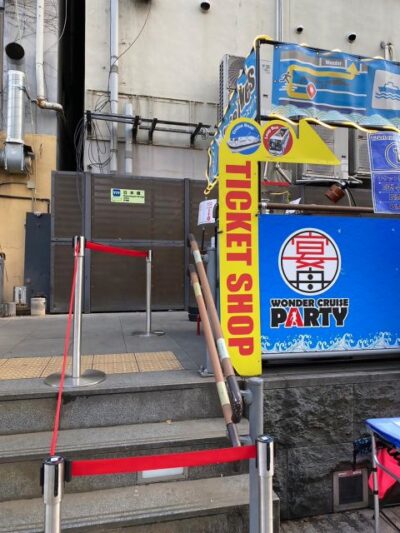
Dotonbori District River Cruise with Drink Discount
Read our review →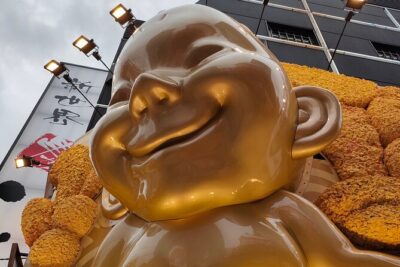
Ultimate Osaka Walking Tour: Castle, Dotonbori & Hidden Gems
Read our review →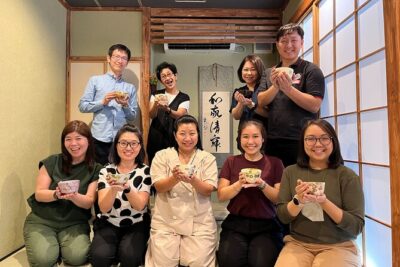
Roll and Authentic Sushi Making Class in Dotonbori
Read our review →
Browse the lists this tour appears in