
Reviewed · OSAKA WAGASHI SWEETS WORKSHOPS
Japanese Traditional Sweets “Nerikiri” making
The best part of this 65-minute Osaka workshop is that you do not simply watch a confectioner work. You shape two seasonal nerikiri sweets yourself, using white and red bean paste made by long-established shops in Kyoto. I like the low $11 price and the fact that tasting your finished sweets is included. I also like the compact format, which fits neatly into a busy day in Osaka.
The main consideration is language. The instructor speaks Japanese, with English translation provided as much as possible when requested. That should be enough for a hands-on activity with visual demonstrations, but you should contact the provider ahead of time if you need detailed English instruction.
Key points at a glance
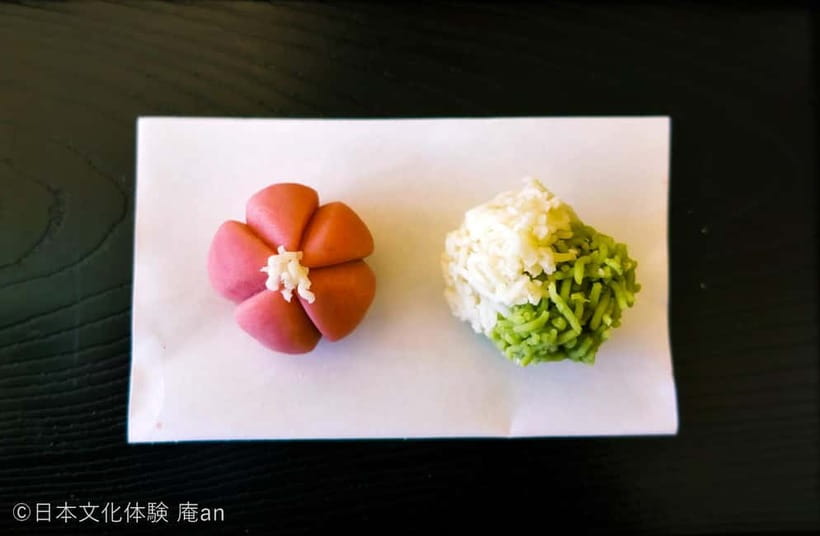
- Two sweets in one session: You make a flower-shaped nerikiri and a kinton nerikiri, both matched to the season.
- Kyoto-made bean paste: The white and red bean paste comes from long-established Kyoto shops.
- Eat your own work: Tasting time follows the making session, so you do not need to buy a separate snack.
- Strong value at $11: The price covers the full nerikiri-making experience and lasts about 65 minutes.
- Central Osaka location: The venue is one minute from Higobashi Station and within walking distance of several other stations.
- English help is limited: The working language is Japanese, so request translation before you arrive.
Why making nerikiri feels different from an ordinary cooking class
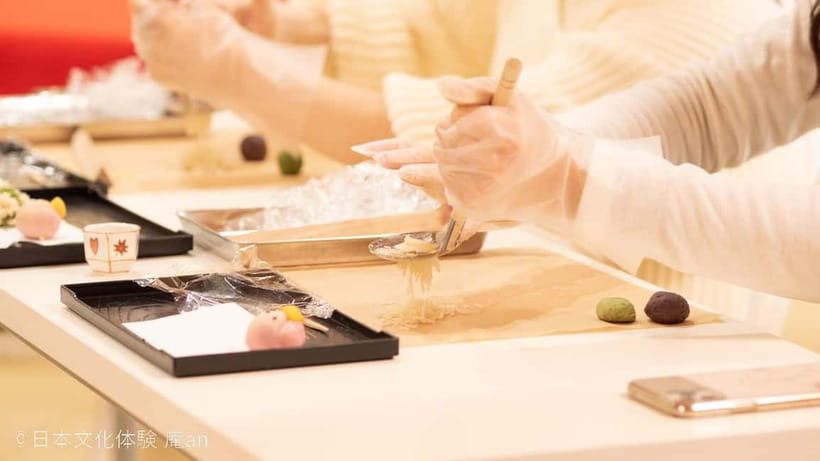
Nerikiri is a Japanese traditional sweet made with bean paste and shaped into seasonal designs. Here, the focus is not on preparing a long recipe from raw ingredients. Instead, you work with prepared white and red bean paste, then form it into delicate sweets by hand.
That makes this a good introduction to Japanese confectionery for first-time visitors. You get to handle the ingredients, see how the shape comes together, and leave with a better sense of why these sweets are treated as small works of art.
The activity is also nicely contained. You do not need half a day, special clothing, or previous cooking experience. In about an hour, you make two pieces, take pictures, and eat them. That is a useful format for a rainy afternoon, a short stop between sightseeing plans, or a family activity that does not require a full meal.
The price is especially easy to justify. At $11 per person, you are paying less than many organized food activities, while still getting a guided class and two sweets to eat. The main value comes from doing the work yourself, not from the amount of food. If you want a large tasting menu, this is not it. If you want a small, hands-on cultural activity, the cost is modest.
More wagashi and sweets workshops in Osaka:
- Matcha Making Class in Osaka with Authentic Japanese Sweets Set
★ 5.0 · 509 reviews - Osaka: Matcha Making Experience with Japanese Sweets
★ 5.0 · 146 reviews - Osaka: Japanese Traditional Sweets Making and Tea Ceremony
★ 4.7 · 118 reviews
The seasonal shapes you make
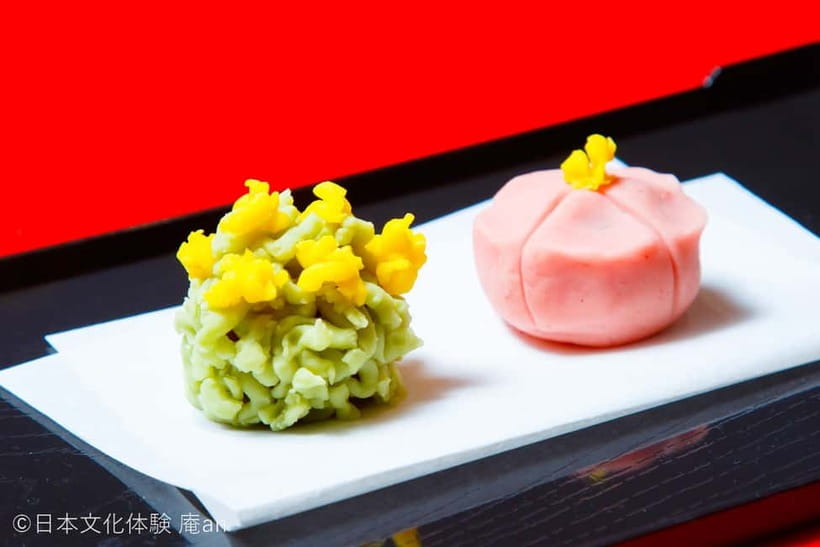
The class includes two different nerikiri designs. The first is a flower-shaped nerikiri, which gives you a clear introduction to shaping and arranging the paste. Seasonal flower forms are a natural match for nerikiri, since Japanese sweets often reflect the time of year through color and form.
The second is a kinton nerikiri. Kinton refers to a style with fine strands or textured pieces of bean paste, creating a softer, more detailed appearance. Making two styles gives the session useful variety. You are not repeating one simple shape, and you can compare how the techniques change from one sweet to the next.
The exact seasonal designs can change, so you should not book this expecting one fixed pattern every month. That changing element is part of the appeal. If you visit in a different season, the colors and forms may be adjusted to match it.
The ingredients also matter. The class uses white and red bean paste produced by long-established Kyoto shops. You are not working with an imitation craft material or a generic modeling dough. The paste is intended to be eaten, and the finished sweets are part of the experience, not just souvenirs for a photograph.
What happens during the 65 minutes
The session begins with an explanation of Japanese traditional sweets. This opening matters because nerikiri can look simple from a distance. Once you begin shaping it, you quickly see that small changes in pressure and form affect the final design.
Next comes the flower-shaped sweet. The instructor explains the process, and you follow along with the paste provided. Since the activity is conducted in Japanese, pay attention to the demonstration and ask for English help when you need it. One useful point from the available feedback is that the instructor had enough English to guide an English-speaking participant through the process and took time to explain.
After the flower shape, you move on to the kinton nerikiri. This second piece gives you another chance to work with the ingredients and produces a different visual result. The session is not described as a formal pastry course, so expect practical guidance rather than a long technical lecture.
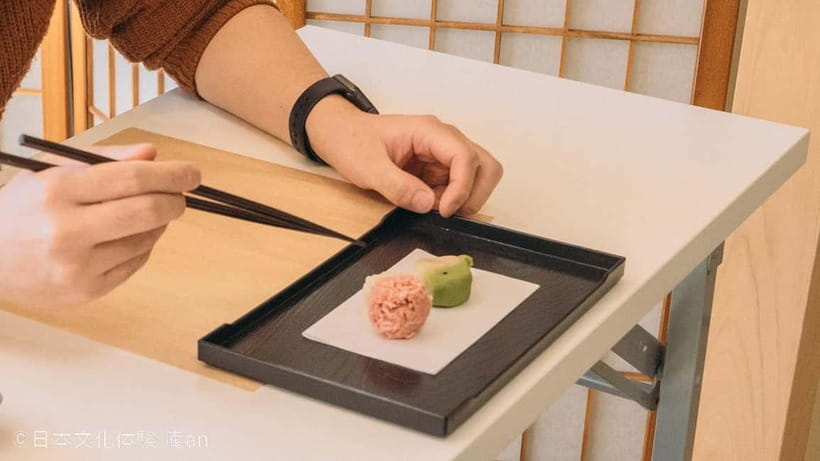
At about 55 minutes, there is picture time. This is your chance to photograph both sweets before eating them. It is worth taking pictures at this stage, since the shapes are the clearest and most presentable before the tasting begins.
Eating time follows, and the full visit finishes at about 65 minutes. You can eat the sweets on the spot. If you want to carry them away, a take-out box costs an additional 100 yen. An experience completion certificate is also available for 300 yen, but neither extra is required for the main activity.
The Kyoto connection in a short Osaka class
This experience takes place in Osaka, but the bean paste comes from long-established Kyoto shops. That detail gives the class a useful link to the wider Kansai food culture without requiring you to make a separate trip to Kyoto.
For you, the practical benefit is that the ingredients carry some regional context while the class stays easy to reach from Osaka’s central districts. You get a small taste of Kyoto confectionery traditions in a venue close to several Osaka rail stations.
Nerikiri is also tied to presentation. The finished sweets are meant to look carefully made, not merely taste sweet. Placing your two pieces on a plate for the picture time helps you see the difference between a prepared snack and a handmade seasonal confection.
Do not expect perfection on your first attempt. The point is to notice how the shape changes as you work with it. A slightly uneven flower can still be a good souvenir in your camera roll, and the taste does not depend on making a flawless design.
Same city, a completely different kind of afternoon:
- Osaka Go Karting Tour with Funny Costume
★ 5.0 · 2,658 reviews - Osaka Castle: Museum and Tower Entry Ticket
★ 4.5 · 2,380 reviews - Osaka: Shinsekai Food Tour with 13-15 Dishes at 5 Eateries
★ 4.8 · 2,204 reviews - Osaka Food Tour: 13 Dishes at 5 Local Eateries
★ 5.0 · 2,149 reviews
Location near Higobashi Station
The meeting point is particularly convenient if you are staying or sightseeing around central Osaka. It is one minute on foot from Exit 10 of Higobashi Station on the Osaka Metro Yotsubashi Line.
You can also reach it from several other stations:
- Five minutes from Exit 7 of Watanabebashi Station on the Keihan Nakanoshima Line
- Seven minutes from Exit 10 of Yodoyabashi Station on the Osaka Metro and Keihan lines
- Ten minutes from Exit 11-5 of Kitashinchi Station on the JR Tozai Line
- Fifteen minutes from the South Central Gate of Osaka Station
That range of options makes this easier to fit into an Osaka sightseeing day. Check the exit number before leaving the station. Osaka stations can have several exits spread over a wide area, and choosing the wrong one can add unnecessary walking.
If you arrive by car, use a nearby coin-operated parking lot. Parking is not included, and no dedicated parking arrangement is provided.
The building has no elevator. You need to use stairs to reach the venue, so this is an important point if stairs are difficult for you or anyone in your group. The activity is not suitable for someone who cannot manage the stairs to the room.
Language and the pace of instruction
The instructor language is Japanese. English translation is provided as much as possible, but it is not presented as a fully English-led class. Contact the provider before the activity if you would like English support added.
That language note should not put off every English-speaking visitor. The steps are hands-on, and the instructor demonstrates the work directly. One English-language participant specifically found the instructor’s English sufficient and appreciated the time taken to explain. Another enjoyable detail from that visit was casual football conversation, which suggests the session can have a friendly, personal tone beyond the formal instructions.
Still, you should set reasonable expectations. If you want a detailed explanation of Japanese sweets, ingredients, and technique entirely in English, this may feel limited. If you are happy to watch, copy the steps, and ask for help when needed, the format should be manageable.
It is best to arrive early rather than at the exact start time. The activity cannot be held for late arrivals, regardless of the reason. Since the program is only 65 minutes, a delayed start would affect the other participants and leave you with less time to make both sweets.
Who will get the most from this experience
I would recommend this to anyone looking for a short cultural activity with a clear result. You make something, photograph it, and eat it within one visit. That sense of completion is satisfying, especially if you are fitting the class between larger Osaka attractions.
It suits solo visitors as well as groups. The low price also makes it easy to add without reshaping your whole travel budget. Couples can compare their finished designs, and families can enjoy the visual side of the activity, though very young children may need close help with the shaping process.
Children under two who sit on a parent’s lap are free. Other participants need their own reservation. The activity may also appeal to anyone who prefers food experiences that are quieter and more focused than a busy market visit.
You should think twice if your main goal is a substantial meal or an advanced pastry lesson. The class provides two small traditional sweets, not a full lunch or a professional certification. The completion certificate costs extra and is optional.
Timing, cancellation, and small extras
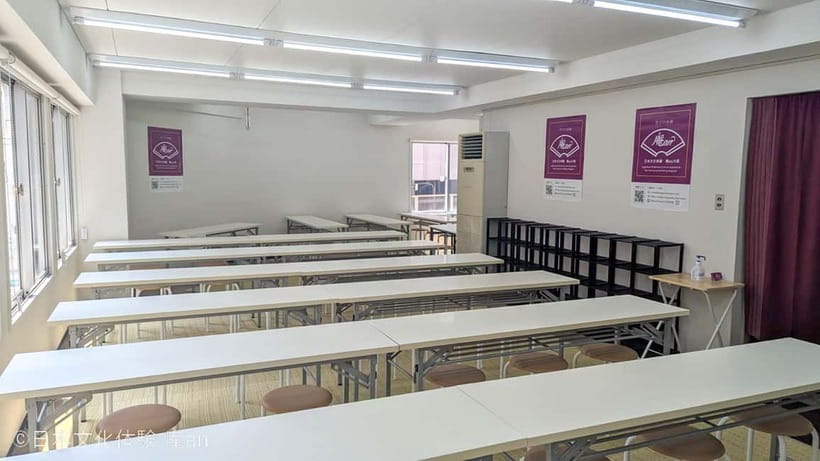
The operating hours are from 10:00 to 17:00. Reservations received after 17:00 are processed the next day, so do not expect an immediate response to a late evening booking request.
You can cancel up to 24 hours in advance for a full refund. After the cancellation deadline, a fee applies. If you change the date or time after a cancellation fee has been incurred, a specified fee may also apply.
Keep your route simple on the day. If you cancel or miss the activity, travel costs to the venue are not reimbursed. The provider also cannot hold the event for delays, and people who are not taking part cannot enter the experience area.
The base price includes the nerikiri-making set. Bring a phone or camera for the picture time, and decide in advance if you want the 100-yen take-out box. The box is useful only if you want to carry the sweets away rather than eat them there.
Is the $11 price good value?
Yes, if you value participation more than quantity. For $11, you get a 65-minute guided activity, two seasonal sweets, and the chance to eat what you make. That is a reasonable price for a central Osaka experience, especially since the session uses bean paste from established Kyoto confectionery shops.
The value is lower if you are expecting a long lesson or a wide selection of sweets. You make two pieces, not a full assortment. The class is best understood as a small cultural workshop, not a dessert buffet.
The optional extras do not change that calculation much. A take-out box costs 100 yen, while a completion certificate costs 300 yen. You can skip both and still receive the full core experience.
Should you book this nerikiri class?
Book it if you want a compact, affordable activity that connects Japanese food, seasonal design, and hands-on making. The central location, short duration, Kyoto-sourced bean paste, and included tasting make it an easy addition to an Osaka itinerary.
I would be more cautious if you need full English instruction, cannot use stairs, or are likely to arrive late. Contact the provider about English support before booking, allow extra time for the journey, and treat the class as a creative introduction rather than a formal confectionery course.
For most visitors who want to make something distinctly Japanese without spending half a day or a lot of money, this is a sensible pick. You leave with two edible creations, a few photographs, and a better feel for the care behind traditional seasonal sweets.
FAQ
Where is the nerikiri-making experience held?
It is in central Osaka, one minute on foot from Exit 10 of Higobashi Station on the Osaka Metro Yotsubashi Line. It is also five minutes from Watanabebashi Station, seven minutes from Yodoyabashi Station, ten minutes from Kitashinchi Station, and fifteen minutes from Osaka Station.
How long does the activity last?
The full experience lasts about 65 minutes. Making and picture time finish at about 55 minutes, followed by eating time before departure.
What sweets will I make?
You will make two seasonal nerikiri sweets: a flower-shaped nerikiri and a kinton nerikiri. The exact seasonal designs may vary.
Is English instruction available?
The instructor language is Japanese. English translation is provided as much as possible, and you should contact the provider if you would like English support.
Can I take the sweets away?
Yes. You can buy a sweets take-out box for an additional 100 yen. Eating the sweets on the spot is included in the experience.
Can I cancel for a refund?
You can cancel up to 24 hours in advance for a full refund. Cancellation fees apply after that deadline, and the provider cannot reimburse travel expenses to the venue.
Just added in Osaka
- Urban Canvas: Osaka Street Art Bike Tour★ 5.0 · 10 reviews
- Anime Cosplay Photshoot-50 Digital Photos Provided★ 5.0 · 8 reviews
- TeamLab Botanical Garden Osaka Ticket★ 3.5 · 6 reviews
- Umeda Sky Building & Kuchu Teien Observatory Ticket in Osaka★ 4.5 · 3 reviews
- Immerse in Judo Martial Arts Class from Japan★ 5.0 · 4 reviews
- Cherry Blossom Buddha and Mt.Yoshino with Strawberry Picking Tour★ 4.5 · 5 reviews
- Traditional Home cooking Experience in Osaka, Japan★ 5.0 · 14 reviews
- Traditional Calligraphy Experience near Dotonbori★ 5.0 · 3 reviews
Osaka Wagashi Sweets Workshops, compared.

Matcha Making Class in Osaka with Authentic Japanese Sweets Set
Read our review →
Japanese Traditional Sweets Making and Tea Ceremony
Read our review →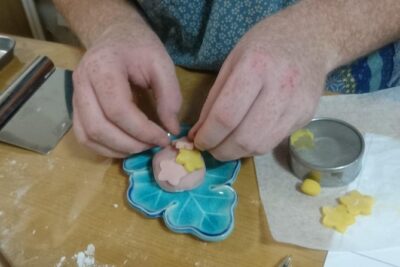
Browse the lists this tour appears in