
Reviewed · DOTONBORI TOURS
Osaka Local Foodie Walking Tour in Dotonbori and Shinsekai
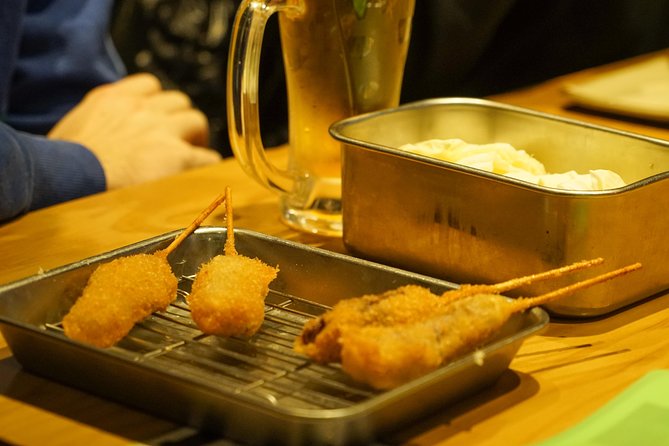
Osaka’s food culture makes the most sense on foot, and this tour links two of the city’s best-known eating districts in one evening. You start beneath Tsutenkaku in Shinsekai, sample six kushikatsu skewers, then work toward Dotonbori for okonomiyaki, takoyaki, and drinks.
I like the small group, capped at seven, and the mix of food with local sights such as Hozenji Temple, Jan-Jan Yokocho, and Dōgu-ya-suji. Guides including Aika, Yuma, Michiko, and Justin have earned especially warm praise for explaining local customs and helping with photos or subway directions. The catch is that the tour can feel more like a city walk with substantial snacks than a serious food crawl, and a few people found the pace or food variety disappointing.
Key points to know before booking
- Three Osaka classics included: six kushikatsu skewers, one serving of okonomiyaki, and a box of takoyaki.
- Small group size: the maximum is seven people, though a group of six may sometimes operate as a private tour.
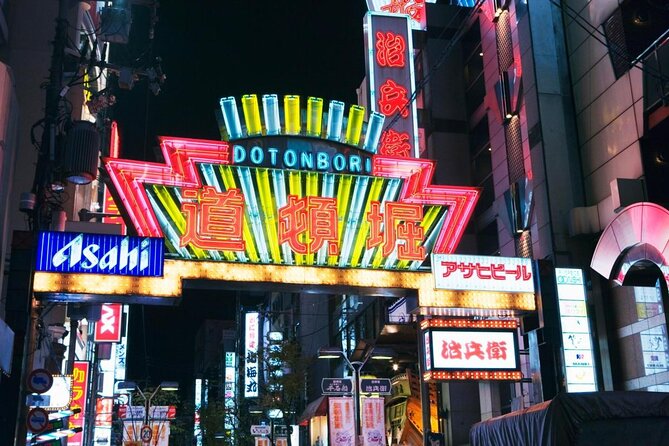
- Two very different neighborhoods: Shinsekai feels old-fashioned and local, while Dotonbori is Osaka’s famous neon food district.
- Three drinks are included: alcohol and nonalcoholic choices are available.
- Vegetarian planning matters: request the vegetarian option by the day before, and mention if pork-broth dashi is a problem.
- Allow for a brisk walk: one person found it hard to keep up, while another found the tour too slow.
What this Osaka food walk is really like
At $111.42 per person, this is not a bargain meal. You are paying for the guide, the route, three drinks, several prepared dishes, and the ease of having someone lead you through crowded central Osaka.
That price makes the most sense if you want context along with dinner. A good guide can explain why Osaka calls itself Japan’s kitchen, how kushikatsu fits Shinsekai, and what makes Osaka-style okonomiyaki different from the version you may find elsewhere. It also helps to have someone manage the route between two busy districts.
If your main goal is to eat at as many small stalls as possible, you may find the value weaker. Some sessions have centered on two main food venues, with the dishes served as fairly complete portions rather than many tiny samples. Several people liked the food, but a few wanted more stops and greater variety.
The experience lasts about three hours, with walking spread between food stops, shopping streets, a temple, and photo points. The route is more about getting your bearings in southern Osaka than about formal sightseeing. You will not spend long inside major attractions, and the Tsutenkaku Tower visit is an exterior area stop rather than a tower admission experience.
More Shinsekai and Tsutenkaku tours:
- Osaka: Shinsekai Food Tour with 13-15 Dishes at 5 Eateries
★ 4.8 · 2,204 reviews - Osaka: Tsutenkaku Tower Entry Ticket
★ 3.8 · 125 reviews - Osaka: Local Foodie Tour in Dotonbori and Shinsekai
★ 4.7 · 95 reviews
Starting beneath Tsutenkaku in Shinsekai
The meeting point is the FamilyMart near Sanno 1-chome in Nishinari Ward. Check the location carefully before setting out. One person found the starting point hard to reach, so I would not leave this until the last minute.
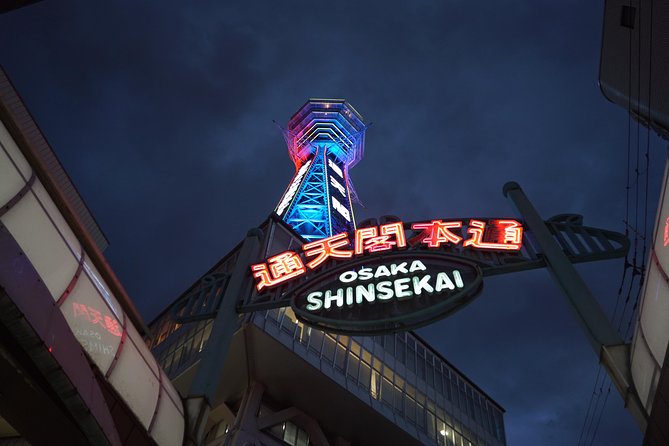
From there, the group moves through Jan-Jan Yokocho beneath the watchful presence of Tsutenkaku Tower. Shinsekai has a very different feel from the polished shopping zones around Osaka Station. Its narrow lanes, older storefronts, signs, and food shops reflect a more rough-edged side of the city.
This is where you try kushikatsu, deep-fried meat and vegetables on skewers. The included serving is six pieces, with a drink. Kushikatsu is strongly tied to Shinsekai, so this first meal has a useful sense of place. You are not simply eating fried food in a random restaurant. You are eating a local specialty in the district most associated with it.
Still, keep your expectations in check. The menu leans heavily toward fried food, and the tour is not designed as a refined tasting menu. If you prefer vegetables, seafood, or lighter cooking, ask about the vegetarian option in advance and explain any restrictions clearly.
The vegetarian warning is important. The dashi used at the kushikatsu restaurant contains pork broth, even for vegetarian skewers. If you cannot eat dashi, the operator says it can prepare other vegetarian dishes if told ahead of time. Same-day requests may not be possible.
Jan-Jan Yokocho and the old Shinsekai
After eating, the walk continues through Shinsekai Market, past Tsutenkaku Tower, and toward the Billiken statue. Jan-Jan Yokocho is presented as a museum-like lane, with a look that recalls Osaka from more than 80 years ago.
The appeal here is visual and local rather than grand. You get a short lesson in the neighborhood’s older character while moving between food and shopping stops. Guides such as Yuma, Aika, and Naru have been praised for adding explanations about daily life, food customs, and Osaka’s past.
The quality of that explanation can depend on the guide. Many sessions have featured lively, friendly hosts who answered questions and offered tips for the rest of your stay. A few people felt the guiding was too quiet between restaurants, with information offered mainly when they asked. If you want a history-heavy walk, make that clear at the start and ask questions as you go.
The walking speed also deserves attention. One person said the guide moved too fast, while another found the walk too slow and wished the group had sat down to eat sooner. This may depend on the guide, group, heat, and evening crowds. Wear comfortable shoes and tell the guide if you need a slower pace.
Dōgu-ya-suji, Osaka’s kitchenware street
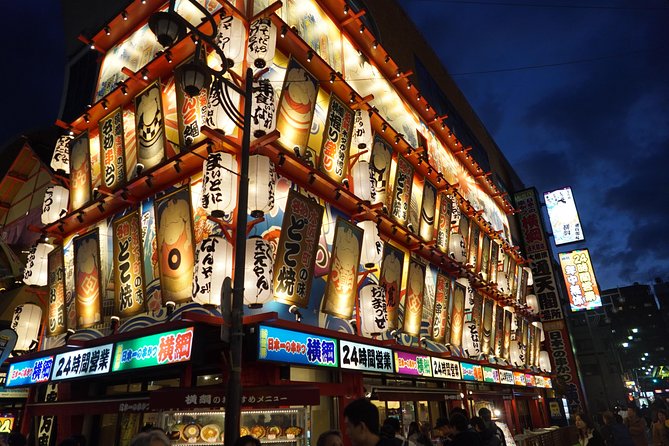
The route then heads toward Dōgu-ya-suji, also called Sennichimae Doguyasuji Shopping Street. This is a useful stop because it connects Osaka’s food culture to the tools behind it. Shops here sell cooking goods, restaurant supplies, and souvenirs, including the Hōchō-ya knife shop.
The exact order varies by time of day. Day tours may include souvenir shopping along Dōgu-ya-suji, while evening tours include an explanation near Namba Grand Kagetsu followed by shopping nearby. This is not a long shopping session, but it gives you a chance to browse before the next food stop.
I like this part for practical reasons. If you want a food-related souvenir, the street offers more than the usual magnets and packaged sweets. You can also see how seriously Osaka treats cooking as part of everyday life.
Do not count on a private shopping consultation, though. The tour has a fixed route and a limited time window. If you find something you want to buy, keep an eye on the clock so you do not hold up the group.
More Dotonbori walks and food stops:
- Osaka: Dotonbori District River Cruise with Drink Discount
★ 4.2 · 876 reviews - Ultimate Osaka Walking Tour: Castle, Dotonbori & Hidden Gems
★ 5.0 · 862 reviews - Tea Ceremony Experience in Osaka Doutonbori
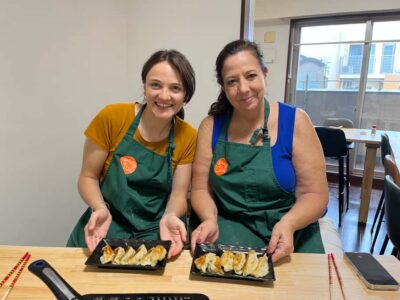
★ 5.0 · 754 reviews - Osaka: Ramen and Gyoza Cooking Class in Dotonbori
★ 5.0 · 378 reviews
Hozenji Temple and the quiet side of Dotonbori
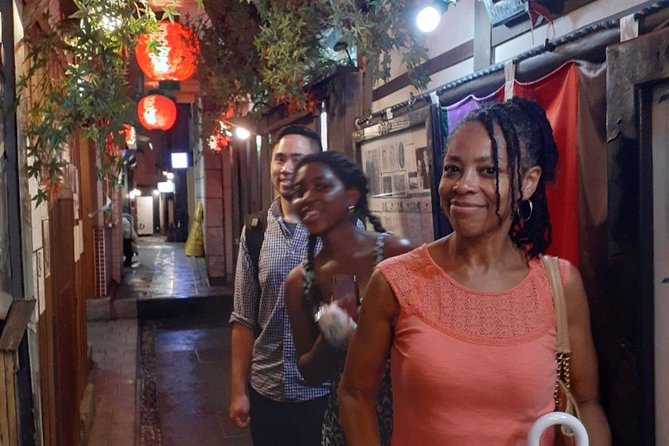
Hozenji Temple is a welcome change from the food streets. The small temple sits near the center of Dotonbori but feels tucked away from the main flow of signs and crowds. The route includes Hozenji and nearby Ukiyo-koji, a narrow alley with an older atmosphere.
The temple visit is brief, about 25 minutes including the surrounding walk and snack time. It is more of a pause and photo stop than a full temple tour. If you join at night, lighting can affect what you see. One person found the temple visit less satisfying because it was dark.
This is also where the tour may include takoyaki, sweets, and other small bites before the final photo stop. The supplied food plan lists one box of takoyaki, though one session did not include it. That inconsistency is worth knowing if takoyaki is the dish you most want to try.
Takoyaki is Osaka’s round batter snack, cooked around a piece of octopus and finished with toppings. It is hot, soft, and easy to burn your mouth on, so take the first bite slowly. The included box can be filling, especially after kushikatsu and okonomiyaki.
Dotonbori and the Glico sign
The famous Glico sign is the tour’s most recognizable photo point. The guide takes pictures in front of the running athlete sign, and several guides have been praised for helping with photos throughout the walk.
Dotonbori is not a quiet neighborhood. The canal, signs, shops, restaurants, and crowds create a loud, high-energy finish. This is Osaka’s postcard side, and it makes a strong contrast with the older lanes of Shinsekai.
The tour ends at the Glico sign, in the heart of Dotonbori. That is convenient if you want to continue eating or shopping afterward, but it also means the guide may not accompany you back to your hotel. Justin received special praise for helping one group navigate the subway after the tour, but this is best viewed as personal extra help, not a guaranteed part of the schedule.
Okonomiyaki, the main sit-down meal
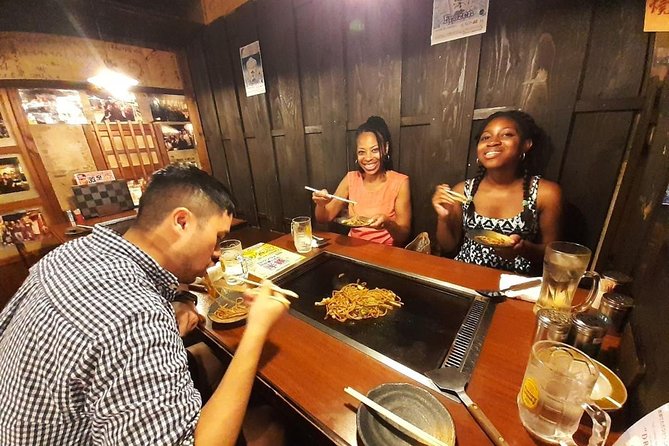
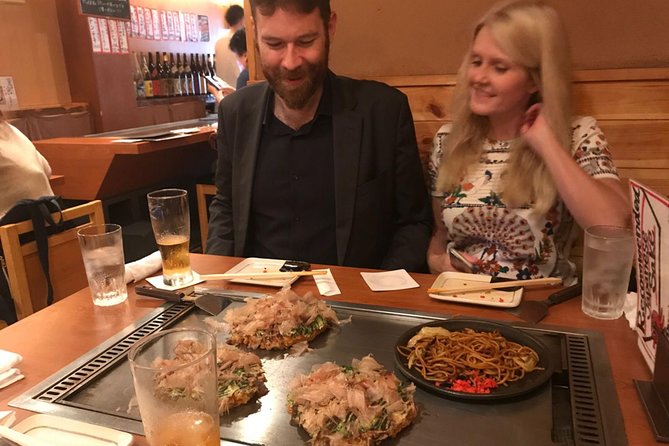
The final substantial food is one piece of Osaka-style okonomiyaki, often described as a savory pancake. The name combines okonomi, meaning as you like, with yaki, meaning grilled. The dish is made with batter and toppings, then cooked on a hot plate.
Some sessions let you grill your own okonomiyaki, which adds a fun hands-on element. Aika was especially praised for making this part enjoyable, and one person found the dish at this stop better than another okonomiyaki they had tried earlier in Osaka.
The portion is one serving, not a broad tasting of several regional styles. After the kushikatsu and takoyaki, you may already be full. One person wanted to reach a table earlier, while another found the takoyaki arrived too late to enjoy properly because the group had already eaten so much.
The food order can shape your experience. If you arrive hungry, the early walking and sightseeing may test your patience. If you eat lightly before the tour, you will have more room for the full menu. The tour includes three drinks, with alcoholic and nonalcoholic options, which helps justify some of the price for people who would otherwise buy drinks separately.
The guides make the biggest difference
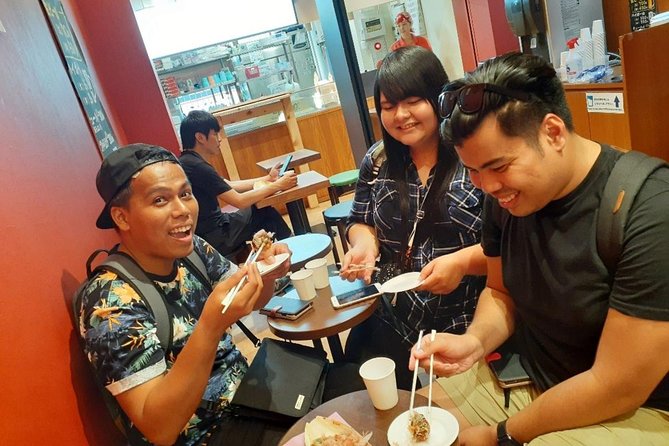
The guide is the main reason to book this rather than follow the same neighborhoods on your own. Aika has been praised for Osaka history, food advice, restaurant suggestions, and sending photos after the walk. Yuma is often singled out for clear English, good energy, food explanations, and friendly help. Michiko has received praise for linking restaurants and local customs to daily life.
Justin has helped people through the crowded night streets and even offered subway directions afterward. Kent has been appreciated for a relaxed manner and local food knowledge. Other names associated with strong sessions include Emi and Naru.
That said, the guiding is not perfectly consistent. Some people found the hosts warm and informative but wanted more explanation while walking. One person felt a newer guide had only basic information about the food and sites. You can improve the experience by asking direct questions about ingredients, local habits, and the neighborhoods as you walk.
The group limit of seven is a real plus. It allows more room for questions than a large bus-style tour, and a group of six may sometimes become a private experience. The trade-off is that a small group does not guarantee a food expert or a fixed level of commentary.
Who will get the most from this tour
I would recommend it to a first-time visitor who wants an easy introduction to southern Osaka. You get two famous neighborhoods, three signature foods, a temple, a shopping street, and a clear ending point in Dotonbori.
It also suits repeat visitors who have seen Osaka’s major sights but want a guided food walk. The route can fill in the details around familiar places and point you toward snacks and restaurants for later.
It is less suited to a serious food hobbyist seeking obscure restaurants, many tiny tastings, or careful comparisons between cooking styles. The menu is generous but fried and filling, and several food stops may be concentrated in only two main venues.
I would also think twice if you need gluten-free or vegan food. Those diets cannot be accommodated. Vegetarians may join only with advance arrangements, and dashi ingredients must be discussed before the tour.
Summer requires care. Osaka temperatures can reach 40°C, while winter lows can fall to -5°C. You will be outside and walking, so dress for the forecast and bring water in hot weather.
Booking advice and final verdict
The tour has a 4.8 rating from 985 reviews and is recommended by 96 percent of its customers, which matches the broad pattern: guides are usually the strongest part, and the food is generally enjoyed even when the format divides opinion.
Book it if you want a friendly introduction, a small group, Osaka’s most famous local dishes, and a guide to help you make sense of Shinsekai and Dotonbori. The included food and drinks make the price easier to accept if you value conversation, photos, and route planning.
Skip it if you want a hard-core food crawl with many small vendors and unusual dishes. You can eat a good amount here, but the experience is also a neighborhood walk, and the food quality, pacing, and amount of explanation can vary by guide and group.
Free cancellation is available up to 24 hours before the start time. Arrive early because late arrivals cannot join, reschedule, or receive a refund. That small rule matters when the meeting point is unfamiliar and Osaka’s transport system is busy.
FAQ
How long does the Osaka food tour last?
The tour lasts approximately three hours.
What food is included?
The included menu lists six kushikatsu skewers, one piece or serving of okonomiyaki, and one box of takoyaki.
Are drinks included?
Yes. Three drinks are included, with both alcoholic and nonalcoholic options available.
How large is the group?
The maximum group size is seven people.
Where does the tour start and finish?
The tour starts at the FamilyMart near Sanno 1-chome in Nishinari Ward and ends at the Glico Sign in Dotonbori.
Is transportation included?
Transportation is not included. The additional transportation fee listed for the experience is 190 yen.
Can people with dietary restrictions join?
Gluten-free and vegan diets cannot be accommodated. Vegetarian options require a request by the day before, and you should mention allergies or dashi restrictions in advance. Allergy-free meals cannot be guaranteed.
Are children and older people allowed to join?
All ages are welcome, and most people can participate. The tour includes walking, so prepare for the weather and tell the guide if you need a different pace.
What happens if I need to cancel?
You can receive a full refund if you cancel at least 24 hours before the local start time. Cancellations or changes made less than 24 hours before the start are not accepted.
More Walking Tours in Osaka
- Osaka: Deep Backstreets Walking Tour with Dinner Option
★ 4.9 · 902 reviews - Osaka: Main Sights and Hidden Spots Guided Walking Tour
★ 4.9 · 702 reviews - Private Osaka Walking Tour: Highlights & Hidden Gems
★ 5.0 · 569 reviews - Osaka Castle Walking Tour and Castle Tower Admission
★ 5.0 · 561 reviews
More Street Food Tours in Osaka
- Osaka Food Tour: 13 Dishes at 5 Local Eateries
★ 5.0 · 2,149 reviews - Hungry Osaka Street Food Tour:15 Tastings & 3 Drinks with a Local
★ 5.0 · 1,727 reviews - Hungry Osaka Street Food Tour: 15 Dishes & 3 Drinks
★ 4.9 · 694 reviews - Osaka: Guided Food Tour with 12 Dishes at 4 Local Eateries
★ 5.0 · 533 reviews
Just added in Osaka
- Urban Canvas: Osaka Street Art Bike Tour★ 5.0 · 10 reviews
- Anime Cosplay Photshoot-50 Digital Photos Provided★ 5.0 · 8 reviews
- TeamLab Botanical Garden Osaka Ticket★ 3.5 · 6 reviews
- Umeda Sky Building & Kuchu Teien Observatory Ticket in Osaka★ 4.5 · 3 reviews
- Immerse in Judo Martial Arts Class from Japan★ 5.0 · 4 reviews
- Cherry Blossom Buddha and Mt.Yoshino with Strawberry Picking Tour★ 4.5 · 5 reviews
- Traditional Home cooking Experience in Osaka, Japan★ 5.0 · 14 reviews
- Traditional Calligraphy Experience near Dotonbori★ 5.0 · 3 reviews
Dotonbori Tours, compared.
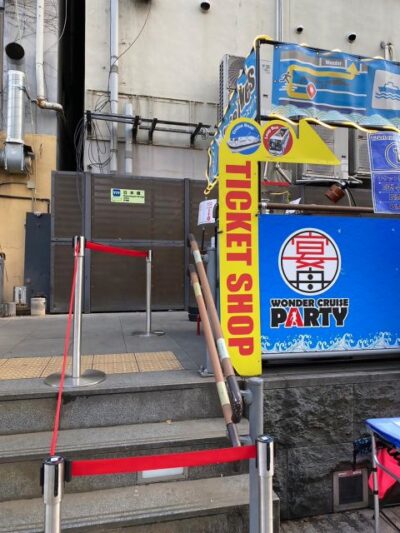
Dotonbori District River Cruise with Drink Discount
Read our review →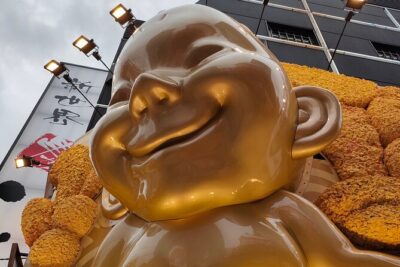
Ultimate Osaka Walking Tour: Castle, Dotonbori & Hidden Gems
Read our review →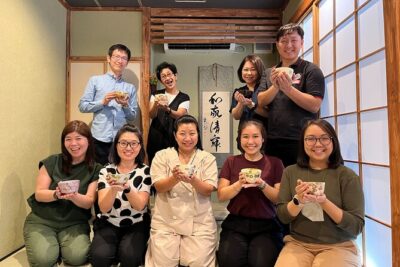
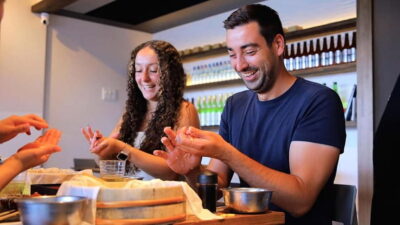
Roll and Authentic Sushi Making Class in Dotonbori
Read our review →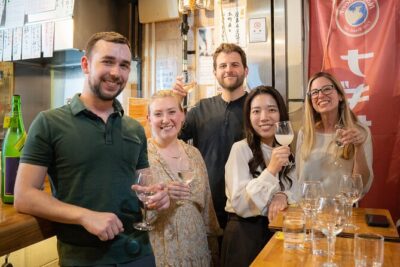
Osaka Local Bar Crawl in Dotombori & Uranamba Area
Read our review →
Browse the lists this tour appears in