
Reviewed · KYOTO DAY TRIPS FROM OSAKA
3 Days Private Osaka Kyoto and Nara Tour With English Driver
Osaka’s street food, Nara’s free-roaming deer, and Kyoto’s famous temples all fit into one private trip. That is the appeal here: one vehicle and one driver carry you between three major Japanese cities, with room to adjust the plan as you go. You get Osaka’s city energy, Nara’s slower temple grounds, and Kyoto’s classic sights without changing hotels or figuring out every train connection.
I like the custom itinerary, which lets you favor shopping, temples, gardens, or food. I also like the private format for families and small groups, especially with up to five people sharing the $1,646.41 vehicle cost. The main caution is time: the suggested schedule contains far more stops than most people can enjoy fully in three days, and entrance fees, meals, and lodging are extra.
Key points to know before booking
- Private vehicle for up to five people: You avoid sharing transport and can move between Osaka, Nara, and Kyoto with your own group.
- A very full three-day plan: The schedule lists eight Osaka stops, nine Nara stops, and nine Kyoto stops, so you will need to choose priorities.
- English-speaking driver included: Guide Vicky is specifically praised for patience and for bringing beverages during a hot summer day.
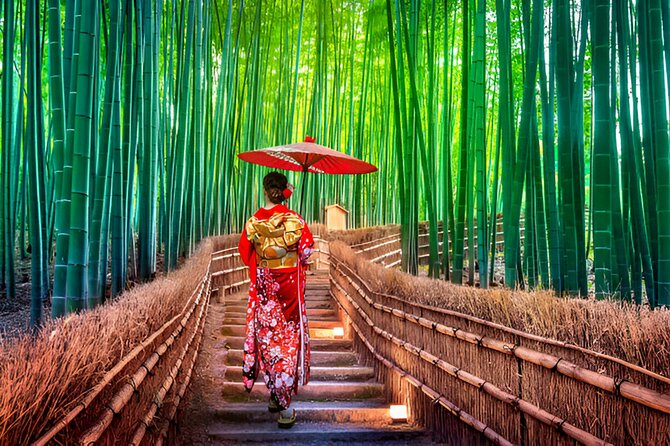
- Major Kyoto sights in one day: Arashiyama, Kinkaku-ji, Fushimi Inari, Kiyomizu-dera, Gion, and more are all proposed.
- Most entrance fees are separate: Add temple, museum, garden, and hot spring charges to the headline price.
- Free cancellation up to 24 hours ahead: Changes or cancellations inside the final 24 hours are not accepted for a refund.
What this three-day Osaka, Nara, and Kyoto plan really offers
This is best understood as a private driving framework, not a slow-paced guided tour. The driver handles pickup, drop-off, and transport while you decide how much time to spend at each place. A formal guide is not included, so you should not expect long historical explanations at every temple.
The price is $1,646.41 per group of up to five people. Split five ways, that is about $329 per person for the full three days before admissions, food, and accommodation. For two people, the per-person cost is much higher, but you gain privacy and door-to-door transport.
You should also look closely at the wording fully customizable. That is important because the printed plan is ambitious. It suggests eight places in Osaka on day one, nine sites around Nara on day two, and nine Kyoto stops on day three. Even with a private vehicle, traffic, walking, meals, opening hours, and temple visits will force choices.
I would use the schedule as a menu. Pick three or four main stops each day, then add a nearby short visit if time allows. That approach gives you a better chance to enjoy the places rather than collecting hurried photographs.
More Nara day trips from Osaka:
- Ancient Capital Tour: Kyoto and Nara Highlights from Kyoto/Osaka
★ 4.5 · 332 reviews - Kyoto and Nara Day Trip from Osaka
★ 4.0 · 175 reviews - Discover Himeji, Kobe and Nara from Osaka
★ 5.0 · 101 reviews
Day one: Osaka Castle, old shrines, and city views
Osaka Castle is a sensible opening stop. The castle is tied to the city’s late 16th-century history and gives you an immediate sense of Osaka’s scale and importance. The planned visit is 40 minutes, which may be enough for an outside look and a quick visit, but not for a slow museum visit if you also want time around the grounds.
Admission is not included. The listed Osaka Castle fee is ¥601 per person, so budget for that if you enter.
Shinsekai Inari Shrine offers a smaller religious site in a very different setting. Its location in the Shinsekai area lets you see a local shrine amid one of Osaka’s more colorful districts. The planned 45 minutes is generous for a compact shrine stop, but the added admission charge of ¥626 per person should be checked before you commit, since shrine visits are often brief.
Sumiyoshi Shrine gives the day a stronger historical and religious focus. The shrine dates back more than 1,800 years and is free to enter. Forty minutes should work well for a calm walk through the grounds, especially after the louder city areas.
The Sakai City Hall Observatory on the 21st floor is another free stop. From this high viewpoint, you can look across Sakai and the surrounding Osaka area. It is a good choice if you want a break from temple interiors and street-level crowds. The planned 50 minutes includes time for the view and a little breathing room.
Osaka’s food, shopping, and relaxation choices
The Cup Noodles Museum Osaka Ikeda adds something unusual to the day. Instead of another shrine or historic building, you get an interactive look at instant noodles, including the chance to make your own cup noodle. Admission is listed as free, though any optional activity or purchase may need separate confirmation.
This stop suits families and anyone who enjoys food culture. It also gives the day a practical Osaka touch: the city is not only castles and temples, but also invention, convenience food, and playful design.
Solaniwa Onsen Osaka Bay Tower is the most relaxing option on the Osaka schedule. The hot spring facility is designed as a place to rest, but a 45-minute visit may feel short if you want to bathe, change, and enjoy the facility properly. Its listed admission is ¥2,467 per person, not included in the tour price.
Shinsaibashi-suji Shopping Street stretches for about 600 meters and is a natural place to end the city portion of the day. You can browse shops, pick up snacks, and get a feel for Osaka’s commercial center without paying an admission fee. One hour is useful, though serious shoppers will want longer.
Shitennoji, dating to the sixth century, gives you another major Buddhist site. The planned 50 minutes works for a focused visit, but the ¥500 entrance fee is extra. If Osaka Castle and Sumiyoshi Shrine already cover your historical interests, I would consider dropping one of the other stops to give Shitennoji more time.
The day’s plan also points you toward Dotonbori and Osaka nightlife, even though those areas are not listed as timed stops in the detailed schedule. Ask the driver how much time remains for food and evening wandering. Osaka is famous for street food, and rushing through dinner to fit one more viewpoint would be a poor trade.
Day two: Nara’s deer, temples, and quiet gardens
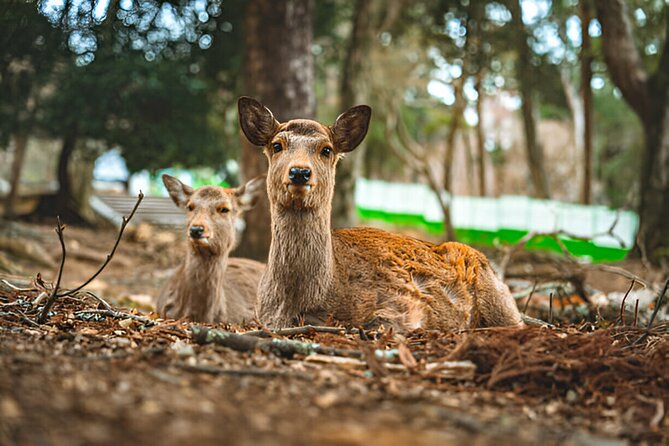
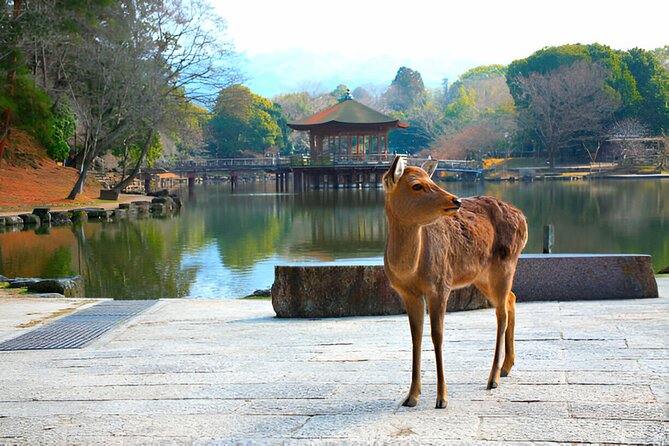
Nara Park is the anchor of the second day. The park covers more than 500 hectares and is known for its resident deer and historic sites. The planned 90 minutes gives you time to walk, see the deer, and reach nearby temples, though the park is large enough that you will not cover every corner.
An admission charge of ¥621 per person is listed for Nara Park. Since the park itself includes open public areas, ask exactly what this fee covers before paying. That small check can prevent confusion at the entrance.
Todai-ji is the essential Nara stop. The eighth-century temple is home to the Great Buddha Hall, one of Japan’s most memorable religious buildings. The suggested 50 minutes is enough for the main hall and a concentrated look, but you may want longer if you enjoy architecture or want time around the grounds.
Todai-ji admission is listed at ¥800 per person. This is one of the extra costs I would consider worthwhile, because it is the central reason many people come to Nara.
Kasuga Taisha Museum adds objects and displays connected with the shrine’s traditions. The planned visit is 50 minutes, with a listed fee of ¥400 per person. This is a good choice for anyone who wants context beyond the outdoor shrine paths, but it may be less important than the shrine itself if your schedule is tight.
Naramachi changes the mood again. Its narrow lanes and traditional wooden machiya houses offer a look at older urban Nara. Entry is free, and 40 minutes gives you time to walk and browse. It is a pleasant place for a snack or a short pause between large temple compounds.
Kofuku-ji is another major Buddhist site, with a planned 40-minute visit and a ¥600 entrance fee. Its age and importance make it a natural part of Nara’s central temple circuit. Still, adding Kofuku-ji, Todai-ji, a museum, and several gardens in one day can make the schedule feel rushed.
More Kyoto day trips from Osaka:
- Full Day Tour of Kyoto with Private Transportation
★ 5.0 · 130 reviews - Kyoto private tour (Shore excursion available from Osaka or Kobe port)
★ 5.0 · 39 reviews - Private Transfer by Sedan from Itami Airport ITM to Kyoto City
★ 4.5 · 31 reviews - Kyoto Full Day Tour from Osaka with Licensed Guide and Vehicle
★ 5.0 · 29 reviews
Nara’s museums and gardens deserve a slower pace
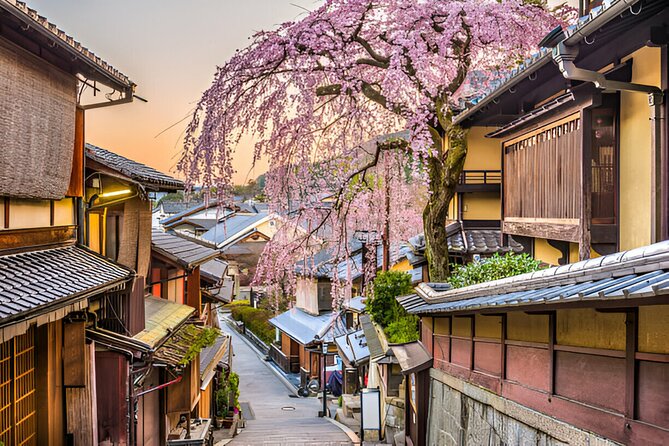
The Nara National Museum is a strong option for art lovers. Established in 1889, it focuses on Japanese artistic heritage and sits within Nara Park. The planned visit is 50 minutes, and admission is listed as ¥700 per person.
I would not combine every museum and garden with all the major temples unless you have a particular interest in Japanese art. Choose the museum if you want indoor time and exhibits. Choose a garden if you want quiet scenery and a slower walk.
Nara Palace Site Historical Park presents the remains of Heijo Palace, the imperial residence during the Nara period from 710 to 794. The site is free and planned for 40 minutes. It is more open and spacious than the central temple area, so it works well if you want a change of pace.
Isuien Garden is one of the strongest choices for a peaceful Nara visit. Its design includes an Edo-period garden and carefully arranged pond, garden, and tea-related spaces. Admission is listed as ¥900 per person. Forty minutes is enough for an overview, but garden lovers may wish to protect this time rather than squeeze it between too many temples.
Yoshikien Garden is also listed under Nara Prefecture, with free admission shown for that stop and a separate Nara Prefecture charge of ¥1,299 per person in the extra-fee list. The supplied pricing is not fully clear, so ask the operator to explain exactly what the ¥1,299 covers before booking or entering.
The best version of day two would probably include Nara Park, Todai-ji, Naramachi, and one museum or garden. That gives you deer, a major temple, old streets, and either art or quiet scenery without turning Nara into a checklist.
Day three: Kyoto’s famous sights, from Arashiyama to Gion
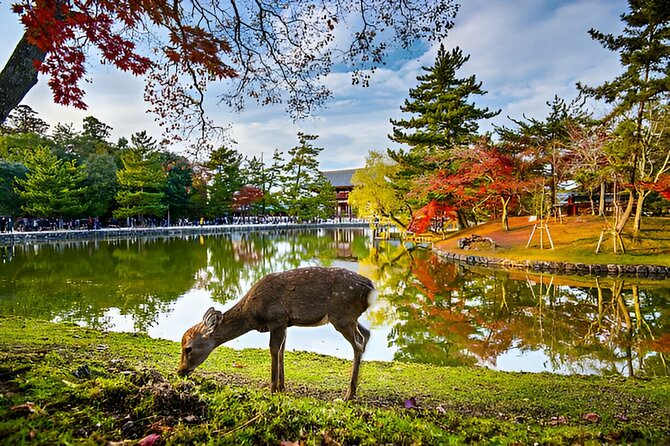
Arashiyama opens the Kyoto day with scenery and traditional charm on the city’s western side. The planned visit is one hour and admission is free. That is enough for a short walk, but not enough to explore every nearby attraction at an easy pace.
Kinkaku-ji, the Golden Pavilion, is one of Kyoto’s most recognizable sights. Its gold-covered exterior reflects in the water, creating a quick but memorable visit. The schedule allows 40 minutes, and admission is listed as ¥500 per person.
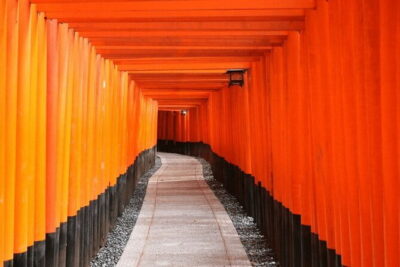
Fushimi Inari-taisha is also free to enter and known for its long rows of red torii gates. Forty minutes lets you see the lower section, but it is not enough for a full mountain walk. If walking through the gates is a top priority, tell the driver you need to protect that time.
Kiyomizu-dera sits on Kyoto’s eastern hills and is one of the city’s major temple visits. The plan allows 40 minutes, with a ¥400 admission fee. The temple is worth including, but the uphill setting and surrounding streets can make the stop take longer than the schedule suggests.
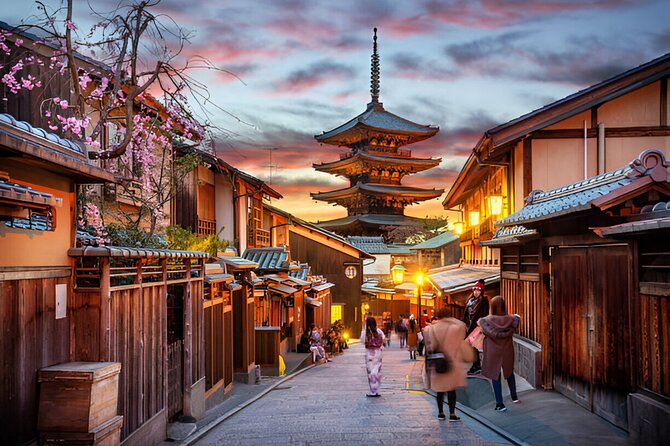
Gion is planned for one hour. Its traditional streets and connection with geisha culture make it one of Kyoto’s most atmospheric areas. The listed entrance fee is ¥3,240 per person, which is unusually high compared with the other sites and should be clarified. Gion is primarily a district, so ask what that fee covers before assuming it is part of a standard walk.
Kyoto’s interiors, markets, and palace grounds
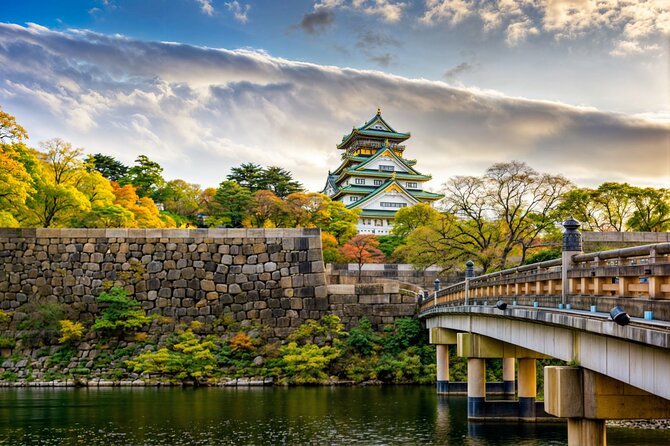
Sanjusangendo Temple offers a very different interior experience. It is known for its collection of 1,000 life-sized Kannon statues, and 40 minutes is a practical amount of time for the main hall. Admission is listed as ¥600 per person.
Ginkaku-ji, the Silver Pavilion, is not actually covered in silver, but its Zen setting and garden are the reason to visit. The planned 40 minutes may feel brief for anyone who enjoys Japanese garden design. Admission is ¥500 per person.
Nishiki Market is the best food-focused stop in the Kyoto plan. One and a half hours gives you time to browse stalls and traditional goods at a more relaxed pace. Admission is free, but you should budget for anything you eat or buy.
The Kyoto Imperial Palace is another free stop. It served as the imperial residence before the capital moved to Tokyo in the late 19th century. Forty minutes works for a quick visit to the grounds, though a longer stay would better suit anyone interested in palace buildings and ceremonial spaces.
Trying to fit all nine Kyoto stops into one day is the biggest weakness of the schedule. Arashiyama is on one side of the city, while Fushimi Inari and Kiyomizu-dera are elsewhere, and each major site involves walking. I would choose Arashiyama, one golden or silver pavilion, Fushimi Inari or Kiyomizu-dera, and either Gion or Nishiki Market.
What the private driver adds
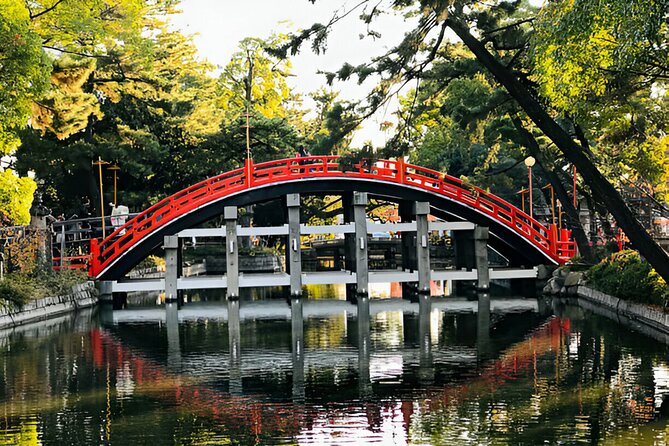
Private transportation is the real product here. You get pickup and drop-off, an English-speaking driver, and a vehicle reserved for your group. That matters when five people have luggage, children, mobility concerns, or different interests.
An English-speaking driver can also make the day easier when you need to adjust the order of stops. The driver is not the same as a dedicated cultural guide, so you should plan to read signs, use an audio guide, or arrange your own temple research if detailed explanations matter to you.
Guide Vicky is specifically described as patient and attentive. During a summer visit, Vicky bought beverages for a couple dealing with the heat. That is a small gesture, but it points to the kind of practical care that can make a long sightseeing day more comfortable.
Japan’s summer heat can make this schedule demanding. Carry water, use the vehicle as a rest point, and do not feel obliged to complete every listed stop. The private format gives you the freedom to cut the least important sight without affecting another group.
Price, extra fees, and who gets the best value
At $1,646.41 for up to five people, the tour can make financial sense for a full group. Five adults divide the base cost reasonably well, especially if you value private transport and do not want to coordinate trains and taxis across three cities.
For one or two people, the price is harder to justify unless door-to-door convenience is a high priority. Public transport could cost less, but it would require more planning and would not provide the same private schedule.
The extra fees can add up quickly. Listed charges include Osaka Castle at ¥601, Shitennoji at ¥500, Todai-ji at ¥800, Kinkaku-ji at ¥500, Ginkaku-ji at ¥500, Kiyomizu-dera at ¥400, Sanjusangendo at ¥600, and Nara National Museum at ¥700 per person. Solaniwa Onsen costs ¥2,467, while Isuien Garden is ¥900.
Meals, accommodation, all taxes, and a separate guide are not included. Before you book, ask for a final estimate based on the places you actually want to enter. That will give you a fairer picture than the base price alone.
Should you book this private Japan tour?
Book it if you want a private three-city overview, have a group of up to five, and value having an English-speaking driver handle the transport. It is especially useful for families, small groups, and people who would rather pay for convenience than manage several long rail journeys.
Do not book it expecting a slow, fully guided cultural tour. The proposed schedule is too packed to complete comfortably as written, and the driver is not a dedicated guide. The smartest approach is to customize it firmly before the first day.
I would choose four Osaka stops, four Nara stops, and four Kyoto stops, then leave room for meals and rest. Confirm pickup details, vehicle capacity, the extra entrance charges, and what the Gion and Nara Prefecture fees cover. If those points are clear, this can be a useful private introduction to three of Japan’s most rewarding destinations.
Free cancellation is available up to 24 hours before the start time. Inside that final 24-hour window, the amount paid is not refunded and changes are not accepted.
FAQ
How long does the tour last?
The tour lasts approximately three days.
How many people can join the private tour?
The price covers a group of up to five people.
Is transportation included?
Yes. Private transportation, pickup, and drop-off are included.
Is an English-speaking driver included?
Yes. An English-speaking driver is included. A separate guide is not included.
Are entrance fees included?
No. Entrance fees, taxes, meals, and accommodation are not included. Several individual admission charges are listed separately for temples, museums, gardens, Osaka Castle, Solaniwa Onsen, and other sites.
Can the itinerary be changed?
Yes. The itinerary is described as fully customizable. This is useful because the suggested schedule includes many stops and may be too full to complete at a relaxed pace.
What is the cancellation policy?
You can cancel up to 24 hours before the experience starts for a full refund. Cancellations or changes made less than 24 hours before the start time are not accepted for a refund.
More Private Car Days in Osaka Prefecture
- Private arrival Transfer from Kansai airport to Osaka city
★ 4.5 · 36 reviews - Private arrival transfer from Osaka Itami International airport to Kyoto City
★ 5.0 · 26 reviews - Private arrival Transfer from Osaka Itami Airport(ITM) to central Osaka city
★ 4.5 · 14 reviews - Osaka Private Tour with English-Speaking Driver
★ 4.5 · 7 reviews
Just added in Osaka Prefecture
- Shared Arrival Transfer: Osaka Itami Airport to Osaka City★ 5.0 · 3 reviews
- Best Private Osaka Walking Tour With A Guide 100% Personalised★ 4.5 · 12 reviews
- Private Transfer Between Kyoto and Kansai Airport KIX★ 5.0 · 3 reviews
- Osaka Sushi Cooking Class★ 5.0 · 3 reviews
- Cup Noodles Museum Guided Tour in Osaka★ 4.5 · 4 reviews
- Private Day Tour in Osaka and Kyoto with charter car★ 5.0 · 3 reviews
- Osaka : Cycling Tour Private Seaside Ride Near Kansai Airport★ 5.0 · 3 reviews
- Kyoto Highlights Private Tour with Pick and Drop★ 4.0 · 5 reviews
Kyoto Day Trips from Osaka, compared.
Hiroshima Miyajima Bus Tour & Shinkansen Ticket
Read our review →
Ancient Capital Tour: Kyoto and Nara Highlights from Kyoto/Osaka
Read our review →
Full Day Tour of Kyoto with Private Transportation
Read our review →
Kyoto & Nara Private customized tour with English speaking Guide
Read our review →Browse the lists this tour appears in