
Reviewed · KYOTO DAY TRIPS FROM OSAKA
Osaka/Kyoto: Hiroshima Miyajima Bus Tour & Shinkansen Ticket
Hiroshima asks for quiet attention. In one long day, you move from the scarred Atomic Bomb Dome and the Peace Memorial Museum to Miyajima’s serene Itsukushima Shrine, with a plate of layered Hiroshima okonomiyaki in between. The contrast is powerful, and the order of the day gives you a gentler finish.
I like the easy transport plan: your round-trip shinkansen tickets are handed to you at the meeting point, then a bus and ferry handle the complicated connections. I also like the guides’ personal touch. Joe, Azusa, Hiro, Kane, and others have been praised for mixing clear history with humor and warmth.
The trade-off is time. The Peace Memorial Museum gets about an hour, and that can feel rushed, especially when the galleries are crowded. Miyajima receives roughly two hours, enough for the shrine, shops, deer, and a short wander, but not enough for a leisurely island visit.
The day in five useful points
- A 12-hour Hiroshima day trip: Leave from Shin-Osaka or Kyoto Station and return by bullet train.
- Two very different places: Hiroshima’s peace sites bring solemn reflection, while Miyajima offers shrine scenery, food stalls, and open walking time.
- Lunch is part of the experience: Try Hiroshima-style okonomiyaki with pork, cabbage, bean sprouts, noodles, eggs, and fish powder, or request one of the listed no-pork options in advance.
- The transport is the real convenience: Shinkansen, air-conditioned bus, and ferry tickets are included, so you do not have to piece together the route yourself.
- Headsets help: Earphone guides let you hear the guide during walking portions, but return them carefully because lost or damaged equipment can cost up to 18,000 yen.
- Expect plenty of walking: This is not suitable for wheelchair users and is a poor fit if long periods on your feet are difficult.
Why this Hiroshima day trip works
At $277 per person, this is not a budget outing. You are paying for a long-distance return shinkansen ticket, local bus transport, the Miyajima ferry, two admission tickets, lunch, and an English-speaking guide. Buying each piece yourself may cost less or more depending on train fares and timing, but it would take more planning and leave you responsible for every connection.
The main value is not simply getting from Osaka or Kyoto to Hiroshima. It is having one person keep the day moving through three transport systems while explaining what you are seeing. The route covers a lot of ground in 12 hours, and a missed bus or ferry could otherwise cost you precious time.
I would choose this tour if Hiroshima is important to you but you have no spare night for an overnight stay. I would not choose it if you want to read every museum panel, hike far into Miyajima, or set your own pace. For that, spend at least one night in the Hiroshima area.
The shared format also matters. This is a group tour, not a private outing. Guides keep the party together, provide instructions, and use headsets during walking sections, but you will still move on a fixed schedule with other people.
More Hiroshima and Miyajima day trips:
- Full Day Hiroshima and Miyajima Tour by Bullet Train from Osaka
★ 4.5 · 117 reviews - Hiroshima & Miyajima 1 Day Bus Tour with Bullet Train Tickets
★ 4.5 · 105 reviews - From Osaka: Hiroshima and Miyajima Day Trip by Bullet Train
★ 4.6 · 83 reviews
Starting at Shin-Osaka or Kyoto Station
The day begins at either Shin-Osaka Station or Kyoto Station, depending on the option you book. Staff provide your round-trip shinkansen tickets and guide you toward the correct train.
The train ride takes about 1.5 hours each way. That is a comfortable start compared with a road transfer, and the return trip gives you a chance to rest after a full day of walking. Keep your ticket safe, listen carefully to the return instructions, and stay near the group when the guide explains the departure plan.
The meeting point can vary by booking option, so check the exact location rather than assuming it is the same at both stations. Hotel pickup and drop-off are not included. You need to reach the station on your own.
A few practical points make the morning easier. Arrive with enough time to find the meeting place, wear shoes suited to pavement and steps, and carry water for the walking portions. The tour can accommodate luggage in the bus luggage compartment, which helps if you are changing hotels that day.
A quick look at Hiroshima Castle
After arriving at Hiroshima Station, you meet the local guide and board the air-conditioned bus. The bus passes Hiroshima Castle on the way toward the peace sites.
This is a drive-by sight rather than a castle visit. It gives you a glimpse of the city’s historic side, but you should not expect time to enter the grounds or explore the building. That distinction is useful when comparing this trip with a slower Hiroshima itinerary.
The bus is an important part of the schedule. Hiroshima’s major sights are not all clustered around one small area, and using a coach cuts down on transfers. It also gives the guide a chance to explain local details while you travel.
Facing the Atomic Bomb Dome
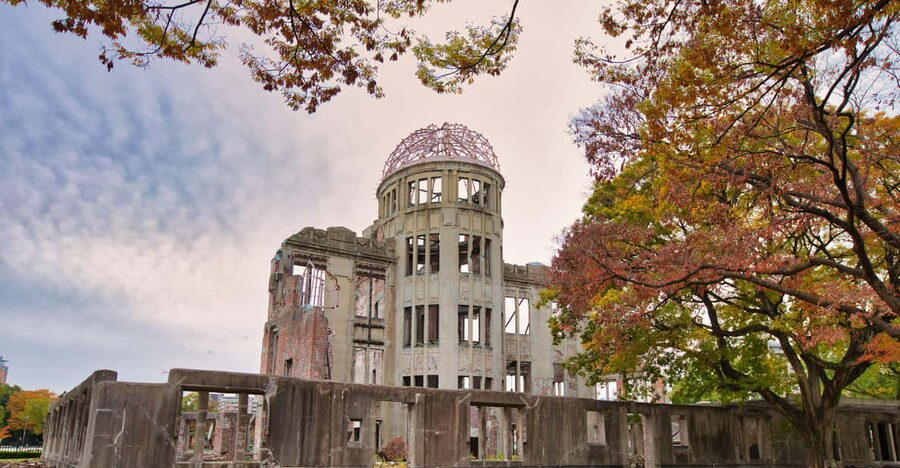
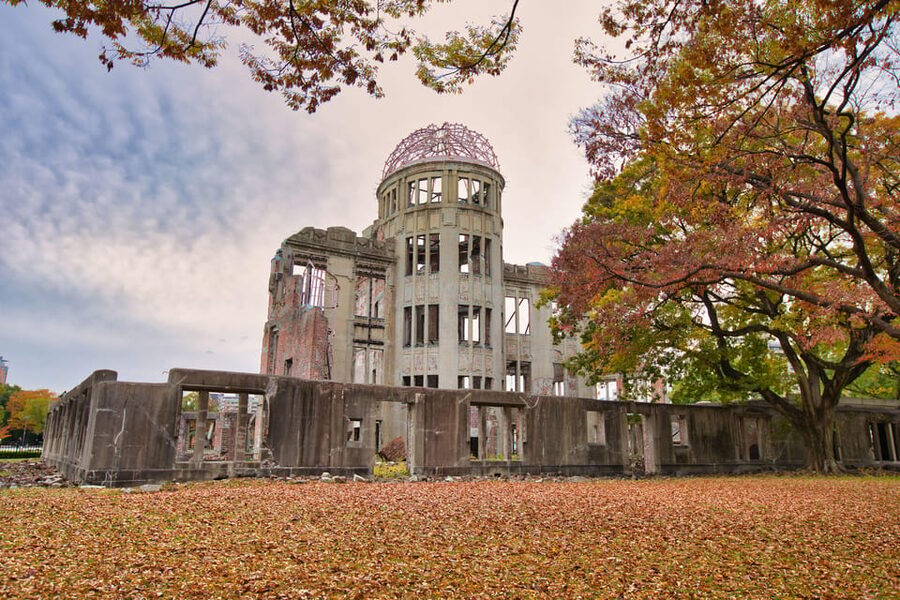
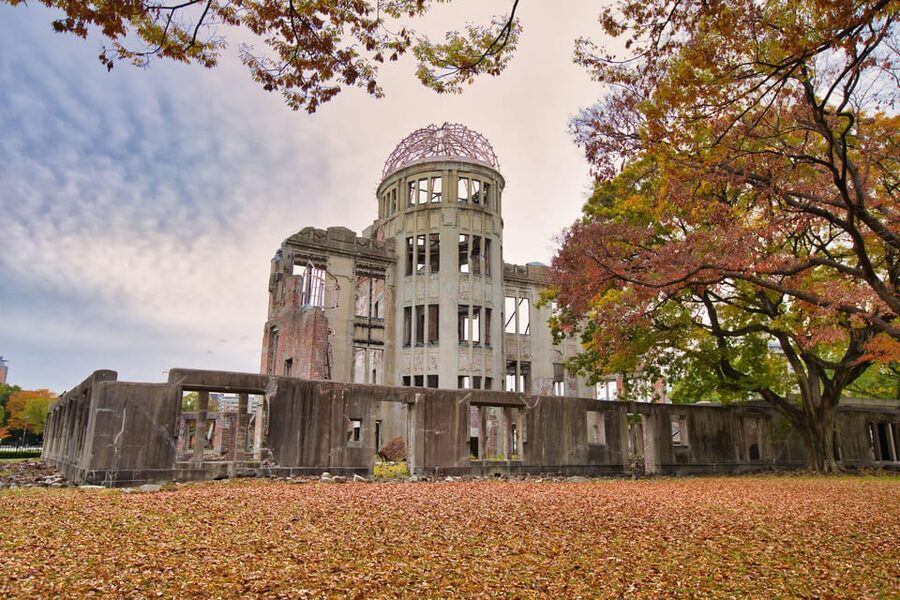
The Atomic Bomb Dome is the emotional center of the first half of the day. Its exposed frame and blown-out windows are difficult to look at casually. The building remains close to the point where the atomic bomb exploded, and its damaged form gives a stark physical shape to an event that can otherwise feel distant on a page.
You spend about 30 minutes at the Dome and in the surrounding Peace Memorial Park. That is enough to see the structure, hear the main explanation, and pause in the open space around it. It is not enough for a slow, private study of every memorial.
Guides such as Hiro, Joe, Azusa, and Kane have been praised for handling this part with care, adding local stories and explaining the history without turning the visit into a dry lecture. The best guides also leave room for silence. The subject deserves both facts and restraint.
The tour’s use of earphones is helpful here. You can stand near the guide and still hear the explanation without needing to crowd around one person. Return the equipment at the end of the day, as the stated replacement charge can reach 18,000 yen.
More Kyoto day trips from Osaka:
- From Kyoto/Osaka: Kyoto Top Highlights 1-Day Guided Bus Tour
★ 4.5 · 714 reviews - Ancient Capital Tour: Kyoto and Nara Highlights from Kyoto/Osaka
★ 4.5 · 332 reviews - Osaka/Kyoto: Amanohashidate & Miyama Tour with Boat & Lunch
★ 4.6 · 207 reviews - Kyoto and Nara Day Trip from Osaka
★ 4.0 · 175 reviews
One hour at the Peace Memorial Museum
The Peace Memorial Museum follows the Dome, giving you a closer look at the human cost of the bombing and its aftermath. The exhibits are serious and, for many people, painful. You should allow yourself time to pause rather than trying to rush through every display.
The planned visit is about one hour. That is the clearest weakness in the schedule. Several recent departures have found the museum crowded, which makes the available time feel even shorter. You may need to move through the exhibits briskly and accept that you will not absorb every panel.
Still, I would not treat the short visit as a reason to skip the tour. The museum adds context that the Dome alone cannot provide. It moves the experience from a single damaged building to the lives affected by nuclear warfare.
If you need a long, careful museum visit, plan a separate Hiroshima stay. If you have one day and want an introduction, this hour gives you a meaningful starting point. On dates when the Peace Memorial Museum is closed, the replacement visit is the Hiroshima National Peace Memorial Hall for the Atomic Bomb Victims. The museum is listed as closed December 30 to 31 and February 16 to 21.
Hiroshima okonomiyaki at lunch
Lunch is Hiroshima-style okonomiyaki, a local specialty built with pork, cabbage, bean sprouts, noodles, eggs, and fish powder. Unlike the Osaka version many people know, the Hiroshima style is associated here with its layered ingredients and noodles, making it a useful food stop rather than a generic group meal.
The meal lasts about 45 minutes. It gives you a chance to sit down after the morning’s walking, but do not expect a long restaurant visit. The food is part of the schedule, so the pace is fixed.
Dietary planning is important. The available choices include regular okonomiyaki, a no-pork version with eggs, and a version without pork, fish powder, or eggs. Tell the operator about allergies or restrictions when booking. Menu changes cannot be made on the day, and the restaurant does not allow you to bring your own food or drinks.
Several guides have helped communicate special requests, and separate preparation has been arranged for allergies. That is encouraging, but you should still give clear information in advance rather than relying on a last-minute conversation.
Ferrying across to Miyajima
After lunch, the coach takes you toward the ferry. The ferry crossing lasts about 10 minutes, a short ride over calm water that creates a welcome change after the intensity of the memorial sites.
Miyajima is known as a historic Shinto site, and the crossing helps mark the shift in mood. You leave the city behind and approach an island associated with sacred scenery, shrines, deer, food stalls, and walking paths.
The ferry is included in the tour, as are the return crossing and the bus connections. This is one of the places where the group format pays off. You do not have to work out which boat, bus, or ticket to use next.
Itsukushima Shrine and the Miyajima hour
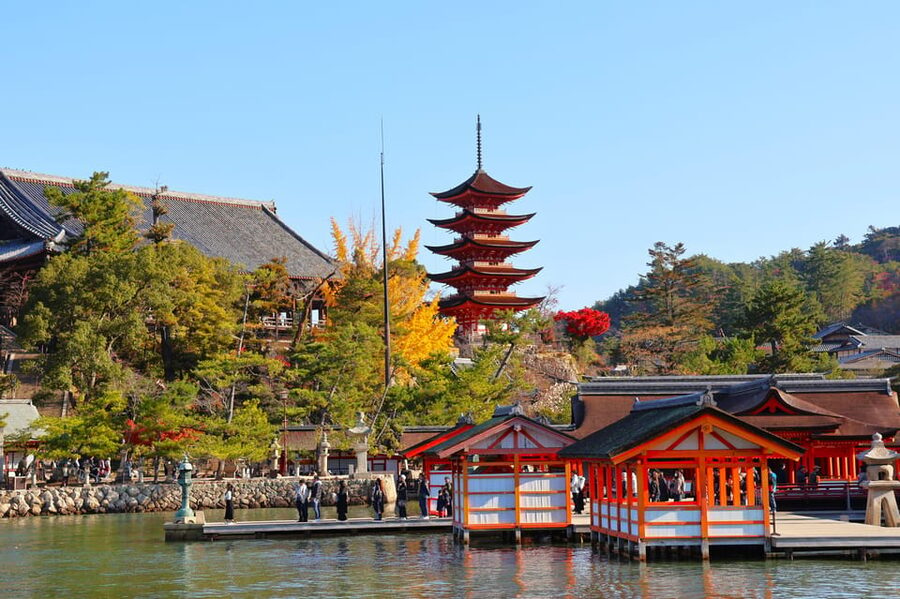
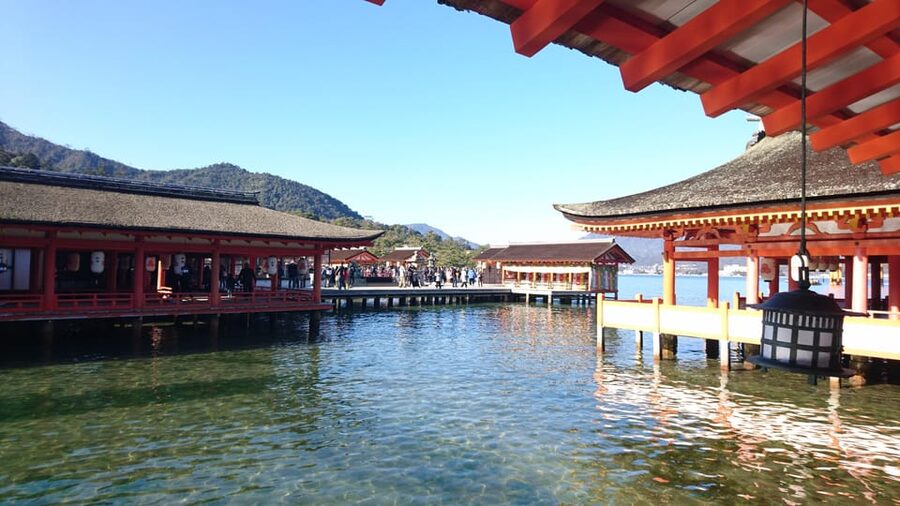
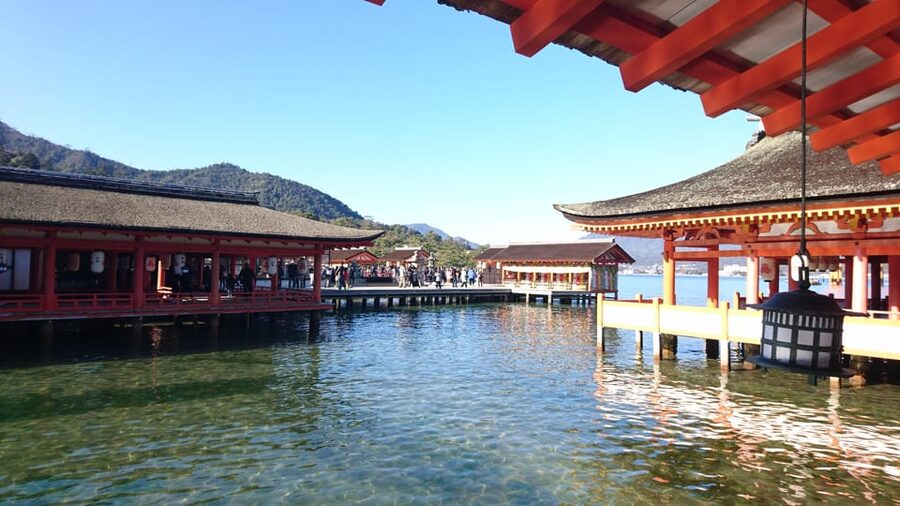
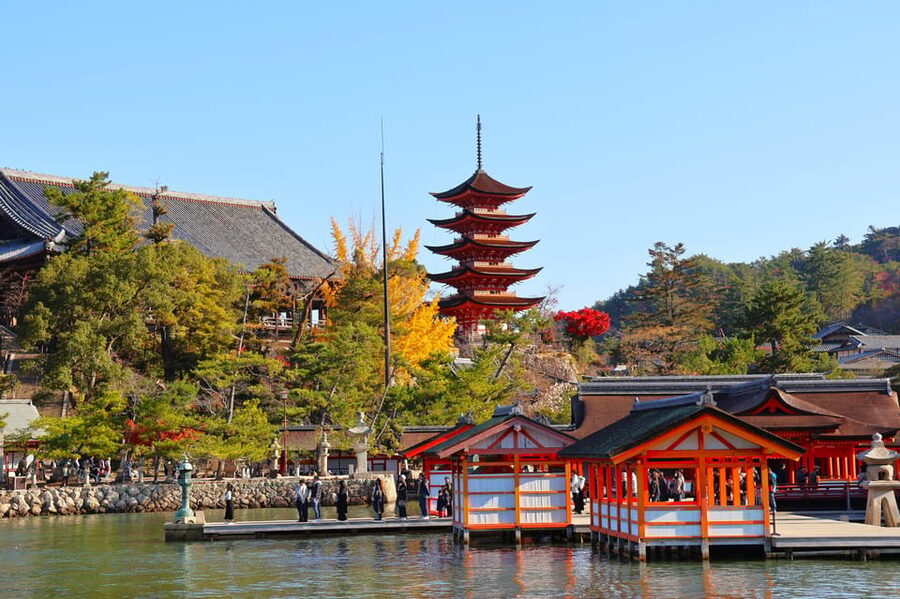
Itsukushima Shrine is the island’s main sight. The famous torii gate appears out in the water, and the shrine’s setting makes it one of Japan’s most recognizable views. The tour includes entry, so you can walk through the shrine grounds rather than seeing the gate only from outside.
The guided sightseeing portion lasts about an hour, followed by roughly an hour of free time on Miyajima. That free time is one of the best features of the itinerary. You can browse the food street, try oysters or maple cakes, have a lemon beer, watch the deer, or simply walk near the shrine.
Some guides, including Joe, have also used the free hour to point out pagodas and temples for people who want more than shopping. You might find enough time for a short walk beyond the main street, but the schedule does not allow a full island exploration or a serious hike.
This is also where the tour feels slightly uneven. Some people will wish for more time at the Peace Memorial Museum, while others may find the two hours on Miyajima just right. The operator has chosen variety over depth: a major peace site, local food, a shrine, and free time all fit into one day, but none receives the time it would get on an overnight visit.
Crowds can affect both Hiroshima and Miyajima. Guides have been especially useful when the streets and museum are busy, keeping the group together and explaining where to meet. Follow the meeting instructions closely before wandering off during free time.
Returning by bullet train
The bus returns you to Hiroshima Station, where you catch the shinkansen back to Kyoto or Shin-Osaka. The return train is a welcome chance to rest, though the day may end later than you expect after delays or a slow return from the island.
The guides take responsibility for helping the group reach the right train, and that matters after a long day. One departure even involved help changing return tickets, though an earlier train does not guarantee a perfectly timed arrival. Keep your plans for the evening flexible rather than booking something that cannot tolerate a delay.
The tour officially ends at Kyoto Station or Shin-Osaka Station, not at your hotel. From there, you arrange your own onward transport.
What the guides add
The English-speaking guides are a major part of the experience. Names praised across the many departures include Joe, Azusa, Hiro, Kane, Chikako, Tom, Miyuki, Masako, and Takane. Their styles vary, but the strongest pattern is a mix of historical explanation, personal stories, humor, and careful group management.
Joe has been especially effective for people who want local stories and extra help during free time. Azusa has been praised for making difficult history understandable and for helping with food requests. Hiro and Tom bring light humor to the bus rides, while Kane has been valued for clear explanations and practical help.
You should not expect every guide to deliver the same speech or personality. That is normal with a rotating guide team. What you can expect is an English-led tour with headsets, set meeting points, and someone responsible for keeping the day on track.
Who should book this experience
I would recommend this tour to you if:
- You are staying in Osaka or Kyoto and have only one day for Hiroshima.
- You want the shinkansen experience without arranging long-distance rail, local buses, and ferry tickets yourself.
- You want a first visit to both the Peace Memorial Park and Miyajima.
- You appreciate a guide who can explain difficult history and handle group logistics.
- You are comfortable walking for much of the day.
- You want an included local lunch and some free time rather than a fully narrated schedule.
I would look for a longer Hiroshima visit instead if you want to spend several hours in the Peace Memorial Museum, explore Hiroshima Castle properly, hike on Miyajima, or eat at your own pace. This tour gives you an excellent first look, but it cannot turn two major destinations into a relaxed holiday.
Cancellation is free up to 7 days and 21 hours before departure for a full refund. The tour is not suitable for wheelchair users, and the amount of walking makes it a poor choice if you have difficulty staying on your feet.
Is the $277 price fair?
For a traveler who values convenience, I think the price is defensible. You receive a return shinkansen journey, bus and ferry transport, both listed admissions, lunch, and a guide. The trip also removes the stress of coordinating Hiroshima Station, the Peace Memorial Park, the restaurant, the ferry, Miyajima, and the return train in one day.
The price is harder to justify if you are happy using local transport, already hold a rail pass, or want to choose exactly how long to stay at each sight. Independent travel gives you more control and may reduce the cost, but it also requires more time and planning.
The fairest way to see this tour is as a time-saving introduction, not a complete Hiroshima visit. It is expensive for a single day, yet practical for a tight Japan itinerary.
Should you book it?
Book this experience if you want Hiroshima’s most important peace sites and Miyajima’s shrine in one carefully managed day from Osaka or Kyoto. The excellent transport plan, included lunch, ferry, admissions, and warm English-speaking guides make it a strong choice for first-time visitors who value structure.
Do not book it expecting a slow museum day. The Peace Memorial Museum is moving but short, Miyajima is scenic but limited, and the 12-hour schedule is tiring. If you accept that trade-off, this tour offers a thoughtful introduction to Hiroshima, a memorable shinkansen ride, and a satisfying taste of Miyajima without leaving you to solve the logistics alone.
FAQ
Where does the tour start?
You can start at Shin-Osaka Station or Kyoto Station, depending on the option booked. The exact meeting point may vary, so check your booking details carefully.
How long does the tour last?
The tour lasts about 12 hours, including the train journeys, bus transfers, ferry crossings, sightseeing, lunch, and return trip.
Is the shinkansen ticket included?
Yes. A round-trip shinkansen ticket from Kyoto or Osaka is included, and staff provide the tickets at the meeting point.
What food is served for lunch?
Lunch is Hiroshima-style okonomiyaki with pork, cabbage, bean sprouts, fish powder, noodles, and eggs. No-pork and no-pork, no-fish-powder, no-eggs options are available if requested in advance.
What happens if the Peace Memorial Museum is closed?
The tour visits Hiroshima National Peace Memorial Hall for the Atomic Bomb Victims instead. The listed museum closure dates are December 30 to 31 and February 16 to 21.
Is the tour suitable for wheelchair users?
No. The tour involves a lot of walking and is not suitable for wheelchair users.
Can I cancel for a full refund?
Yes, cancellation is free up to 7 days and 21 hours before the tour for a full refund.
More Bus Tours in Osaka
- Play with Snow Crab Buffet Lunch and Strawberry Picking Bus Tour
★ 5.0 · 88 reviews - Himeji Castle, Arima Onsen & Mt. Rokko: 1-Day Bus Tour from Osaka
★ 4.0 · 28 reviews - Nara, Todaiji Temple & Kuroshio Market Day BUS Tour from Osaka
★ 3.5 · 18 reviews - 2-Day Bus Tour to Shirakawago & Hida No Sato Winter Illumination
★ 5.0 · 5 reviews
Just added in Osaka
- Urban Canvas: Osaka Street Art Bike Tour★ 5.0 · 10 reviews
- Anime Cosplay Photshoot-50 Digital Photos Provided★ 5.0 · 8 reviews
- TeamLab Botanical Garden Osaka Ticket★ 3.5 · 6 reviews
- Umeda Sky Building & Kuchu Teien Observatory Ticket in Osaka★ 4.5 · 3 reviews
- Immerse in Judo Martial Arts Class from Japan★ 5.0 · 4 reviews
- Cherry Blossom Buddha and Mt.Yoshino with Strawberry Picking Tour★ 4.5 · 5 reviews
- Traditional Home cooking Experience in Osaka, Japan★ 5.0 · 14 reviews
- Traditional Calligraphy Experience near Dotonbori★ 5.0 · 3 reviews
Kyoto Day Trips from Osaka, compared.
Ancient Capital Tour: Kyoto and Nara Highlights from Kyoto/Osaka
Read our review →
Full Day Tour of Kyoto with Private Transportation
Read our review →
Kyoto & Nara Private customized tour with English speaking Guide
Read our review →
Browse the lists this tour appears in