
Reviewed · OSAKA NIGHT TOURS
Osaka Night Photography Workshop
Osaka after dark gives you plenty to photograph, from Dotonbori’s glowing signs to Shinsekai’s old-school streets. Irven Lewis turns that evening walk into a practical lesson in manual camera control, with hands-on help instead of a lecture.
I like the private format and the route through four very different Osaka areas. I also like that beginners and serious photographers can work at their own pace, with attention to tripods, light trails, framing, and timing. The main consideration is the amount of walking, plus a confusing note in the tour details that lists Kyoto photo sites even though the advertised route is in Osaka.
Key points
- Dotonbori starts the workshop with bright signs, reflections, and plenty of chances to practice exposure.
- Irven Lewis adjusts the coaching to your level, from camera basics to advanced night techniques.
- Nipponbashi and Shinsekai provide a useful change of mood, from neon streets to nostalgic scenery.
- A train ride to Tennōji adds another part of Osaka to the three-hour route.
- Tripod work, light trails, shutter speed, ISO, aperture, and composition are covered in the field.
- The private group format lets you request different locations, though you should bring extra batteries and expect a lot of walking.
What this Osaka night workshop actually offers
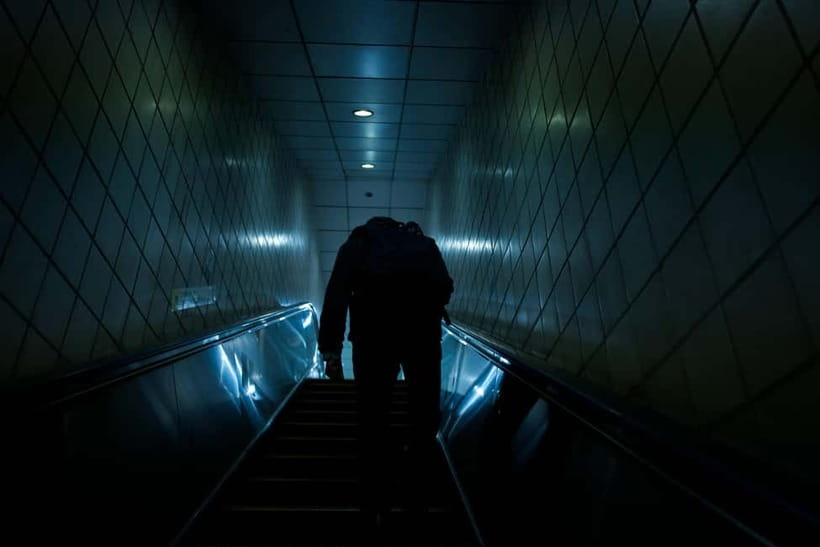
This is not simply a walk to a few famous viewpoints. It is a street photography lesson held in real evening conditions, where bright signs, dark alleys, moving people, trains, and passing traffic force you to make quick choices.
I like that setup. You learn what your camera does when the light is uneven, rather than practicing only in easy daylight. You can see how changing the ISO affects noise, how a slower shutter speed records movement, and how aperture affects the look of bright lights.
Irven Lewis leads the experience in English. The group is private, and the coaching is meant to suit both an absolute beginner and a photographer who already works comfortably with a camera. DSLR and mirrorless cameras are welcome, and smartphone users can join too.
That range matters. A beginner may need help finding manual mode or understanding the exposure triangle. A more advanced photographer may want better compositions, longer exposures, light trails, or access to less usual shooting locations. The workshop aims to handle both needs in one evening.
The official duration is three hours. That is enough time for a focused session across several districts, but it is not enough time to explore every street in each area. You should expect a brisk route, especially once the train ride to Tennōji is included.
More night tours in Osaka:
- Osaka After Dark: Small-Group Night Food Tour (Max 6)
★ 4.5 · 245 reviews - OSAKA NIGHT FUSION Japanese Taiko Kabuki Samurai Dance Show
★ 4.8 · 155 reviews - Osaka: Bar-Hopping Night Tour in Namba
★ 4.7 · 117 reviews
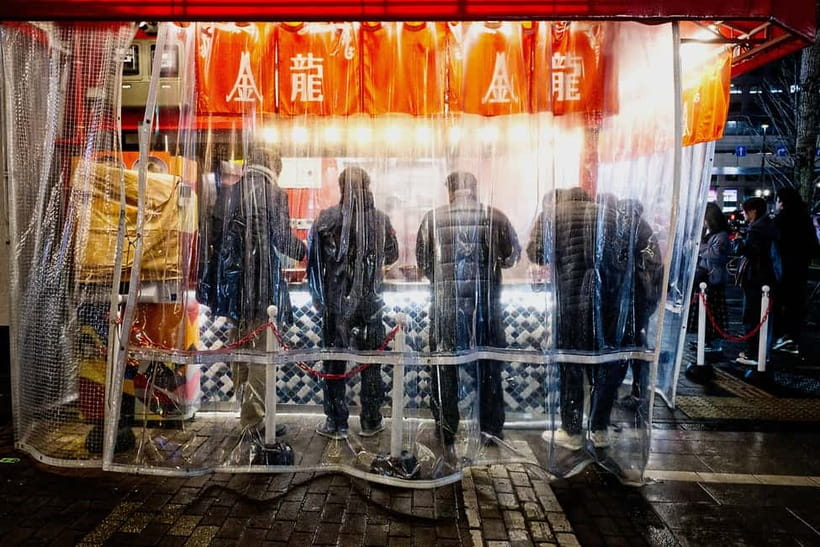
Dotonbori: an easy place to see how night exposure works
The workshop starts in Dotonbori, Osaka’s most recognizable night scene. Its large signs, crowded streets, canal views, and strong color give you plenty to work with right away.
For a beginner, this is a useful first stop because the subject matter is obvious. You do not need to search long for something worth photographing. Irven can help you decide how much of a sign to include, where to place a person in the frame, and how to prevent bright lights from washing out the image.
Dotonbori is also a good test of exposure. Neon signs can be much brighter than the surrounding streets, so your camera may struggle to record both areas well. This is where manual control becomes more useful than simply relying on an automatic setting.
You may work with shutter speed to show movement, ISO to brighten darker areas, and aperture to control the amount of light entering the lens. The goal is not just to make a bright photograph. It is to keep important details while giving the image a clear sense of place.
Reflections can add another layer, particularly around the canal and wet pavement. You might find that a small change in position gives you a stronger composition than simply photographing the biggest sign. Irven’s role is to point out those choices and explain why one frame works better than another.
This is also the point where you should tell the guide what you want from the evening. If you prefer people, signs, architecture, reflections, or abstract details, say so early. The private format makes that kind of adjustment possible.
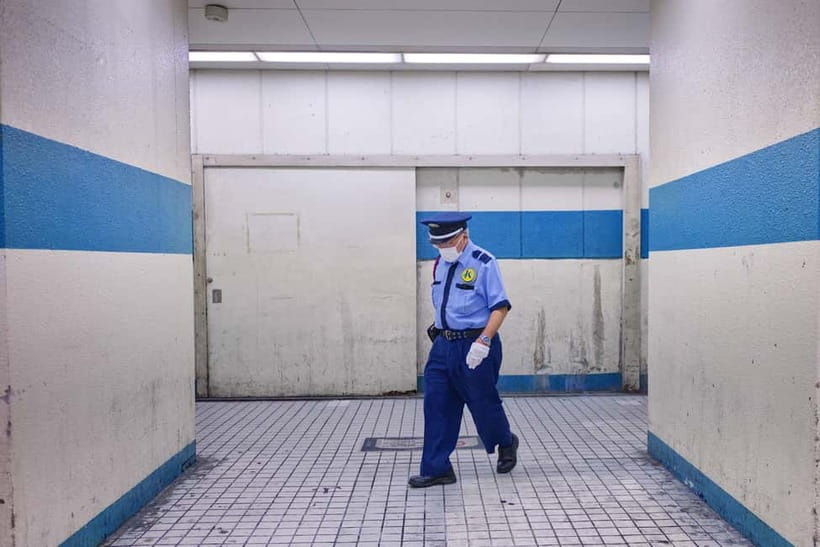
Nipponbashi: more room for street photography choices
From Dotonbori, the route continues to Nipponbashi. The change is useful because you are not repeating the same neon scene for the full three hours.
Nipponbashi offers another urban setting for practicing composition and timing. You can work on finding small subjects within a larger street scene, rather than relying on one famous sign to carry the picture. This is where the lesson can become more personal, since your choice of subject matters more than the location alone.
For a new street photographer, deciding what makes a good subject can be harder than operating the camera. You might notice a doorway, a passing figure, a lit shopfront, or a pattern of signs, but still be unsure how to frame it. Irven can help you identify what is likely to make a strong photograph and where to stand before pressing the shutter.
The route is also flexible. One booking specifically allowed the photographer to request locations Irven does not usually include, which suggests that you should speak up if you have a particular Osaka idea in mind. There is no guarantee every request can fit into three hours, but a private tour gives you a better chance than a large group walk.
The tradeoff is time. Every extra stop reduces the time available for instruction and shooting at the other locations. I would arrive with one or two priorities, not a long wish list. You will get more from the workshop by concentrating on a few useful skills than by racing through a dozen viewpoints.
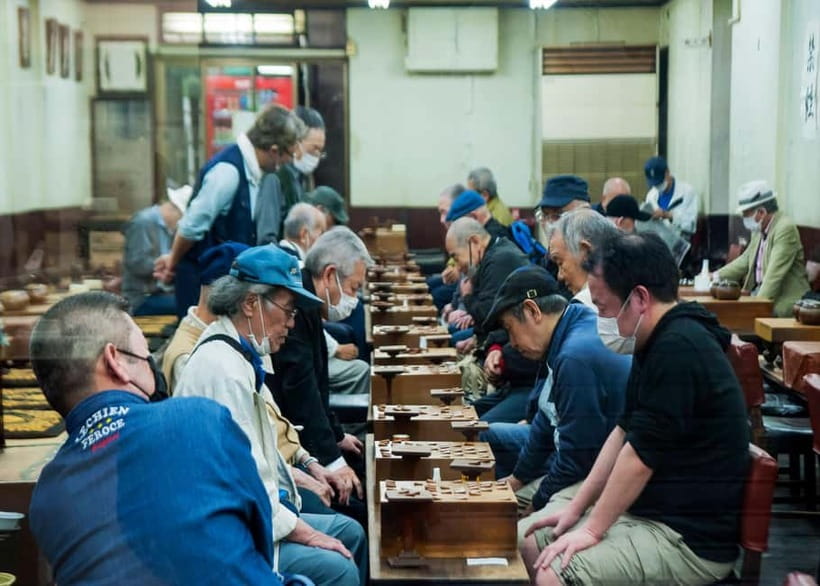
Shinsekai: a nostalgic setting with a different visual mood
The next major stop is Shinsekai, an area known in the tour description for its nostalgic streets. After the bright commercial feel of Dotonbori and Nipponbashi, this section gives you a different visual subject.
That contrast helps you understand how composition changes with the setting. In Dotonbori, the signs may dominate the image. In Shinsekai, you may pay more attention to street depth, older details, layers of light, and the relationship between buildings and people.
I would use this section to practice framing. Look for lines that lead the eye into the street, and check the edges of the frame before you take the picture. At night, it is easy to focus only on the brightest object. A good guide can remind you to look at the darker corners and the empty space around the main subject.
Shinsekai may also be a useful place to work on timing. Street photography often depends on waiting for the right person, gesture, or passing movement. A few seconds can change a flat scene into a photograph with a clear story.
The workshop is not promising a fixed number of edited images or a professional portfolio. Its value is in helping you understand why a picture works while you are still in the street. That immediate feedback is more useful than receiving a list of camera settings after the fact.
More photoshoots in Osaka:
- Osaka: Private Vibrant Nighttime Photoshoot (Dotonbori)
★ 4.9 · 80 reviews - Osaka: Kimono or Yukata Rental &Photos Service Options
★ 4.9 · 25 reviews - Kimono photoshoot-Includes 100 photo data
★ 5.0 · 21 reviews - Guided Photography Tour in Osaka: Capturing Memories
★ 4.5 · 20 reviews
Tennōji adds a final change of pace
After Shinsekai, the route includes a train ride to Tennōji. The transport is part of the experience, not just a way to return to the meeting point. It lets you cover more of southern Osaka within the three-hour session.
Tennōji is described as offering further photo opportunities, but the details do not specify one fixed landmark or final viewpoint. That means your experience here may depend on the guide’s choice and your interests. You might use the remaining time for more street scenes, illuminated views, or a final round of practice with the techniques introduced earlier.
The timing of this stop matters. If you spend too long at Dotonbori or request several extra locations, there may be less time in Tennōji. I would ask Irven at the beginning how he expects to divide the evening. That simple question can help you decide when to stop experimenting and when to move on.
The train connection also makes comfortable shoes important. The tour asks you to bring them, and that is sensible advice. One person who booked the workshop found there was a lot to cover and potentially a lot of walking. Bring a spare battery too. Another photographer used up a camera battery before the evening ended, which is a useful warning for anyone shooting long exposures or using a bright screen repeatedly.
The camera skills you will practice
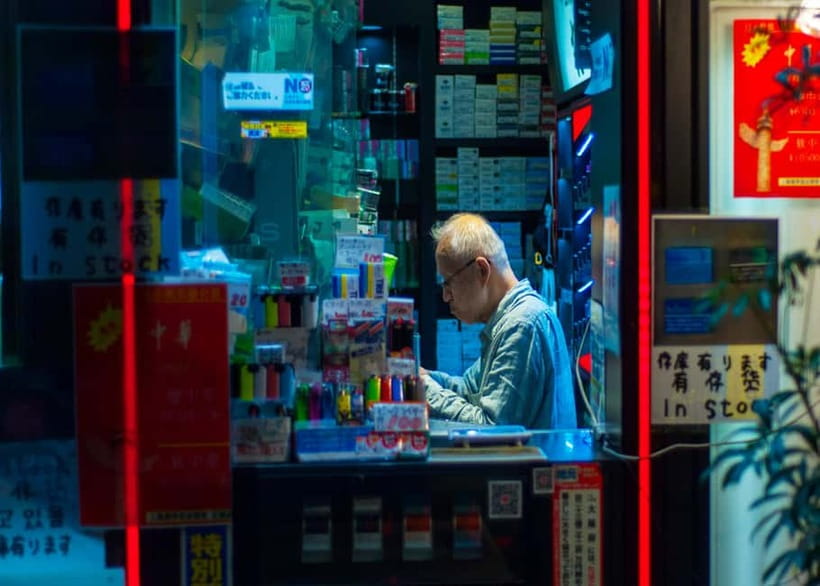
The strongest part of this workshop is its practical focus. You are not only shown photo locations. You are expected to use your camera and adjust it under changing conditions.
The main subjects include:
- The exposure triangle: how aperture, ISO, and shutter speed work together.
- Aperture: how you control light and the look of the image.
- ISO: how you make the camera more sensitive in dark conditions, with possible image noise as a tradeoff.
- Shutter speed: how you freeze movement or allow motion to appear.
- Composition and framing: how you place people, lights, signs, and buildings within the picture.
- Light trails: how moving traffic or other lights can become part of the image.
- Timing: how to wait for the right movement, expression, or alignment.
- Tripod technique: how to keep the camera steady for sharp images during longer exposures.
The wording of the experience suggests a step-by-step approach, so beginners should not feel required to arrive with a technical background. You should still bring your camera manual if you have one, especially if your model has menus you rarely use.
If you use a smartphone, ask how much of the instruction can be adapted to your device. Smartphone users are welcome, but the controls and tripod options will differ from those on a DSLR or mirrorless camera. The core lessons about light, framing, and timing still apply.
A professional photographer may find the basic camera lesson slow at first. The advantage is the location knowledge and the private format. You can ask for less instruction on ISO and more help with finding unusual angles, managing difficult light, or building a stronger set of street images.
How much walking and movement should you expect?
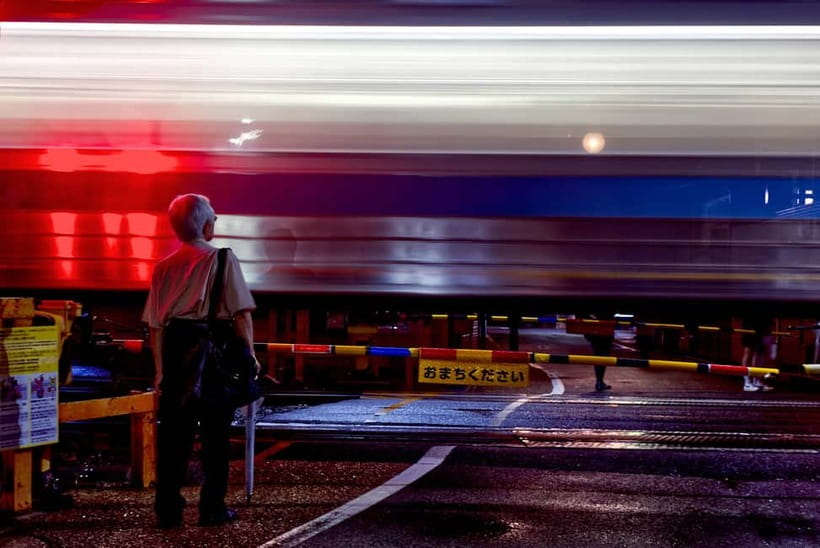
The route covers Dotonbori, Nipponbashi, Shinsekai, and Tennōji, with a train ride included. It is not a stationary class, and you should expect to walk between shooting areas.
That makes the three-hour length feel active. You will likely spend some time learning, some time taking pictures, and some time moving through the city. A private booking can reduce waiting for other participants, but it cannot remove the distances between neighborhoods.
Wear comfortable shoes and carry only the equipment you can manage for the evening. A tripod is useful for the workshop, but a large, heavy model could become tiring. The supplied information confirms tripod instruction, not that a tripod is provided, so bring your own if you want to practice with one.
The experience is listed as wheelchair accessible. Since the route includes multiple streets, a train, and a potentially substantial amount of walking, I would still confirm the exact route and any access needs before booking. Accessibility can vary from one street section or station connection to another.
Food is not included. Three hours is a manageable length without a meal, but you should plan any snack or dinner separately, especially if you prefer to eat before an evening shoot.
Is $200 per person fair value?
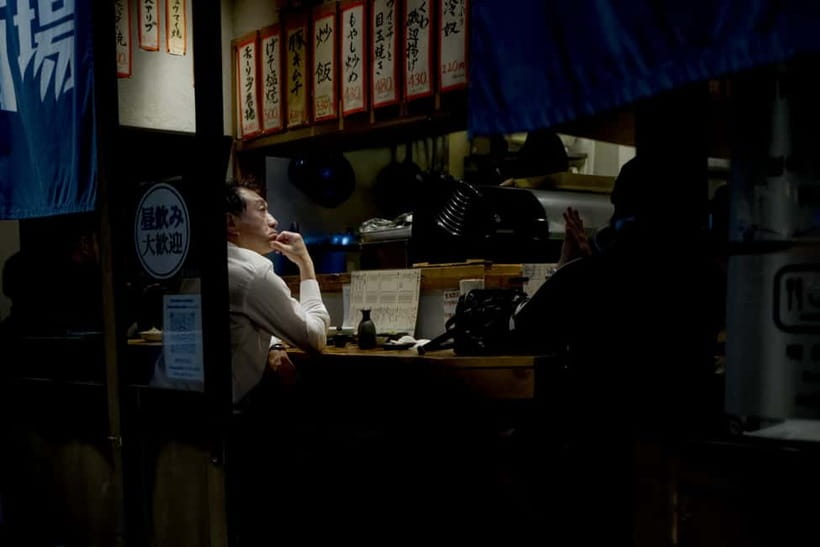
At $200 per person, this is not a cheap sightseeing walk. The price makes more sense if you want personal photography coaching rather than a general Osaka tour.
The private group format is the key value. You are paying for Irven’s time, route planning, local photo knowledge, and the ability to ask for instruction that matches your skill level. If you are starting from zero, one-on-one help with manual settings can save a lot of frustration. If you already know your camera, the value depends on how much you want a guide to lead you to good night scenes and help you make better choices in the field.
The price is harder to justify if you mainly want someone to show you Osaka at night. You could visit Dotonbori and Shinsekai without a photography workshop. You are paying for the teaching, not simply the locations.
There is also no food, printed material, or stated promise of edited photographs included. Bring your own camera, battery, storage, and any tripod you want to use. I would think of the $200 as the cost of a private lesson with a moving classroom.
Three hours is short, but it can be enough for a concentrated session. You should get the best value by arriving ready to shoot, knowing the basic operation of your camera, and telling Irven what you want to improve.
The Osaka and Kyoto details need clarification
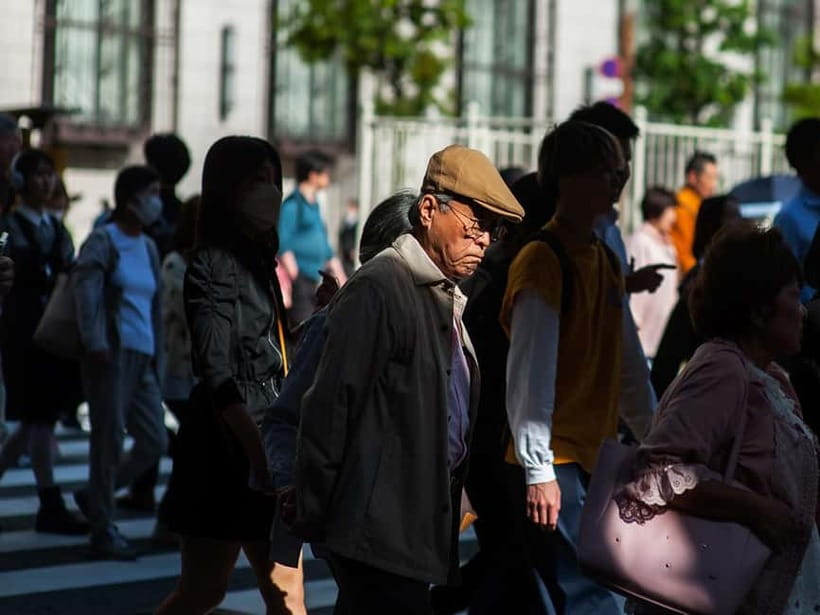
One part of the activity information needs attention before you reserve. The main route is clearly described as Osaka: Dotonbori, Nipponbashi, Shinsekai, and Tennōji. However, the included features also list Kyoto sites such as Kiyomizu-dera Temple, Yasaka Pagoda, Fushimi Inari Taisha, Gion alleys, and the Shirakawa Canal.
Those are not minor wording differences. Kyoto and Osaka are separate cities, and a three-hour Osaka night workshop cannot reasonably cover all of those Kyoto locations as well. The experience provider is Shoot Travel Japan, and Irven Lewis Photography is associated with the guide, but the exact connection between the Osaka workshop and the Kyoto locations is not clear from the supplied details.
I would contact the provider before paying and ask two direct questions: Is this booking for the Osaka route only, and are the Kyoto sites part of a separate workshop? Do not assume a Kyoto itinerary is included simply because those locations appear in the activity information.
The available booking terms are flexible. You can cancel up to 24 hours in advance for a full refund, and you can reserve now and pay later. Those terms reduce the risk of committing early, but they do not replace confirming the route.
Who will get the most from Irven’s workshop?
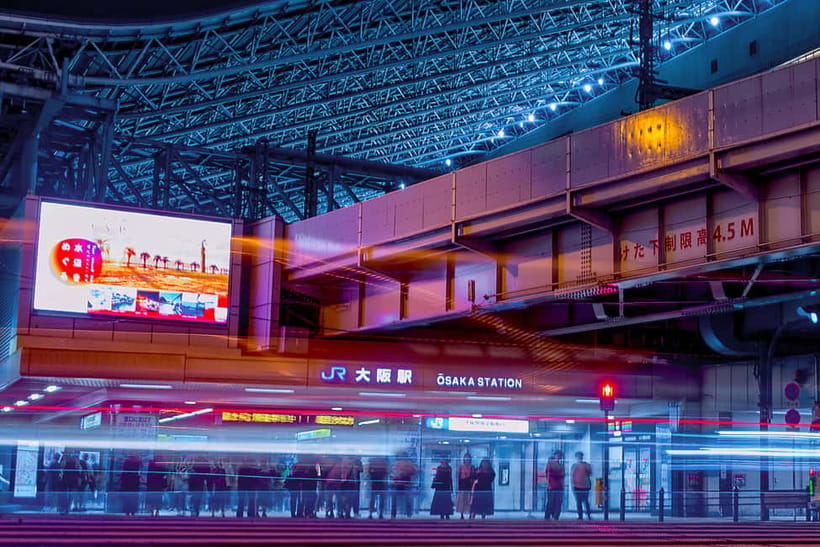
I would recommend this experience most strongly to:
- Beginners who want to stop relying on automatic mode.
- Visitors carrying a DSLR or mirrorless camera through Japan and unsure how to use it at night.
- Street photographers who want help choosing subjects and framing scenes.
- Experienced photographers who want a private guide and are willing to request specific locations.
- Smartphone photographers who want to improve composition, timing, and low-light technique.
- Anyone who prefers a private lesson to a large group class.
I would be more cautious if you dislike walking, want a slow meal-based evening, or only want a standard sightseeing route. The pace may feel active, and the number of locations means you cannot spend unlimited time in one place.
The workshop also suits people who are comfortable asking questions. Tell Irven when a setting makes no sense, ask him to explain a composition, and say if you want more time to shoot instead of more technical talk. The private format works best when you help shape the lesson.
Should you book this Osaka photography workshop?
Book it if you want to learn by taking photographs in real Osaka streets, not by sitting in a classroom. Irven’s strongest advantages are the private format, the flexible coaching, and the range of night settings from Dotonbori’s signs to Shinsekai’s older streets.
I would especially choose it for a beginner with a new camera, or for a photographer who wants a local guide and a focused evening of street work. Bring extra batteries, comfortable shoes, and a clear idea of the skills or subjects you want to practice.
Before booking, confirm the Osaka route and ask about the unexpected Kyoto location list. If that detail is cleared up, the $200 price can be reasonable for three hours of private instruction and guided shooting. If you only want to see Osaka’s night districts, save the money and explore on your own.
FAQ
How long is the Osaka Night Photography Workshop?
The workshop lasts three hours.
What language is the workshop offered in?
The live tour guide speaks English, and English is the listed language for the experience.
Is the workshop private?
Yes. The group type is listed as a private group.
What camera equipment can I use?
DSLR cameras, mirrorless cameras, and smartphones are welcome. Tripod use is also covered during the workshop.
Which Osaka areas are included?
The stated Osaka route begins in Dotonbori, continues to Nipponbashi, then goes to Shinsekai before a train ride to Tennōji.
What should I bring?
Bring comfortable shoes. Extra batteries are also a sensible choice, especially if you plan to use your camera heavily during the evening.
Can I cancel or pay later?
You can cancel up to 24 hours in advance for a full refund. You can also reserve the workshop and pay later.
More Workshops in Osaka
- Sushi Making Osaka Roll and Authentic Japanese Sushi Class
★ 5.0 · 1,220 reviews - Matcha Making Class in Osaka with Authentic Japanese Sweets Set
★ 5.0 · 509 reviews - Osaka: Ramen and Gyoza Cooking Class in Dotonbori
★ 5.0 · 378 reviews - Osaka Cooking Class: Okonomiyaki &Japanese cuisines experience
★ 5.0 · 261 reviews
Just added in Osaka
- Urban Canvas: Osaka Street Art Bike Tour★ 5.0 · 10 reviews
- Anime Cosplay Photshoot-50 Digital Photos Provided★ 5.0 · 8 reviews
- TeamLab Botanical Garden Osaka Ticket★ 3.5 · 6 reviews
- Umeda Sky Building & Kuchu Teien Observatory Ticket in Osaka★ 4.5 · 3 reviews
- Immerse in Judo Martial Arts Class from Japan★ 5.0 · 4 reviews
- Cherry Blossom Buddha and Mt.Yoshino with Strawberry Picking Tour★ 4.5 · 5 reviews
- Traditional Home cooking Experience in Osaka, Japan★ 5.0 · 14 reviews
- Traditional Calligraphy Experience near Dotonbori★ 5.0 · 3 reviews
Osaka Night Tours, compared.
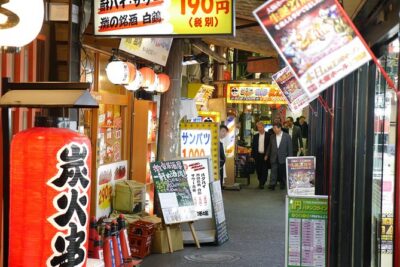
Osaka After Dark: Small-Group Night Food Tour (Max 6)
Read our review →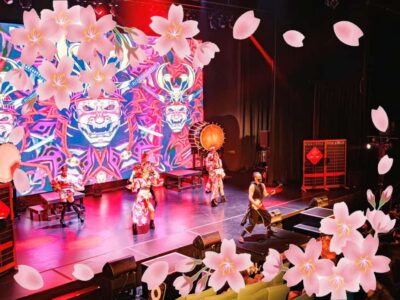
OSAKA NIGHT FUSION Japanese Taiko Kabuki Samurai Dance Show
Read our review →

Hidden Gems and Bustling Districts of Osaka Night Tour
Read our review →
Night Soul Food Tour in Shinsekai with a local guide
Read our review →
3.5h Osaka Night guided Local Bar Hopping, Sake & Karaoke
Read our review →Browse the lists this tour appears in