
Reviewed · PHOTOGRAPHY SESSIONS
Osaka Photography Masterclass – Private Photography Lesson
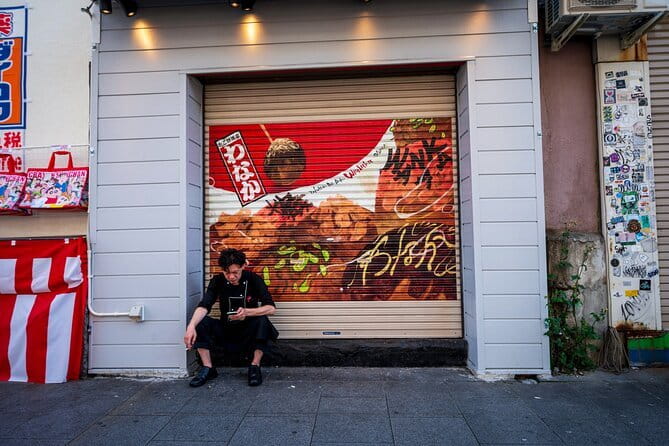
Osaka gives you two very different subjects in one compact photography lesson: Shinsekai’s old-fashioned streets and Tsutenkaku Tower, followed by the neon-soaked energy of Dotonbori. With a private photographer guiding the way, you are not simply shown good viewpoints. You get help with settings, composition, angles, and timing as you work.
I like two things here. First, the lesson is tailored to your ability and pace, so a beginner can ask basic questions without holding up a group. Second, guide Irven is praised for finding lesser-known street photography spots and explaining what is happening around you, not just pointing at famous signs.
The main consideration is the price: $170 per person for about three hours is a serious spend, especially if you already know your camera well. You also need to bring your own camera or tripod, since neither is supplied.
Key points to know before booking
- Three hours with a private photographer: Your group receives individual instruction rather than a general walking tour.
- Two useful route choices: The day session links Shinsekai and Dotonbori, while the night session concentrates on Dotonbori’s lights and reflections.
- Irven is the named guide to request: He has helped people with both dedicated cameras and iPhones.
- Practical camera coaching: Expect help with aperture, composition, long exposure, and other basic techniques.
- A strong choice for street photography: You photograph ordinary city scenes as well as Osaka’s famous signs.
- The equipment is yours to provide: A camera and tripod are not included, though a tripod is especially useful for night work.
What this Osaka photography lesson really offers
This is best understood as a private workshop that happens to move through some of Osaka’s most photogenic districts. You spend the session making pictures, then adjusting your approach with immediate help. That makes the experience different from a standard sightseeing walk, where the guide may explain a place but has little time to improve your technique.
The tour lasts about three hours and is private to your group. That matters. You can stop to repeat a shot, ask why an image looks flat, or change the lesson to suit your ability. If you are new to manual settings, you can focus on the basics. If you already shoot regularly, you can spend more time on composition, reflections, motion, and night photography.
Guide Irven is specifically identified in the feedback, and the comments about his style are useful. He takes time, points out less obvious places, and explains what is happening at each stop. That combination should help you photograph Osaka as a lived-in city rather than a string of postcard views.
You do not need a high-end camera to benefit. One person used an iPhone and still received suggestions that applied directly to phone photography. That makes this a practical option if your best camera is the one already in your pocket.
More photoshoots in Osaka:
- Osaka: Private Vibrant Nighttime Photoshoot (Dotonbori)
★ 4.9 · 80 reviews - Osaka: Kimono or Yukata Rental &Photos Service Options
★ 4.9 · 25 reviews - Kimono photoshoot-Includes 100 photo data
★ 5.0 · 21 reviews
Starting in Shinsekai and photographing old Osaka
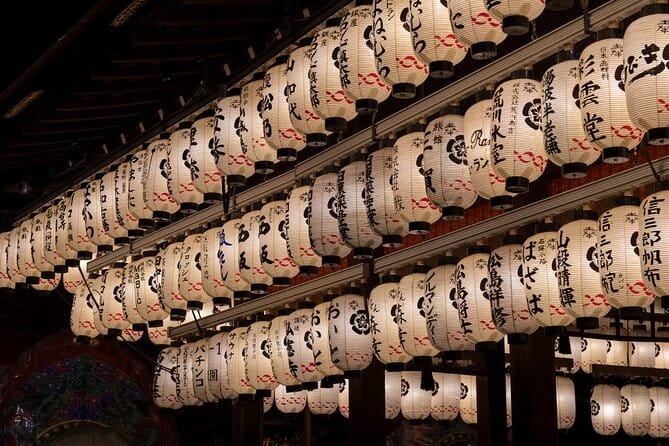
The day route begins with Shinsekai, an area known for its nostalgic character and Tsutenkaku Tower. This gives you a useful first subject because the district offers more than one kind of picture. You can work on architectural framing, street scenes, signs, and the relationship between the tower and the surrounding streets.
A professional photographer can help you decide what deserves attention. Instead of photographing the tower straight on every time, you might be guided toward a different angle, a cleaner frame, or a composition that includes the surrounding neighborhood. The supplied information does not promise a fixed list of stops, so the exact route can be shaped by your interests and the conditions on the day.
Shinsekai is also a sensible place to begin a lesson. In daylight, you have room to concentrate on composition before dealing with the extra demands of night photography. You can practice how to place a subject, how much of the surrounding setting to include, and how to use lines, signs, and buildings to direct the eye.
If you are an experienced photographer, this first section may feel basic unless you ask for a more focused lesson. Tell the guide what you already know. A private format gives you a chance to skip elementary explanations and work on a specific problem, such as inconsistent exposure or weak street compositions.
Moving toward Dotonbori’s famous neon
The route then continues to Dotonbori, Osaka’s best-known district for bright signs, canals, crowds, and unusual architecture. This is where the lesson becomes especially useful for anyone interested in street photography. There are plenty of strong subjects, but there is also plenty of visual clutter.
A guide can help you decide when a busy frame works and when it simply looks messy. You may work with the large illuminated signs, reflections along the canal, passing people, and the contrast between old and new buildings. The goal is not only to collect famous Osaka images. It is to learn how to arrange the elements in front of you.
Dotonbori also rewards patience. A good photograph may depend on waiting for the right person to cross the frame, a sign to reflect in the water, or a moment when several colors line up. Since this is a private session, you have more freedom to pause than you would on a fixed group walk.
The drawback is that Dotonbori can be visually overwhelming. If you prefer quiet scenes, the noise, crowds, and dense signage may make it hard to concentrate. That is not necessarily a flaw in the tour, since the district is the subject, but you should book this expecting a busy urban setting rather than a calm photo walk.
What changes on the night photography route
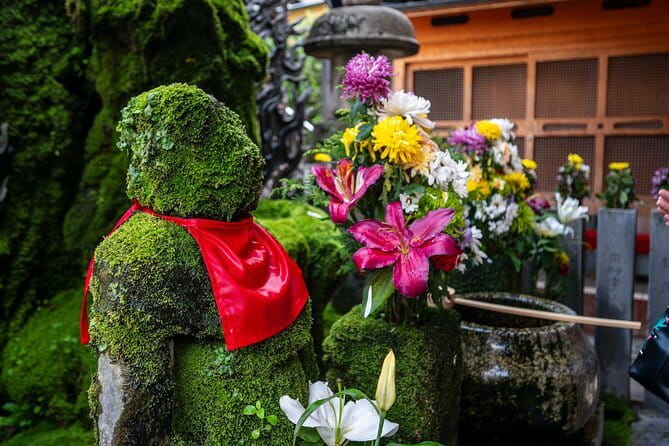
The night option centers on Dotonbori and is built around Osaka’s artificial light. You work with neon signs, canal reflections, street movement, and the changing brightness of the scene. This is the better choice if your main goal is to learn night photography or long exposure.
Long exposure can make moving people and traffic appear as soft trails, while still keeping buildings and signs sharp when the camera is held steady. It is also a setting where small mistakes are easy to see. Too much light can wash out a sign, while too little can turn the rest of the frame muddy.
The guide can help you make those decisions in real time. You may receive instruction on camera settings, timing, composition, and how to capture movement without losing the shape of the city. The tour description specifically highlights learning to photograph motion and reflections, so this route has a clear technical purpose.
You need to bring your own tripod if you want to use one. A tripod is not included, and the information does not say that one can be rented. You can still learn handheld night techniques, but anyone booking mainly for long exposures should plan equipment carefully.
This route is not only for people with interchangeable-lens cameras. The same ideas can apply to a phone, though your available controls will depend on the device. The iPhone feedback is encouraging for phone users, but you should still be comfortable with the basic operation of your own camera before arriving.
A few more Osaka half-days worth pricing up
- Sushi Making Osaka Roll and Authentic Japanese Sushi Class
★ 5.0 · 1,220 reviews - Matcha Making Class in Osaka with Authentic Japanese Sweets Set
★ 5.0 · 509 reviews - Osaka: Ramen and Gyoza Cooking Class in Dotonbori
★ 5.0 · 378 reviews - Osaka Cooking Class: Okonomiyaki &Japanese cuisines experience
★ 5.0 · 261 reviews
The private format is the main advantage
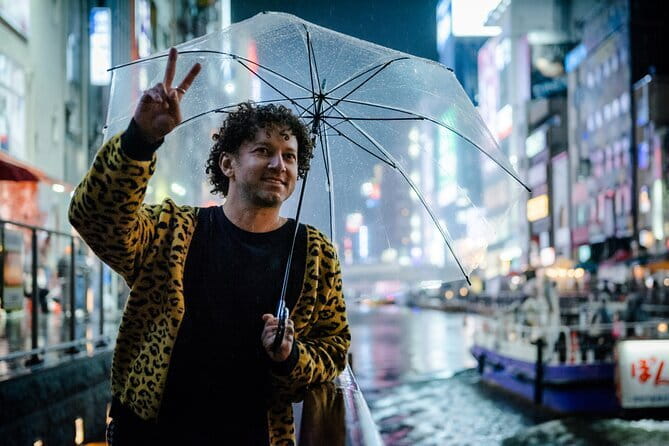
The private setup is the strongest reason to choose this experience over a cheaper group walk. Only your party takes part, so the guide can adjust the lesson as you go. That is valuable when members of the same group have different skill levels.
You can ask direct questions without waiting for a scheduled explanation. If one setting is confusing, you can return to it. If you already understand aperture and shutter speed, you can ask for more work on framing or visual storytelling instead.
The pace also matters. Photography is often ruined by rushing. You need time to notice a reflection, watch the light, or wait for a person to enter the frame. A private guide can respond to those moments rather than pushing everyone onward because the next stop is fixed.
There is one practical limitation. Private instruction does not automatically mean a full technical course. Three hours is enough to improve specific skills, but not enough to cover every camera function in depth. You will get more from the session if you arrive with a short list of questions and a clear idea of what you want to learn.
Price and value at $170 per person
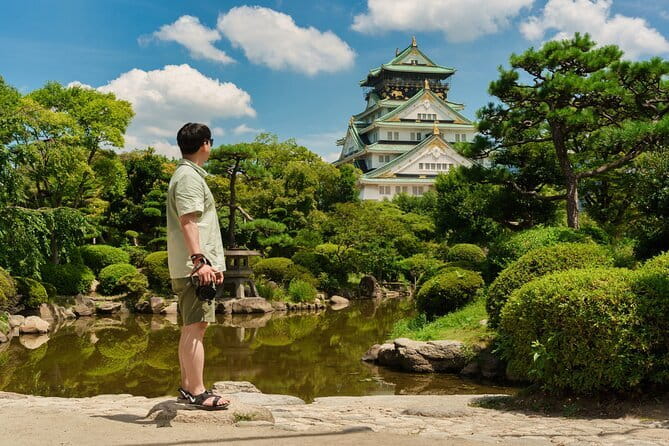
At $170 per person, this is not a budget sightseeing activity. The value depends on how seriously you take the photography lesson and how many people share the cost. Group discounts are available, which may make the price easier to justify for a small private party.
You are paying for more than a guide who knows the streets. The package includes a local guide, a professional photographer guide, and a private tour. In practical terms, the value lies in the individual attention, the route planning, and the chance to leave with better habits rather than only a set of snapshots.
This price makes more sense if you are already carrying a camera and want help using it in a difficult city setting. It also makes sense if you want photographs of Osaka that feel more personal than standard tourist images. If you only want to see Shinsekai and Dotonbori, a regular walking tour will likely cost less.
The tour is booked an average of 72 days in advance, so it is sensible to reserve early if the timing matters to you. Confirmation is provided at booking, and cancellation is free up to 24 hours before the start time. Changes or cancellations inside that window are not accepted for a refund.
What to bring and how to prepare
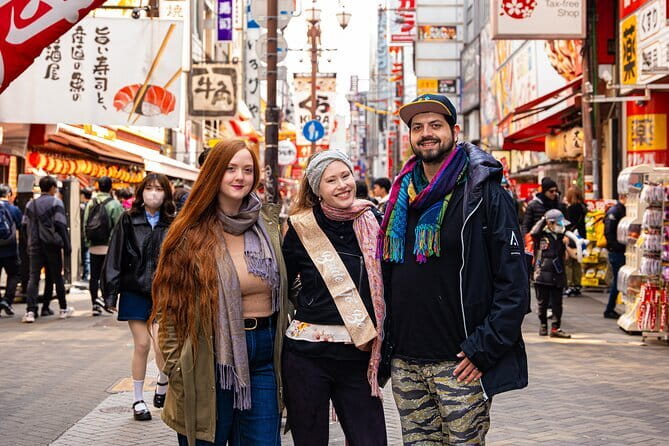
Bring the camera you plan to use on the rest of your Japan trip. A lesson is more useful when you learn on the same equipment you will carry afterward. If you use a phone, bring that rather than borrowing a dedicated camera you do not understand.
A tripod is not supplied. Bring your own if you want to concentrate on long exposures, especially for the night route. The equipment list does not include a camera either, so make sure you are not assuming rental gear is part of the booking.
Before the session, learn a few basic controls on your camera. You do not need to be an expert, but you should know how to take a picture, change the shooting mode, and review an image. The guidance from Irven will be easier to apply if you can make adjustments without searching through menus.
It is also worth deciding between the day and night options before booking. The day route gives you Shinsekai, Tsutenkaku Tower, and Dotonbori, with more attention to street scenes and architecture. The night route gives you a tighter focus on Dotonbori, light, reflections, and motion.
Who will get the most from this experience
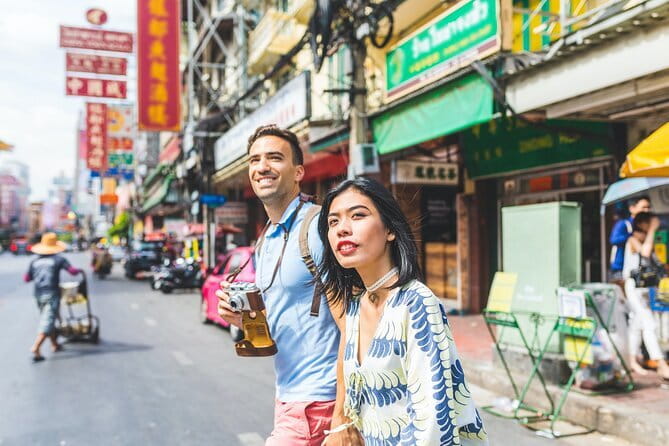
This suits beginners who want patient, one-to-one help in a real city rather than a classroom. It also suits photographers who understand their equipment but struggle to find strong subjects or compositions when a place is crowded and visually busy.
Phone photographers are welcome in practical terms, since the techniques offered can apply to an iPhone. Families, couples, and small groups may also benefit from the private format, particularly if everyone wants photographs of the same outing but has different levels of experience.
It is less suitable if you want a fixed sightseeing program with many named attractions. The focus is photography, not a broad survey of Osaka. It may also be poor value if you already have strong street and night photography skills and do not need local guidance.
The meeting point is listed at 3-21 Osakajo, Chuo Ward, Osaka, with the activity ending back there. Check the exact meeting instructions carefully before setting out, since the featured photography areas are Shinsekai and Dotonbori. The experience is near public transportation, and most people can participate. Service animals are allowed.
My verdict: book it for instruction, not just sightseeing
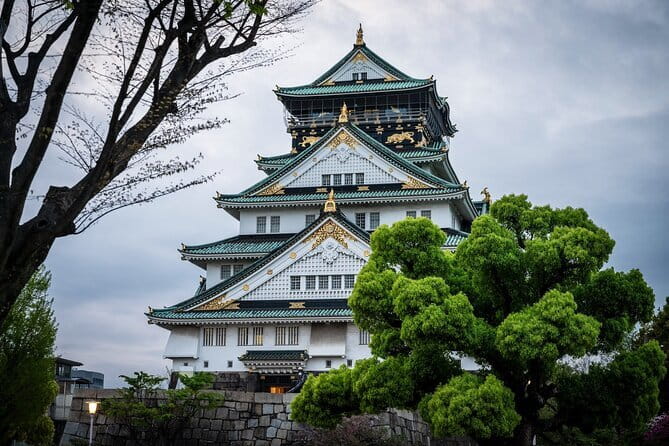
I would book this if you want to improve your photography while seeing Osaka through a local photographer’s eyes. The best reasons are the private format, Irven’s patient teaching style, and the clear contrast between Shinsekai by day and Dotonbori after dark.
Choose the day route if you want a wider mix of street scenes, architecture, and Osaka character. Choose the night route if your priority is neon, reflections, movement, and long exposure. Bring your own camera, add a tripod for serious night work, and arrive ready with questions.
At $170 per person, it is a specialist experience rather than a casual walk. For someone who wants a few nice pictures, it may be too costly. For someone who wants to understand why a photograph works and leave with techniques that apply to a camera or iPhone, it offers a clear and personal way to spend three hours in Osaka.
FAQ
How long is the Osaka Photography Masterclass?
The private photography lesson lasts about three hours.
Is this a private tour?
Yes. Only your group participates in the activity.
Who is the photography guide?
Irven is the guide named in the available experience information. He provides photography instruction and local guidance.
Can I use an iPhone instead of a camera?
Yes. The photography techniques and suggestions can apply to iPhone photography as well as dedicated cameras.
Is a camera included?
No. You must provide your own camera or phone.
Is a tripod included?
No. A tripod is not included, so bring your own if you want to practice long-exposure photography.
Where does the activity start and finish?
The meeting point is 3-21 Ōsakajō, Chuo Ward, Osaka, 540-0002, Japan. The activity ends back at the meeting point.
Can I cancel for a full refund?
Yes, if you cancel at least 24 hours before the experience start time. Cancellations or changes made less than 24 hours in advance are not refunded or accepted.
Just added in Osaka
- Urban Canvas: Osaka Street Art Bike Tour★ 5.0 · 10 reviews
- Anime Cosplay Photshoot-50 Digital Photos Provided★ 5.0 · 8 reviews
- TeamLab Botanical Garden Osaka Ticket★ 3.5 · 6 reviews
- Umeda Sky Building & Kuchu Teien Observatory Ticket in Osaka★ 4.5 · 3 reviews
- Immerse in Judo Martial Arts Class from Japan★ 5.0 · 4 reviews
- Cherry Blossom Buddha and Mt.Yoshino with Strawberry Picking Tour★ 4.5 · 5 reviews
- Traditional Home cooking Experience in Osaka, Japan★ 5.0 · 14 reviews
- Traditional Calligraphy Experience near Dotonbori★ 5.0 · 3 reviews
Photography Sessions, compared.
Guided Photography Tour in Osaka: Capturing Memories
Read our review →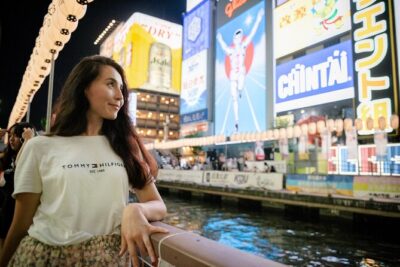
Osaka Dotonbori Night Photoshoot – Private | Pro Photographer
Read our review →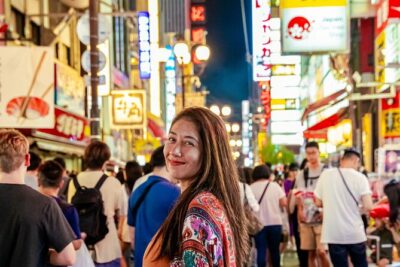
Private Vibrant Night Photoshoot Experience in Osaka (Dotonbori)
Read our review →
Osaka Kimono Experience – Quick Traditional Dress & Photos
Read our review →
Browse the lists this tour appears in