
Reviewed · OSAKA SUMO EXPERIENCES
Sumo Wrestling Tournament Chair Seats & Expert Guide | Osaka Mar
At Edion Arena Osaka, you get more than a seat at a wrestling match. You get a guide beside you to explain the hand claps, salt throwing, ring ceremonies, ranking system, and sudden bursts of force that make sumo hard to follow at first. Yuki and Mai are named guides connected with this experience, and both are described as friendly, helpful, and strong at explaining the sport.
I like two things in particular: the chance to see the final, most important bouts from close seating, and the small group size of up to five people. I also like that you can move around after reaching your seat and leave once for the day if needed. The main catch is that the seating details need careful checking, since the tour is described as A-class front-row seating in one place and S-seat chairs on the second floor in another. Snacks are not included, either.
Key points to know before you book
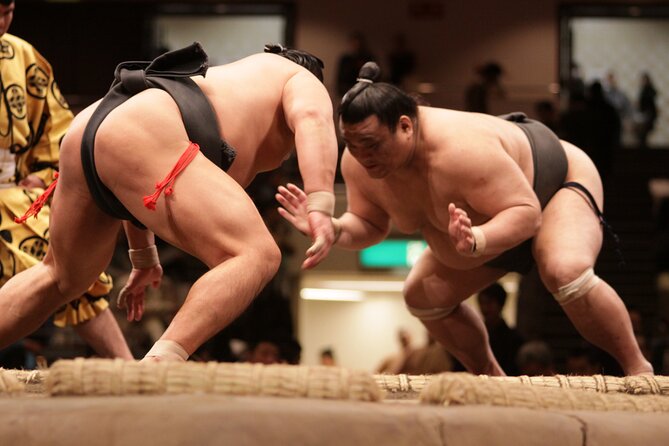
- The strongest bouts begin around 4 p.m. The afternoon starts quietly, but the top-ranked wrestlers appear from about 4 p.m. until the final match near 6 p.m.
- Your guide sits with you. Ask questions during the tournament instead of trying to learn the rules from a booklet alone.
- The group is limited to five people. This gives the outing a personal feel without the cost of a large private tour.
- Seating is chair-based. You do not need to sit on your knees, and eating and drinking at your seat are allowed.
- A guidebook and photos are included. Snacks are not included, so plan to buy or bring something yourself.
- The meeting point is Edion Arena Osaka. The session begins at 2 p.m. and finishes at the same venue around 6 p.m.
Why Osaka sumo is worth four hours
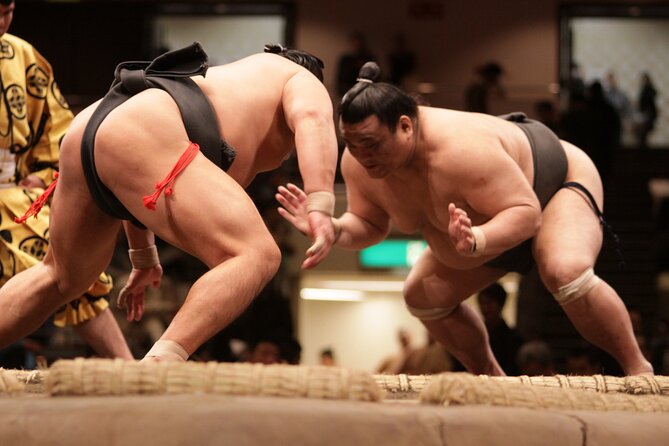
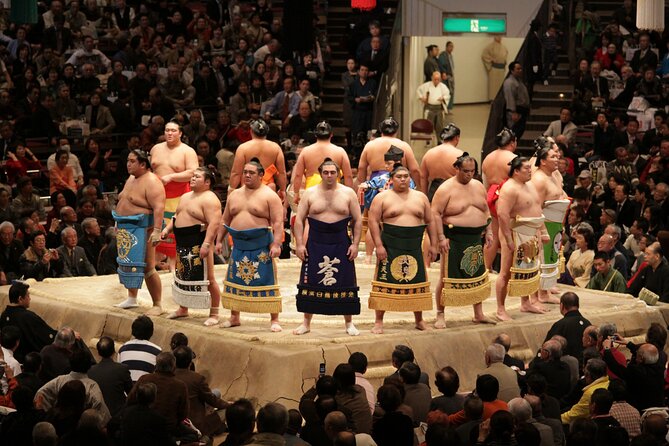
Sumo is easy to misunderstand if you arrive only for the final matches. A bout may last seconds, but the event around it moves at a slower, formal pace. Wrestlers enter, face one another, perform ritual movements, and return to their corners. The waiting is part of the show.
This tour gives you time to see that full rhythm. You meet at 2 p.m., well before the strongest matches, then enter the arena and settle into your seat. The later afternoon brings the real sporting drama, but the earlier hours help you understand what you are watching.
That timing matters. If you arrive just before the top bouts, you will see the biggest names but miss much of the ceremony and buildup. Here, your guide can point out the parts that might otherwise look like repeated movements or long pauses.
I also like the way this format keeps the focus on the live event. You are not watching a demonstration in a tourist venue. You are attending a tournament at Edion Arena Osaka, where Japanese television coverage begins for the most important matches.
More sumo experiences in Osaka:
- Osaka: Sumo Show & Experience w/ Optional Kimono & Hot Pot
★ 4.5 · 609 reviews - Osaka: Sumo Stage Show with Bento or Snack + Fight & Photo
★ 4.3 · 364 reviews - Osaka Sumo Experience with Live Show and Audience Challenge
★ 5.0 · 162 reviews
Meeting at Edion Arena Osaka at 2 p.m.
The starting point is the front of Edion Arena Osaka in Naniwa Ward, at 3-chome 4-36 Nambanaka. The exact meeting details are supplied two to three days before the event, so you should read the final instructions carefully rather than relying only on a general map pin.
The arena is near public transportation, which helps because you do not need private transport as part of the booking. Private transportation is not included, and the tour ends back at the same venue. Allow enough time to reach the area before 2 p.m., especially if you are unfamiliar with Osaka’s station exits.
Your guide will be waiting at the front of the venue. The group size is limited to five people, and the activity is described as private, meaning only your own group participates in the guided session. That is a useful middle ground: you get personal help without arranging a fully private premium booking.
The guide is not just there to hand over a ticket. You remain with the guide during the tournament and can ask questions about the sport and its customs. Yuki is specifically connected with several sessions, while Mai is also named as a warm and hospitable guide. The exact guide for your date may vary.
Getting settled in the tournament hall
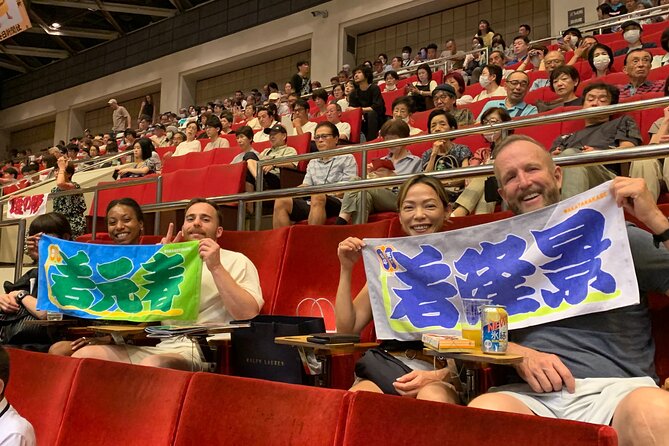
After meeting the guide, you enter the arena and go to your assigned seats. Once you reach the seating area, you are free to move around. That is helpful if you want to look for the museum or gift store, take a short break, or get your bearings before the key matches begin.
Food and drink are allowed at your seat, and the chair setup is easier on your legs than traditional kneeling positions. This is a practical benefit, not a small one. The tournament lasts about four hours, and sitting comfortably lets you pay attention to the action instead of thinking about your knees.
There is one important point to clarify before payment. The tour summary describes an A-class ticket in the front one or two rows. The detailed seating information describes S-seat chairs on the second floor, with a broad view of the entire arena and no ability to choose a specific seat. Since these descriptions do not match perfectly, confirm the current seating category and position with the provider if being close to the ring is essential to your decision.
The supplied details do agree on the main advantages: chair seating, permission to eat and drink at your place, and a good view of the full arena. If you prefer to understand the overall movement of the tournament, a panoramic view can be useful. If your priority is seeing the wrestlers at extremely close range, ask for precise seat information before booking.
Reading the ritual before the action
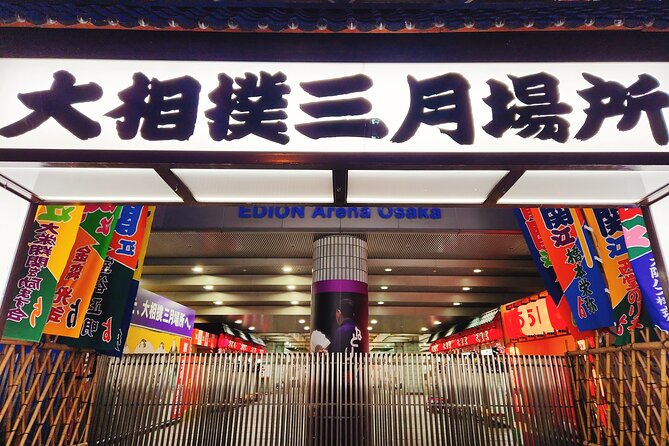
Sumo rewards a little explanation. The contest itself is simple: two wrestlers try to force one another out of the ring or make the other touch the ground with something besides the soles of the feet. The ceremony around that contest carries much of the meaning.
Your guide can help you notice the gestures and customs that pass quickly on the first visit. You can ask why wrestlers throw salt, what the ring entrance means, and how rank affects the order of the bouts. The included original sumo guidebook gives you something to consult during the event, but the real value comes from having a person beside you who can explain what is happening at the moment it occurs.
This is where the tour is stronger than a standard admission ticket. A ticket gets you into the arena. This experience adds context while the event is in front of you, so you do not have to memorize rules before arriving.
The guide also helps with practical matters. If you have a question, need to leave the seating area, or want help finding the museum or gift store, you have someone to ask. One re-entry is allowed during the day, but you should tell the guide before leaving the venue.
A few more Osaka half-days worth pricing up
- From Kyoto/Osaka: Kyoto Top Highlights 1-Day Guided Bus Tour
★ 4.5 · 714 reviews - Osaka: Main Sights and Hidden Spots Guided Walking Tour
★ 4.9 · 702 reviews - Osaka: Guided Food Tour with 12 Dishes at 4 Local Eateries
★ 5.0 · 533 reviews - Osaka: Namba Pub Bar Crawl with a Local Guide
★ 4.9 · 424 reviews
The 3:40 p.m. nakabi ceremony
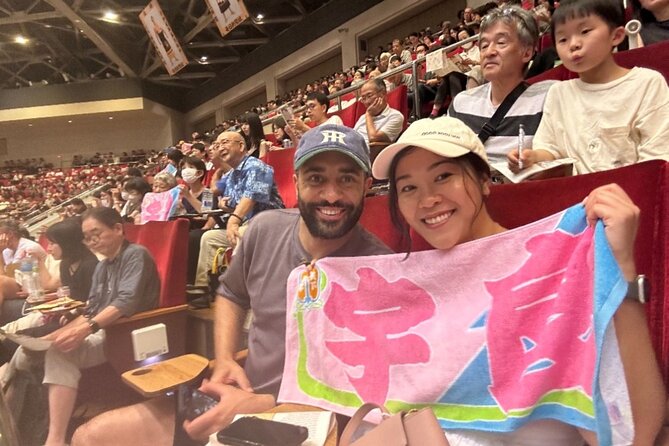
Around 3:40 p.m., the tournament reaches a major turning point called the nakabi. This is a ceremony before the bouts involving particularly strong wrestlers. You watch it from your seats, which lets you see the formal presentation before the harder matches begin.
The nakabi is worth treating as more than a pause between bouts. It marks the shift from the earlier part of the tournament to the section most people have come to see. Your guide can explain who is being presented and why this portion carries extra weight.
This is also a good time to stay focused on the ring rather than wandering around. The ceremony provides the bridge between the day’s opening matches and the high-ranking wrestlers. If you are buying a snack or visiting the gift shop, do it earlier, then return to your seat by this point.
The big bouts from 4 p.m. to 6 p.m.
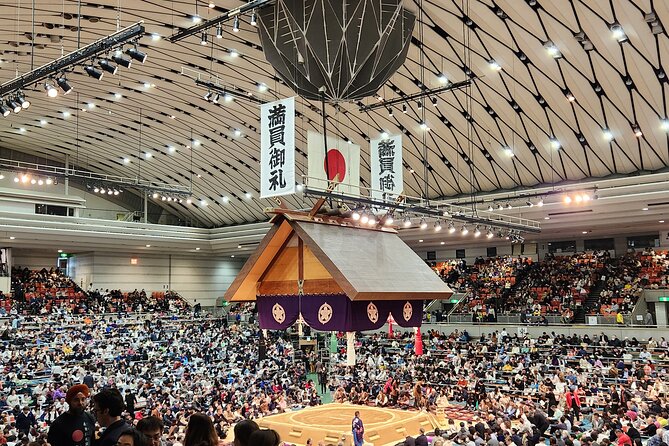
From about 4 p.m. until the final match around 6 p.m., the tournament takes on a different feel. The strongest wrestlers begin competing, and Japanese television coverage starts. The pace, attention, and noise all rise as the higher-ranked competitors take their turns.
This is the part that gives the tour its value for first-time visitors. You see the full ceremony, but you also get the main sporting event. Sumo can look slow until two wrestlers collide and the bout ends almost at once. A guide can help you understand the tactical choices before that sudden burst of action.
Use the early part of the session to ask basic questions. Once the major bouts begin, you will want to watch rather than hold a long conversation. A useful approach is to ask about rankings, rituals, and rules before 4 p.m., then let the guide add short explanations as the action unfolds.
The guide sits with you, so the experience does not depend on finding the right information on your phone. That matters in a crowded arena, where the most memorable moments can happen before you have time to look something up.
What the $182 price includes
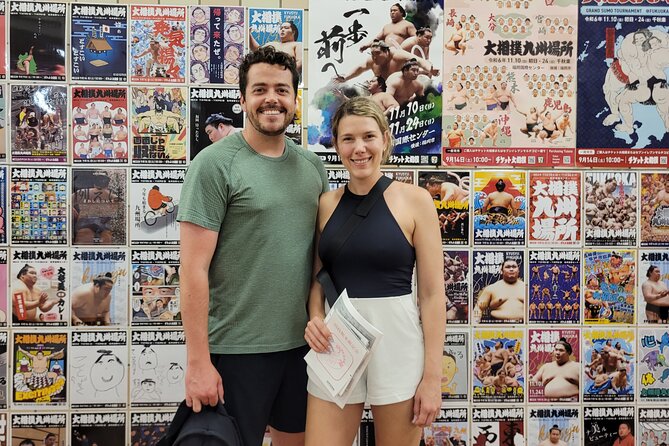
At $182, this is not a budget ticket. You are paying for more than admission, though. The price includes the tournament ticket, a professional guide, an original sumo guidebook, and tour photos.
The guide is the main value. If you already follow sumo closely and know the rules, ranks, ceremonies, and customs, you may prefer to buy a ticket directly and attend on your own. If this is your first tournament, the added explanation can make the difference between watching a series of unfamiliar rituals and understanding the event as it happens.
The small group also supports the price. With no more than five people, you should have a better chance to ask questions than on a large group outing. The activity is also described as private for your group, which makes it more personal than a standard shared sightseeing tour.
Snacks are not included. Food and drink are allowed at the seat, so plan to purchase or bring them separately. The overview refers to relaxing with drinks and snacks, but the included items specifically exclude snacks. I would treat refreshments as your responsibility and avoid assuming they are provided.
The seat description is the other issue to resolve. The advertising refers to A-class front one to two row seats, while the detailed section refers to S-seat chairs on the second floor. The value changes depending on which description applies, so confirm before you commit if seat location is central to your plans.
Who will get the most from this experience
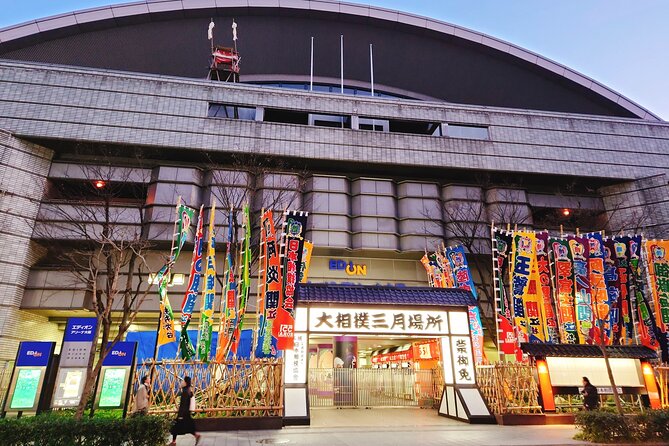
I would recommend this to a first-time sumo spectator who wants help understanding the sport without spending hours studying beforehand. It also suits anyone who wants the convenience of a guide at the arena, especially if Japanese event customs are unfamiliar.
Families and older visitors may appreciate the chair seating. You do not need to sit in seiza, or a kneeling position, and you can eat and drink while watching. Most people can participate, and the venue is near public transportation.
This is also a good choice if you want a focused four-hour activity with no long transfer between sights. You meet at 2 p.m., remain at the arena, and finish there around 6 p.m. The schedule cannot be changed, so it works best for someone who can give the afternoon to sumo.
I would hesitate if you dislike fixed schedules or want a flexible evening. The session time cannot be altered, and the group disbands after the final match. You also cannot select your exact seat, according to the detailed information supplied.
Final match and the walk back into Osaka
The tour ends around 6 p.m., after the final bout, back at Edion Arena Osaka. There is no private transportation afterward, so you can continue your evening from the arena under your own arrangements.
That simple ending is useful. You are not rushed out halfway through the top matches, and you do not need to return to a separate meeting point. You can leave with the guidebook and tour photos, then make your own plans in Osaka.
The free cancellation rule is generous if your schedule changes: cancel at least 24 hours before the 2 p.m. start for a full refund. Cancellations or changes made within 24 hours are not refunded or accepted, based on local time.
Should you book this Osaka sumo tour?
Book it if you want the full tournament atmosphere, a guide at your side, and a small group rather than a ticket-only visit. The best reasons are the expert explanation during the event, the comfortable chair seating, the early arrival before the nakabi ceremony, and the chance to watch the strongest bouts from about 4 p.m. onward.
Before booking, confirm the exact seat category. The supplied details use two different descriptions, A-class front rows and S-seat chairs on the second floor. At $182, that distinction matters.
If you are new to sumo, the guided format is worth considering because it turns unfamiliar ceremony into part of the story. If you already know the sport well, compare the price with a regular ticket and decide how much the guide, photos, and small group are worth to you. For a first Osaka tournament, I would choose this format, provided the seating location matches your expectations.
FAQ
Where does the sumo experience begin?
It begins at the front of Edion Arena Osaka in Naniwa Ward, Osaka, at 3-chome 4-36 Nambanaka.
What time should I meet the guide?
The meeting time is 2 p.m. The final meeting details are provided two to three days before the event.
How long does the experience last?
The session lasts about four hours, from 2 p.m. until around 6 p.m.
How many people can join the group?
The group is limited to up to five guests. The activity is described as private for your group.
What seating is provided?
The experience includes a Class A ticket, described in the summary as front one to two rows. The detailed seating information describes S-seat chairs on the second floor and says that specific seats cannot be selected. Confirm the current seating details before booking.
Can I eat and drink at my seat?
Yes. Eating and drinking at your seat are allowed. Snacks are not included in the tour price.
Can I leave and return to the arena?
One re-entry is allowed during the day. Tell the guide if you need to leave the venue.
What is included in the price?
The price includes the tournament ticket, an original sumo guidebook, a professional guide, and tour photos. Private transportation and snacks are not included.
What is the cancellation policy?
You can receive a full refund if you cancel at least 24 hours before the experience start time. Cancellations or changes made within 24 hours are not accepted and are not refunded.
Just added in Osaka
- Urban Canvas: Osaka Street Art Bike Tour★ 5.0 · 10 reviews
- Anime Cosplay Photshoot-50 Digital Photos Provided★ 5.0 · 8 reviews
- TeamLab Botanical Garden Osaka Ticket★ 3.5 · 6 reviews
- Umeda Sky Building & Kuchu Teien Observatory Ticket in Osaka★ 4.5 · 3 reviews
- Immerse in Judo Martial Arts Class from Japan★ 5.0 · 4 reviews
- Cherry Blossom Buddha and Mt.Yoshino with Strawberry Picking Tour★ 4.5 · 5 reviews
- Traditional Home cooking Experience in Osaka, Japan★ 5.0 · 14 reviews
- Traditional Calligraphy Experience near Dotonbori★ 5.0 · 3 reviews
Osaka Sumo Experiences, compared.
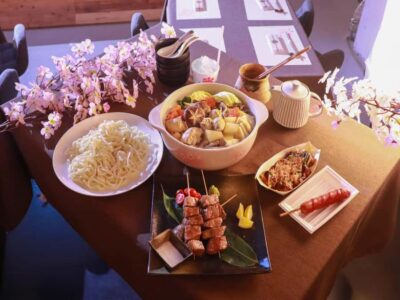
Sumo Show & Experience w/ Optional Kimono & Hot Pot
Read our review →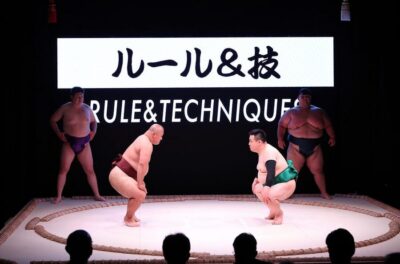
Sumo Stage Show with Bento or Snack + Fight & Photo
Read our review →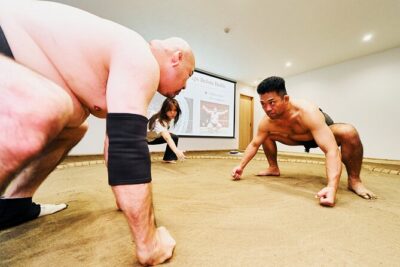
Osaka Sumo Experience with Live Show and Audience Challenge
Read our review →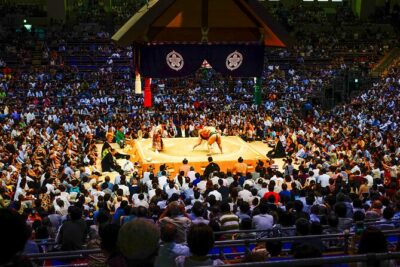
Browse the lists this tour appears in