
Reviewed · OSAKA SUMO EXPERIENCES
Sumo Tournament Experience in Osaka
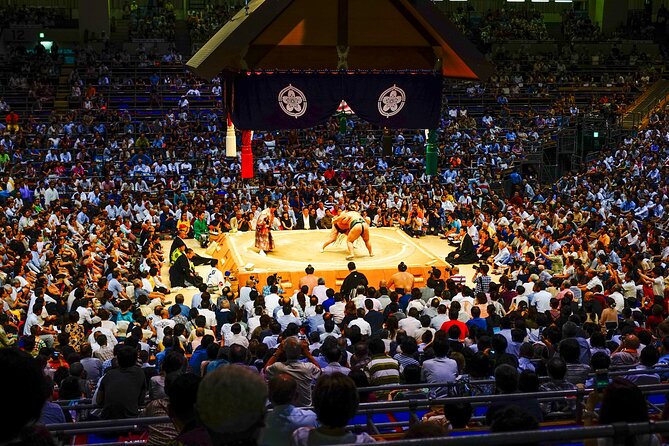
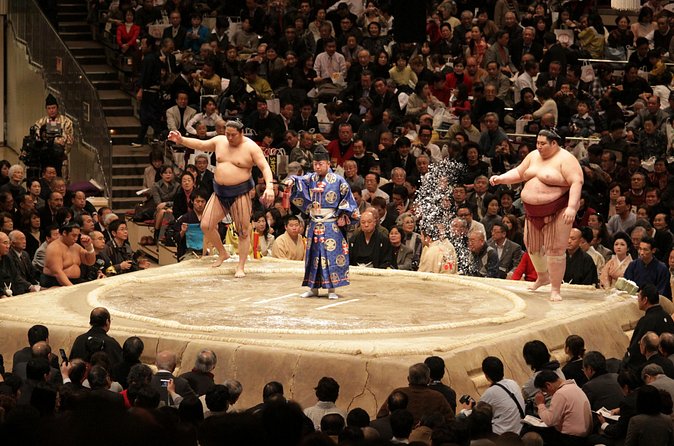
Osaka’s March Grand Sumo Tournament gives you a close look at Japan’s oldest major sport, from salt purification rituals to the tense silence before a wrestler charges. The four to five hour outing combines a reserved arena seat with an English-speaking sumo expert, so you understand what is happening instead of simply watching two enormous men collide.
I like the way the guide explains the customs through an audio headset, and I like the chance to see famous wrestlers enter the arena before their matches. The optional chanko hot pot dinner also adds a useful taste of stable life, although the tour is offered only during Osaka’s March tournament and must reach its minimum group size.
Key points
- Osaka’s official March basho: This is the city’s one annual Grand Sumo Tournament, with 15 days of scheduled matches.
- A guide who explains the action: An English-speaking local sumo expert covers rituals, rankings, rules, and famous wrestlers through an audio headset.
- Reserved seating choices: Basic D seats sit high in the arena, Standard B or C seats are in the main arena, and Premium A or S seats are closest to the ring.
- A chance to greet wrestlers: You can cheer as top wrestlers enter EDION Arena Osaka before their matches.
- Optional chanko dinner: Add the hot pot associated with sumo wrestlers, or request sukiyaki or a vegetarian meal at least one week ahead.
- A small-group format: The group can include up to 24 people, with at least 15 required for the experience to operate.
Why the March basho matters in Osaka
The official sumo calendar has six tournaments each year, called basho, and each lasts 15 days. Tokyo hosts three, while Osaka gets the March event. Nagoya, Fukuoka, and Tokyo host the remaining tournaments.
That makes this a seasonal experience rather than a daily Osaka attraction. If you are in town during March, you have a rare chance to see the sport in its proper tournament setting. If your trip falls in another month, this particular event will not be available in Osaka.
Sumo is not just a contest of strength. It is a gendai budo, or modern Japanese martial art, shaped by old rules and strict habits. Wrestlers generally live in communal heya, or training stables, where their meals, clothing, training, and daily routine are closely controlled.
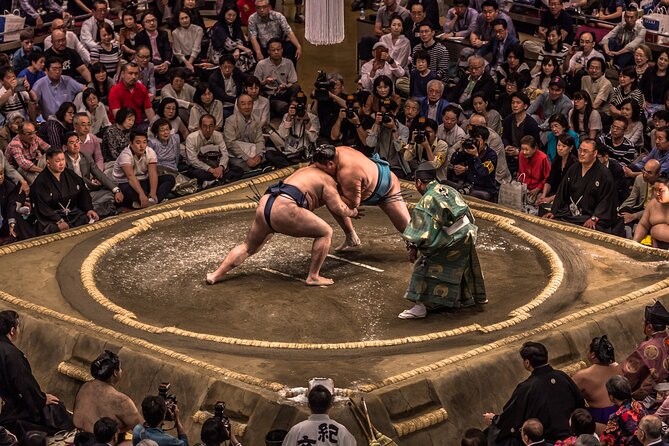
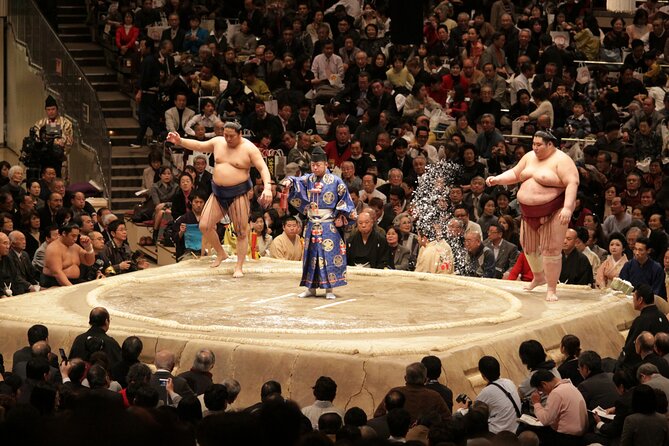
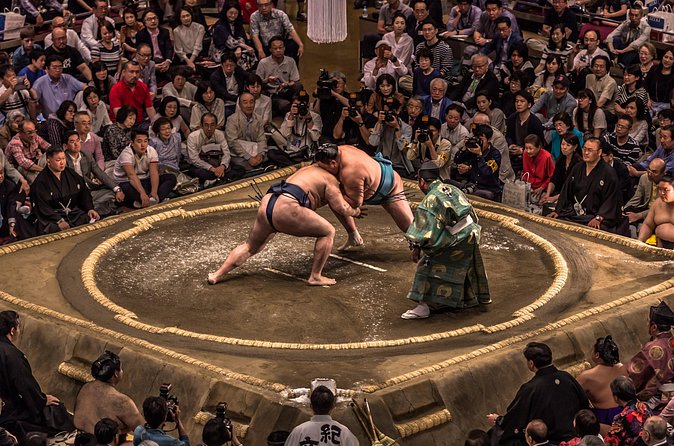
You will see some of this tradition in the arena. The salt thrown into the ring is used for purification. The formal movements before a bout can seem slow when you first see them, but the guide helps explain why the wrestlers take their time. The match itself may last only seconds, making the build-up part of the drama.
More sumo experiences in Osaka:
- Osaka: Sumo Show & Experience w/ Optional Kimono & Hot Pot
★ 4.5 · 609 reviews - Osaka: Sumo Stage Show with Bento or Snack + Fight & Photo
★ 4.3 · 364 reviews - Osaka Sumo Experience with Live Show and Audience Challenge
★ 5.0 · 162 reviews
Meeting near EDION Arena Osaka at 2:00 pm
The meeting time is 2:00 pm, and the exact meeting point is sent by email at least one week before the date. Arrive at least 10 minutes early. This is a group outing, and the guide may not be able to wait for late arrivals.
That warning matters. If you miss the beginning, you may need to meet the group at the next location. The guide’s phone number is provided before the outing, so keep it handy if a delay is unavoidable.
EDION Arena Osaka is near public transportation, which makes the meeting point practical. You do not receive hotel pickup or drop-off, so you are responsible for getting to the arena and returning afterward. Since the experience begins at 2:00 pm and lasts about four to five hours, plan your Osaka day around it rather than trying to squeeze it between several distant sights.
One useful detail from the guide team is the personal touch. Yuka, one of the guides associated with this experience, has been described as easy to find beside the arena, friendly, informative, and relaxed. Your assigned guide may be someone else, but the local guide setup is meant to take the worry out of finding the right entrance and understanding the schedule.
Watching wrestlers enter before the matches
One of the best parts comes before you settle into your seat. You can cheer for and greet well-known wrestlers as they enter the stadium for their big matches.
This gives the event a human face. On television, sumo can look like a series of isolated bouts. At the arena, you see the anticipation build as wrestlers arrive, the crowd reacts, and the athletes prepare for the day’s contests.
Your guide adds context about famous wrestlers from the past and present. That helps you follow the names and rankings, especially if you know little about sumo before arriving. You also receive a banzuke-hyo, the official table of rankings, which gives you something useful to study during the tournament.
The timing can include some waiting before you take your seat. The group may need to wait until earlier matches finish before entering or being seated. This is not wasted time, but it can feel slow if you expect to walk in and sit immediately. Bring patience, and use the pause to look over the rankings and listen to the guide.
Choosing between D, B, C, A, and S seats
The seat category makes a real difference. The arena is compact, so even the higher D seats offer a full view of the ring, but distance still affects how well you see the wrestlers’ expressions and footwork.
Basic D seats are in the upper corners of the arena. They are the budget choice and give you a broad view of the action. Binoculars are recommended if you want a closer look.
Standard B or C seats are in the main arena, with chair seating and a better balance of view, comfort, and cost. These are a sensible choice for most people. You remain close enough to feel the crowd’s response without paying the highest price. Binoculars are still recommended for a sharper view of the action.
Premium A or S seats are in the front arena section, closest to the ring. These provide the most immediate view of the rituals and bouts. If sumo is a major reason for your Japan trip, the extra cost may be worthwhile. If you mainly want to understand the sport and feel the atmosphere, Standard seating should be enough.
The advertised price begins at $142.40 per person, though the final amount depends on the seat category and any dinner option you select. That price covers the reserved ticket, ticket service work, the guide, printed sumo information, the banzuke-hyo, and the headset. Compared with buying only an entry ticket, you are paying for interpretation and organization as well as admission.
I see the best value in the Standard option. D seats save money but may leave you wishing for binoculars, while Premium seats make sense mainly for serious sumo fans or for a special occasion.
Same city, a completely different kind of afternoon:
- Osaka Go Karting Tour with Funny Costume
★ 5.0 · 2,658 reviews - Osaka Castle: Museum and Tower Entry Ticket
★ 4.5 · 2,380 reviews - Osaka: Shinsekai Food Tour with 13-15 Dishes at 5 Eateries
★ 4.8 · 2,204 reviews - Osaka Food Tour: 13 Dishes at 5 Local Eateries
★ 5.0 · 2,149 reviews
Understanding the sport through an audio headset
The headset is a small but important part of the experience. Sumo moves between quiet ritual and sudden impact, and a guide cannot always speak loudly enough for a group of up to 24 people inside a crowded arena.
With the headset, you can hear explanations about the ceremonies, rules, rankings, wrestlers, and the meaning of the salt purification. You can also keep watching the action rather than turning away from the ring to find the guide.
The guide’s job is not simply to translate what happens. A good explanation helps you notice the long preparation before a bout, the way wrestlers face each other, and the strict behavior expected inside the ring. Even if you arrive with no knowledge of sumo, you should be able to follow the basic rhythm by the end.
There may be congestion around the Sumo Museum. If the area is too crowded, the guide may ask you to look around on your own. That is practical, but it means the museum portion may not be a fully guided stop. Think of the arena and the live matches as the main event, with the museum as an extra look if conditions allow.
What the optional chanko dinner adds
At checkout, you can choose dinner at a local chanko hot pot restaurant. Chanko nabe is known as sumo stew, and it is associated with the meals served in sumo stables. The dish uses chicken stock as a base with vegetables, and a large pot can feed many people at once, which suits wrestlers after training.
The dinner gives you a direct food connection to the sport. Instead of hearing only about how wrestlers eat, you can sit down to a dish linked to that daily routine. Drinks are not included.
Chanko is the default dinner choice, but sukiyaki or a vegetarian option can be requested in the special requirements field at least one week before the outing. Traditional chanko broth commonly uses pork or chicken. The restaurant may substitute the broth for a vegetarian request, but you should state your needs early.
Once the dinner request has been accepted, changes cannot be made one week before the date. That is worth noting if your plans are uncertain or if someone in your group has strict dietary requirements.
Food and drinks are not included unless you add dinner. Inside the arena, outside food and drinks are not allowed, but you can buy food from vendors there. Plan your appetite accordingly, since the afternoon schedule and seating arrangements may not leave you free to eat whenever you wish.
Group size, timing, and the practical trade-offs
The group can reach 24 people, with at least 15 needed for the outing to operate. This is not a private tour, so you will share the guide’s attention and move according to the group schedule.
The size is still manageable for an arena visit, especially with headsets. A private guide would offer more flexibility, but it would likely cost much more. The group format keeps the price within reach while providing someone who can explain the sport in English.
Book early. Three months ahead is the ideal target, with one month as the minimum suggested planning window. Group tickets are released by the Sumo Association about four to seven weeks before the tournament date. If tickets cannot be obtained, the operator says it will notify you within four weeks and offer another date or a full refund.
That ticket timing is unusual enough to take seriously. You may reserve well ahead of the tournament, but the final seating process depends on when group tickets become available. Confirmation is issued when you book, yet the ticket supply still affects the final arrangement.
The cancellation policy is strict: the experience is non-refundable and cannot be changed after purchase. Planning work, guide arrangements, ticket purchases, and restaurant reservations may already begin after booking. If the minimum group size is not reached, the experience may be canceled and you will be offered another date or experience, or a full refund.
Who will enjoy this Osaka sumo experience
I would choose this for a first-time sumo spectator who wants help reading the event. The rules and customs are not impossible to understand, but an English-speaking guide makes the afternoon far more rewarding.
It also suits families and mixed-interest groups. Someone who is fascinated by Japanese tradition can focus on rituals and rankings, while a sports fan can watch the bouts and track the competitors. The chair seating in the B and C categories is more straightforward than traditional floor seating, which may matter if you prefer a standard arena chair.
Serious sumo followers should consider Premium seating, especially if the tournament is a central purpose of the trip. The closest seats provide the most direct view, though the experience still depends on the tournament schedule and the bouts taking place that day.
I would hesitate only if your Osaka plans are fixed around tight transportation connections, if you dislike group timing, or if the non-refundable policy makes you uneasy. The possible wait before seating and the chance of congestion at the museum also require a flexible attitude.
Should you book the March sumo tournament?
Book it if you will be in Osaka during the March basho and want more than a ticket. The guide, headset, rankings sheet, reserved seating, and optional chanko meal turn the event into a cultural lesson as well as a sporting afternoon.
For most people, I would choose Standard B or C seating and add the dinner only if you want the food connection. Use binoculars if you select D, B, or C seats. Arrive early, keep the guide’s phone number available, and make dietary requests at least a week ahead.
Skip it if you need a flexible cancellation policy or if your trip does not line up with Osaka’s March tournament. For the right dates, though, this is a strong way to see sumo as Japan practices it, with the noise, ceremony, rankings, and sudden bursts of force all happening in the same arena.
FAQ
When does the Osaka sumo tournament take place?
The official Osaka Grand Sumo Tournament takes place in March. It is one of six official 15-day tournaments held in Japan each year.
How long does the sumo experience last?
The experience lasts approximately four to five hours.
Where does the experience take place?
The main stop is EDION Arena Osaka. The exact meeting point is sent by email at least one week before the date.
What time should I meet the group?
The listed start time is 2:00 pm. You should arrive at least 10 minutes early because the group may leave without late arrivals.
What seating options are available?
Basic includes D seats in the upper balcony. Standard includes B or C seats in the main arena. Premium includes A or S seats in the front arena section.
Is dinner included?
Dinner is optional and must be selected at checkout. Chanko hot pot is the default, while sukiyaki or a vegetarian option can be requested at least one week in advance.
Can I bring food or drinks into the arena?
No. Outside food and drinks are not allowed, but food is available for purchase from vendors inside the arena.
What happens if the minimum group size is not reached?
The experience requires at least 15 participants. If it is canceled because the minimum is not met, you will be offered another date or experience, or a full refund.
Just added in Osaka
- Urban Canvas: Osaka Street Art Bike Tour★ 5.0 · 10 reviews
- Anime Cosplay Photshoot-50 Digital Photos Provided★ 5.0 · 8 reviews
- TeamLab Botanical Garden Osaka Ticket★ 3.5 · 6 reviews
- Umeda Sky Building & Kuchu Teien Observatory Ticket in Osaka★ 4.5 · 3 reviews
- Immerse in Judo Martial Arts Class from Japan★ 5.0 · 4 reviews
- Cherry Blossom Buddha and Mt.Yoshino with Strawberry Picking Tour★ 4.5 · 5 reviews
- Traditional Home cooking Experience in Osaka, Japan★ 5.0 · 14 reviews
- Traditional Calligraphy Experience near Dotonbori★ 5.0 · 3 reviews
Osaka Sumo Experiences, compared.
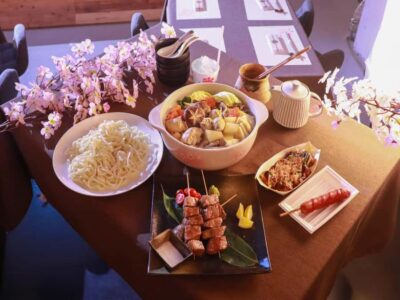
Sumo Show & Experience w/ Optional Kimono & Hot Pot
Read our review →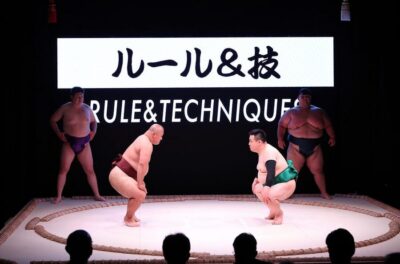
Sumo Stage Show with Bento or Snack + Fight & Photo
Read our review →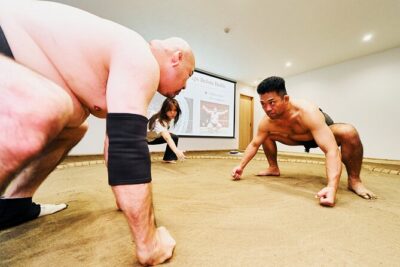
Osaka Sumo Experience with Live Show and Audience Challenge
Read our review →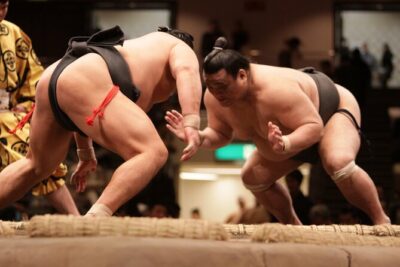
Sumo Wrestling Tournament Chair Seats & Expert Guide | Osaka Mar
Read our review →Browse the lists this tour appears in