
Reviewed · KYOTO DAY TRIPS FROM OSAKA
Kyoto Top Four Highlights Day Trip from Osaka or Kyoto
Kyoto’s biggest sights are spread across the city, and this nine-hour minibus tour tackles them in one ambitious day. You’ll see Nijo Castle, the Golden Pavilion, Arashiyama’s bamboo grove, and Fushimi Inari’s torii gates without having to piece together several train and bus rides. I like the efficient route and the clear structure, especially when guides such as Theodore, Amy, Brian, and Jackson keep the day moving with directions and local context.
I also like that the tour leaves time for independent wandering and lunch instead of keeping you beside the guide every minute. The main tradeoff is pace: with up to 45 people and several widely separated sights, this is a highlights day, not a slow Kyoto visit. Admission fees and lunch are extra, and a crowded stop can feel hurried.
Key points to know before booking
- Four major Kyoto areas in one day: Nijo Castle, Kinkaku-ji, Arashiyama, and Fushimi Inari cover a wide range of Kyoto sights.
- About nine hours from Osaka or Kyoto: The air-conditioned vehicle saves you from arranging several separate train and bus connections.
- The bamboo forest comes with several Arashiyama stops: You also get Nonomiya Shrine, the Kimono Forest, Togetsukyo Bridge, and the Rilakkuma Tea House area.
- Two admission fees are not included: Budget ¥1,300 for Nijo Castle and Ninomaru Palace, plus ¥500 for Kinkaku-ji.
- Guide quality matters here: Theodore, Brian, Amy, Anson, Jackson, Saki, Charlie, and others have been praised for organization, explanations, and keeping large groups together.
- This is best for a first look: You’ll cover a lot, but you will not have the time for long temple visits or a full walk up Mount Inari.
What this Kyoto day trip is really designed to do
This tour is built for one practical purpose: helping you see Kyoto’s most requested sights when you have only one day. It is not a deep visit to one district. Instead, it links the city’s eastern, northern, and western highlights by road.
That matters because Kyoto’s famous sights are not clustered around one central square. Nijo Castle sits near the city center, Kinkaku-ji is farther northwest, Arashiyama is in the west, and Fushimi Inari is in the southeast. Public transportation can handle these places, but you must plan connections, allow for busy stations, and keep track of the clock. The vehicle takes care of the broad movement between stops.
The price is $67 per person, before the two listed admission fees and lunch. Add ¥1,800 for Nijo Castle and Kinkaku-ji, then account for your meal. For a full day with transport and a guide, that can be good value if your priority is covering major sights rather than exploring at your own speed.
The limitation is built into the bargain. You are sharing the vehicle, and the maximum group size is 45. Some departures may feel orderly and manageable, while others can feel like a large outing. The best guide cannot remove crowds at Kyoto’s most popular places, but a good one can explain exactly where to go and when to return.
More Kyoto day trips from Osaka:
- Osaka/Kyoto: Hiroshima Miyajima Bus Tour & Shinkansen Ticket
★ 4.7 · 919 reviews - From Kyoto/Osaka: Kyoto Top Highlights 1-Day Guided Bus Tour
★ 4.5 · 714 reviews - Ancient Capital Tour: Kyoto and Nara Highlights from Kyoto/Osaka
★ 4.5 · 332 reviews
Nijo Castle and the world of the shogun
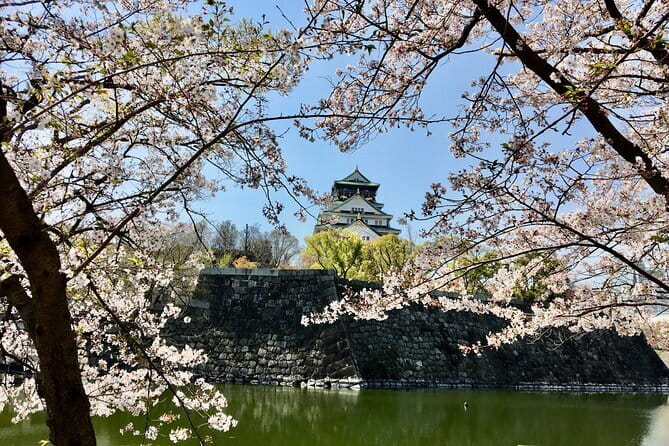
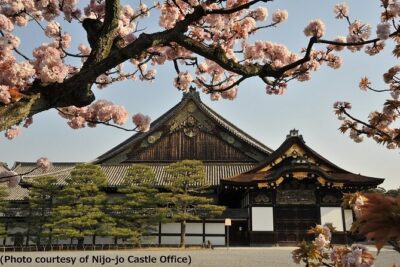
The day begins, according to the listed sequence, at Nijo Castle, built in 1603 as the Kyoto residence of Tokugawa Ieyasu, the first shogun of the Edo Period. You have about one hour here, with admission paid separately.
Nijo is valuable because it is not just a castle wall and a photo stop. Its palace buildings show how political power looked in daily life. The Ninomaru Palace is especially important, with rooms designed for formal meetings, ceremonies, and controlled movement through the shogun’s residence.
You should budget ¥1,300 per person for entry to Nijo Castle and Ninomaru Palace. Since the visit is limited to about an hour, go in with a plan. Focus on the palace interiors, the garden, and the sense of scale rather than trying to examine every detail.
A guide can help you understand why the castle matters, but your time inside may be partly self-directed. Wear comfortable shoes and stay aware of the return time. Missing the vehicle at this point would disrupt the rest of the day.
Kinkaku-ji, Kyoto’s Golden Pavilion
Kinkaku-ji gets about 40 minutes, and admission costs ¥500 per person. This Zen Buddhist temple is famous for the gold-covered pavilion reflected in its pond, with carefully arranged gardens around it.
The stop is short, but that is not necessarily a problem. The main view is immediate, and the approach gives you time to take photographs and walk through part of the grounds. You are not being promised a long temple study, so set your expectations accordingly.
The Golden Pavilion is one of Kyoto’s most photographed sights. That means you should expect a busy setting, especially at popular times. Your guide may provide background before you enter or point out the best way through the grounds, but the visit remains largely visual and self-paced.
I would not treat this as your only temple visit in Kyoto. It is a strong first stop for a newcomer because it is instantly recognizable, easy to appreciate, and different from the wooden architecture you will see elsewhere.
Arashiyama brings the largest cluster of stops
The Arashiyama portion is the most varied part of the day. You have the bamboo forest, Nonomiya Shrine, the Kimono Forest, Togetsukyo Bridge, and the Rilakkuma Tea House area. The schedule gives short periods to several of these sights, so the value comes from seeing the district as a whole rather than spending a long time at one attraction.
A few more Osaka half-days worth pricing up
- Kyoto and Nara Day Trip from Osaka
★ 4.0 · 175 reviews - Hiroshima & Miyajima 1 Day Bus Tour with Bullet Train Tickets
★ 4.5 · 105 reviews - From Osaka: Hiroshima and Miyajima Day Trip by Bullet Train
★ 4.6 · 83 reviews - Amanohashidate & Ine Funaya Sightseeing Full Day Trip from Kyoto
★ 4.5 · 62 reviews
The Bamboo Forest
The Arashiyama Bamboo Forest receives about 40 minutes. Tall bamboo rises on both sides of the path, creating one of Kyoto’s most recognizable scenes.
The walk is pleasant and memorable, but it is not a remote nature outing. The path is popular, and your time is limited. You can enjoy the unusual setting, take photographs, and get a feel for Arashiyama, but do not expect to wander far beyond the main route.
Stay with the timing. The forest is one part of a larger Arashiyama visit, and lingering too long here could cost you the bridge or shrine stops. If bamboo is your main reason for booking, understand that this tour gives you an introduction rather than an extended walk.
Nonomiya Shrine
Nonomiya Shrine is scheduled for about 20 minutes. It has a distinctive black torii gate, unlike the red gates found at many well-known Shinto shrines.
The shrine also connects naturally with the bamboo forest, making this a useful short stop rather than another major detour. Look for the contrast between the dark entrance and the surrounding greenery. The compact visit suits a day trip, though anyone wanting quiet prayer time may find the schedule too brief.
Kimono Forest and Togetsukyo Bridge
The Kimono Forest is a modern installation of 600 clear acrylic cylinders, each about two meters tall and decorated with kimono fabric. It gives you a different side of Kyoto, where traditional textile patterns are presented in a contemporary public setting.
The schedule allows around 20 minutes here. It is a quick visual stop, well suited to photographs and a short stroll. It also breaks up the temples and shrines with something more playful and modern.
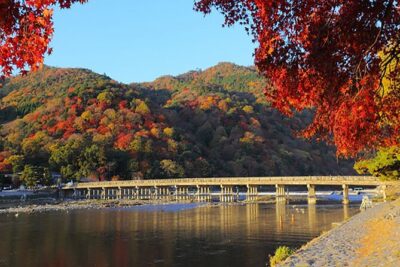
Togetsukyo Bridge gets about 15 minutes. The bridge crosses the Katsura River and is Arashiyama’s best-known landmark. You will have enough time to see the bridge, take in the river setting, and photograph the surrounding area, but not enough for a long riverside walk.
The bridge was first built during the Heian Period and most recently reconstructed in the 1930s. That gives the guide a useful piece of context to share, but the main pleasure here is the view and the change of pace.
Rilakkuma Tea House
The Rilakkuma Tea House area receives about 15 minutes. Rilakkuma is a relaxed bear character, and the café and shop combine that theme with Kyoto-style design.
This is an optional-feeling stop in the best sense. You can browse, look around, or simply enjoy a quick break from shrines and scenic paths. Since the time is short, do not assume you can sit down for a full meal here. Lunch is not included in the tour, and the schedule provides time for independent dining separately.
Fushimi Inari saves its biggest impression for last
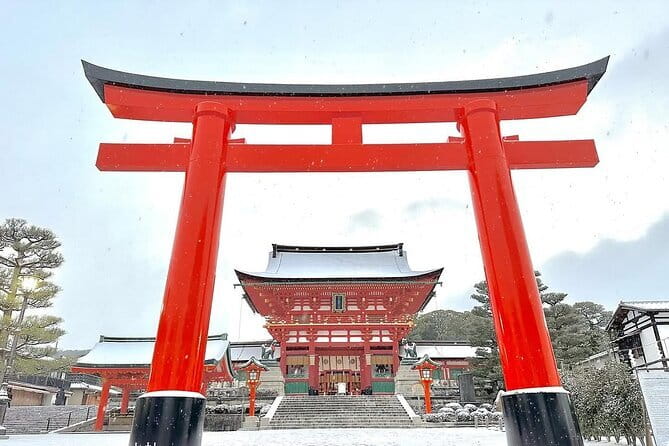
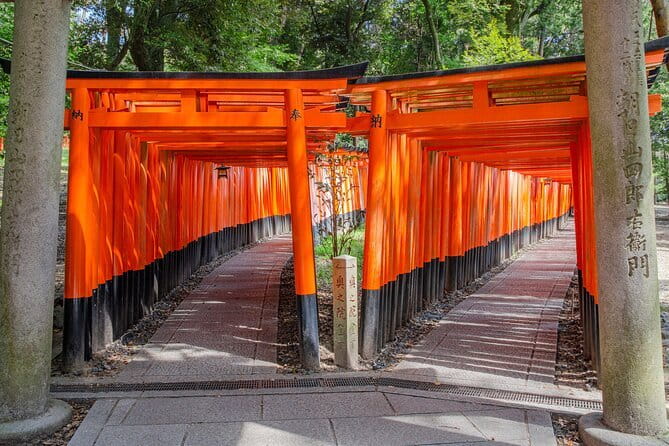
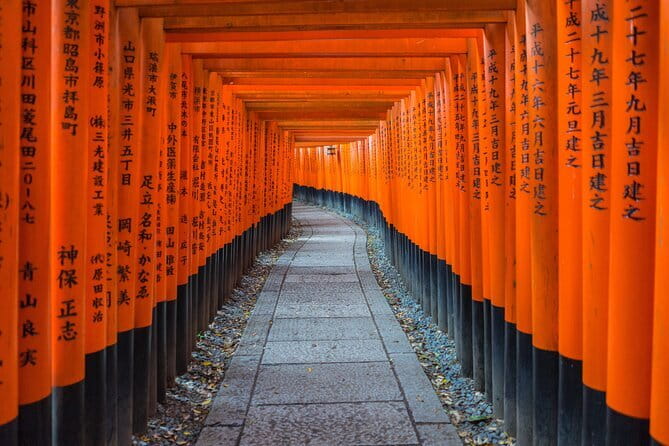
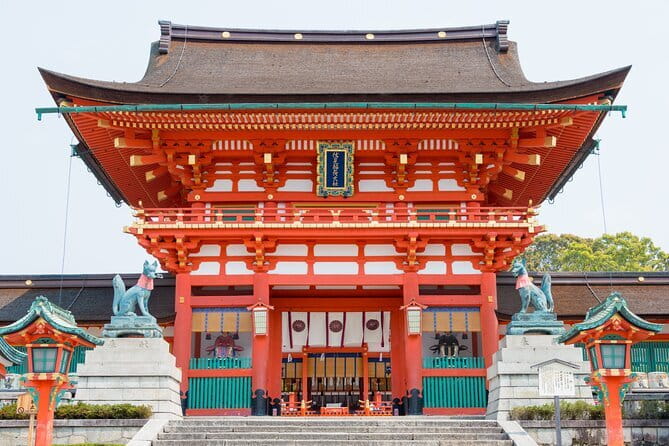
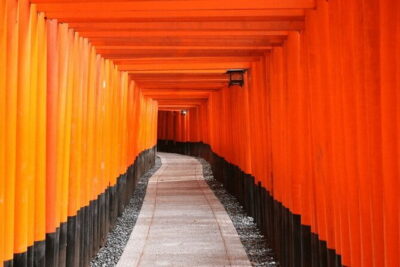
The final major stop is Senbon Torii at Fushimi Inari Taisha, with about one hour and ten minutes. This is the head shrine of the approximately 30,000 Inari shrines in Japan, and it is famous for thousands of vermilion torii gates climbing through the wooded hillside.
The first section of gates is the most accessible and the easiest to fit into a short visit. With 70 minutes, you can walk through a meaningful portion, take photographs, and return to the meeting point if you manage your time carefully.
Do not assume you can reach the top of the mountain. The torii continue much farther than most short visits allow, and the tour’s schedule requires you to turn back in time. This is also the stop where staying with the group matters most. One person who left the group midway missed Fushimi Inari because it was the final stop, a useful warning for anyone tempted to wander off or depart early.
Fushimi Inari is a strong ending because it feels different from the day’s formal buildings and gardens. The repeated gates create a long, rhythmic path, and the wooded setting gives you a sense of movement and ceremony even during a short walk.
Guides, communication, and keeping pace
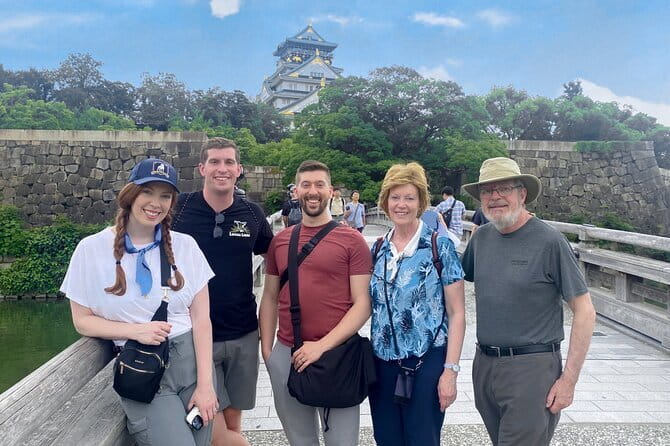
The guide can make or break this kind of tour. You need more than facts. You need clear meeting instructions, honest timing, and directions back to the vehicle.
The guides named in the feedback include Theodore, Amy, Brian, Anson, Jackson, Saki, Charlie, and others. Theodore was praised for sending WhatsApp details before the day, asking about motion sickness, and arranging front seats for those who needed them. He also translated between English and Mandarin for the group. Brian was praised for keeping the route organized, explaining how to return to the bus, and offering food suggestions.
Those details matter because the day has several moving parts. The guide may give a short explanation, then send you off to explore before a fixed reunion time. Anson was specifically praised for thorough directions and for keeping a large group informed and on schedule.
Guide quality can vary from one departure to another, and one complaint concerned a heavy accent that made explanations hard to follow. That is a fair consideration for a tour that relies on spoken instruction. The positive reports point to warm, funny, organized guides, but you should still pay close attention to meeting points and times.
If you book separate orders for relatives or friends, tell the operator at least one day ahead. Otherwise, your party may be placed in different vehicles. Also mention a stroller or large luggage when booking.
Food, comfort, and the practical rhythm of the day
The air-conditioned vehicle is the main comfort feature. Kyoto sightseeing involves a great deal of walking, so having a ride between distant districts is useful, particularly in hot, cold, or rainy weather.
Lunch is not included. The schedule provides time for independent dining, but the supplied information does not name a specific restaurant or fixed lunch venue. Bring a flexible attitude and be ready to follow the guide’s suggestions or choose from what is available near the stop.
Expect plenty of walking at Nijo Castle, Kinkaku-ji, Arashiyama, and Fushimi Inari. The day suits most people who can participate in a normal sightseeing outing, but the short stop times mean you should be comfortable walking with purpose.
Free cancellation is available up to 24 hours before the start time for a full refund. Changes or cancellations inside that 24-hour window are not accepted for a refund.
Who should book this Kyoto tour?
I would choose this tour if you are staying in Osaka or Kyoto, have one free day, and want to cover the essential sights without building a complicated transport plan. It also works well for first-time visitors who want a clear introduction before returning to Kyoto for slower visits.
You will get the most from it if you can accept a fixed schedule, shared transport, and short visits. The tour offers useful structure, but it cannot give you the freedom to linger at every shrine or follow a quiet side street when the mood strikes.
I would look for another option if your main goal is photography at empty bamboo paths, extended time at Fushimi Inari, or a careful visit to Nijo Castle’s palace rooms. You might prefer a private guide or a smaller outing if group size and spoken explanations are major concerns.
Should you book it?
Book it if your Kyoto list includes the Golden Pavilion, bamboo forest, Fushimi Inari, and Nijo Castle, and you want to see them in one organized day. At $67, plus ¥1,800 in listed admissions and the cost of lunch, it offers a practical way to cover a lot of ground.
Skip it if you already know Kyoto well or would rather spend a full morning in one district. For a first visit with limited time, though, the efficient route, air-conditioned ride, and guides who give careful meeting instructions make this a sensible choice. Just keep your watch handy and save your longest walk for Fushimi Inari.
FAQ
How long does the Kyoto highlights tour last?
The tour lasts approximately nine hours.
Can I join the tour from Osaka or Kyoto?
Yes. The experience offers departures from Osaka or Kyoto.
Which major sights are included?
The main stops are Nijo Castle, Kinkaku-ji, Arashiyama, and Fushimi Inari’s Senbon Torii. The Arashiyama portion also includes the Bamboo Forest, Nonomiya Shrine, the Kimono Forest, Togetsukyo Bridge, and the Rilakkuma Tea House area.
Are admission tickets included?
No. Nijo Castle and Ninomaru Palace cost ¥1,300 per person, and Kinkaku-ji costs ¥500 per person. These fees are paid separately.
Is lunch included?
No. Lunch is not included, but time is provided for independent dining.
What is the maximum group size?
The tour can have a maximum of 45 participants. It includes an air-conditioned vehicle and a guide.
Just added in Osaka
- Urban Canvas: Osaka Street Art Bike Tour★ 5.0 · 10 reviews
- Anime Cosplay Photshoot-50 Digital Photos Provided★ 5.0 · 8 reviews
- TeamLab Botanical Garden Osaka Ticket★ 3.5 · 6 reviews
- Umeda Sky Building & Kuchu Teien Observatory Ticket in Osaka★ 4.5 · 3 reviews
- Immerse in Judo Martial Arts Class from Japan★ 5.0 · 4 reviews
- Cherry Blossom Buddha and Mt.Yoshino with Strawberry Picking Tour★ 4.5 · 5 reviews
- Traditional Home cooking Experience in Osaka, Japan★ 5.0 · 14 reviews
- Traditional Calligraphy Experience near Dotonbori★ 5.0 · 3 reviews
Kyoto Day Trips from Osaka, compared.
Hiroshima Miyajima Bus Tour & Shinkansen Ticket
Read our review →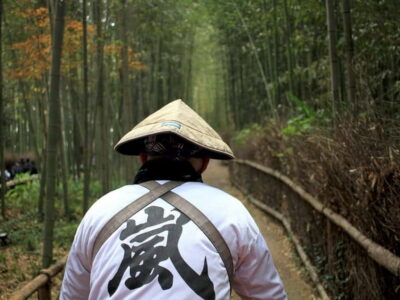
Ancient Capital Tour: Kyoto and Nara Highlights from Kyoto/Osaka
Read our review →
Full Day Tour of Kyoto with Private Transportation
Read our review →
Kyoto & Nara Private customized tour with English speaking Guide
Read our review →Browse the lists this tour appears in