
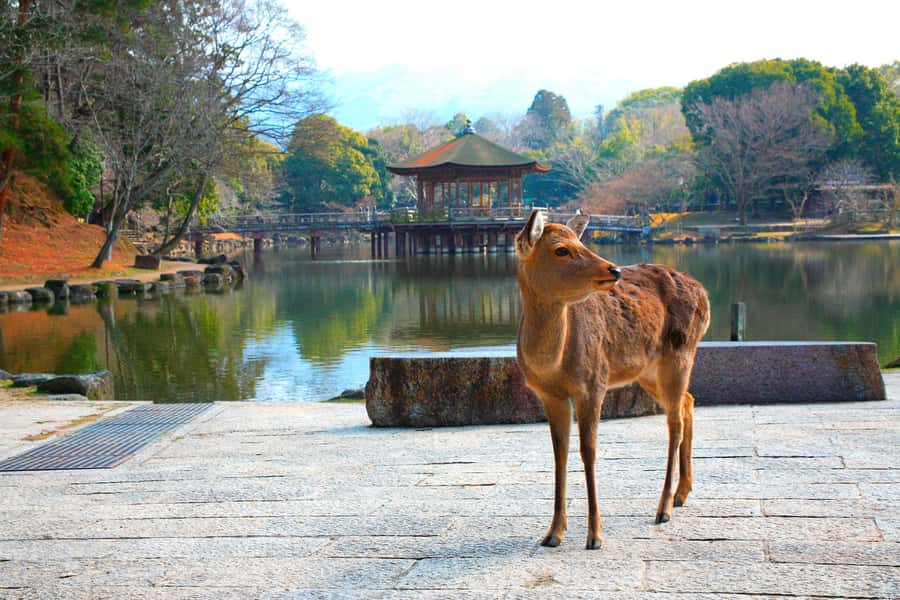
Reviewed · NARA DAY TRIPS FROM OSAKA
From Osaka: Nara, Kiyomizu-dera & Fushimi Inari Trip
Nara’s deer, Kyoto’s wooden temple stage and Fushimi Inari’s red torii gates make this a big sightseeing day in a small package. For $49, you get transportation from Osaka, a bilingual English and Spanish guide, and entry to Kiyomizu-dera. I especially like the mix of open parkland, temple architecture and historic streets, plus the chance to see three major sights without arranging separate train trips.
The catch is pace. Long distances and traffic can squeeze your time, and one reported schedule left only 1.5 hours in Nara while giving 2.5 hours to Kiyomizu-dera. You should wear sturdy shoes, carry water and accept that this is a highlights tour, not a slow day in Kyoto.
Key points to know before booking
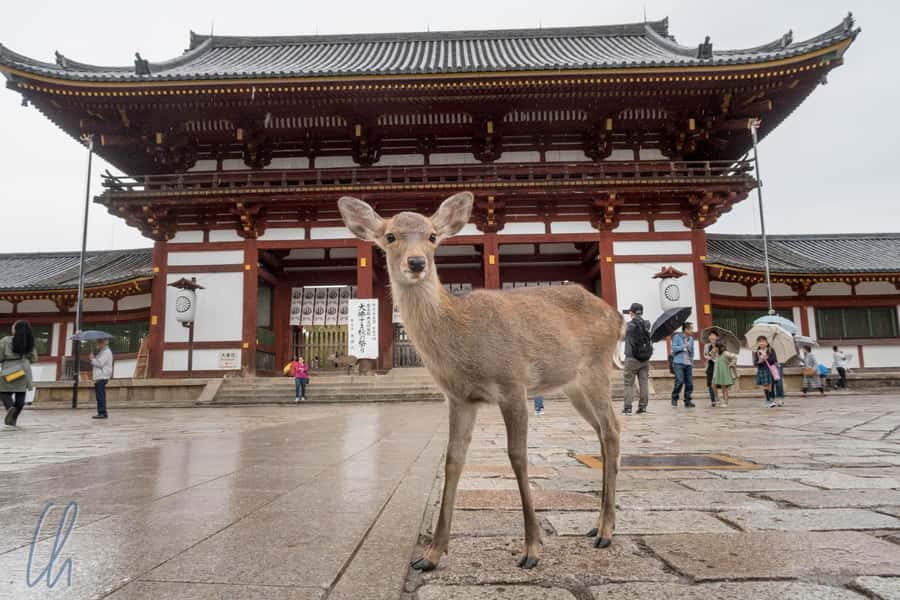
- Nara Park’s free-roaming deer are the gentlest opening to the day, with time to feed and observe them in a park setting.
- Kiyomizu-dera admission is included, along with views from the temple’s famous wooden stage.
- Otowa Waterfall adds a small but memorable ritual, with sacred water linked to wishes.
- Sannenzaka’s narrow streets provide a taste of old Kyoto between temple visits.
- Fushimi Inari Taisha finishes the day with its long corridors of red torii gates.
- Angeles and Alejandro have been praised for explaining religion, architecture and construction in clear detail.
Three major sights in one Osaka day
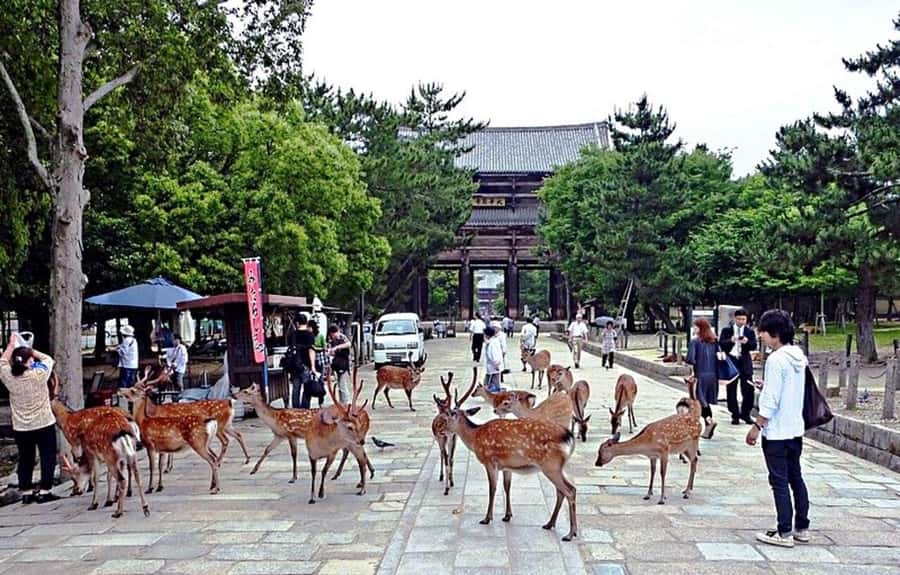
This outing connects three places that feel quite different from one another. Nara Park is open, green and informal, with deer wandering among people. Kiyomizu-dera is a major Buddhist temple complex with grand wooden structures and city views. Fushimi Inari is more atmospheric, with red gates leading into the wooded slopes of Mount Inari.
That variety is the main reason to book. You are not spending the entire day looking at similar temples. Instead, you move from animal encounters to a historic temple district, then finish at one of Japan’s most recognizable Shinto shrines.
The tradeoff is time on the road. The tour uses transportation from the Osaka meeting point, and the information provided warns that you will spend a fair amount of time on the bus. Traffic, weather and local events can change the order and timing. The full route is intended to be completed when possible, but you should not expect a perfectly fixed schedule.
More Nara day trips from Osaka:
- Ancient Capital Tour: Kyoto and Nara Highlights from Kyoto/Osaka
★ 4.5 · 332 reviews - Kyoto and Nara Day Trip from Osaka
★ 4.0 · 175 reviews - Discover Himeji, Kobe and Nara from Osaka
★ 5.0 · 101 reviews
Meeting at Osaka Mode Gakuen
The start point is at the corner of the building Osaka Mode Gakuen. Look for the guide holding an Amigo Tours sign, and arrive at least 10 minutes before departure for check-in.
This is a meeting-point tour, not a hotel pickup service. You need to make your own way to the start, and the return is to the same meeting point. That arrangement helps keep the price down, but it means you should allow extra time to find the building and reach the corner before the group leaves.
The guide service is offered in English and Spanish. Angeles and Alejandro received particular praise for their explanations of religious ideas, architectural styles and construction methods. That matters here. Kiyomizu-dera and Fushimi Inari are easy to photograph, but a good explanation helps you understand what you are seeing rather than simply collecting pictures.
Nara Park and its free-roaming deer

Nara Park is an excellent first stop because it gives you an immediate sense of place. Hundreds of deer move freely through the park, and the setting feels calmer and more open than the city streets you leave behind.
You can feed and interact with the deer while taking in the park’s natural surroundings. The appeal is simple and direct: these animals are part of the everyday character of Nara, not confined to a small enclosure. Keep your attention on your food and your belongings, and give the deer room when needed.
Nara is also the first place where the schedule may feel tight. One reported day allowed about 1.5 hours here, which is enough for a look around and time with the deer, but not enough for a leisurely exploration of every corner. If Nara is your main reason for booking, that limitation is important.
I would use this stop for the experience it offers best: walking through the park, seeing the deer at close range and enjoying the open setting. Do not count on a long, unhurried visit to every nearby sight. The tour is designed to combine Nara with two Kyoto highlights on the same day.
Kiyomizu-dera and the view from its wooden stage
Kiyomizu-dera is the day’s main architectural stop. This UNESCO World Heritage site is known for its impressive wooden construction and a large stage that looks across Kyoto. Admission is included, which makes the $49 price more useful than a tour that only provides transport.
The temple gives you several things to notice. The wooden structures show the skill behind traditional Japanese building methods. The elevated stage offers a broad view over Kyoto. The religious setting also gives your guide a chance to explain how the temple functions, rather than leaving you to guess at the meaning of each hall and feature.
Time here can be a mixed blessing. If the itinerary puts Kiyomizu-dera first, you might have as much as 2.5 hours at the temple area. That gives you room to look carefully, take photos and walk through the surrounding streets, but it can feel long if it is still too early for lunch and you are expecting a shorter temple visit.
The temple grounds and nearby streets require walking, so comfortable shoes are not optional. You should also bring water and sunscreen. The combination of stairs, walking and a full day can be tiring, especially when Kiyomizu-dera receives a generous share of the schedule.
Same city, a completely different kind of afternoon:
- Osaka Go Karting Tour with Funny Costume
★ 5.0 · 2,658 reviews - Osaka Castle: Museum and Tower Entry Ticket
★ 4.5 · 2,380 reviews - Osaka: Shinsekai Food Tour with 13-15 Dishes at 5 Eateries
★ 4.8 · 2,204 reviews - Osaka Food Tour: 13 Dishes at 5 Local Eateries
★ 5.0 · 2,149 reviews
Otowa Waterfall and the meaning of the water
Otowa Waterfall is one of the more distinctive parts of the Kiyomizu-dera visit. Its waters are considered sacred and are believed to grant wishes. This gives you a small ritual to look for within the larger temple complex.
The waterfall is not a separate day trip or a long excursion. It is one feature of the temple visit, but it adds a personal moment to an otherwise grand setting. You can pause there, notice the connection between the site and local religious practice, and listen to the guide’s explanation.
This is also where a guided visit can be more useful than a quick independent stop. The waterfall’s importance may not be obvious if you only see people gathering near it. A clear explanation connects the physical feature to the beliefs surrounding the temple.
Sannenzaka’s preserved Kyoto streets
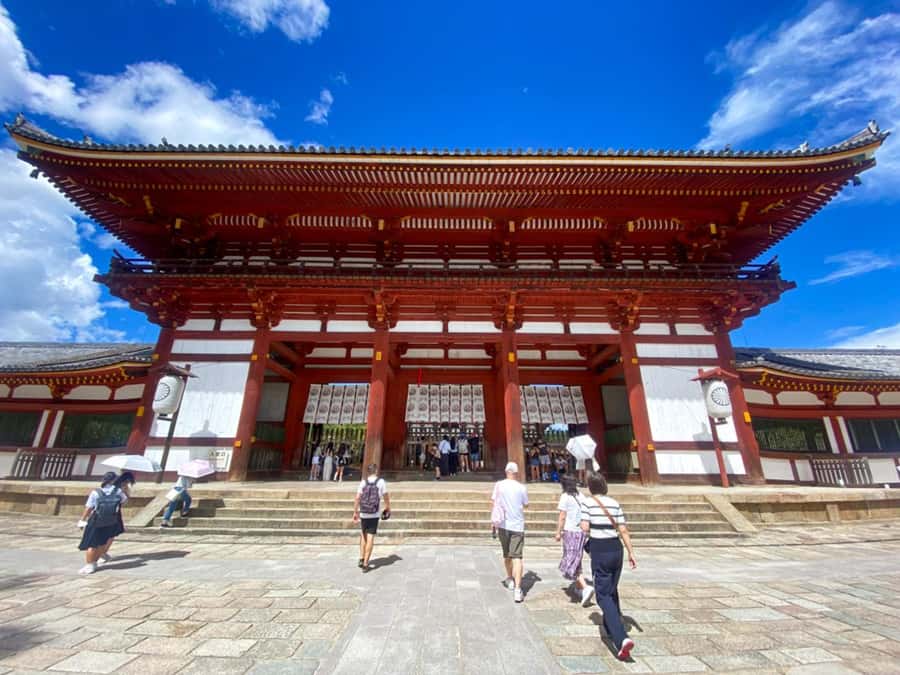
After or around the Kiyomizu-dera visit, the route takes you through the historic streets of Sannenzaka. These narrow, cobbled lanes are lined with traditional wooden buildings, small shops and tea houses.
Sannenzaka helps you picture an older Kyoto without needing a separate museum visit. The streets are attractive, but they are also part of a working district, so the best approach is to walk slowly when the group allows and notice the preserved building style. You may find the lanes crowded, especially at popular times, but the tour information does not promise a quiet or empty walk.
This section also makes the timing issue more noticeable. If you have only a short visit, you will need to choose between lingering over the temple, taking photos from the stage, visiting the waterfall and strolling through Sannenzaka. If you have the reported longer period at Kiyomizu-dera, you have more freedom to fit these pieces together.
Food and drinks are not included. Sannenzaka may offer places to buy something, but you should not rely on a long meal break. Bring water, and plan on buying food only if the schedule and guide allow it.
Walking beneath Fushimi Inari’s red torii gates
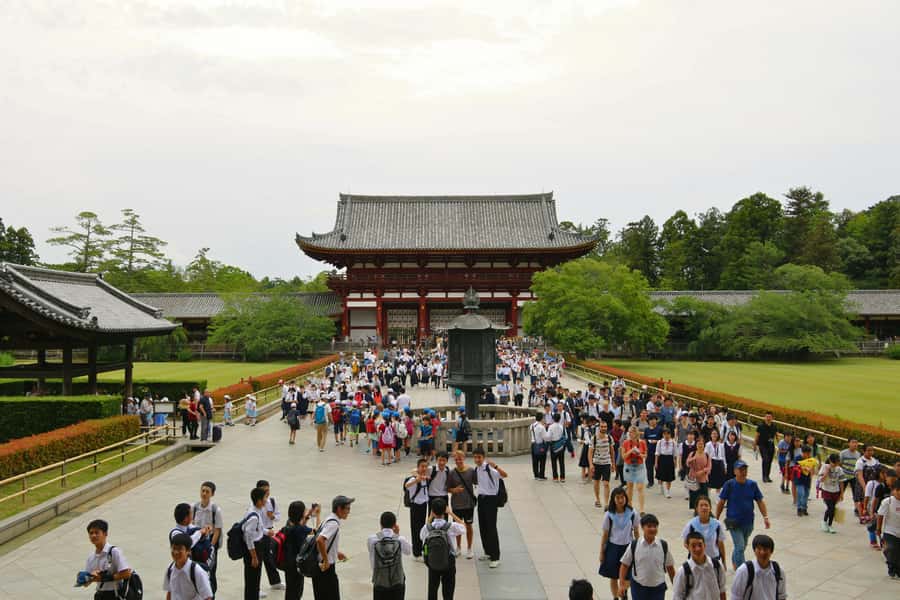
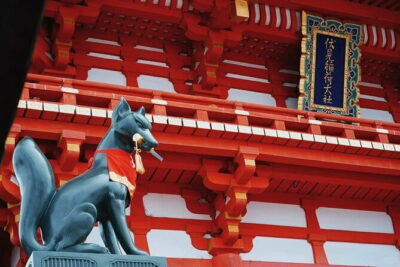
Fushimi Inari Taisha brings a different mood to the end of the day. The shrine is famous for its rows of red torii gates, which create long pathways up Mount Inari.
You do not need to walk the full mountain route to understand why the shrine is so memorable. Even a shorter walk beneath the gates gives you the repeating color, shadow and movement that define the site. The route feels more enclosed than Nara Park or the open view from Kiyomizu-dera, making it a fitting final stop.
Because Fushimi Inari comes late, your energy may be lower by then. Wear shoes that can handle extended walking, and keep some water with you. The tour does not promise a full ascent of Mount Inari, so think of this as a chance to walk through the shrine’s signature gates rather than a mountain hike.
Ending here also gives the day a strong visual finish. Kiyomizu-dera shows Kyoto from above, while Fushimi Inari leads you into a sequence of gates and pathways. The two sites complement each other well.
What the $49 price really covers
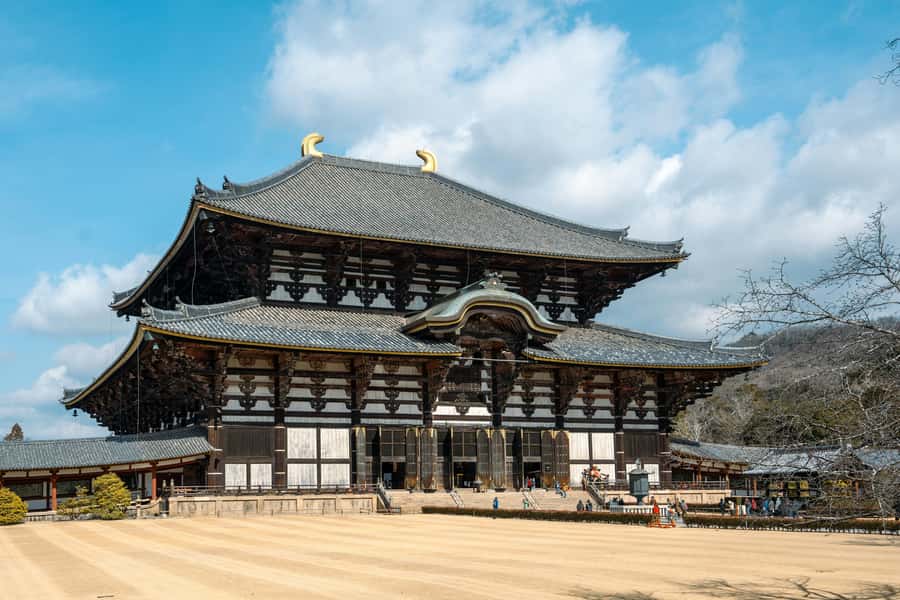
At $49 per person, this is a good-value introduction to Nara and Kyoto if you want transport and structure more than independence. You receive transportation from the Osaka meeting point, an English or Spanish guide, and access to Kiyomizu-dera. Food and drinks are extra, and there is no hotel pickup or drop-off.
The value comes from linking three well-known places in one day. Organizing Nara, Kiyomizu-dera and Fushimi Inari independently would require you to plan several train journeys, navigate unfamiliar areas and watch the clock closely. Here, the guide handles the route and gives context at the main sites.
The price does not buy a leisurely pace. It buys coverage. You will see a lot, but you will also spend time on the bus and may have to accept changes caused by traffic or weather. If you prefer to sit with one temple for half a day, this is not the right format. If you have limited time in Osaka and want a broad first look at nearby cultural sights, the cost is reasonable.
Who will enjoy this day trip most
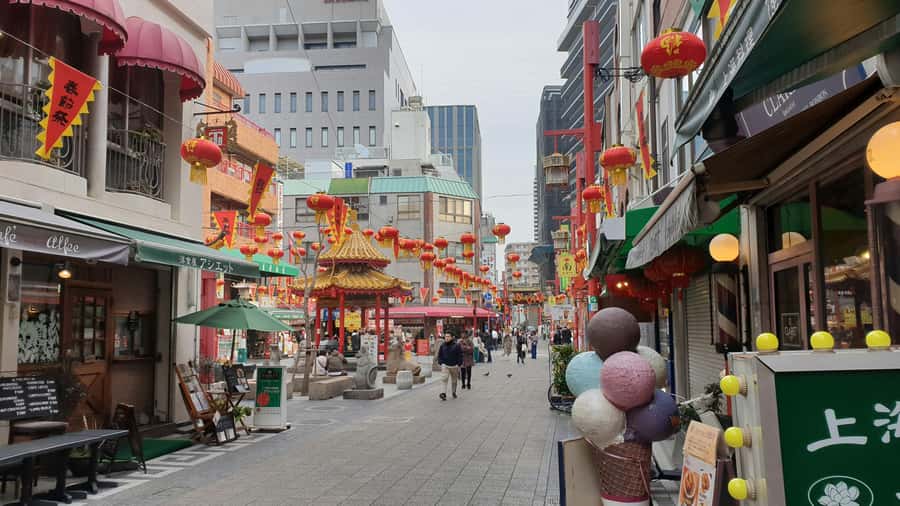
I would recommend this tour to first-time visitors who want help connecting Osaka, Nara and Kyoto. It suits you if you value explanations, do not want to manage several train connections and are comfortable walking for much of the day.
The bilingual format is useful if you prefer English or Spanish guidance. The strongest guide experience comes from the explanations of religion, architecture and construction, particularly from Angeles and Alejandro when they lead the group.
Families may enjoy the deer, while photographers will have plenty to work with at Kiyomizu-dera, Sannenzaka and Fushimi Inari. Still, the walking and schedule may be tiring for anyone who needs frequent rests. The tour is not suitable for wheelchair users, and its long distances make good footwear essential.
You should skip this format if your priority is quiet temple time, a long lunch or complete control over each stop. The order can change, and the time at each location can shift with traffic and other conditions.
Practical advice for a smoother day
Arrive at the Osaka Mode Gakuen meeting point at least 10 minutes early. Look for the Amigo Tours sign rather than assuming the guide will find you.
Wear comfortable walking shoes. The day includes park paths, temple grounds, historic streets and the torii paths at Fushimi Inari. Sunscreen and water are also sensible choices, since you will spend time outside.
Carry a camera, but do not let photography take all your time at Kiyomizu-dera or Fushimi Inari. The schedule is shared, and lingering too long in one place can make the later stops feel rushed.
Keep your plans flexible. The stated order may change because of traffic, weather, local events or other operating conditions. The tour aims to complete the full route when possible, but the day will work best if you treat the exact sequence as adjustable.
Should you book this Osaka day trip?
Book it if you want three major sights in one organized day for a modest price, with a guide who can explain the religious and architectural details. Nara Park, Kiyomizu-dera and Fushimi Inari offer enough variety to keep the day interesting, and the included temple admission adds practical value.
Think twice if you need a slow pace or want to spend most of your day in Nara. The reported 1.5-hour Nara stop can feel short, while a 2.5-hour Kiyomizu-dera visit may feel long for some people. For an efficient first look at the area around Osaka, though, this is a sensible choice, provided you are ready for bus time, long walks and a flexible schedule.
FAQ
Where does the tour start?
The tour starts at the corner of the Osaka Mode Gakuen building. The guide will be waiting with an Amigo Tours sign.
How early should I arrive?
Arrive at least 10 minutes before the departure time for check-in.
Where does the tour end?
The activity ends back at the original meeting point.
Is hotel pickup included?
No. Hotel pickup and drop-off are not included, so you must reach the Osaka meeting point yourself.
What languages are available?
The tour is offered with an English and Spanish guide.
Are food and drinks included?
No. Food and drinks are not included in the price.
Is Kiyomizu-dera admission included?
Yes. Access to Kiyomizu-dera is included.
What should I bring?
Bring comfortable shoes, a camera, sunscreen and water.
Is the tour suitable for wheelchair users?
No. The tour is listed as not suitable for wheelchair users.
Can the itinerary order change?
Yes. Traffic, weather, local events and other operating conditions can change the order and schedule. Full completion of the tour is guaranteed whenever possible.
Just added in Osaka
- Urban Canvas: Osaka Street Art Bike Tour★ 5.0 · 10 reviews
- Anime Cosplay Photshoot-50 Digital Photos Provided★ 5.0 · 8 reviews
- TeamLab Botanical Garden Osaka Ticket★ 3.5 · 6 reviews
- Umeda Sky Building & Kuchu Teien Observatory Ticket in Osaka★ 4.5 · 3 reviews
- Immerse in Judo Martial Arts Class from Japan★ 5.0 · 4 reviews
- Cherry Blossom Buddha and Mt.Yoshino with Strawberry Picking Tour★ 4.5 · 5 reviews
- Traditional Home cooking Experience in Osaka, Japan★ 5.0 · 14 reviews
- Traditional Calligraphy Experience near Dotonbori★ 5.0 · 3 reviews
Nara Day Trips from Osaka, compared.
Ancient Capital Tour: Kyoto and Nara Highlights from Kyoto/Osaka
Read our review →
Kyoto & Nara Private customized tour with English speaking Guide
Read our review →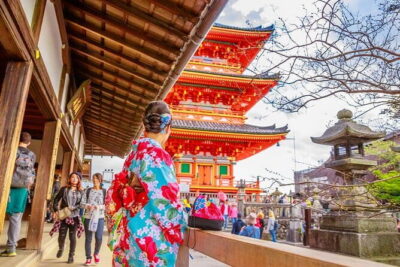
Kyoto and Nara UNESCO Highlights Full-day Tour From Osaka
Read our review →
Kyoto & Nara & Uji: Full Day Sightseeing Tour from Osaka or Kyoto
Read our review →Browse the lists this tour appears in