
Reviewed · NARA DAY TRIPS FROM OSAKA
Exclusive Luxury Day Tours Serene Nara
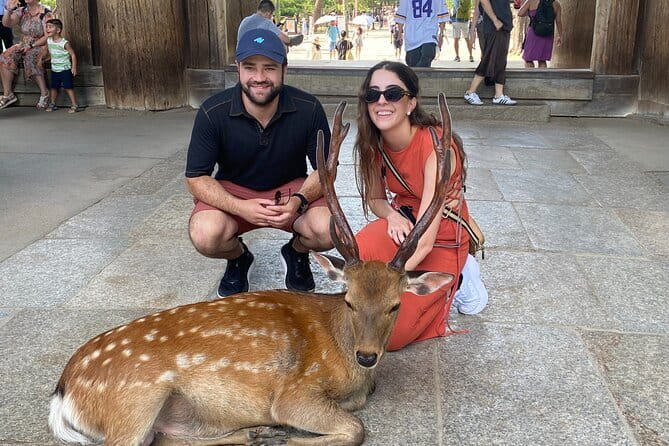
Nara’s famous deer are only the opening scene. With a private car, you can pair Nara Park and the Great Buddha at Todai-ji with quieter places such as Isuien Garden, Naramachi, or Shinyakushiji Temple. I love the freedom to build the day around your interests, rather than follow a fixed group route.
I also like the personal touch from Sakura Concierge guides such as Kumiko and Hiromi. Kumiko has helped families fit in more sightseeing without wasting time, answered questions about Japanese history and language, and worked with a driver named Koji on a smooth day out. The main drawback is price: at $425 per person, this makes the most sense for a private group that values comfort and flexibility.
Key points to know before you book
- Choose three or four sites: The long list of possible stops is a menu, not a promise that you will visit all 13 places in one day.
- Private transport saves effort: Hotel pickup, an air-conditioned vehicle, parking, fuel, and drop-off at your preferred location are included.
- Todai-ji is the essential stop: The huge wooden temple and Great Buddha give the day its strongest single cultural moment.
- Guiding is a major part of the value: Kumiko, Hiromi, and other Sakura Concierge staff can shape the route around your questions and interests.
- Admission costs add up: Several temples, museums, and gardens require separate payment, so budget for entry fees and lunch.
- This suits small private groups: Families and groups wanting a relaxed, custom day will get more from it than anyone seeking the cheapest Nara excursion.
A private route through Nara, not a race through 13 stops
The most important detail is easy to miss: you choose three or four sites from a large selection. The descriptions list 13 possible places, but an 8 to 9 hour day cannot give each one a meaningful visit. That is good news if you plan carefully. You can focus on classic Nara, add a garden or museum, or ask for a less familiar mix.
Your private vehicle matters here. Nara’s sights are spread across different parts of the city and surrounding area, and moving by car lets you spend more of your day seeing places instead of sorting out connections. Pickup is offered from your hotel in Osaka or Kyoto, and drop-off can be arranged at your preferred location.
The tour includes the vehicle, private transportation, fuel surcharge, parking fees, and hotel pickup. Lunch is not included, and neither are special rides or cruises. Since the precise route is customizable, I would settle the site choices and lunch plan with Sakura Concierge before the day begins.
The company has used this planning approach well. After booking, Hiromi contacted one group to ask what they wanted to see and then shaped the itinerary around those requests. That kind of early conversation is exactly what you want from a private tour. Tell the guide if your group cares most about Buddhist art, gardens, family pacing, sake, architecture, or autumn scenery.
More Nara day trips from Osaka:
- Ancient Capital Tour: Kyoto and Nara Highlights from Kyoto/Osaka
★ 4.5 · 332 reviews - Kyoto and Nara Day Trip from Osaka
★ 4.0 · 175 reviews - Discover Himeji, Kobe and Nara from Osaka
★ 5.0 · 101 reviews
Nara Park and Todai-ji: the classic opening
Nara Park is the natural starting point for many first visits. Deer roam freely among temples and historic buildings, giving the setting a playful edge that you will not find at most major Japanese cultural sites. The park itself has no admission charge, so it is an easy place to begin without spending part of your ticket budget.
The planned visit is about 30 minutes. That is enough for a first look, a walk among the deer, and a few photographs, but not enough for a long wander through every corner of the park. If deer are a major reason for your visit, ask how much time can be given to this stop before locking in the other three sites.
Todai-ji is the heavyweight attraction. Its enormous wooden hall houses the Great Buddha, and the scale of the building does the talking before you even reach the statue. A half-hour visit gives you time to see the main hall and take in the architecture, though you may want longer if Buddhist art and temple design interest you.
Admission to Todai-ji is not included and costs about ¥600. That is a modest extra charge compared with the tour price, but it is still worth counting when you add several paid stops. For a first Nara visit, I would make Todai-ji one of your three or four choices.
Kasuga Taisha and the quiet side of Nara
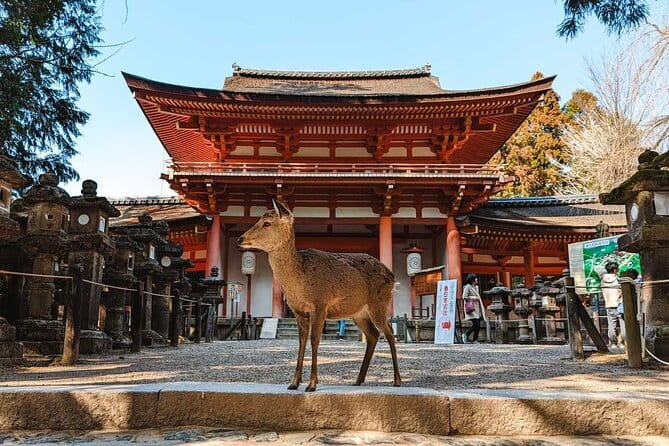
Kasuga Grand Shrine offers a different mood from Todai-ji. The route moves through forest toward vermilion torii gates and a sacred setting that feels quieter and more enclosed. The shrine is a good choice if you want your day to include nature as well as grand buildings.
The suggested stop lasts about 30 minutes, with admission separate from the tour. That short visit works for a first look at the shrine grounds, but your guide can tell you if the timing allows a slower walk. The forest setting is part of the appeal, so rushing from the vehicle to the main shrine would miss some of what makes this stop special.
Kasuga Taisha pairs well with Todai-ji because the two places offer contrast. One gives you a massive wooden hall and Great Buddha. The other gives you torii gates, wooded paths, and Shinto ritual. If you want a broad introduction to Nara’s religious traditions, these two sites make a strong foundation.
Isuien Garden and the Nara National Museum
Isuien Garden is for you if a calm, carefully shaped setting sounds better than another major temple. Its traditional Japanese design offers a slower middle section for the day, with manicured grounds and views intended to be enjoyed at an unhurried pace.
Admission is about ¥900, not included. That makes Isuien one of the pricier paid additions in the program, but it can be worthwhile for anyone who values gardens and quiet beauty. I would not choose it simply to collect another attraction. Choose it because you want a change of pace.
The Nara National Museum brings the focus back to art and cultural objects. Its collection gives context to the temples and shrines you see elsewhere, helping you understand the religious and artistic traditions behind Nara’s famous buildings. The suggested visit is 30 minutes, which is enough for a selective visit rather than a full museum study.
Entry costs about ¥520. If you have a serious interest in Japanese art, ask the guide to allow more time here and cut another stop. The custom format should be used for exactly that sort of adjustment. A museum visit can feel rushed if it is treated as a quick box to tick.
The separate admission for Isuien Garden and the museum also illustrates the tour’s value question. You are paying for a private day, not one bundled ticket. The benefit is control over the route and transport. The tradeoff is that you must pay for each chosen attraction as you go.
A few more Osaka half-days worth pricing up
- Osaka Dotonbori:GIRAFFE Nightclub Ticket with Drink/VIP Plan
★ 4.4 · 14 reviews - Luxury Classic Kyoto Day Tour – Private Customized Car Tour
★ 4.0 · 5 reviews
Naramachi, machiya houses, and a sake stop
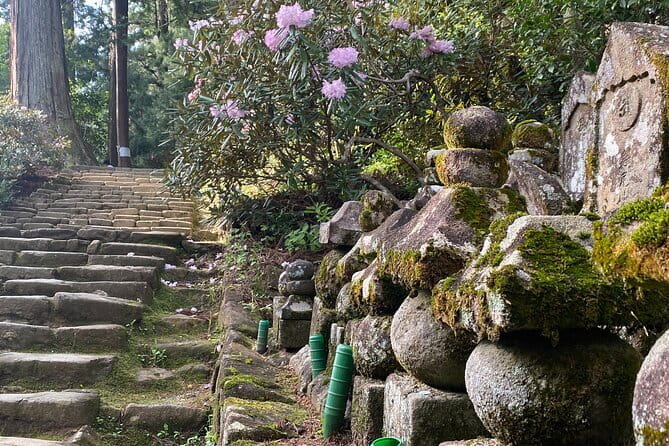
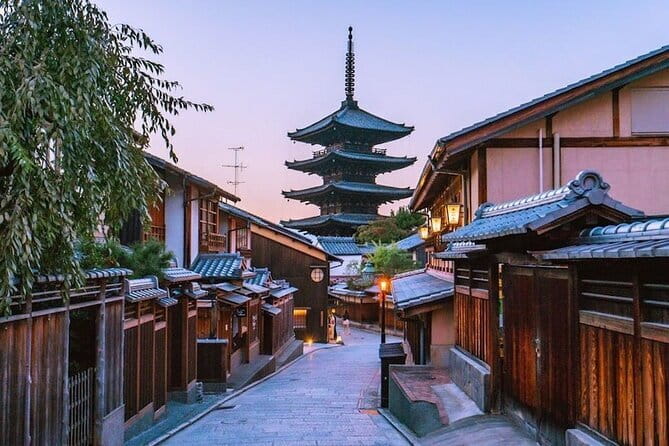
Naramachi gives you a chance to walk through traditional streets and see Japanese machiya townhouses. After the large temple compounds, this part of the day brings you closer to an older neighborhood setting. The suggested plan also includes a visit to Harushika Sake Brewery, with a chance to try medicinal sake.
The stop is listed at about 30 minutes, so you should clarify whether that includes both the streets and the brewery. A short visit can give you a taste of the area, but anyone interested in architecture or sake may want to make Naramachi one of the main anchors of the day rather than a quick add-on.
This is one of the more distinctive choices in the route. Temples are essential to Nara, but a traditional neighborhood and local sake provide a different sense of place. One group enjoyed a sushi lunch and sake tasting during its day, showing that the private format can accommodate food and drink interests, though lunch itself remains your responsibility.
If you want sake, say so early. The guide can then balance the day around the brewery rather than trying to squeeze it in after several large temple visits.
Kofukuji, Shinyakushiji, and smaller temple choices
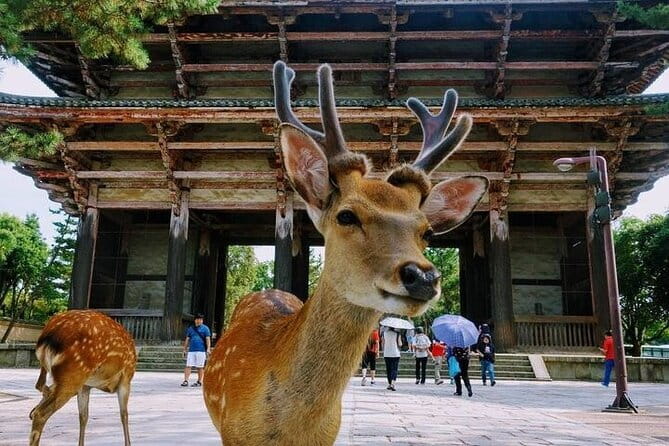
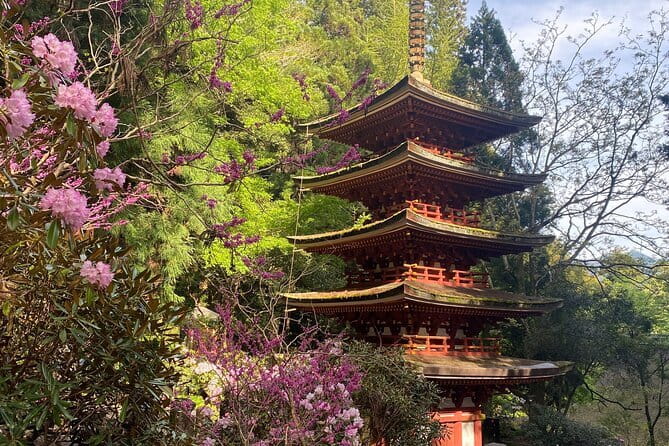
Kofukuji is a practical choice for anyone interested in Buddhist architecture. Its five-story and three-story pagodas give you strong exterior views, and the temple’s long connection with Nara makes it a natural companion to Todai-ji.
Admission is about ¥600 and is not included. The stop is planned for roughly 30 minutes. That works well if you want to see the pagodas and grounds, but you may need more time if you plan to study the temple buildings or displays.
Shinyakushiji offers a quieter temple experience. You can walk through the grounds and admire its Buddhist architecture without making the day entirely about Nara’s most famous landmark. Entry is about ¥600, also separate from the tour cost.
I would choose Kofukuji for a first visit if you want recognizable Nara architecture, and Shinyakushiji if you prefer a calmer setting. Taking both may be worthwhile for a repeat visit, but on a first day you may get more variety by pairing one temple with Naramachi, Isuien, or the museum.
The more unusual choices on the long list
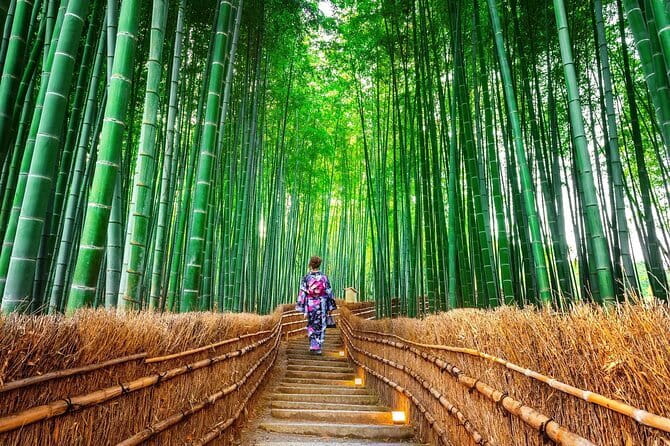
Several options are less clearly suited to a standard first day and deserve a little thought before you select them.
Nara Municipal Konoike Stadium is described as a place to appreciate modern Japanese art, sophisticated architecture, and gardens. That combination may appeal to you if you want a break from ancient temples. It is an unusual choice for a Nara heritage day, but that can be its value if your group has already seen major shrines and Buddhist sites.
Gojō Tenshingū Shrine offers time for prayer in an old shrine setting. It is especially attractive during autumn foliage season, when the surrounding scenery becomes part of the visit. If your trip falls in autumn, ask the guide about its condition and timing before choosing it.
Yoshinogari Historical Park focuses on ancient archaeological sites and Japan’s early history. It is listed with an admission cost of about ¥420. The inclusion of this site suggests that the private tour can extend beyond the most familiar Nara sights, but you should confirm the day’s driving plan and whether it makes sense alongside your other choices.
Tamaki Shrine is presented as a mystical place surrounded by nature. As with the other less familiar options, ask what you will realistically see during a 30-minute stop and how much transport time it requires.
Asuka-dera Temple offers ruins and cultural heritage from an earlier period. It may suit you if your main interest is ancient Japan rather than deer and major city temples. Since the tour is customizable, these sites are best treated as special-interest choices, not automatic additions.
Guides, drivers, and the human side of the day
A private sightseeing day succeeds or fails on the people running it. Sakura Concierge has several named guides associated with the experience, including Kumiko and Hiromi. Kumiko helped one family with three children make productive use of the day, while also answering questions about history, language, and culture.
That is useful information if you are traveling with children or with people who do not want a lecture-heavy tour. A good private guide can adjust the pace, explain what you are looking at, and cut a stop when the group has had enough.
The driver matters, too. Koji is specifically praised for creating a comfortable day, and another booking included a driver named Fushimi. The descriptions of happy, level-headed staff suggest that the service aims for a relaxed tone rather than a rigid schedule.
You should still be clear about your priorities. Ask for a temple-focused day if you want architecture. Ask for gardens and quiet spaces if you need a slower pace. Tell the guide if your children need breaks or if your group wants time for food and sake.
Is $425 per person a fair price?
At $425 per person, this is not a budget way to visit Nara. The price makes more sense when you divide it among a private group and consider what is included: hotel pickup, private transport, an air-conditioned vehicle, fuel, parking, and drop-off at a preferred location.
You are also paying for planning and flexibility. A guide who contacts you after booking, asks what interests you, and builds a route around those requests can save you from spending the day making transport decisions. For a family, older group, or small party with limited time, that convenience may be worth more than a cheaper shared excursion.
The price is harder to justify if you only want to see Nara Park and Todai-ji. You could visit those places independently for much less, especially since Nara Park has no admission charge. This tour earns its keep when you use the private format: several different sites, a custom route, a guide who answers questions, and comfortable door-to-door transport.
Add lunch and admission fees to your budget. Listed extra costs include about ¥600 for Todai-ji, ¥520 for the Nara National Museum, ¥900 for Isuien Garden, ¥600 for Kofukuji, ¥600 for Shinyakushiji, and ¥420 for Yoshinogari Historical Park. The Nara Prefectural Museum of Art is also listed at about ¥500, although it is not one of the main stops described above.
Who will enjoy this day most?
I would recommend this tour to a family that wants help keeping a full day organized, a couple who prefers private transport, or a small group with clear cultural interests. It is also a good fit if you are staying in Osaka or Kyoto and want hotel pickup rather than arranging every train and local transfer yourself.
The format works particularly well for people who want to ask questions. Kumiko’s ability to discuss language, history, and culture beyond the immediate sight is a real advantage for curious visitors.
I would be more cautious if you are traveling alone on a tight budget or if you only want the standard Nara highlights. The per-person cost is high, and the separate admissions and lunch make the final total higher. You should also remember that the tour is built around three or four chosen sites, not the full list.
The activity is private, and most people can participate. Service animals are allowed, and the experience is near public transportation, though the main convenience comes from private pickup and vehicle service.
Cancellation and booking details
You receive confirmation at booking, and free cancellation is available up to 24 hours before the start time for a full refund. Cancellations or changes made less than 24 hours before the start time are not accepted for a refund.
The tour is often reserved well ahead, with an average booking lead time of about 40 days. That makes sense for a private vehicle and named guide, especially during popular travel periods. When you book, use the planning conversation to name your preferred three or four sites, your pace, and any interest in sake, gardens, children’s needs, or extra cultural stops.
Should you book Sakura Concierge for Nara?
Book it if you want Nara shaped around your group rather than delivered as a fixed route. The strongest reasons are the private car, hotel pickup, flexible choice of three or four sites, and personal guidance from staff such as Kumiko and Hiromi.
I would build the day around Todai-ji, then choose two or three contrasting stops. Kasuga Taisha adds a forest shrine, Isuien adds gardens, Naramachi adds traditional houses and sake, and the museum adds cultural context. If your interests are more specialized, consider Shinyakushiji, Asuka-dera, or Yoshinogari Historical Park.
Skip it if low cost is your main concern or if your plan is only deer and one temple. At $425 per person before lunch and admissions, the value comes from comfort, planning, and a truly private experience. Use those advantages, and the day can be an excellent way to see much more than the usual Nara postcard.
FAQ
Where does the tour start?
Hotel pickup is offered from Osaka or Kyoto, with drop-off at your preferred location.
How long does the tour last?
The tour lasts approximately 8 to 9 hours.
How many sites will I visit?
The tour includes a customizable route of three or four sites from the listed choices. You should not expect to visit all 13 places in one day.
Is transportation private?
Yes. Private transportation in an air-conditioned vehicle is included, along with fuel surcharge and parking fees.
Is lunch included?
No. Lunch is not included in the tour price.
Are admission tickets included?
No. Admission fees for places such as Todai-ji, Isuien Garden, the Nara National Museum, Kofukuji, and Shinyakushiji are paid separately.
Can I cancel for a full refund?
Yes. You can cancel at least 24 hours before the experience start time for a full refund. Changes or cancellations made less than 24 hours before the start time are not accepted for a refund.
Just added in Osaka
- Urban Canvas: Osaka Street Art Bike Tour★ 5.0 · 10 reviews
- Anime Cosplay Photshoot-50 Digital Photos Provided★ 5.0 · 8 reviews
- TeamLab Botanical Garden Osaka Ticket★ 3.5 · 6 reviews
- Umeda Sky Building & Kuchu Teien Observatory Ticket in Osaka★ 4.5 · 3 reviews
- Immerse in Judo Martial Arts Class from Japan★ 5.0 · 4 reviews
- Cherry Blossom Buddha and Mt.Yoshino with Strawberry Picking Tour★ 4.5 · 5 reviews
- Traditional Home cooking Experience in Osaka, Japan★ 5.0 · 14 reviews
- Traditional Calligraphy Experience near Dotonbori★ 5.0 · 3 reviews
Nara Day Trips from Osaka, compared.
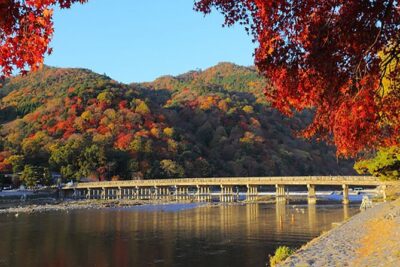
Ancient Capital Tour: Kyoto and Nara Highlights from Kyoto/Osaka
Read our review →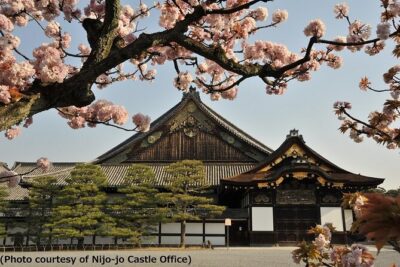
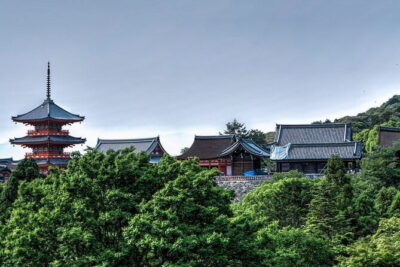
Kyoto & Nara Private customized tour with English speaking Guide
Read our review →
Kyoto and Nara UNESCO Highlights Full-day Tour From Osaka
Read our review →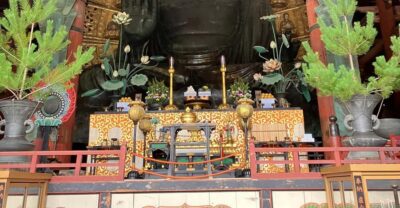
Kyoto & Nara & Uji: Full Day Sightseeing Tour from Osaka or Kyoto
Read our review →Browse the lists this tour appears in