
Reviewed · KYOTO DAY TRIPS FROM OSAKA
Amanohashidate & Ine Funaya Kyoto coast day trip from Osaka/Kyoto
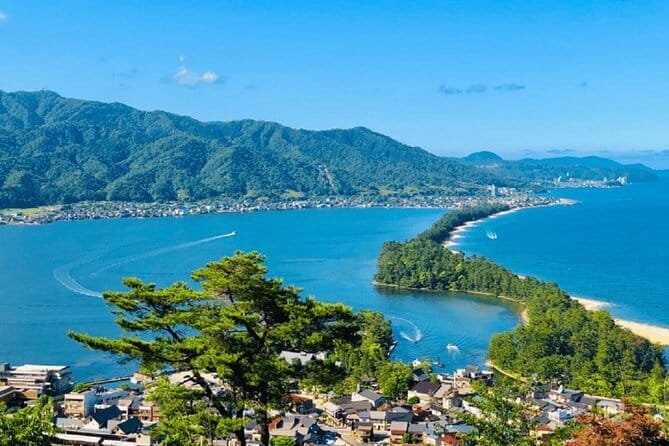
Amanohashidate is the star here: a pine-covered sandbar crossing Miyazu Bay, best appreciated from above or through the famous upside-down viewing trick. The day also reaches Ine’s old boathouses, where homes and boat garages share the same waterfront.
I like the variety. You get a scenic coastal walk, a Buddhist temple tied to wisdom and study, and a quiet fishing village with optional boat access. I also like the friendly, practical guiding reported from people such as Jay, Andrew, Liu, Naomi, and Frederick, including clear meeting times and photo suggestions.
The catch is the road time. This is a 9 to 10-hour outing, and about 40 to 50 percent of the day can pass on the bus. Pickup instructions can also be confusing when Osaka and Kyoto departures are running together, so check your messages carefully.
Key points to know before booking
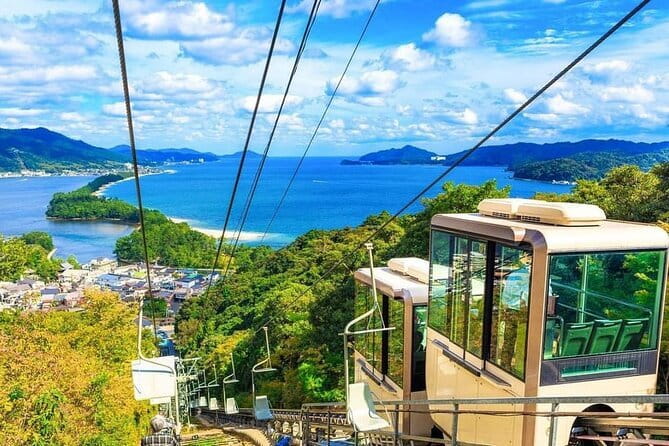
- Amanohashidate is the main event: Walk beside one of Japan’s three celebrated scenic views and consider the optional ropeway to Amanohashidate View Land.
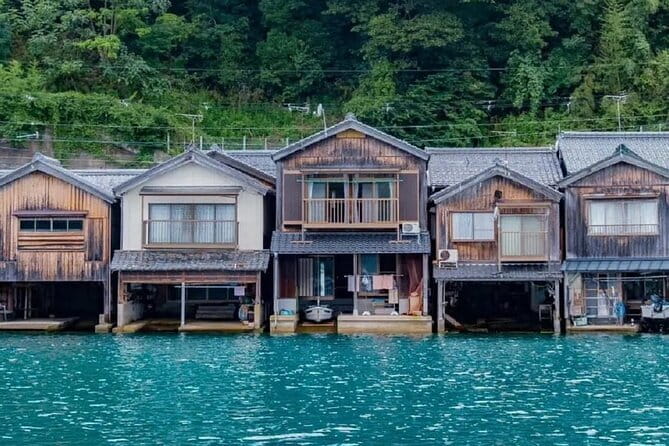
- Ine feels genuinely different: Its wooden funaya boathouses line the water, creating a rare coastal village scene.
- Chionji adds cultural context: The temple is linked with Monju Bosatsu, the bodhisattva of wisdom, and prayers for academic success.
- The guide can shape the day: Jay, Andrew, Liu, Naomi, and other guides have been praised for humor, directions, history, and practical tips.
- Budget for extras: The ropeway costs about $6 for adults and $3 for children. The Ine ferry costs about $8 for adults and $4 for children.
- Plan for a long outing: The group may include up to 48 people, and the total time includes transportation.
Why this Kyoto coast trip is worth considering
Kyoto is famous for temples and old streets, but the northern coast offers a very different Japan. Here, the focus is water, pine trees, fishing boats, and open views. You leave the usual city circuit behind and spend the day in places that feel tied to local geography rather than major urban attractions.
At $84.25 per person, this is priced as a practical transport-and-guiding package. You are paying to reach two distant coastal sites without arranging buses, transfers, and timing yourself. That matters because Amanohashidate and Ine are not quick side trips from Osaka or central Kyoto.
The price does not cover lunch, the Amanohashidate View Land ropeway, or the Ine ferry. That keeps the basic cost fairly clear, but you should allow extra money if you want the best views and a boat ride. The activities are optional, so you can also keep spending low by walking and exploring on your own.
I see this tour as a good trade: less independence, more ease. You give up some time to a shared bus and a fixed schedule, but you avoid the work of connecting several regional transport services.
More Amanohashidate and Ine day trips:
- Osaka Day Tour: Amanohashidate & Ine Bay
★ 5.0 · 280 reviews - Osaka/Kyoto: Amanohashidate & Miyama Tour with Boat & Lunch
★ 4.6 · 207 reviews - Amanohashidate & Ine Funaya Sightseeing Full Day Trip from Kyoto
★ 4.5 · 62 reviews
Amanohashidate and the bridge in heaven
Amanohashidate means bridge in heaven. It is a naturally formed sandbar that stretches across Miyazu Bay and is lined with more than 8,000 pine trees. The result is not a single monument you inspect for ten minutes. It is a long, scenic formation that makes sense from several angles.
The scheduled visit lasts about two hours. That gives you enough time to walk around, take photographs, and choose how much of the area you want to cover. You will not have time for every possible activity, so make your priorities clear before leaving the bus.
The classic local custom is to bend over and look at the sandbar between your legs. From that angle, the pine-lined strip can appear to float between sky and water, hence the name. It is simple, a little silly, and exactly the sort of local tradition that makes a viewpoint more memorable.
The optional Amanohashidate View Land ropeway is the better choice if your main goal is the famous overall view. Admission is not included and costs about $6 for adults or $3 for children. The cable ride itself is an added attraction, but its real value is the higher view across the bay and sandbar.
If you skip the ropeway, you can still enjoy the area at ground level. That may suit you if you prefer a walk, want to save money, or do not want to spend part of the short stop waiting for a ride. The key point is that the ropeway is an option, not a requirement for enjoying Amanohashidate.
Some people find this stop alone worth the long ride from Osaka. I understand why. The combination of water, pines, and open sky feels far removed from central Kyoto. Just keep your expectations realistic: the tour gives you a taste of the area, not a full stay in Miyazu.
Chionji Temple and the prayer for wisdom
Chionji Temple sits at the southern end of Amanohashidate and receives about 30 minutes on the schedule. The temple is dedicated to Monju Bosatsu, the bodhisattva associated with wisdom. That connection makes it especially meaningful for students and anyone interested in Japanese religious customs tied to study and learning.
Thirty minutes is enough for a calm look around and a prayer, but not enough for a slow architectural study. You will need to follow the guide’s return time closely. The temple is also a useful pause between the coast scenery and the next major stop.
The value here is not just visual. Chionji gives you a small window into how Japanese visitors connect religious sites with everyday hopes, including academic success. If you are traveling with children or students, this stop can add a personal angle to the day.
Guides vary in how much detail they provide. Jay and Andrew have been praised for explaining places and offering historical background, while other visitors have found the commentary lighter. If your guide is moving quickly, take a moment to ask about the temple’s connection to Monju Bosatsu and the local customs.
Ine Funaya, Japan’s waterfront village
Ine is known for its funaya, traditional wooden boathouses built directly along the shore. The lower level stores a boat, while the upper level serves as living or working space. This arrangement gives the village its unusual appearance and explains the nickname Venice of Japan, though Ine is much quieter and more compact than that comparison suggests.
The scheduled stop lasts about an hour. That is enough to walk along the water, study the boathouses, and take photographs. It is not enough to explore every corner of the village at a slow pace, so stay aware of the meeting time.
The optional Ine ferry costs about $8 for adults and $4 for children. It offers a different view of the boathouses from the water and can be the most memorable part of the stop. Boat rides also bring you close to the birds that follow the vessel. Some people enjoy feeding them, while others would rather watch without taking part. The activity is optional, so you can choose your own comfort level.
Ine’s appeal is its ordinary working character. This is not just a decorative old town built for sightseeing. The boathouses relate to fishing and waterfront life, which gives the visit a stronger sense of place. You should be respectful, since the village remains connected to local homes and work.
The hour can feel short. If you want the ferry, walking time, and photographs, you will need to move with purpose. If you prefer quiet observation, skip the boat and use the time to look closely at the shoreline and buildings.
More Kyoto day trips from Osaka:
- Osaka/Kyoto: Hiroshima Miyajima Bus Tour & Shinkansen Ticket
★ 4.7 · 919 reviews - From Kyoto/Osaka: Kyoto Top Highlights 1-Day Guided Bus Tour
★ 4.5 · 714 reviews - Ancient Capital Tour: Kyoto and Nara Highlights from Kyoto/Osaka
★ 4.5 · 332 reviews - Kyoto and Nara Day Trip from Osaka
★ 4.0 · 175 reviews
The bus ride is a major part of the experience
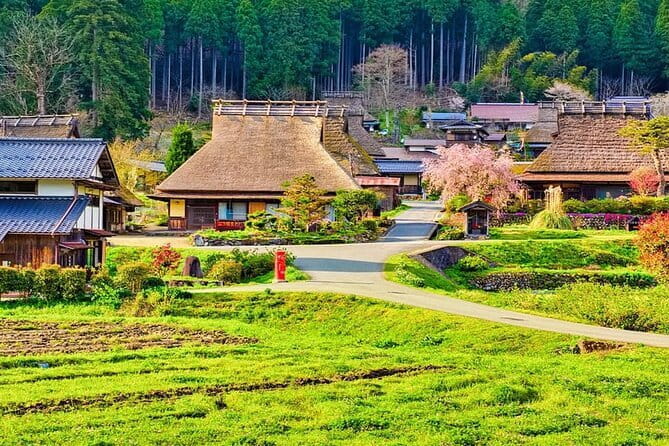
This tour covers a lot of ground in one day. From Osaka or Kyoto, the northern coast is far enough away that the bus becomes part of the experience, not a minor detail. Some people estimate that 40 to 50 percent of the day is spent in transit.
I would not book this expecting a relaxed local excursion with short hops between sights. You should be comfortable with a full day, fixed departure times, and long stretches of sitting. The payoff is reaching places that are harder to visit independently in one day.
The bus can also be useful. Guides such as Andrew have explained what is coming, when restrooms will be available, and how long the next ride will last. That kind of information makes a long road day easier. Jay and Frederick have also been praised for keeping the ride light with humor.
There are limits. One person reported a faulty bus microphone and difficulty understanding the guide’s English. Since the tour serves Chinese, English, Japanese, and Korean speakers, the amount and clarity of commentary may vary. The strongest experience will come when the equipment works and your guide’s spoken English suits you.
What the guides add to the day
The guide is important because the stops are partly self-guided. You are dropped near each place, given a meeting time, and then allowed to explore. That format gives you freedom, but it also means the tour may not provide a long formal explanation at every site.
Jay has been praised for being funny, friendly, and informative. Andrew is noted for clear directions, positive energy, background information, and practical advice about what to do at each stop. Liu is described as clear and helpful, while Naomi has assisted with photographs. Frederick has been appreciated for his gentle humor.
Those details matter. On a day with several meeting points, a guide who repeats the return time and points out the right place to regroup can save you stress. Good instructions are especially useful at Amanohashidate, where you may be tempted to keep walking, and at Ine, where the boat option can absorb much of your hour.
Do not assume every guide will provide the same depth of commentary. If local plants, birds, and coastal ecology matter to you, ask direct questions. Some commentary focuses more on logistics and general background than on detailed interpretation.
Timing, group size, and practical costs
The tour lasts roughly 9 to 10 hours, including transportation. It can depart from Osaka or Kyoto, and the presence of two pickup areas has caused confusion for some people. Check the exact meeting point and look for operator messages through the communication channels provided before the morning of departure.
The maximum group size is 48. That is a fairly large coach group, so expect a shared experience rather than a private or small-group outing. A larger group can keep the price down, but it also means strict return times and more people moving through the same stops.
Children aged 3 and older pay the adult rate. Children from 0 to 2 can join free if they do not need a separate seat. That policy can make the outing reasonable for families, though the long bus ride may be the bigger question.
Admission to the main stops is free. You should budget separately for:
- Amanohashidate View Land ropeway: about $6 adult, $3 child
- Ine Funaya ferry: about $8 adult, $4 child
- Lunch and personal spending
The tour requires good weather. If poor weather causes cancellation, you can receive a different date or a full refund. Standard cancellation allows a full refund if you cancel at least 24 hours before the start time. Late arrival and no-shows are not refundable, so the morning meeting point deserves careful attention.
Who should book this day trip?
I would recommend it to you if you want to see two distinctive coastal places but do not want to plan the regional transport yourself. It suits first-time visitors who want a broad taste of northern Kyoto Prefecture, families who value an organized day, and photographers who enjoy wide views, boats, pine trees, and traditional buildings.
It also works well as a change of pace after several days of city sightseeing. Amanohashidate offers open scenery, while Ine gives you a close look at a rare waterfront building style. Chionji adds a quieter cultural stop without taking over the day.
I would hesitate if you dislike long bus journeys or want deep historical commentary at every stop. You may also prefer independent travel if you want to choose your own lunch, spend longer in Ine, or explore Amanohashidate at a slower pace.
Should you book the Amanohashidate and Ine tour?
Book it if the idea of a pine-lined sandbar and a working village of wooden boathouses appeals to you more than another day in central Kyoto. At $84.25, the value comes from transport, access to distant sights, and a guide who keeps the day moving.
Skip it if the bus time sounds exhausting or if the optional extras would make the final cost uncomfortable. If you do book, confirm your Osaka or Kyoto pickup point, check the latest messages, bring lunch money, and decide in advance if you want the ropeway or ferry.
For the right kind of day, this is a memorable way to see Japan’s northern coast without the strain of arranging every connection yourself.
FAQ
How long does the Amanohashidate and Ine Funaya tour last?
The full experience lasts approximately 9 to 10 hours, including transportation between Osaka or Kyoto and the coastal sights.
Where does the tour visit?
The tour includes Amanohashidate, Chionji Temple at the southern end of Amanohashidate, and Ine Fishing Village, also called Ine Funaya.
Is the Amanohashidate ropeway included?
No. The Amanohashidate View Land ropeway costs about $6 for adults and $3 for children.
Is the Ine Funaya ferry included?
No. The Ine ferry costs about $8 for adults and $4 for children.
Is lunch included?
No. Lunch is at your own expense.
What languages does the guide service support?
The tour includes a guide who may speak Chinese, English, Japanese, or Korean.
Can young children join the tour?
Children aged 0 to 2 can join free if they do not occupy a separate seat. Children aged 3 and older are charged the adult rate.
What happens if the weather is poor?
The experience requires good weather. If it is canceled because of poor weather, you will be offered another date or a full refund.
More 1-Day Tours in Osaka
- Hiroshima & Miyajima 1 Day Bus Tour with Bullet Train Tickets
★ 4.5 · 105 reviews - From Osaka: Hiroshima and Miyajima Day Trip by Bullet Train
★ 4.6 · 83 reviews - Kyoto 1 Day Tour from Osaka
★ 4.0 · 54 reviews - Osaka Private Day Trip – Enjoy Your First-Time Visit to Osaka!
★ 5.0 · 39 reviews
Just added in Osaka
- Urban Canvas: Osaka Street Art Bike Tour★ 5.0 · 10 reviews
- Anime Cosplay Photshoot-50 Digital Photos Provided★ 5.0 · 8 reviews
- TeamLab Botanical Garden Osaka Ticket★ 3.5 · 6 reviews
- Umeda Sky Building & Kuchu Teien Observatory Ticket in Osaka★ 4.5 · 3 reviews
- Immerse in Judo Martial Arts Class from Japan★ 5.0 · 4 reviews
- Cherry Blossom Buddha and Mt.Yoshino with Strawberry Picking Tour★ 4.5 · 5 reviews
- Traditional Home cooking Experience in Osaka, Japan★ 5.0 · 14 reviews
- Traditional Calligraphy Experience near Dotonbori★ 5.0 · 3 reviews
Kyoto Day Trips from Osaka, compared.
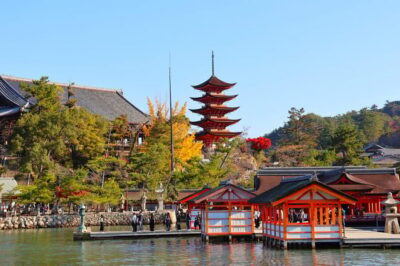
Hiroshima Miyajima Bus Tour & Shinkansen Ticket
Read our review →
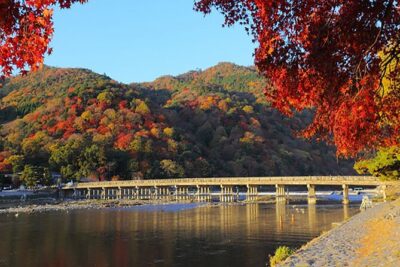
Ancient Capital Tour: Kyoto and Nara Highlights from Kyoto/Osaka
Read our review →
Full Day Tour of Kyoto with Private Transportation
Read our review →
Kyoto & Nara Private customized tour with English speaking Guide
Read our review →Browse the lists this tour appears in