Reviewed · PRIVATE
Osaka: Private Japanese Traditional Ceramics Experience
Osaka’s best cultural experiences often happen away from the neon signs, and this private pottery workshop takes you into a century-old house in the city’s south. With Anna, Ryo, and their team guiding you, you shape a Japanese food-related ceramic piece by hand, then learn about the culture behind it.
I like two things right away: you can choose between a sake set, sushi set, or tea bowl, and the small class gives you real one-on-one help. I also like the walk from Teradacho Station through a local shopping street, a slice of Osaka that feels far removed from the usual sightseeing circuit.
The main drawback is practical: your finished piece will not go home with you that day. It takes about a month and a half to fire and ship, and shipping costs extra. You also need to be comfortable meeting at the station and spending two focused hours working with clay.
Key Points to Know Before You Book
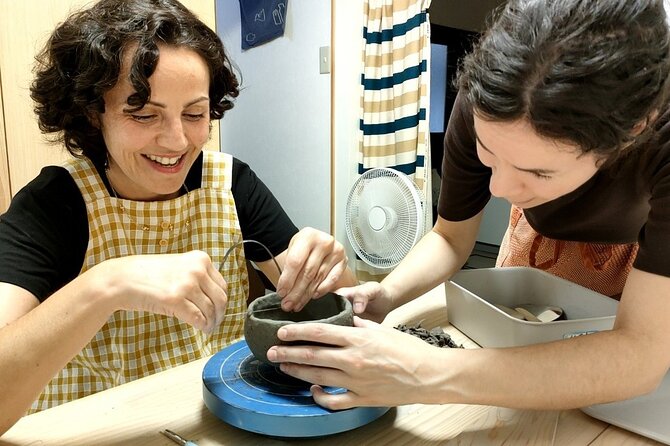
- Make your own Japanese tableware: Choose a sake set, sushi plate with chopstick holder, or chawan tea bowl.
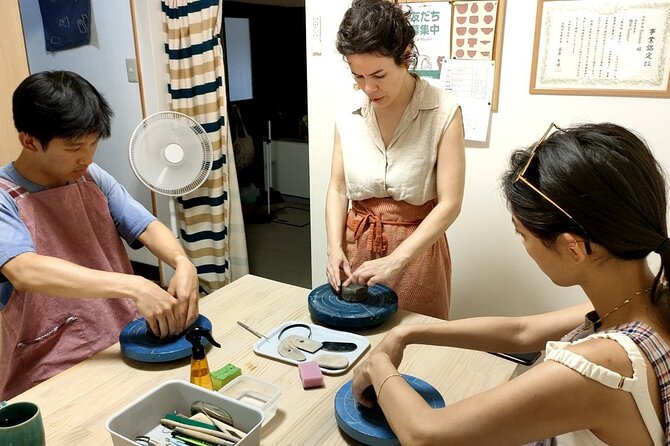
- Work privately with Anna, Ryo, and the team: Your group receives personal instruction rather than joining a crowded class.
- Visit a century-old Showa-era house: The studio gives you a look at an older, residential side of southern Osaka.
- Walk through a local food market area: The route from Teradacho Station adds a useful neighborhood experience before the class begins.
- Enjoy useful extras: Materials, firing, green tea, coffee or water, tax, a small sushi dish, and a sakura-shaped chopstick rest are included.
- Plan for delayed delivery: Your pottery is shipped after about six weeks, with postage paid separately.
A Small Studio in Southern Osaka
The experience begins at Teradacho Station, at 2 Chome-3 Tennojichokita in Abeno Ward. The studio is close to public transportation, and the activity ends back at the meeting point.
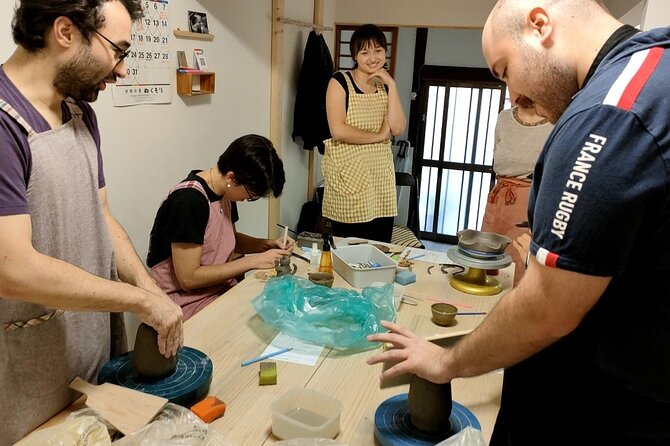
The setting is part of the appeal. You are not heading to a polished craft center built for large groups. The workshop occupies a two-storey house about a century old, in a less touristy part of southern Osaka. The walk from the station passes shops selling local food and gives you a glimpse of everyday streets that are easy to miss if you spend all your time around Namba, Dotonbori, and Osaka Castle.
That neighborhood visit is not a separate guided tour, so keep your expectations sensible. You are not getting a full history walk or a long food crawl. Still, it helps frame the pottery class. You arrive at a traditional home in an older local district, rather than stepping into an anonymous room near a major attraction.
The house is described as a look at Showa-era Japan, referring to the period from 1926 to 1989. For many visitors, the building and the surrounding streets may be as memorable as the clay work. The atmosphere also helps explain why this class feels more personal than a standard craft lesson.
A few more Osaka half-days worth pricing up
- Private Osaka Walking Tour: Highlights & Hidden Gems
★ 5.0 · 569 reviews - 3/4/5 Hours Private Tour in Osaka with Local Guide
★ 5.0 · 189 reviews - Osaka’s Best and Brightest: Private Full-Day Tour by Vehicle
★ 5.0 · 147 reviews
Choosing Between a Sake Set, Sushi Set, and Chawan
The central choice is what you want to make. Each option connects your souvenir to Japanese food culture, but the finished objects serve different purposes.
The sake set includes a small bottle and a glass. It is a good pick if you like the idea of making a matched pair and want a souvenir linked to one of Japan’s best-known drinks. The scale is also manageable for a short workshop.
The sushi set consists of a sushi plate and a chopstick holder. This is the clearest choice for anyone who wants a useful dining item or likes the idea of setting out sushi at home. The included souvenir plate and sakura-shaped chopstick rest are separate pieces made by Anna, so you receive a little extra even if you choose another project.
The third option is a chawan, a traditional tea bowl. It offers the simplest form of the three, but the shape gives you plenty to think about. A tea bowl is not just a container. Its proportions, feel in the hand, and glaze all affect how it is used.
You will work with clay connected to Japanese gastronomy, and the class focuses on hand-building rather than promising a wheel-throwing lesson. That distinction matters. If you have only seen pottery made on a spinning wheel, this process will feel different. One participant with pottery experience specifically appreciated learning hand-building as a separate method.
You do not need past pottery experience. The instruction is aimed at beginners, but people who already work with clay can also find value in practicing a different technique. Anna’s approach is described as patient and encouraging, with room for you to give the piece your own shape.
What the Two-Hour Workshop Feels Like
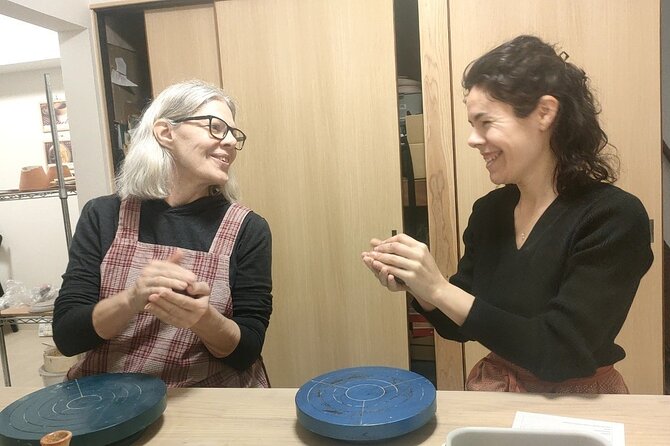
The class lasts about two hours, with morning and afternoon times available. That makes it easy to fit around a morning market visit, an afternoon neighborhood stop, or an evening meal.
The workshop is private, meaning only your group participates. This is one of the strongest reasons to choose it over a large class. Anna can spend more time explaining the process, answer questions as they come up, and adjust the help to your skill level.
That private format also suits couples, families, and small groups of friends. A parent and teenager can work side by side without worrying about slowing down a larger class. A couple can choose different objects and still share the same activity. Several people have also found the relaxed pace good for conversation, not just instruction.
Anna and Ryo are involved in hosting the class, and the team talks with you about Japanese culture as you work. The instruction is available in English, Spanish, Catalan, or Japanese. The Spanish and Catalan options are especially useful if you prefer to learn through one of those languages, since they are not commonly offered in pottery activities.
Tea, coffee, or water is included. That is a small detail, but it suits the home-studio setting. The session is not built around rushing you through stations. You have time to work, talk, and pay attention to the material.
The finished object requires firing after the class. You can arrange for the pottery to be sent to your home, but the shipping fee is not part of the price. The stated delivery period is about one month and a half, so do not plan to carry your finished bowl or sake set onto your next train.
Learning About Japanese Craft Through Food
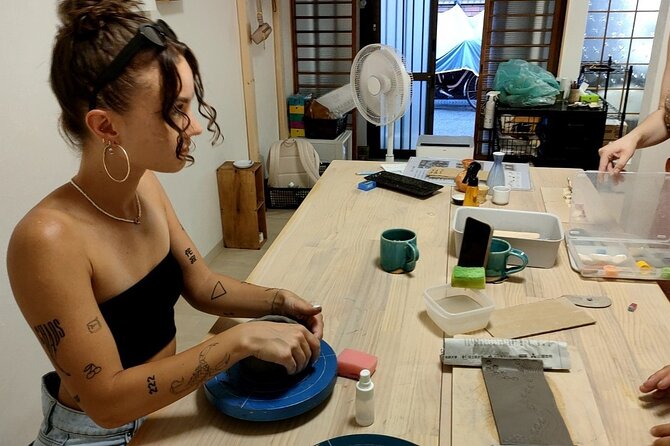
A short craft class cannot explain every part of Japanese ceramics, but this one uses a smart entry point: food. Plates, bowls, sake vessels, and chopstick rests are objects you see and use every day, so the cultural discussion has a practical anchor.
As you shape the clay, Anna and Ryo talk about Japanese culture and traditional pottery. You can connect the form of your object to how it might be used at the table. A tea bowl invites a different shape and feel from a sushi plate. A sake set requires attention to how two related pieces work together.
The included small sushi dish and sakura-shaped chopstick rest add another layer. These are made by Anna and given to participants as souvenirs. The cherry blossom shape is a particularly fitting reminder of Japan, but the gift is also useful rather than purely decorative.
You should not book this expecting to produce museum-quality pottery in two hours. Clay is responsive but not obedient. Your piece may have a handmade curve, an uneven edge, or a shape that differs from your first plan. That is part of the point. The class gives you a physical memory of the trip, not a factory-perfect object.
The instructors encourage you to make the piece your own. That makes the experience more satisfying than simply copying a model. At the same time, you will have guidance when the clay needs correcting or when you are unsure how to proceed.
Same city, a completely different kind of afternoon:
- Osaka Go Karting Tour with Funny Costume
★ 5.0 · 2,658 reviews - Osaka Castle: Museum and Tower Entry Ticket
★ 4.5 · 2,380 reviews - Osaka: Shinsekai Food Tour with 13-15 Dishes at 5 Eateries
★ 4.8 · 2,204 reviews - Osaka Food Tour: 13 Dishes at 5 Local Eateries
★ 5.0 · 2,149 reviews
The Value of a $94.13 Private Experience
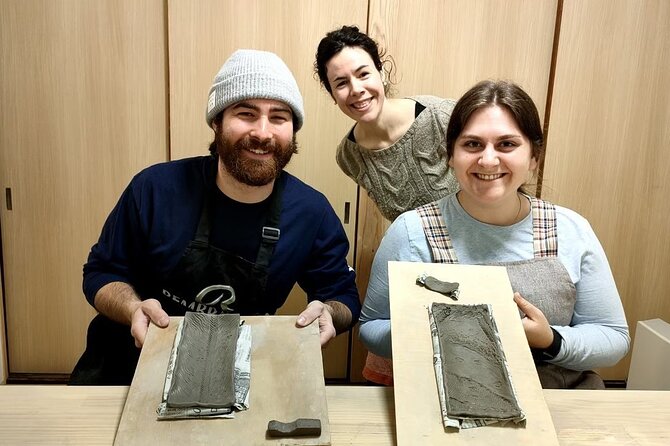
At $94.13 per person, this is not the cheapest activity in Osaka. You are paying more than you would for a basic drop-in craft session, but the comparison is not quite equal.
The price includes the instructor, materials, firing, tax, drinks, and two small handmade gifts. Most important, it includes a private class rather than a large shared workshop. If you value personal attention and a calm pace, that changes the calculation.
Shipping is the main extra cost to remember. The firing fee is included, but postage for sending the finished pieces home is not. Ask about the shipping arrangement when you attend so you understand the final cost before leaving Japan. The pottery takes about six weeks to arrive, so this is a delayed souvenir rather than an item you can inspect immediately.
The price makes the most sense for someone who wants more than a quick make-and-take activity. You get a neighborhood visit, cultural conversation, hands-on instruction, a fired piece, and two extra ceramic souvenirs. It is also a good way to put a personal object behind your memories of Osaka.
If you are mainly looking for a cheap activity or want to leave with a finished item that same afternoon, this may not suit you. The delayed shipping and separate postage are real considerations.
Who Will Enjoy This Pottery Class?
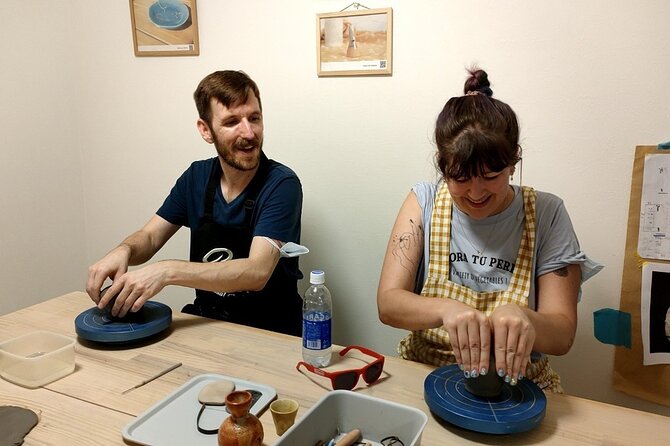
I would recommend it most strongly to:
- Couples who want a shared activity with a personal result
- Families with older children or teenagers
- First-time pottery makers who want patient instruction
- Experienced potters interested in Japanese hand-building
- Visitors seeking a quieter, local side of Osaka
- Spanish- or Catalan-speaking participants who want instruction in those languages
- Anyone who prefers a private class to a group workshop
The class can work well for a family because the format is warm and flexible. One family described the instructors as patient and welcoming, and the private setting allowed the adults and teenager to enjoy the activity together.
It also suits people who like talking with local hosts. The class includes cultural discussion, and the hosts have taken time to share suggestions about nearby places. Do not expect a formal city tour, but you may come away with ideas for what to see after the workshop.
This is less suitable if you dislike handling clay, have a very tight schedule, or need a finished souvenir immediately. It is also not the right pick if you want a wheel-throwing class specifically. The stated focus is hand-building.
Timing, Language, and Practical Details
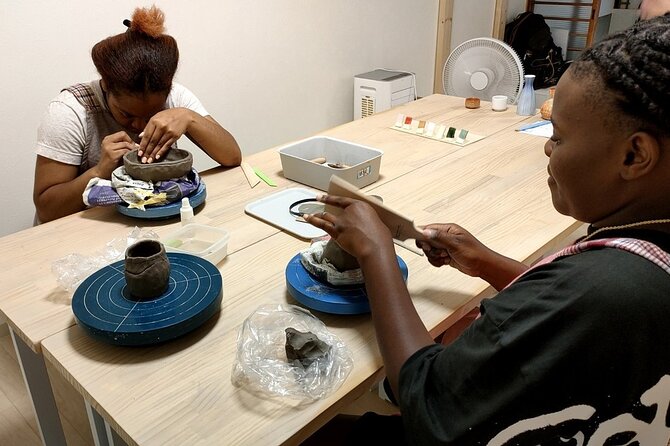
You can choose a morning or afternoon session. Since the activity lasts about two hours and returns you to the meeting point, it is easy to plan around other Osaka activities.
Meet at Teradacho Station in Abeno Ward. The area is near public transportation, but allow enough time to find the meeting point. The walk to the house is part of the experience, so do not treat the station as the studio door.
Confirmation is provided at booking. The activity is private, and most people can participate. The information also states that the experience requires good weather. If poor weather causes cancellation, you are offered another date or a full refund.
Free cancellation is available up to 24 hours before the start time. Cancellations or changes made less than 24 hours before the activity are not accepted for a refund. The cutoff follows local Osaka time.
The class is offered in English, Spanish, Catalan, and Japanese. If language is important to you, select the option that fits your group when booking and confirm the arrangement in advance.
My Verdict: A Personal Osaka Souvenir Worth the Wait
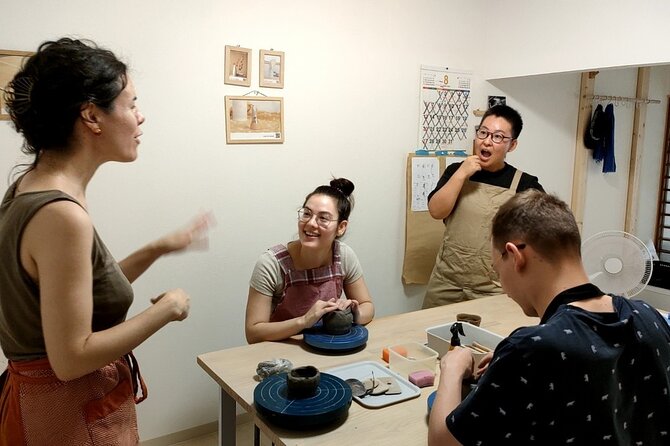
I would book this class if you want a meaningful activity rather than another pass through a famous sightseeing spot. The small private format, patient instruction, and century-old house give it a strong sense of place. The walk through southern Osaka also adds something that a studio near the main tourist zones could not.
The delayed delivery is the key tradeoff. You pay separately to ship the pottery, then wait about six weeks before seeing the fired result. But that delay can also extend the trip, turning a day in Osaka into a souvenir that arrives later.
Choose the sake set, sushi set, or chawan based on what you will actually use at home. If you want a dining souvenir and an easy shape, consider the sushi set. If you like tea traditions, choose the chawan. If you want a matched pair, the sake set is the natural choice.
At $94.13 per person, this is best for people who value personal attention, cultural context, and a handmade object. It is a sound pick for couples, families, and beginners, especially if you want to see a quieter side of Osaka. Skip it only if your schedule is too tight for a two-hour class or you need to take your souvenir home that day.
FAQ
How long does the pottery experience last?
The workshop lasts approximately two hours.
Where does the activity begin?
The meeting point is Teradacho Station, at 2 Chome-3 Tennojichokita, Abeno Ward, Osaka, 545-0001, Japan.
Where does the activity end?
The experience ends back at the meeting point.
What can I make during the workshop?
You can choose a sake set with a small bottle and glass, a sushi set with a sushi plate and chopstick holder, or a chawan tea bowl.
Is the pottery shipped after the class?
Yes. Your pottery can be sent to your home after firing. It takes about one month and a half to ship, and the shipping fee is not included.
Are materials and firing included?
Yes. The instructor, material costs, firing fee, tax, and drinks are included.
What additional souvenirs are included?
You receive a small traditional Japanese dish for sushi and a sakura-shaped chopstick rest made by Anna.
Which languages are available?
The workshop is offered in English, Spanish, Catalan, and Japanese.
Can I cancel for a full refund?
You can cancel at least 24 hours before the experience start time for a full refund. Cancellations or changes made less than 24 hours before the start time are not accepted for a refund. If poor weather causes the activity to be canceled, you are offered another date or a full refund.
Just added in Osaka
- Urban Canvas: Osaka Street Art Bike Tour★ 5.0 · 10 reviews
- Anime Cosplay Photshoot-50 Digital Photos Provided★ 5.0 · 8 reviews
- TeamLab Botanical Garden Osaka Ticket★ 3.5 · 6 reviews
- Cherry Blossom Buddha and Mt.Yoshino with Strawberry Picking Tour★ 4.5 · 5 reviews
- Umeda Sky Building & Kuchu Teien Observatory Ticket in Osaka★ 4.5 · 3 reviews
- Immerse in Judo Martial Arts Class from Japan★ 5.0 · 4 reviews
- Traditional Home cooking Experience in Osaka, Japan★ 5.0 · 14 reviews
- Traditional Calligraphy Experience near Dotonbori★ 5.0 · 3 reviews
Private, compared.

Private Osaka Walking Tour: Highlights & Hidden Gems
Read our review →
3/4/5 Hours Private Tour in Osaka with Local Guide
Read our review →
Osaka’s Best and Brightest: Private Full-Day Tour by Vehicle
Read our review →
Full Day Tour of Kyoto with Private Transportation
Read our review →
Kyoto & Nara Private customized tour with English speaking Guide
Read our review →