
Reviewed · KYOTO DAY TRIPS FROM OSAKA
Osaka/Kyoto: Arashiyama, Fushimi Inari & Nara Park Day Trip
Fushimi Inari’s endless red torii gates, Nara’s bowing deer, and Arashiyama’s towering bamboo give you three of the Kansai region’s most recognizable sights in one long day. The tour covers a lot of ground from Osaka or Kyoto, using an air-conditioned vehicle and a guide to keep the day moving.
I like the variety: Shinto shrine, Buddhist temple, deer park, bamboo grove, and textile art all appear on the same route. I also like the practical help from guides such as Amy, Laura, Steven, and Frederick, who have helped with meeting instructions, food suggestions, timing, and getting back to the vehicle.
The tradeoff is time. You get only about nine hours for three major destinations, so this is a sampler rather than a slow, thoughtful visit to Kyoto and Nara. Tenryu-ji admission costs extra, lunch is on your own, and a group of up to 45 people can make the day feel organized rather than intimate.
Key points to know before booking
- Three major Kansai sights in one day: Visit Fushimi Inari, Nara Park, and Arashiyama without arranging separate train trips.
- Fushimi Inari is free, but not effortless: The first hour takes you into the famous torii-gate route, with walking and likely crowds.
- Nara Park adds a memorable animal encounter: The deer roam freely and may bow when hoping for food.
- Arashiyama includes more than bamboo: You also see Nonomiya Shrine, Tenryu-ji, Nakanoshima Park, and the Kimono Forest.
- The $57 price is strong for transport and guiding: You still need to pay for lunch and the 500-yen Tenryu-ji ticket.
- Comfortable shoes matter: This is a walking-heavy day with several short visits packed into a tight schedule.
Why this nine-hour route works
Kyoto and Nara can take several days to explore properly. If your Japan trip gives you only one open day for these places, this tour solves a real problem: it links sights that are spread across the region and handles the transport between them.
The route begins with Fushimi Inari Taisha, continues to Nara Park, and then heads to Arashiyama in western Kyoto. That means you are not simply sitting in one district all day. You move from the spiritual setting of an important Shinto shrine to deer-filled parkland, then finish among bamboo, gardens, temples, and traditional design.
I see the tour as a first look rather than a final word on Kyoto or Nara. You can identify the places worth returning to, just as one participant used the day to decide to come back to Tenryu-ji with more time. That is a sensible way to use a guided day: let someone else handle the route, then revisit your favorite area independently if your schedule allows.
The air-conditioned vehicle is useful here. Public transport can take you between these places, but doing all three by yourself requires careful timing and several changes. The vehicle does not remove the walking, but it reduces the work between stops.
More Nara day trips from Osaka:
- Ancient Capital Tour: Kyoto and Nara Highlights from Kyoto/Osaka
★ 4.5 · 332 reviews - Kyoto and Nara Day Trip from Osaka
★ 4.0 · 175 reviews - Discover Himeji, Kobe and Nara from Osaka
★ 5.0 · 101 reviews
Fushimi Inari and the first red gates
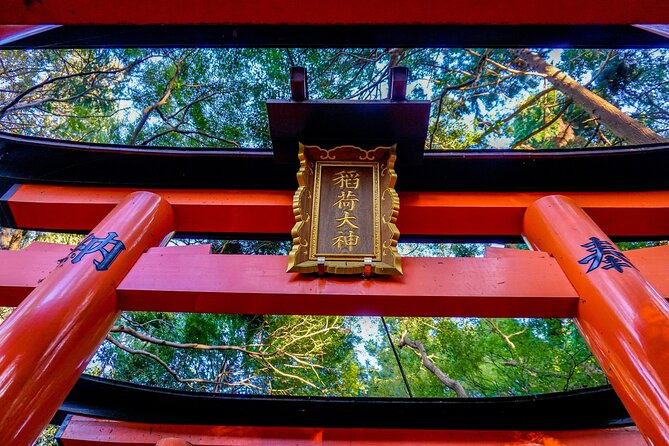
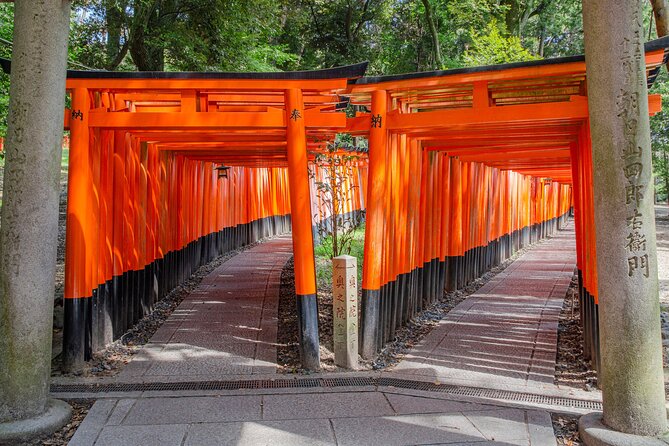
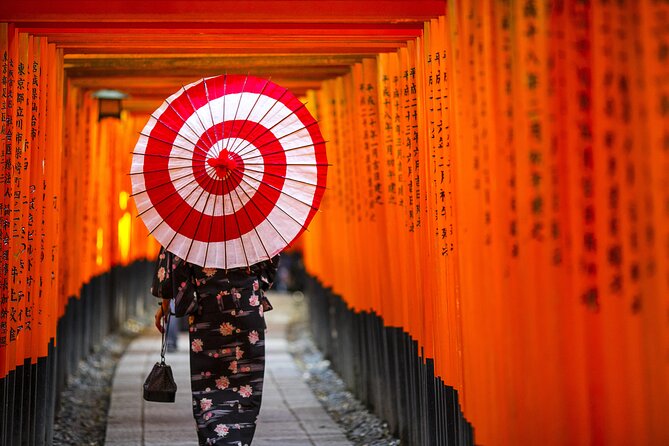
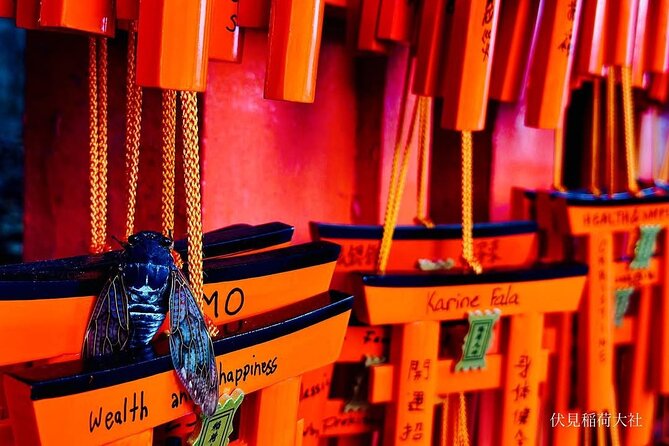
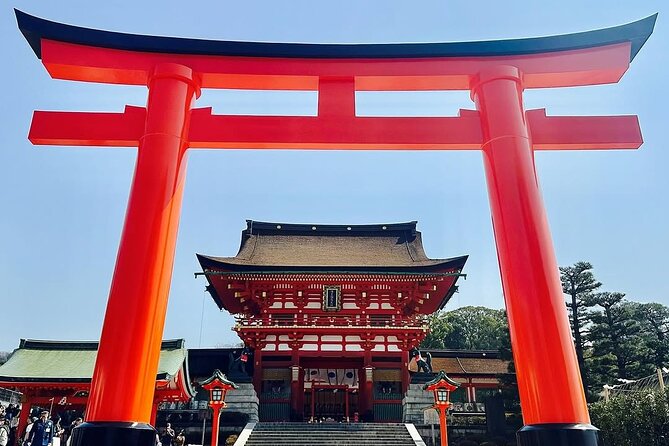
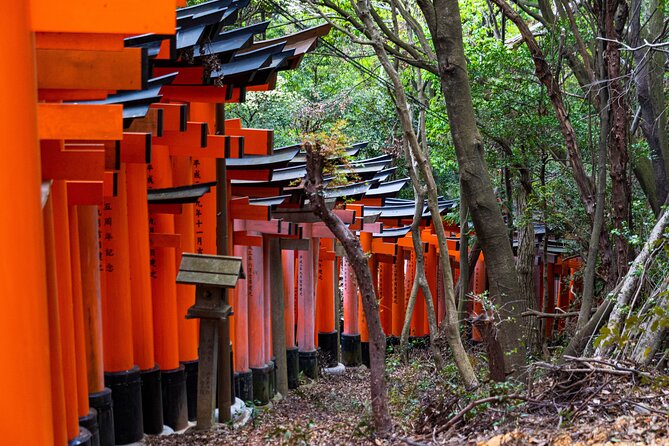
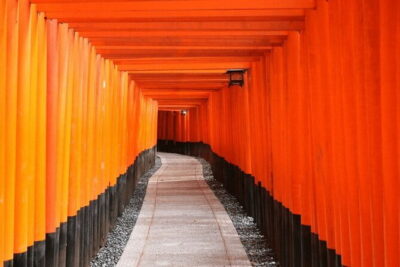
Fushimi Inari Taisha is the head shrine of the many Inari shrines found across Japan. Inari is associated with rice, and the shrine is best known for the Senbon Torii, or Thousand Torii Gates, a long route lined with vermilion gates.
The tour allows about 1 hour and 10 minutes here. That is enough to enter the shrine grounds, see the most famous section, and walk through a meaningful stretch of the gates. It is not enough for a full climb through every part of the mountain route, so keep your expectations realistic.
The gates are not a single flat corridor. The path rises, and the experience becomes more peaceful the farther you go from the entrance. With a fixed departure time, you will need to watch the clock and follow the guide’s instructions. Wear shoes with good support, especially if you want to walk beyond the most photographed section.
Fushimi Inari is free to enter, which helps the tour’s value. The main challenge is popularity. The first sections can be crowded, and stopping for a perfect photograph may slow you down. I suggest taking your main pictures early, then walking a little farther to see how the atmosphere changes.
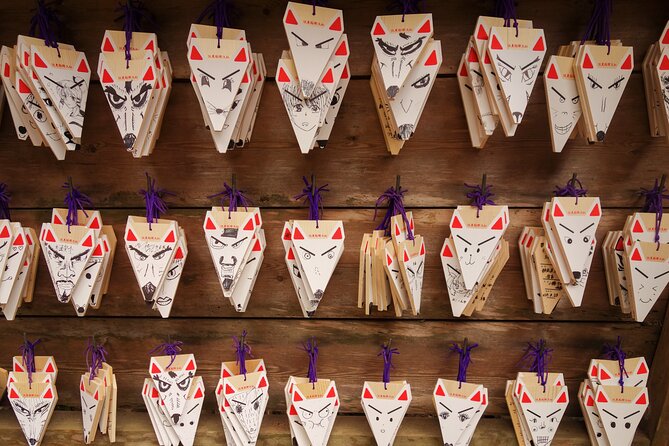
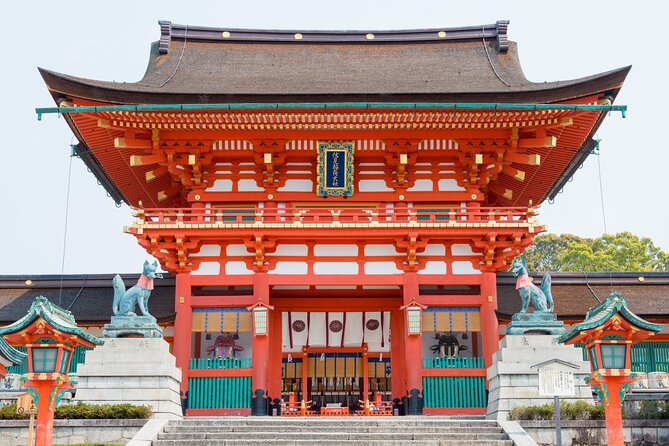
This stop gives you strong visual variety right away. The red gates, stone fox figures, forested paths, and shrine buildings make it more than a quick photo stop. Still, the short visit favors highlights over quiet reflection.
Nara Park and the free-roaming deer
The next major stop is Nara Park, one of the oldest parks in Japan and a large open area covering about 660 hectares. Its best-known residents are the deer, which move freely around the park and near its famous temples.
You have about one hour here. That should give you time to meet the deer and see part of the park, but not enough for a broad visit to every temple and museum in the area. The tour focuses on the character of Nara Park rather than a full study of Nara’s religious sites.
The deer are accustomed to people and may bow when hoping for a treat. That makes for a memorable encounter, but you should still treat them as animals, not toys. Follow the guide’s instructions, keep food under control, and pay attention after your supply is gone. A deer that expects another snack may remain interested in you.
Nara adds a welcome change after Fushimi Inari. Instead of following a narrow shrine path, you get open parkland, old temple surroundings, and animals moving through the scene. It is also a good stop for families and for anyone who wants a less formal cultural visit.
The limit is again time. If you want to spend hours at Nara’s major temples, this itinerary will feel too brief. If you want a first meeting with the deer and a taste of Nara, the hour can work well.
Arashiyama’s bamboo path and Nonomiya Shrine
Arashiyama receives several separate stops, which reflects how much there is to see in this western Kyoto district. The main bamboo forest visit lasts about 50 minutes. The path runs between tall bamboo stalks that reach above you and create a cool, shaded setting.
The grove is one of Kyoto’s most photographed places, so do not expect solitude. The appeal is not only the pictures. The enclosed path feels different from the open streets and shrine grounds elsewhere in the day, and the height of the bamboo gives the walk a strong sense of place.
Fifty minutes gives you time to stroll, take photographs, and stay with the group’s schedule. It does not allow for a slow walk through every side path or a long stop at each viewpoint. Keep your pace comfortable and avoid spending the entire visit in one small section.
Nonomiya Shrine follows, with about 20 minutes. This Shinto shrine is known for its black torii gate, which differs from the vermilion gates at Fushimi Inari. That contrast makes the stop especially useful: you see two shrine settings in one day without confusing them as the same kind of place.
Nonomiya is associated with the Arashiyama area and sits close to the bamboo route. The short visit works well as an introduction, although anyone interested in shrine architecture or religious practice will want more time than the schedule provides.
More Kyoto day trips from Osaka:
- Osaka/Kyoto: Hiroshima Miyajima Bus Tour & Shinkansen Ticket
★ 4.7 · 919 reviews - From Kyoto/Osaka: Kyoto Top Highlights 1-Day Guided Bus Tour
★ 4.5 · 714 reviews - Osaka/Kyoto: Amanohashidate & Miyama Tour with Boat & Lunch
★ 4.6 · 207 reviews - Volleyball in Osaka, Kobe & Kyoto with locals!
★ 4.8 · 131 reviews
Tenryu-ji and the cost of entering
Tenryu-ji is a UNESCO World Heritage Site and one of Kyoto’s major Zen temples. It is ranked first among the city’s five great Zen temples, making it the most substantial paid attraction in this part of the itinerary.
The visit lasts about 20 minutes, and the entrance ticket is not included. You should budget an additional 500 yen for admission. That fee is modest, but the short visit is the bigger issue. You may have enough time to see key parts of the temple grounds, yet not enough for a calm examination of the gardens and buildings.
This is the point where the tour’s rapid pace is most noticeable. Tenryu-ji deserves time, especially if you care about Zen gardens, temple design, or the relationship between buildings and the surrounding hills. The schedule introduces you to the site, but it does not replace a dedicated visit.
I like that the tour includes Tenryu-ji rather than treating Arashiyama as only a bamboo photo stop. Just remember that the visit is a preview. If this temple interests you most, consider returning on another day or arriving early on a future visit.
Nakanoshima Park and the Kimono Forest
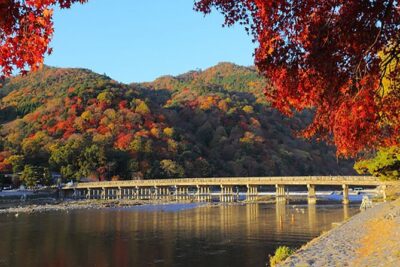
Arashiyama Park’s Nakanoshima Area provides about 30 minutes for a slower outdoor pause. The park is known for cherry blossoms in spring and autumn color later in the year. The supplied information does not promise a particular seasonal display, so treat the scenery as a bonus rather than the reason to book on a specific date.
This stop helps break up the more concentrated shrine and bamboo visits. You can walk through the park, enjoy the river-area setting, and see another side of Arashiyama without paying an admission fee. As with the rest of the day, the stop is a taste, not a full park outing.
The Kimono Forest takes about 20 minutes and offers a very different visual experience. It consists of about 600 clear acrylic cylinders, each roughly two meters tall, decorated with kimono fabrics in many patterns.
I like the contrast between the natural bamboo grove and this modern textile installation. It shows how Arashiyama combines old Kyoto traditions with contemporary design. The Kimono Forest is also an easy stop for photographs and does not require a temple ticket.
Together, Nakanoshima Park and the Kimono Forest keep the Arashiyama portion from feeling repetitive. You move from bamboo to shrine, temple, park, and textile art within one district.
How the guides shape the day
A good guide matters on a route with so many meeting times. Guides named in the feedback include Amy, Laura, Scarlet, Steven, Sofia, Lucy, and Frederick. Their reported strengths cover humor, clear instructions, food suggestions, updates about the vehicle, safety reminders, and local anecdotes.
You should expect guidance and coordination more than a private lecture. The group size can reach 45 people, so the guide must balance explanation with the practical task of getting everyone back to the vehicle. That can suit you if you want help with direction and timing but still prefer some independent wandering at each stop.
The guide’s communication is particularly important when you leave the vehicle. Make sure you understand the meeting place and return time before walking off. The positive descriptions of updates and clear instructions suggest that this part of the service is a real strength, but you remain responsible for returning on time.
If you book separately from friends or relatives, tell the operator at least one day ahead that you want to stay together. Otherwise, you could be assigned to different vehicles. Also mention a stroller or large luggage when booking, since those items affect the transport arrangements.
Is $57 a fair price?
At $57 per person, the tour offers solid value if you want transportation, a guide, and a broad first look at three major destinations. The admission price at Fushimi Inari and Nara Park is free, and the only listed attraction fee is the 500-yen Tenryu-ji ticket.
Lunch is not included. You will need to plan your own meal during the day, and the schedule may favor a quick, practical option rather than a long restaurant visit. Guides such as Laura and Scarlet have provided food suggestions, which may help, but the cost of eating remains yours.
The price looks less attractive if you already feel comfortable using Japanese trains and want to spend most of a day at one site. Independent transport can give you more freedom, and a self-guided visit to Arashiyama or Nara would let you set your own pace.
For a first-time visit, though, the value is clear. You are paying to connect far-flung sights in one day, reduce navigation work, and get help from a guide. The cost is reasonable for that convenience, provided you accept the group format and tight timing.
Who should book this day trip?
I would recommend it most to you if you have one free day, are staying in Osaka or Kyoto, and want to see the region’s headline sights without planning every train connection. It also suits solo visitors who want a guide and a ready-made group for the day.
Families may like the mix of deer, bamboo, temples, and open park areas, though the walking and fixed schedule can be tiring for small children. Anyone bringing a stroller should disclose it in advance.
This is less suitable if your main goal is photography in quiet conditions, a long temple visit, or a leisurely meal. The maximum group size of 45 is another reason to consider your style. You will have independent time at the stops, but the day is built around group movement.
The tour runs for about nine hours, so plan for a full day rather than a casual half-day outing. Comfortable shoes are essential. Bring enough energy for repeated walks, shrine paths, park routes, and the bamboo forest.
Free cancellation is available if you cancel at least 24 hours before the start time. Changes or cancellations inside that window are not accepted for a refund.
Should you book it?
Book this tour if you want an efficient introduction to Fushimi Inari, Nara Park, and Arashiyama, and you value having transport and a guide arranged for $57. The mix is excellent, and the named guides have brought humor, clear directions, food tips, and useful local stories to the day.
Skip it if you want to give one temple or neighborhood the attention it deserves. The biggest weakness is not the selection of sights, but the limited time at each one. For a first taste of Kyoto and Nara from Osaka or Kyoto, it is a practical choice. For a slow cultural visit, use the tour to choose where you want to return.
FAQ
How long does the tour last?
The tour lasts approximately nine hours.
Where can I join the tour?
You can depart from Osaka or Kyoto.
Which main places does the tour visit?
The route includes Fushimi Inari, Nara Park, and the Arashiyama area, including the Bamboo Forest, Nonomiya Shrine, Tenryu-ji Temple, Arashiyama Park’s Nakanoshima Area, and the Kimono Forest.
Is entrance to Fushimi Inari included?
Yes. Fushimi Inari has no admission charge for this tour.
Is the Nara Park admission fee included?
Yes. Nara Park is listed as free admission.
Is the Tenryu-ji ticket included?
No. The Tenryu-ji ticket costs 500 yen and is paid separately.
Is lunch included?
No. Lunch is not included in the tour price.
How many people can join the tour?
The tour can have a maximum of 45 people.
Can I cancel for a full refund?
Yes, if you cancel at least 24 hours before the experience start time. Cancellations or changes made less than 24 hours ahead are not accepted for a refund.
More 1-Day Tours in Osaka
- Hiroshima & Miyajima 1 Day Bus Tour with Bullet Train Tickets
★ 4.5 · 105 reviews - From Osaka: Hiroshima and Miyajima Day Trip by Bullet Train
★ 4.6 · 83 reviews - Amanohashidate & Ine Funaya Sightseeing Full Day Trip from Kyoto
★ 4.5 · 62 reviews - Kyoto 1 Day Tour from Osaka
★ 4.0 · 54 reviews
Just added in Osaka
- Urban Canvas: Osaka Street Art Bike Tour★ 5.0 · 10 reviews
- Anime Cosplay Photshoot-50 Digital Photos Provided★ 5.0 · 8 reviews
- TeamLab Botanical Garden Osaka Ticket★ 3.5 · 6 reviews
- Umeda Sky Building & Kuchu Teien Observatory Ticket in Osaka★ 4.5 · 3 reviews
- Immerse in Judo Martial Arts Class from Japan★ 5.0 · 4 reviews
- Cherry Blossom Buddha and Mt.Yoshino with Strawberry Picking Tour★ 4.5 · 5 reviews
- Traditional Home cooking Experience in Osaka, Japan★ 5.0 · 14 reviews
- Traditional Calligraphy Experience near Dotonbori★ 5.0 · 3 reviews
Kyoto Day Trips from Osaka, compared.
Hiroshima Miyajima Bus Tour & Shinkansen Ticket
Read our review →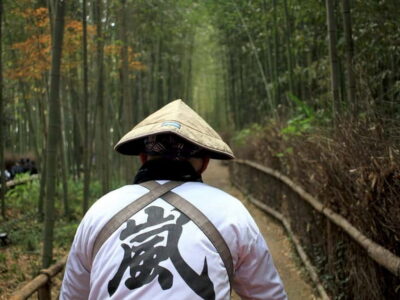
Ancient Capital Tour: Kyoto and Nara Highlights from Kyoto/Osaka
Read our review →
Full Day Tour of Kyoto with Private Transportation
Read our review →
Kyoto & Nara Private customized tour with English speaking Guide
Read our review →Browse the lists this tour appears in