
Reviewed · DOTONBORI TOURS
Nostalgic Osaka walk, totally different from Dotonbori
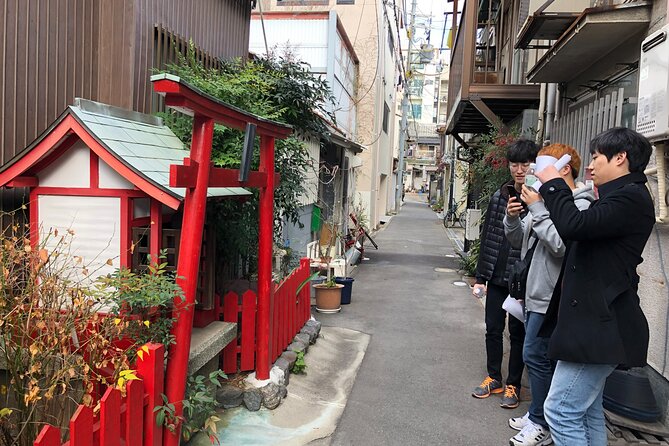
Osaka’s Karahori district feels a world away from the neon and crowds of Dotonbori. On this small-group walk, guide Chieko leads you through old lanes, local shops, renovated machiya houses, and quiet corners that are easy to miss on your own.
I like the small maximum of six people, which keeps the walk personal and makes it easier to ask about daily life in Osaka. I also like the mix of places: a working tatami shop, a long-established bonito store, a neighborhood shopping street, and small cafés rather than a string of famous sights.
The main thing to consider is the walking. The route takes about two hours, with some uphill and downhill sections, and several stops are brief. You should also arrive on time, since joining more than 15 minutes late is not allowed.
Key points to know before booking
- Karahori instead of Dotonbori: See an older, quieter side of central Osaka.
- A personal guide: Chieko explains local customs, neighborhood history, and everyday life.
- Six-person maximum: The small group suits visitors who prefer conversation over a large tour crowd.
- Real local businesses: Visit a tatami maker, bonito shop, chocolatier, cafés, and small stores.
- Two-hour walking route: Expect narrow lanes, old houses, and some gentle slopes.
- Good for souvenirs: Many shops sell items you are unlikely to find at major airport or chain stores.
Why Karahori makes a better old-Osaka walk
Dotonbori is fun, loud, and easy to recognize. Karahori gives you a different picture of Osaka. The streets are quieter, the buildings are older, and daily life remains part of the scene. You are not simply moving from one famous monument to another. You are watching a neighborhood function.
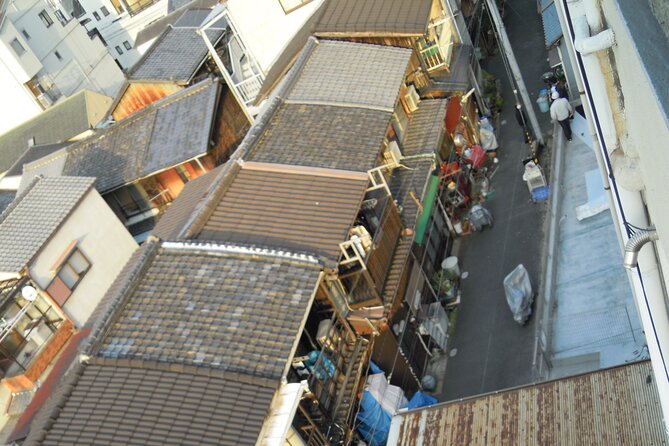
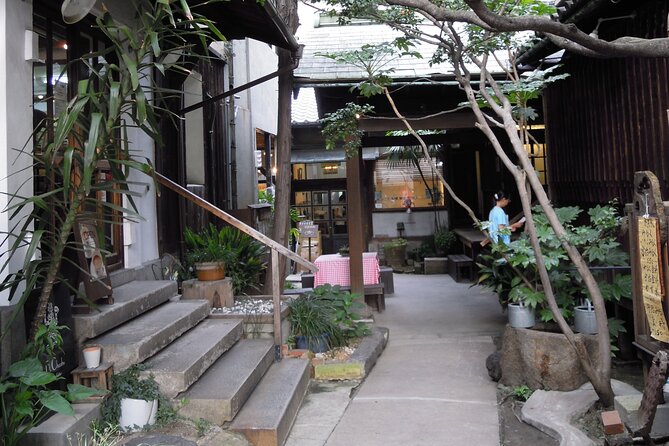
The Karahori area is known for its old machiya houses, some more than 100 years old. Many have been repaired and converted into cafés, shops, or small commercial spaces. Others still look like homes. That mixture is part of the appeal. You get a sense of how Osaka has changed without losing every trace of its past.
Chieko is the guide who leads the walk, and the experience depends heavily on her local ties and conversation. She greets people in the neighborhood and takes care not to disturb residents, an important point when a route passes through quiet lanes. If you ask questions about Japanese culture, everyday routines, or the area’s past, this is the kind of tour where those questions can shape the conversation.
The group limit of six matters here. Narrow streets and small shops are not well suited to a large crowd. A small group also gives you a better chance to stop, look, and ask why a particular building or shop matters.
More Dotonbori walks and food stops:
- Osaka Local Foodie Walking Tour in Dotonbori and Shinsekai
★ 5.0 · 985 reviews - Osaka: Dotonbori District River Cruise with Drink Discount
★ 4.2 · 876 reviews - Ultimate Osaka Walking Tour: Castle, Dotonbori & Hidden Gems
★ 5.0 · 862 reviews
Starting near Tanimachi and meeting the neighborhood
The walk begins at 6-chōme-2-24 Tanimachi in Chuo Ward. The location is near public transportation, though the supplied details do not name a particular station, so check your meeting instructions carefully before setting out.
You can choose a morning or afternoon departure. That flexibility helps if you are fitting the walk around Osaka Castle, shopping, or another planned visit. Since the activity ends back at the meeting point, you do not need to work out a separate return destination.
The first part of the walk introduces you to the character of the district. Instead of rushing straight to a major attraction, you begin with local streets and the small details that make the area feel lived in. Keep your eyes open for old house fronts, narrow alleys, small gardens, and the contrast between traditional buildings and newer businesses.
The route includes paths beside private homes. Please keep voices low and do not enter restricted areas or disturb residents. This is a neighborhood walk, not a staged historic district.
Inoue Seijosho and the craft of tatami
The first named stop is Inoue Seijosho, a tatami workshop. You spend about 10 minutes here, and the visit is free.
The shop master demonstrates the materials and shows the tatami-making machine. Tatami mats are closely linked with traditional Japanese rooms, but many visitors only encounter the finished product in a hotel or historic building. Seeing the material and machinery gives you a more practical understanding of how these familiar floor mats are made.
This is a short stop, so do not expect a full craft class. Its value is in the direct look at a working local business. It also sets the tone for the rest of the walk: you are seeing Osaka through its trades and shops, not only through monuments.
One hour on Karahori Shopping Street
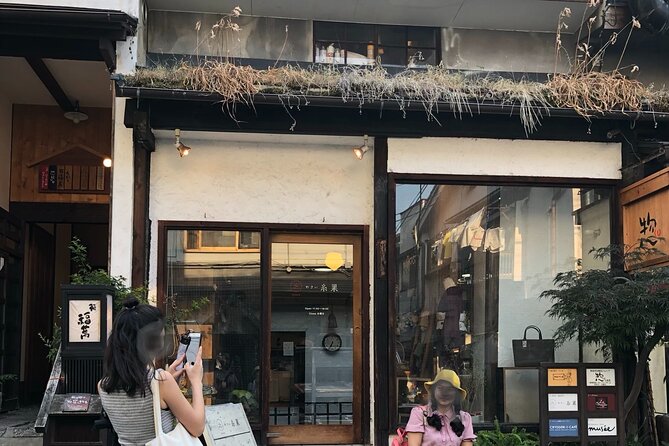
The longest part of the route is Karahori Shopping Street, where you spend about an hour. This is the heart of the experience.
A Japanese shopping street, or shotengai, is designed for ordinary local needs. You might see food shops, small retailers, and businesses that serve people who live nearby. The point is not simply to buy something. It is to see how a neighborhood shops, meets, and carries on.
Chieko adds context about the area’s past and points out old machiya houses. Some are in good condition, some have been adapted for new uses, and others show their age. That variety gives you a more honest view than a perfectly preserved historic street.
The pace should suit people who like to pause and look. You can ask about shop signs, building styles, Japanese customs, or the products on sale. The route has also been adjusted for personal interests in the past, including extra attention to cats for people who enjoy them. That suggests you should tell Chieko what interests you at the beginning.
The drawback is that this is not a fast sightseeing circuit. You may spend time looking at details that have no obvious landmark value. I consider that the strength of the tour, but visitors focused only on Osaka’s headline attractions may find the pace too slow.
More walking tours in Osaka:
- Osaka: Deep Backstreets Walking Tour with Dinner Option
★ 4.9 · 902 reviews - Osaka: Main Sights and Hidden Spots Guided Walking Tour
★ 4.9 · 702 reviews - Private Osaka Walking Tour: Highlights & Hidden Gems
★ 5.0 · 569 reviews - Osaka Castle Walking Tour and Castle Tower Admission
★ 5.0 · 561 reviews
Small cafés and useful souvenirs
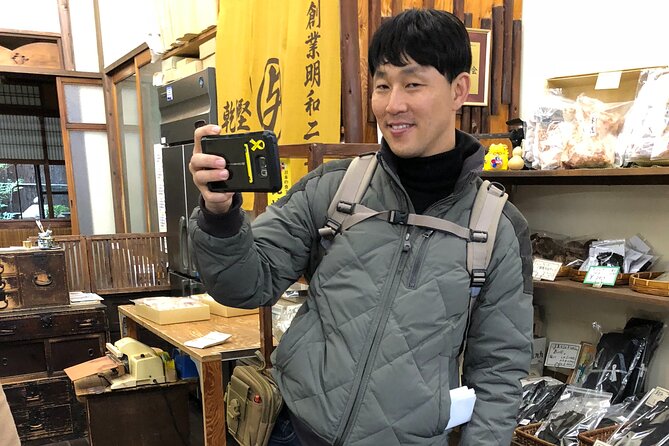
The walk includes several short stops where you can browse rather than sit down for a full meal.
クーデリーカフェ is a café in a renovated old house. You spend about 15 minutes here, and the stop may include a chance to look at items that are not commonly sold at airport souvenir shops. The old-house setting matters as much as the shopping. It shows how traditional spaces can be given a new purpose without being erased.
A later hidden café sits in an alley beside a surviving Osaka Castle moat wall. The wall dates from the 15th century, making it one of the more striking historical details on the route. The café itself is not presented as a formal meal stop, so plan to buy any coffee, tea, or food separately if you want it.
Len, the Karahori Residence Refurbished Commercial Complex, takes about 10 minutes. It is another traditional house converted into a group of shops. This is a good place to look for unusual souvenirs and to see how old residential architecture is being used by new businesses.
You should not assume every shop will be open or that you will have time to make a large purchase. The route is built around brief visits, and your guide’s explanations are a central part of each stop. Still, the walk is useful if you want gifts with a stronger connection to Osaka than standard chain-store merchandise.
Bonito, chocolate, and the flavor of local business
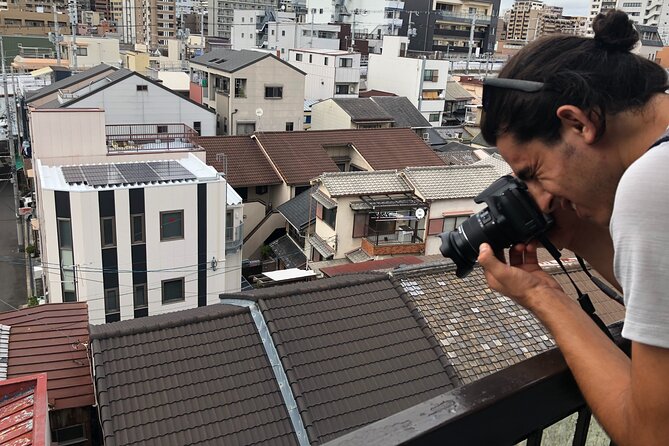
Maruyo-shoten is a bonito shop with roots going back to 1765. The stop lasts about five minutes and introduces you to what the guide describes as authentic bonito.
Bonito is important in Japanese cooking, especially in the dried and shaved form used to make dashi. Five minutes is not enough for a full food lesson, but it gives you a reason to notice an ingredient that often works quietly in the background of Japanese meals.
Next comes chocolatier Ek Chuah at its Karahori Kura Main Shop, another five-minute stop. The contrast is pleasing: an old neighborhood route includes a modern specialty chocolate business. You can see how Karahori supports both long-running food trades and newer small brands.
Food is not included. The price covers the guided walk and bottled water, but you pay separately for anything you choose to eat or drink. That is worth remembering because the route passes cafés and food shops that may tempt you.
The old moat wall and the shape of Osaka’s past
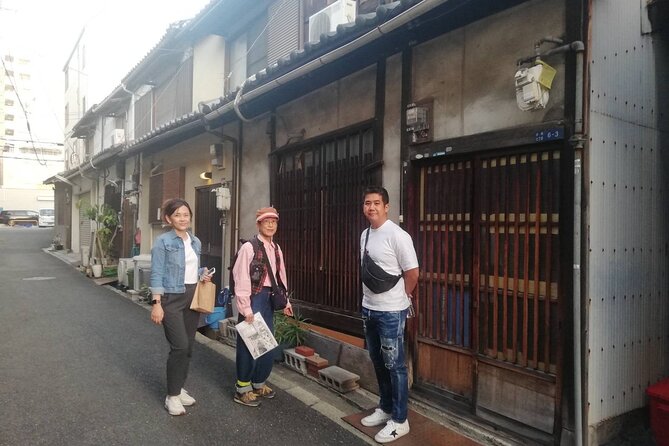
The final section brings together the old lanes, renovated houses, and traces of military history. Near the hidden café, you can see an original Osaka Castle moat wall that has remained since the 15th century.
This detail helps explain why the streets rise and fall in places. One guide on the route has pointed out how the terrain can reveal where the old moat once ran and where sections of the wall remain. You are not getting a formal castle tour, but you are learning to read the neighborhood itself.
That is one of the strongest reasons to take the walk with a local guide. On your own, you might pass an old wall or a change in street level without knowing its importance. Chieko connects those physical details to the area’s story, then shows how modern shops now occupy some of the older buildings.
The route ends back at the meeting point. Since the activity lasts about two hours, you can plan another Osaka activity afterward, but leave a little breathing room if you want to browse or stop for purchases along the way.
What the $36.13 price delivers
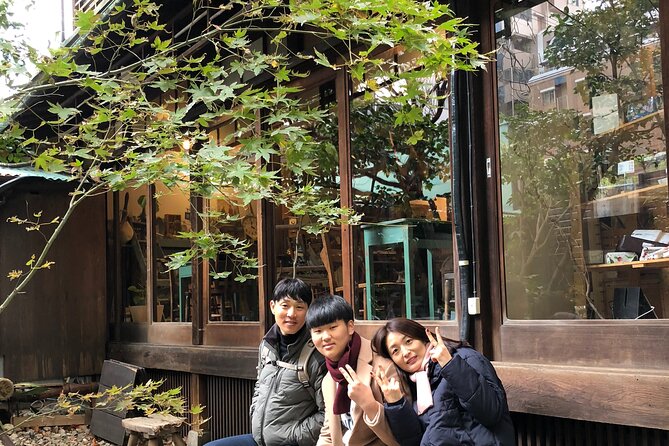
At $36.13 per person, this is not a bargain-priced stroll, but the value is reasonable if you want context and personal guidance. You are paying for a small group, local knowledge, navigation through confusing side streets, and access to businesses you might not find alone.
The price does not include lunch, coffee, tea, or purchases. That keeps the base cost clear, but you should bring money if you want to sample food or buy souvenirs. Bottled water is included.
A self-guided walk would cost less, of course. The tradeoff is that you would need to find the streets, identify the old houses, understand the moat wall, and work out which small shops are worth entering. If you enjoy doing that research yourself, the tour may be unnecessary. If you want to spend two hours asking questions and letting someone else handle the route, the price makes more sense.
The tour is often reserved well ahead of time, with an average booking lead time of about 24 days. That does not guarantee every date will sell out, but it is a good reason to reserve early if your Osaka schedule is fixed.
Who should take this walk?
I would choose this experience if you have already seen Osaka’s major entertainment areas or if you want to begin your visit with a calmer introduction to local life. It suits people who enjoy old buildings, food traditions, crafts, independent shops, and conversations about culture.
It is also a good fit for repeat visitors. The route offers the kind of small details that are easy to miss on a first independent walk, especially the old moat traces, machiya houses, and businesses tucked into renovated buildings.
Families and older visitors should think about the walking conditions. Most people can participate, and service animals are allowed, but the route includes narrow streets and some uphill and downhill sections. Comfortable shoes are important.
You should also be comfortable with a neighborhood setting. Residents still live along some of the quieter paths. Follow Chieko’s lead, keep noise down, and treat private homes as homes rather than photo props.
The experience requires good weather. If poor weather cancels the activity, you are offered another date or a full refund. You can cancel for a full refund up to 24 hours before the start time. Arriving more than 15 minutes late means you cannot join, since the guide needs to respect the rest of the group’s time.
Should you book the Karahori walk?
Book it if you want old Osaka without the usual crowds, especially if tatami, traditional houses, food shops, and neighborhood history interest you. Chieko’s warm local approach is a major part of the experience, and the six-person limit keeps the walk conversational.
Skip it if you want a major monument tour, a food tasting with included samples, or a relaxed route with very little walking. The best reason to book is simple: in two hours, you learn how to notice Osaka’s quieter clues, from a tatami machine to a 15th-century wall.
FAQ
How long does the Nostalgic Osaka walk last?
The walk lasts approximately two hours.
Is the tour offered in the morning and afternoon?
Yes. You can choose a morning or afternoon departure.
Where does the tour start?
The meeting point is 6-chōme-2-24 Tanimachi, Chuo Ward, Osaka, 542-0012, Japan.
Where does the tour end?
The activity ends back at the meeting point.
How large is the group?
The tour has a maximum of six travelers.
Is food included?
No. Meals, coffee, and tea are not included. You pay separately for anything you choose to buy at local shops or cafés. Bottled water is included.
Is the route suitable for most people?
Most people can participate, and service animals are allowed. The walk includes some uphill and downhill sections, so you should be prepared for roughly two hours on foot.
What happens if I need to cancel?
You can receive a full refund if you cancel at least 24 hours before the start time. Cancellations or changes made less than 24 hours in advance are not accepted for a refund.
Just added in Osaka
- Urban Canvas: Osaka Street Art Bike Tour★ 5.0 · 10 reviews
- Anime Cosplay Photshoot-50 Digital Photos Provided★ 5.0 · 8 reviews
- TeamLab Botanical Garden Osaka Ticket★ 3.5 · 6 reviews
- Umeda Sky Building & Kuchu Teien Observatory Ticket in Osaka★ 4.5 · 3 reviews
- Immerse in Judo Martial Arts Class from Japan★ 5.0 · 4 reviews
- Cherry Blossom Buddha and Mt.Yoshino with Strawberry Picking Tour★ 4.5 · 5 reviews
- Traditional Home cooking Experience in Osaka, Japan★ 5.0 · 14 reviews
- Traditional Calligraphy Experience near Dotonbori★ 5.0 · 3 reviews
Dotonbori Tours, compared.
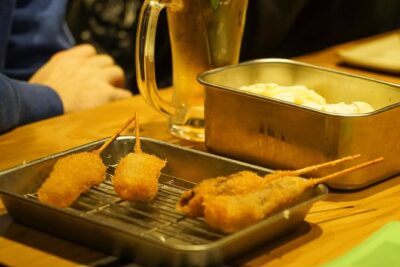
Osaka Local Foodie Walking Tour in Dotonbori and Shinsekai
Read our review →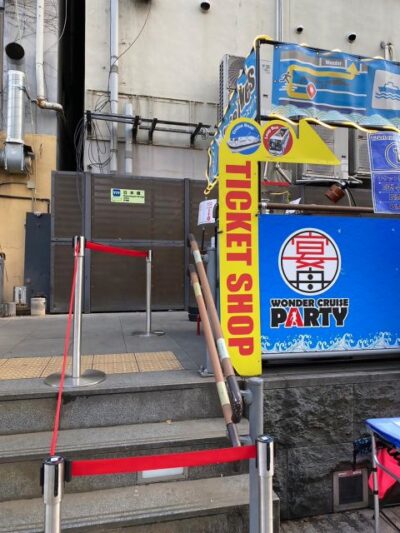
Dotonbori District River Cruise with Drink Discount
Read our review →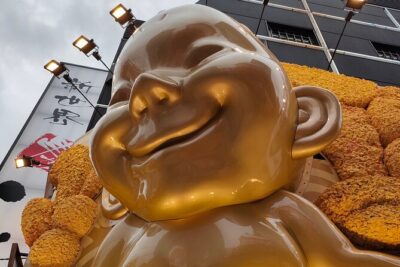
Ultimate Osaka Walking Tour: Castle, Dotonbori & Hidden Gems
Read our review →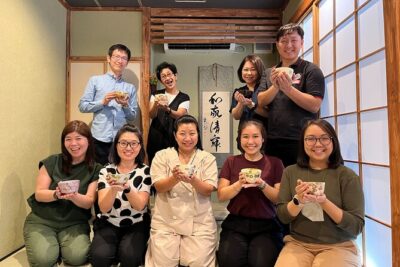

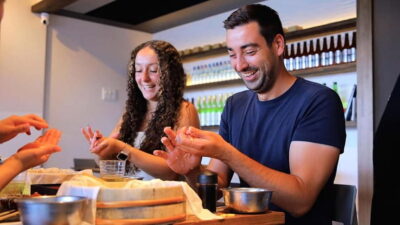
Roll and Authentic Sushi Making Class in Dotonbori
Read our review →
Osaka Local Bar Crawl in Dotombori & Uranamba Area
Read our review →
Browse the lists this tour appears in