
Reviewed · KYOTO DAY TRIPS FROM OSAKA
From Kyoto/Osaka: Kyoto Top Highlights 1-Day Guided Bus Tour
Kyoto packs an extraordinary amount into a small area, but its famous sights are spread across the city. This nine-hour coach tour links Fushimi Inari, Kiyomizu-dera, Kinkaku-ji, and Arashiyama in one day, saving you the trouble of piecing together several train and bus routes.
I like the comfortable air-conditioned bus with Wi-Fi, especially in Kyoto’s hot summers, and I like that admission to Kiyomizu-dera and Kinkaku-ji is included. Guides such as Maki, Maria, Jewel, Yuki, and Toshi have earned praise for clear instructions, cultural background, and help with photos.
The tradeoff is simple: four major sights require a brisk schedule. You will see the essential areas, but this is not the tour for lingering at every temple or wandering far into the bamboo forest.
Four Kyoto icons in one carefully timed day
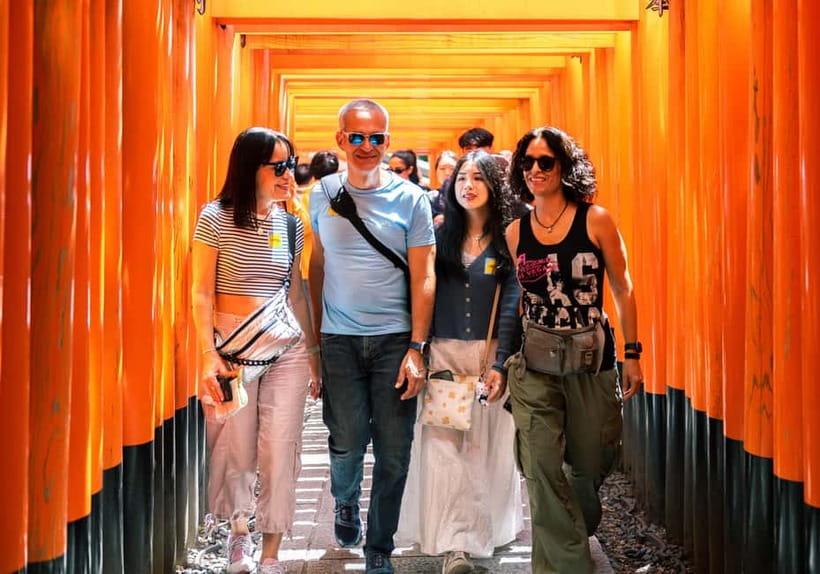
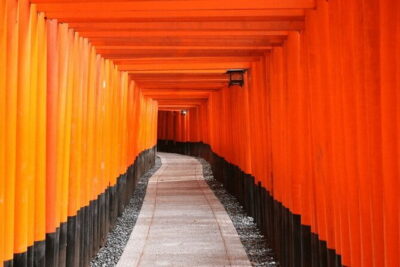
- Walk beneath thousands of vermilion torii gates at Fushimi Inari, Kyoto’s most memorable shrine experience.
- Look over the city from Kiyomizu-dera’s wooden stage, then see Otowa Waterfall and its three streams.
- Admire Kinkaku-ji, the Golden Pavilion, with its gold-covered exterior and formal gardens.
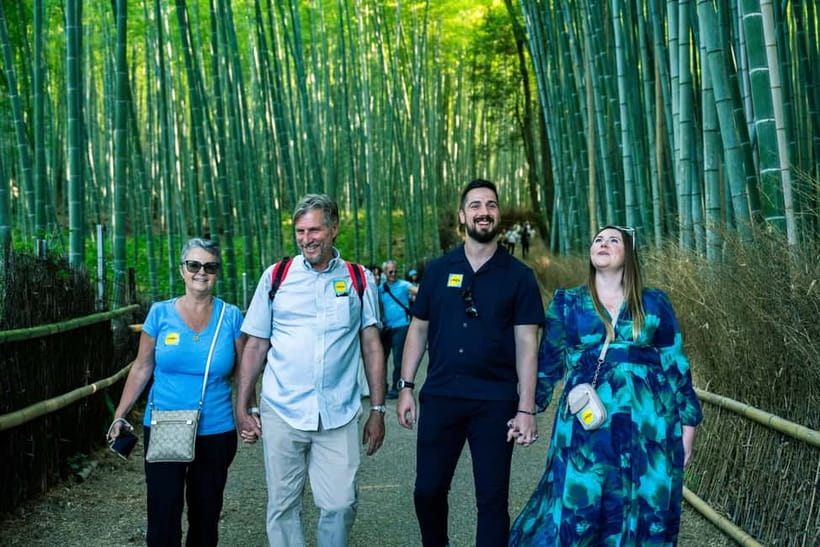
- Stroll through Arashiyama’s Sagano Bamboo Forest, then use free time for the river, snacks, and shops.
- Ride between distant sights in an air-conditioned coach, with free Wi-Fi and charging access reported on some buses.
- Choose lunch or no lunch, a useful option if you prefer more free time or need to manage dietary restrictions.
Why this tour works for a first Kyoto visit
At $51 per person, this is a strong value if your goal is to cover Kyoto’s headline sights in a single day. The price includes the English-speaking guide, coach transportation, Kinkaku-ji admission, and Kiyomizu-dera admission. A traditional Japanese set lunch is included only if you choose that option.
The real value is time. Kyoto’s key sights sit in different parts of the city, and a first-time visitor can lose hours changing trains, finding local buses, and walking from stops. Here, you board once, get instructions from a guide, and use the ride to rest between visits.
I would choose this tour if you are staying in Osaka, have only one free day for Kyoto, or want an organized introduction before exploring the city on your own. It also suits solo visitors. Guides have been praised for taking photos and helping people stay oriented.
The day is not leisurely. You will walk on temple paths, stairs, pavement, and crowded approach streets. Summer can be hot and humid, while spring and autumn bring large crowds. Wear shoes you can walk in for hours, carry water, and keep your camera or phone charged.
More Kyoto day trips from Osaka:
- Osaka/Kyoto: Hiroshima Miyajima Bus Tour & Shinkansen Ticket
★ 4.7 · 919 reviews - Ancient Capital Tour: Kyoto and Nara Highlights from Kyoto/Osaka
★ 4.5 · 332 reviews - Osaka/Kyoto: Amanohashidate & Miyama Tour with Boat & Lunch
★ 4.6 · 207 reviews
Fushimi Inari and its famous torii gates
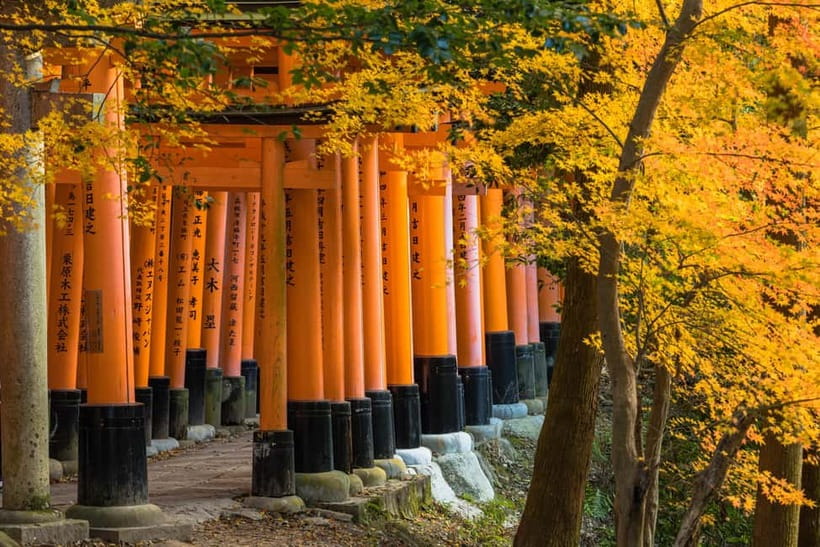
Fushimi Inari Taisha is usually the first major stop in the schedule, though the order changes from April 1 onward. The shrine is dedicated to Fushimi-Inari, the guardian deity associated with agriculture and prosperity.
The approach begins among shrine buildings, then leads into the famous tunnel of orange-red torii gates. The gates continue uphill, creating one of Kyoto’s most recognizable views. You do not need to walk the entire mountain route during this tour. The allotted time is about 80 minutes, enough to experience the main gate path and take photos without turning the stop into a demanding hike.
This is one place where timing matters. Fushimi Inari is popular, and narrow paths can become crowded. Stay close to the meeting instructions and do not wander farther uphill than your return time allows. Some people would prefer more time here, but spending the entire morning at one shrine would mean losing another of Kyoto’s major sights.
Bring water, especially in warm weather. The torii path is shaded in sections, but the walk still includes an uphill stretch. Fushimi Inari is a shrine rather than a temple, so your guide can help explain the difference between these two parts of Japanese religious life.
Kiyomizu-dera and Kyoto’s hillside view
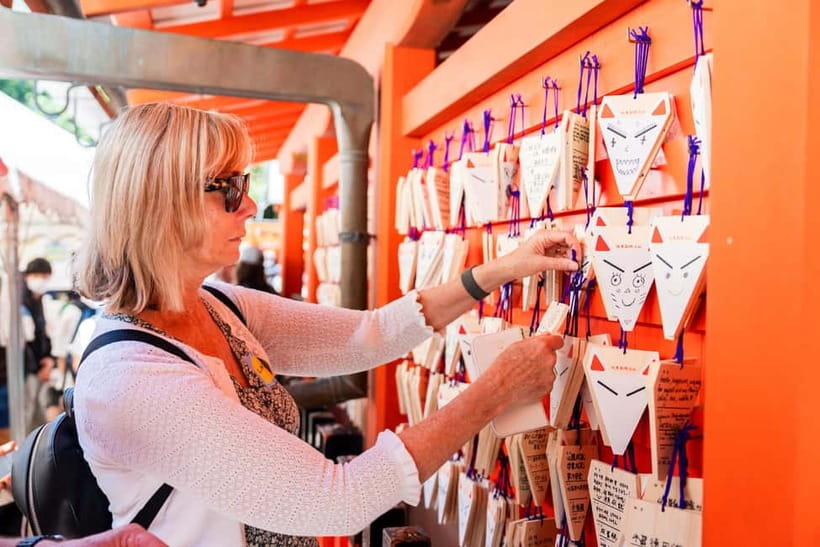
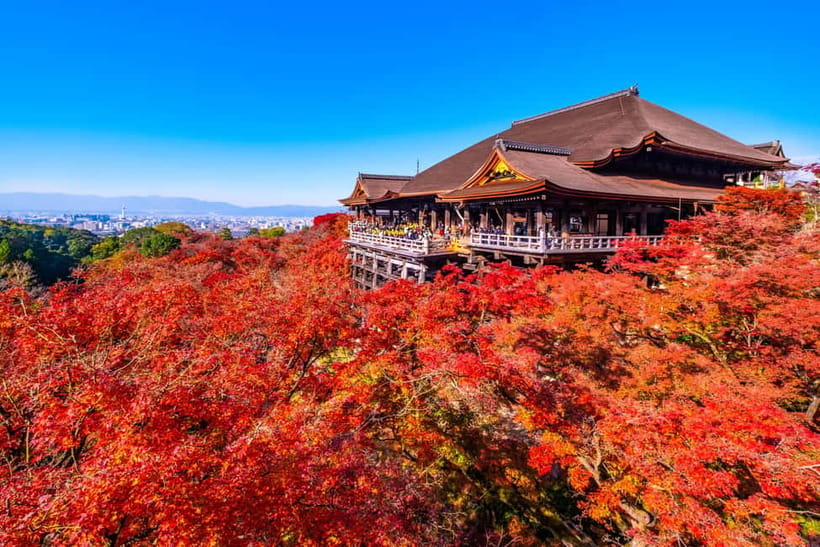
Kiyomizu-dera is the most dramatic architectural stop. Its wooden stage projects from the hillside and looks across Kyoto, with wooded slopes around the temple. The structure is supported by 139 pillars and was built without a single nail, a detail worth hearing before you step onto the viewing area.
The old saying about jumping off the stage at Kiyomizu refers to taking a serious risk. You will not be asked to reenact it, thankfully. The useful experience is the view, the temple buildings, and the chance to see one of Kyoto’s best-known examples of traditional construction.
The visit is generally around 100 minutes in the original schedule. That gives you time to enter the temple, see the stage, visit Otowa Waterfall, and walk through some of the approach streets. The waterfall has three streams, traditionally linked with success, love, and longevity. Choose carefully if the lines are long, since the tour clock keeps moving.
The approach to Kiyomizu-dera can be crowded and includes slopes. Shops and food stalls line parts of the route, but do not let browsing make you late. The temple is especially attractive during cherry blossom season and autumn foliage, though those periods also bring heavier crowds.
The published schedule changes from April 1, placing Arashiyama before Kinkaku-ji and Kiyomizu-dera. If lunch is included, it is listed with the Arashiyama portion in that revised order. Check your confirmation for the exact sequence on your date.
Kinkaku-ji, the Golden Pavilion
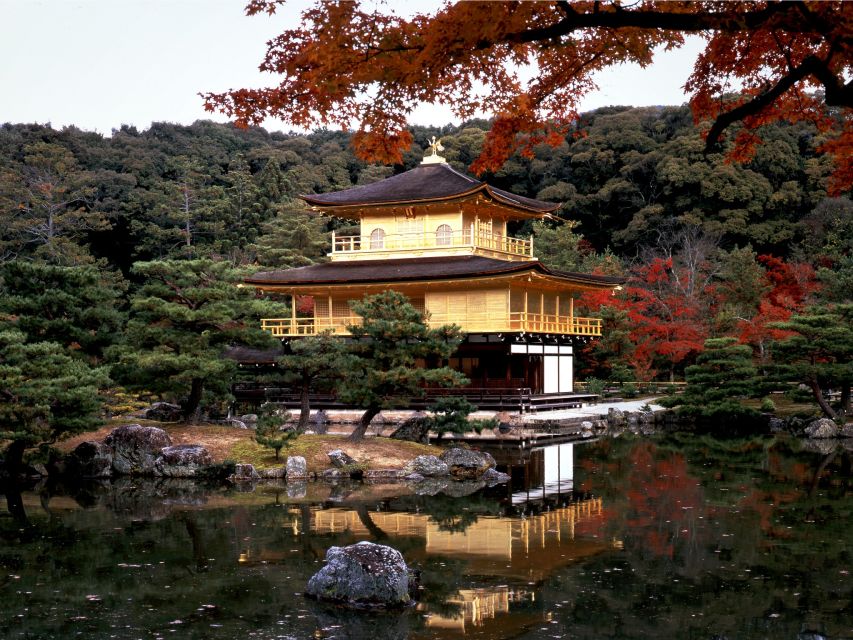
Kinkaku-ji is the short, highly visual stop. The pavilion’s gold-leaf exterior reflects in the surrounding pond, and the formal gardens preserve design traditions associated with the Ashikaga shogunate.
You usually have about 45 minutes here. That is enough to follow the set walking route, photograph the pavilion from the main viewpoints, and pass through the garden area. It is not enough for a slow garden study, but most people come first for the pavilion itself.
The short visit is also a practical response to the crowds. Kinkaku-ji has a defined visitor path, and the group must meet the coach at a set time. Take your photographs early, then continue through the gardens instead of stopping at the first viewpoint.
Admission is included, which makes the $51 price easier to justify. You also avoid the small but annoying task of buying separate tickets while trying to stay with a large group.
More bus tours in Osaka:
- Hiroshima & Miyajima 1 Day Bus Tour with Bullet Train Tickets
★ 4.5 · 105 reviews - Play with Snow Crab Buffet Lunch and Strawberry Picking Bus Tour
★ 5.0 · 88 reviews - Himeji Castle, Arima Onsen & Mt. Rokko: 1-Day Bus Tour from Osaka
★ 4.0 · 28 reviews - Nara, Todaiji Temple & Kuroshio Market Day BUS Tour from Osaka
★ 3.5 · 18 reviews
Arashiyama and the Sagano Bamboo Forest
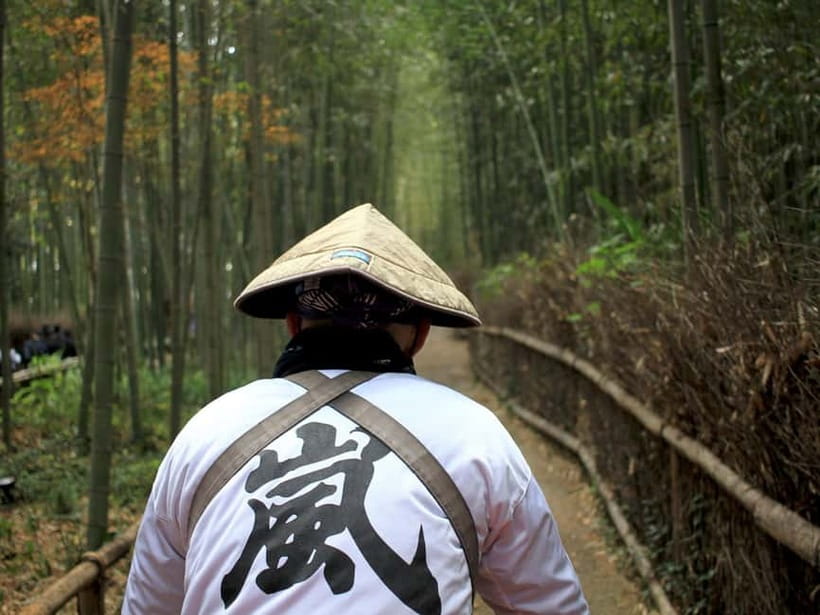
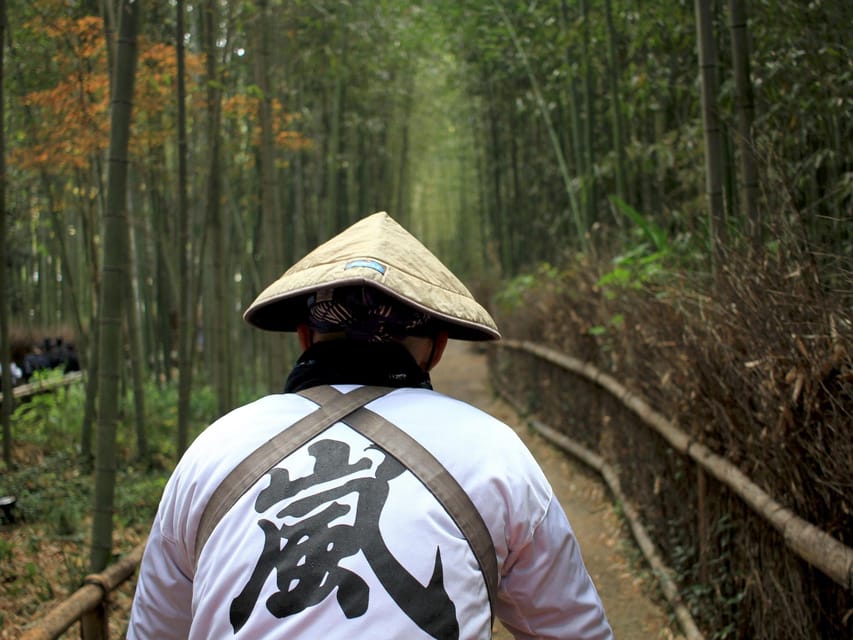
Arashiyama gives the day a change of mood. After shrines and temple architecture, you get riverside scenery, shopping streets, and the tall bamboo of the Sagano Bamboo Forest.
The bamboo walk is usually about 80 minutes of sightseeing and free time. The path is not as solitary as photographs suggest. You might find it crowded, and one summer visit included a warning about mosquitoes, so insect repellent can be sensible in warm weather.
Walk at an easy pace, listen for the bamboo leaves moving overhead, and leave time to find the meeting point. You may also stroll near the Katsura River, pick up a snack, or browse souvenirs. If your tour runs late into the afternoon, this can be the most relaxed part of the day.
The revised schedule from April 1 places Arashiyama directly after Fushimi Inari. A lunch option is available on that version of the route. The traditional meal has been well received, and one restaurant setting was described as quiet with a good view. Still, halal and vegan meals are not available. If you need either, choose the no-lunch option and bring your own food.
Vegetarian requests must be made directly to the operator at least three days before departure. If you simply want more time to explore, the no-lunch choice may suit you better, since a set meal fixes part of the schedule.
The coach makes Kyoto’s distances manageable

The tour begins from one of three departure points: Kyoto Station Hachijo Exit Tourist Bus Parking, Hearton Hotel Nishiumeda, or Osaka City Air Terminal, also known as OCAT. Your meeting point depends on the option you book, so read the location carefully rather than assuming it is inside Kyoto Station.
The outbound coach ride can take about an hour, and the return leg is listed at about 100 minutes. Traffic affects both, particularly when returning to Osaka. The ride is not wasted time, though. It gives your feet a break and lets the guide explain what you are about to see.
The coach is air-conditioned and has free Wi-Fi. Some passengers also found charging outlets useful for phones and cameras. Legroom may feel tight for taller people, so do not expect a luxury coach. It is comfortable enough for the purpose, and the air conditioning matters greatly in July and August.
There is no hotel pickup or drop-off. You must reach the stated meeting point and return there, or use the designated drop-off location at the end. The tour does not allow oversize luggage, smoking, or pets in the vehicle. Infants aged 0 to 2 ride free but do not receive a seat or meal and must sit on an adult’s lap. Only foldable strollers are accepted, and they go under the bus.
What the guides add to the day
The guide is important because the schedule moves quickly. A good guide does more than point toward a temple. The strongest guides on this route, including Maki, Maria, Jewel, Yuki, Masa, Toshi, Haru, and Eiko, have been praised for explaining history, giving clear meeting instructions, helping with photographs, and keeping the group on time.
The tour is conducted in English, and the guide can also speak Japanese. English ability may vary by guide, but the overall experience depends heavily on how clearly instructions are delivered. Names, times, and meeting points matter more than a long lecture when you have four stops in one day.
One useful feature is the practical help. Guides have assisted with photos, answered questions, and helped recover a phone left on the bus. That does not excuse carelessness, but it shows why staying near the guide and remembering the bus number matters.
The group can be large. One visit involved 47 people, so expect a shared coach experience rather than a private tour. The benefit is the lower price and organized transport. The cost is less freedom to change the pace.
Lunch, walking, and what to pack
The optional Japanese set lunch is convenient and removes the need to search for food during a busy day. Several people found it enjoyable and traditional, and one meal included a quiet restaurant setting. If you want to maximize free time, the no-lunch option lets you choose your own snack or meal.
Do not choose the included lunch without checking dietary needs. Halal and vegan meals are not available. Vegetarian requests require advance contact at least three days before the tour.
Pack:
- Comfortable walking shoes
- Water and snacks
- A camera or fully charged phone
- Comfortable clothing
- A hat and small towel in hot weather
- Insect repellent for the bamboo forest if visiting in warm months
Wheelchair users cannot join this activity. The route includes walking, uneven surfaces, stairs, slopes, and crowded temple approaches, making it better for people who can move independently for much of the day.
Who should book this Kyoto day tour

I would book it if I had one day in Kyoto and wanted the famous sights without managing the transport myself. It is also a good fit from Osaka, where independent day trips can become tiring once you add station transfers and local buses.
It suits first-time visitors, solo visitors, families with older children, and anyone who values clear structure. It is less suitable for very young children, people who need long rest periods, or anyone who wants quiet temple time. Summer heat and the amount of walking deserve special attention for families.
The $51 price is especially fair when you select the included admissions and use the coach for all the long transfers. The lunch option adds convenience, but not everyone needs it. I would compare the meal price with your dietary needs and decide based on flexibility, not simply convenience.
Should you book it?
Book this tour if your priority is seeing Kyoto’s four headline sights in one day, with a guide, entrance tickets, and transport handled for you. The schedule is busy, but it is honest about what it offers: a fast, efficient introduction rather than a slow cultural retreat.
Skip it if you have several days in Kyoto and prefer to explore each temple at your own pace. For everyone else, especially visitors coming from Osaka, this is a practical way to cover a lot of ground without spending the day lost between stations.
FAQ
How long does the Kyoto highlights tour last?
The activity lasts about nine hours, or 570 minutes. The day includes coach travel, four sightseeing stops, and the return journey.
Where does the tour depart from?
Departure options include Kyoto Station Hachijo Exit Tourist Bus Parking, Hearton Hotel Nishiumeda, and Osaka City Air Terminal, also known as OCAT. The exact meeting point depends on the option booked.
Are temple entrance fees included?
Admission to Kinkaku-ji and Kiyomizu-dera is included. Fushimi Inari and the Sagano Bamboo Forest are visited as part of the sightseeing route.
Is lunch included?
Lunch is included only when you select the lunch option. Halal and vegan meals are not available. Vegetarian requests must be sent to the activity provider at least three days before the tour.
Is the tour suitable for wheelchair users?
No. The activity is not suitable for wheelchair users and includes considerable walking, slopes, stairs, and uneven surfaces.
Can infants and strollers join the tour?
Infants aged 0 to 2 can join free, but they do not receive a seat or meal and must sit on an adult’s lap. Only foldable strollers are allowed, and they are stored under the bus.
More 1-Day Tours in Osaka
- Kyoto and Nara Day Trip from Osaka
★ 4.0 · 175 reviews - From Osaka: Hiroshima and Miyajima Day Trip by Bullet Train
★ 4.6 · 83 reviews - Amanohashidate & Ine Funaya Sightseeing Full Day Trip from Kyoto
★ 4.5 · 62 reviews - Kyoto 1 Day Tour from Osaka
★ 4.0 · 54 reviews
Just added in Osaka
- Urban Canvas: Osaka Street Art Bike Tour★ 5.0 · 10 reviews
- Anime Cosplay Photshoot-50 Digital Photos Provided★ 5.0 · 8 reviews
- TeamLab Botanical Garden Osaka Ticket★ 3.5 · 6 reviews
- Umeda Sky Building & Kuchu Teien Observatory Ticket in Osaka★ 4.5 · 3 reviews
- Immerse in Judo Martial Arts Class from Japan★ 5.0 · 4 reviews
- Cherry Blossom Buddha and Mt.Yoshino with Strawberry Picking Tour★ 4.5 · 5 reviews
- Traditional Home cooking Experience in Osaka, Japan★ 5.0 · 14 reviews
- Traditional Calligraphy Experience near Dotonbori★ 5.0 · 3 reviews
Kyoto Day Trips from Osaka, compared.
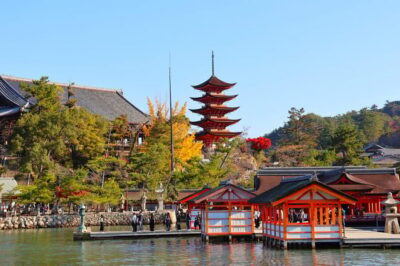
Hiroshima Miyajima Bus Tour & Shinkansen Ticket
Read our review →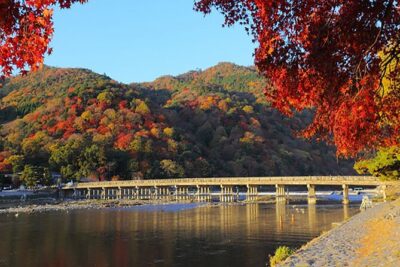
Ancient Capital Tour: Kyoto and Nara Highlights from Kyoto/Osaka
Read our review →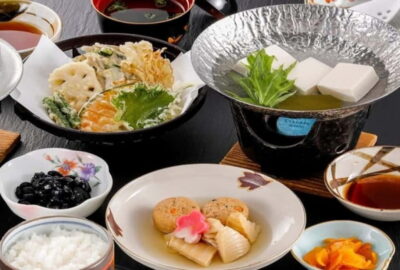
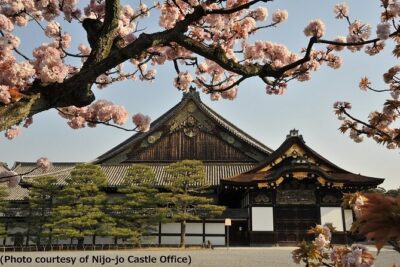
Full Day Tour of Kyoto with Private Transportation
Read our review →
Kyoto & Nara Private customized tour with English speaking Guide
Read our review →
Browse the lists this tour appears in