
Reviewed · HISTORICAL TOURS
Private Day Tour of Historic Osaka
Osaka’s past comes into focus on this private, full-day route through four very different places. You begin at Sumiyoshi-taisha, visit one of Japan’s oldest Buddhist temples, study the story of Osaka Castle, and finish among the nostalgic signs of Shinsekai. It is a smart way to connect the city’s religious, military, and popular history in one day.
I like the one-group format, since your guide can adjust explanations and pace to your interests. I also like the range of the stops: quiet shrine grounds, temple architecture, samurai-era politics, and a retro entertainment district. The main consideration is cost. At $220.96 per person, you will also need to budget for lunch, local transport, and admission fees, despite some conflicting wording in the inclusions.
Key points to know
- Four distinct sides of Osaka: Move from Sumiyoshi-taisha and Shitennoji to Osaka Castle and Shinsekai.
- Private attention: Only your group takes part, so questions and pacing are more flexible than on a large group outing.
- A guide with language range: Mouloud has been specifically praised for speaking English, French, and Japanese.
- A walking and transit day: You will use public transportation and spend much of the day on your feet.
- Separate expenses matter: Lunch is listed at about 2,500 yen, transport at about 2,000 yen per person, and attraction admission is not included.
- A useful first-day orientation: The route links major sights without leaving you to work out Osaka’s transit connections alone.
Four eras of Osaka in one private day
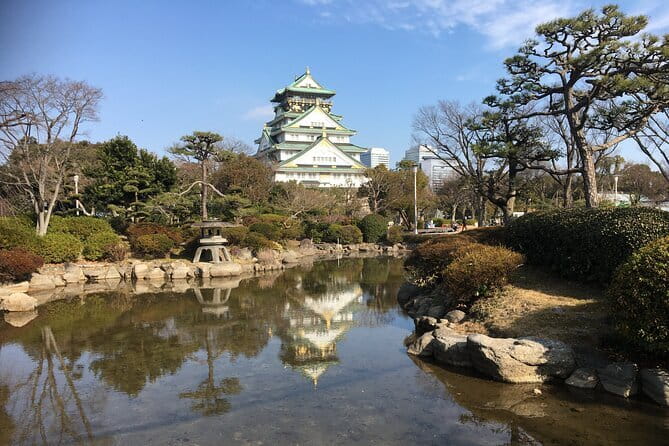
This tour works because the stops are not variations on the same theme. Each one gives you a different piece of Osaka.
At Sumiyoshi-taisha, you begin with ancient Shinto practice and traditional architecture. Shitennoji brings the arrival of Buddhism into the story. Osaka Castle shifts the focus to warlords and samurai power. Shinsekai then drops you into a much more recent Osaka, shaped by entertainment, food, and the nostalgic look of the 1970s.
That variety gives the day a clear rhythm. You are not spending eight hours inside museums or moving from one crowded shopping street to another. You get open shrine and temple grounds, a major city landmark, and a neighborhood with a distinct old-fashioned character.
The tour begins at 9:00 a.m. at Tennojiekimae Station, making an early start important. The advertised duration is about eight hours, ending at Magic Cafe & Bar Shinsekai. Since the route uses public transportation, allow room in your day for transfers and walking rather than treating the schedule as a minute-by-minute plan.
More history tours in Osaka:
- Osaka: Castle History Walking Tour / Castle Tower Admission
★ 4.9 · 230 reviews - Osaka: Osaka Castle & Historical Museum Guided Tour
★ 4.8 · 28 reviews - Osaka Castle & Samurai History Walking Tour
★ 5.0 · 22 reviews
Sumiyoshi-taisha: an ancient start in southern Osaka
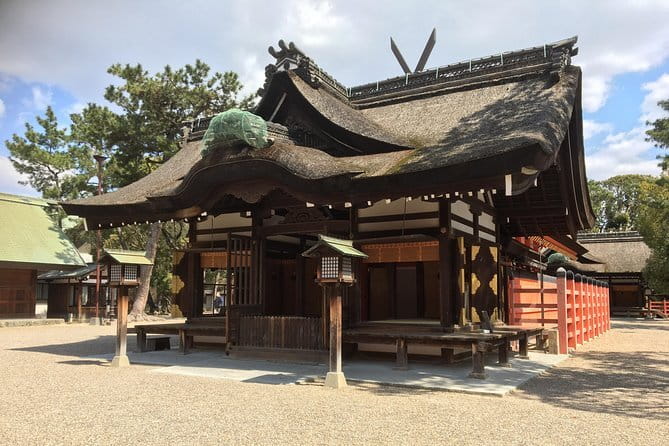
The first stop is Sumiyoshi-taisha, a Shinto shrine traditionally dated to 211. Its 1,800-year history gives the day a powerful opening. Before Osaka became a huge urban center, this was already a place of worship.
I like starting here because a shrine explains a different part of Japanese culture than a castle or temple does. You can look closely at the traditional architecture and get a feel for the calm, ceremonial side of Osaka before the day becomes more urban and crowded.
The planned visit is about two hours, the longest stop on the route. That suggests enough time for more than a quick photograph. You should have time to walk through the grounds, take in the buildings, and ask your guide how Shinto traditions differ from the Buddhist practices you will see later.
The shrine’s age is its main draw, but it is also the first place where your guide’s storytelling matters. Dates alone can blur together. A private guide can connect the shrine to Osaka’s early development and explain why it remains important.
Admission is not included in the stated stop information, so confirm the current fee before you go. The supplied tour details also contain a confusing line saying guide fees include transportation, lunch, and entrance fees, while the exclusions list lunch, transport, and admission as separate costs. I would plan to pay these expenses yourself unless the operator confirms otherwise.
Shitennoji: where Buddhism enters the story
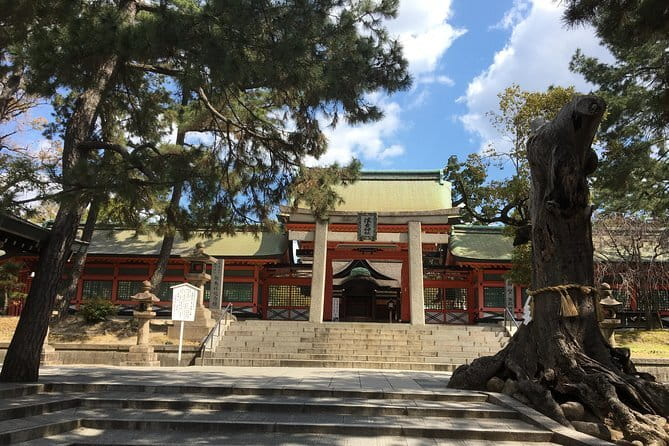
The second stop is Shitennoji, dated to 593. It is presented as one of Japan’s oldest temples and a symbol of Buddhism’s arrival in the country.
After the Shinto setting at Sumiyoshi-taisha, this stop creates a useful comparison. You can ask about the difference between shrine and temple customs, then look at Shitennoji’s architecture with that distinction in mind. Even if you are not a specialist in Japanese religion, the sequence makes the subject easier to follow.
The scheduled visit lasts about one hour. That is enough for an introduction, but it is not a long, slow temple study. If you care most about religious architecture, ask your guide in advance how much time will be spent inside particular areas and what admission covers.
Shitennoji is also a reminder that Osaka’s story is not only about commerce and food. The city has long been tied to religious travel, political change, and cultural exchange. I find that context useful before moving on to the more famous castle.
Again, admission is listed as not included. Keep some yen available and expect the exact cost to depend on the areas open that day.
Osaka Castle: samurai stories with a modern rebuild
Osaka Castle receives about two hours, matching the time at Sumiyoshi-taisha. Built at the end of the 16th century, it is one of Osaka’s main symbols and the clearest stop for understanding samurai-era power.
The castle’s story is not a simple one. It was built in the late 1500s, passed through major events, and was rebuilt in 1931. That means the structure you see today carries both historical associations and modern reconstruction. A good guide should help you separate the original castle’s political importance from the present building.
I like this stop for readers who want historical context without spending the whole day in a museum. Osaka Castle gives you a natural setting for learning about the warlords and conflicts that shaped the city. It also provides a strong contrast with the religious sites earlier in the morning.
The two-hour block may include time around the castle as well as any interior visit, but the supplied details do not specify exactly how the time is divided. Admission is not included, so check what you want to enter before deciding how much cash to carry.
This is also the point in the day when comfortable shoes matter most. You will already have walked through two historic compounds, and the tour continues afterward. The physical demand is described as moderate, not extreme, but this is not a seated sightseeing ride.
A few more Osaka half-days worth pricing up
- Private Osaka Walking Tour: Highlights & Hidden Gems
★ 5.0 · 569 reviews - 3/4/5 Hours Private Tour in Osaka with Local Guide
★ 5.0 · 189 reviews - Osaka’s Best and Brightest: Private Full-Day Tour by Vehicle
★ 5.0 · 147 reviews - Full Day Tour of Kyoto with Private Transportation
★ 5.0 · 130 reviews
Shinsekai: a retro finish under Tsutenkaku
The final stop is Shinsekai, with its famous Tsutenkaku tower and a look associated with 1970s Osaka. The scheduled visit is about one hour, and the tour ends at Magic Cafe & Bar Shinsekai.
This is a good final act because the district feels very different from the shrine, temple, and castle. Instead of ancient religious traditions or samurai politics, you see a more recent Osaka shaped by leisure and neighborhood identity. The retro atmosphere gives the day a lighter finish.
I would not expect the same kind of quiet here that you find at Sumiyoshi-taisha. Shinsekai is included for its character, signs, tower, and nostalgic feel. Your guide can help you read the district as part of Osaka’s modern story rather than treating it as a simple photo stop.
The one-hour visit is fairly brief. If Shinsekai is a major priority for you, note that the tour ends here rather than returning to the starting station. That is convenient if you want to continue exploring the district, but it means your independent plans should begin from Shinsekai.
What the private format adds
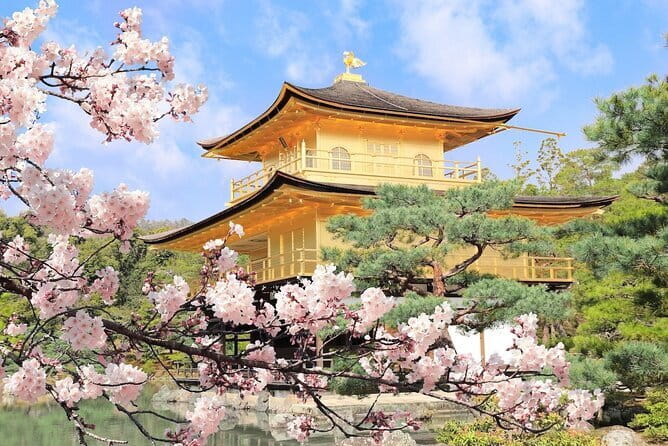
A private tour is most useful when the route has several historical layers. You can ask why Sumiyoshi-taisha is Shinto, how Shitennoji fits into the arrival of Buddhism, or how a rebuilt castle can still serve as a symbol of the city.
The group size is limited to your own party. That does not guarantee a particular pace or guide, but it does mean you are not sharing the day with a large bus group. If one person in your party wants more architecture and another wants more samurai history, you have a better chance of balancing both interests.
One especially useful detail is the language ability associated with guide Mouloud. He speaks French as well as English and Japanese, and a previous rating praised his explanations of Osaka’s history and his Japanese ability. If language is important to you, ask at booking if Mouloud will lead your date, since the information does not promise a specific guide for every departure.
The private format also has limits. It does not remove transit time, walking, or admission charges. You are paying for personal guiding and organization, not an all-inclusive vehicle tour.
The real cost: $220.96, plus day-of expenses
The listed price is $220.96 per person, with group discounts available. For a private eight-hour experience, the value depends heavily on your group size and how much you want historical explanation.
A solo visitor or couple will feel the price more sharply. A larger private group may find the per-person rate easier to justify, especially if everyone wants the same route and appreciates having a guide for the full day. The chance to ask questions throughout four major stops is the main value, not simply transportation between landmarks.
Plan for about 2,500 yen per person for lunch and about 2,000 yen per person for transportation. Admission fees are also listed separately for the stops. Because the inclusion section conflicts with these exclusions, I would not assume that lunch, transit, or entrance tickets are covered.
The tour is booked, on average, 186 days in advance. That is a useful planning signal, especially if your Osaka dates are fixed. I would reserve early and then confirm the exact inclusions, guide assignment, and admission arrangements before the cancellation deadline.
Who will get the most from this route
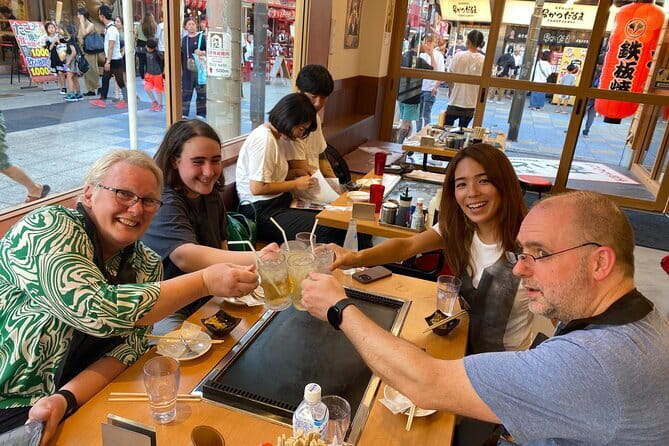
I would recommend this day to a first-time Osaka visitor who wants a broad introduction rather than a specialist tour of one site. The route gives you a clear framework for understanding the city’s religious past, samurai connections, famous landmarks, and modern neighborhood culture.
It also suits families or small groups who prefer a private guide to a fixed large-group schedule. Service animals are allowed, and the meeting point is near public transportation. Still, the moderate fitness requirement matters. You should be comfortable walking between sites and using public transport for much of the day.
History lovers will get the most from the explanations at Sumiyoshi-taisha, Shitennoji, and Osaka Castle. Architecture fans will appreciate the changes in style and purpose. First-time visitors who mainly want shopping, nightlife, or food may find that the day gives too much time to historical sites.
The route is less suitable if you want to linger at every place. The schedule allows two hours at the shrine and castle, but only one hour at Shitennoji and Shinsekai. It is a survey of Osaka’s past, not a slow photography walk.
Practical details before you book
Meet at 9:00 a.m. at Tennojiekimae Station, 1 Chome-5 Abenosuji, Abeno Ward. The tour ends at Magic Cafe & Bar Shinsekai, 3-chome-2-27 Ebisuhigashi, Naniwa Ward, so do not plan to return automatically to the starting point.
Wear shoes suited to a full day on foot. Bring money for the stated lunch and transit estimates, plus admission fees unless the operator clarifies that they are included. A mobile ticket is provided, and confirmation is received at booking.
Free cancellation is available up to 24 hours before the local start time for a full refund. Changes or cancellations made inside that 24-hour window are not accepted for a refund.
The overall rating is 4.8 from four reviews, so the score is encouraging but based on a small sample. The strongest praise focuses on the first-time visitor experience and guide Mouloud’s language skills and historical explanations. I would treat those as promising strengths, while confirming the guide and cost details directly.
Should you book the Private Day Tour of Historic Osaka?
Book it if you want one private day that explains Osaka through four sharply different stops. The route is well suited to a first visit, especially if you value a guide who can connect religious sites, samurai history, and modern neighborhood culture.
Think twice if you prefer independent sightseeing, dislike public transportation, or want an all-inclusive price. The separate lunch, transport, and admission costs need attention, and the tour involves moderate walking.
For a small group that wants structure and historical context, this is a sensible way to get oriented quickly. Reserve early, confirm the inclusions, and ask whether Mouloud is available if his English, French, and Japanese language ability would improve your day.
FAQ
How long is the Private Day Tour of Historic Osaka?
The tour lasts approximately eight hours.
What time and where does the tour start?
It starts at 9:00 a.m. at Tennojiekimae Station, 1 Chome-5 Abenosuji, Abeno Ward, Osaka.
Where does the tour end?
The tour ends at Magic Cafe & Bar Shinsekai, 3-chome-2-27 Ebisuhigashi, Naniwa Ward, Osaka.
Which places are included in the route?
The route visits Sumiyoshi-taisha Shrine, Shitennoji Temple, Osaka Castle, and Shinsekai.
Is this a private tour?
Yes. Only your group takes part in the activity.
Are lunch and transportation included?
The information lists lunch at about 2,500 yen per person and transport at about 2,000 yen per person per day as separate costs. The inclusion wording is inconsistent, so confirm this with the provider before booking.
Can I cancel for a full refund?
Yes. You can cancel at least 24 hours before the local start time for a full refund. Cancellations or changes made less than 24 hours before the start time are not accepted for a refund.
Just added in Osaka
- Urban Canvas: Osaka Street Art Bike Tour★ 5.0 · 10 reviews
- Anime Cosplay Photshoot-50 Digital Photos Provided★ 5.0 · 8 reviews
- TeamLab Botanical Garden Osaka Ticket★ 3.5 · 6 reviews
- Umeda Sky Building & Kuchu Teien Observatory Ticket in Osaka★ 4.5 · 3 reviews
- Immerse in Judo Martial Arts Class from Japan★ 5.0 · 4 reviews
- Cherry Blossom Buddha and Mt.Yoshino with Strawberry Picking Tour★ 4.5 · 5 reviews
- Traditional Home cooking Experience in Osaka, Japan★ 5.0 · 14 reviews
- Traditional Calligraphy Experience near Dotonbori★ 5.0 · 3 reviews
Historical Tours, compared.
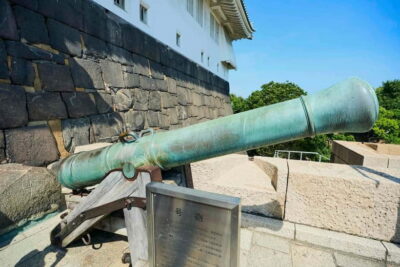
Castle History Walking Tour / Castle Tower Admission
Read our review →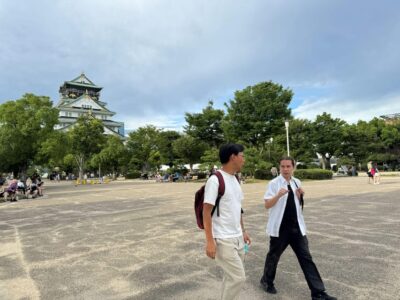
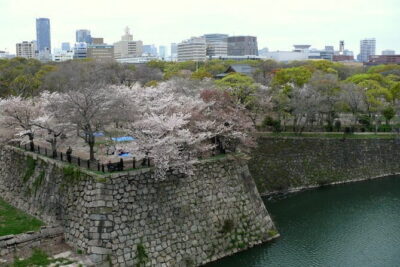
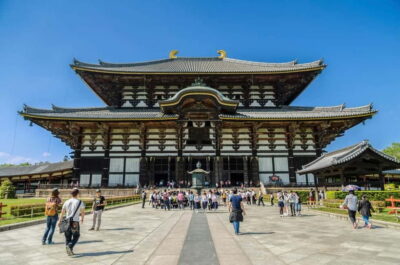
Kyoto & Nara & Uji Historical and Scenic One-Day Tour
Read our review →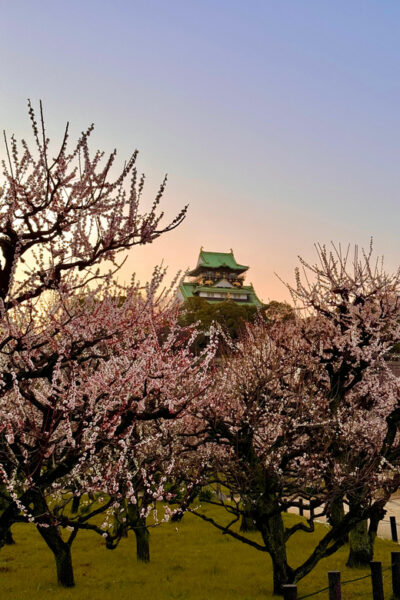
(Ticket Included) Explore Osaka Castle & Museum of History
Read our review →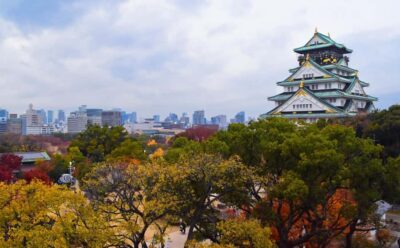
Kyoto & Uji Historical Sites and Scenic Delights Tour
Read our review →
Osaka Private Pop Culture Tour: Historic Tenma to Dotonbori
Read our review →Browse the lists this tour appears in