
Reviewed · KYOTO DAY TRIPS FROM OSAKA
Kyoto Full-Day Private Tour (Osaka departure) with Government-Licensed Guide
Kyoto is too large to conquer in one day, but this private tour gives you a smart way to choose your battles. You can pair Fushimi Inari Shrine with Gion and Nishiki Market, or trade those central sights for Arashiyama, Kinkakuji, or Byodoin in Uji. A licensed guide leads the way from Osaka, usually by train and on foot.
I like the freedom to build the day around your interests, and I like the practical help with Kyoto’s train, subway, and bus systems. Guides including Ichiro, Rie, Bell, Haru, and Yuko have earned especially warm praise for their planning and care. The main catch is simple: eight hours goes quickly, and transportation, meals, and entrance fees cost extra.
Key points to know before booking
- Choose three or four Kyoto sites: The long list of 35 places is a planning menu, not a promise that you will visit them all.
- Expect public transport and plenty of walking: The tour does not include a private vehicle unless you arrange one at least five days ahead.
- A guide can save valuable time: Guides such as Yuko, Ichiro, Rie, and Haru have helped families and cruise passengers manage Kyoto’s complicated rail network.
- Pick a sensible route: Fushimi Inari, Kiyomizu-dera, Gion, and Nishiki Market work well together; Arashiyama and northern Kyoto need a different plan.
- Budget for extras: Temple admission, trains, lunch, and personal expenses are not included in the $201.46 per-person price.
- Plan for a brisk day: One family found the schedule demanding, while another praised the guide for slowing down when a child tired.
Why this private Kyoto day works from Osaka
The great strength here is not the number of sights. It is the ability to make Kyoto fit your group.
You are not locked into a fixed bus route or a one-size-fits-all schedule. Before the day, you can say that you care most about temples, traditional streets, food, gardens, imperial sites, or famous photographs. Your guide then helps select three or four stops from a list that includes the major names and several quieter choices.
That matters because Kyoto spreads across a wide area. Fushimi Inari lies in the southeast, Arashiyama in the west, Kinkakuji in the north, and Ginkakuji along the eastern mountains. Trying to combine all of them in eight hours would turn the day into a race between stations.
The private format also helps if your group has mixed interests. One person can ask about Buddhist customs, another can focus on Japanese gardens, and a child can get breaks when the walking starts to drag. The guide is with only your party, so the pace can change more easily than on a large group excursion.
The price is $201.46 per person. That is not cheap for a walking day, especially after adding fares and admission tickets. But it can be fair value for a family or small group that wants a dedicated English-speaking guide, route planning, and help returning to Osaka. Group discounts are offered, and the private format avoids paying for people outside your party.
More Kyoto day trips from Osaka:
- Osaka/Kyoto: Hiroshima Miyajima Bus Tour & Shinkansen Ticket
★ 4.7 · 919 reviews - From Kyoto/Osaka: Kyoto Top Highlights 1-Day Guided Bus Tour
★ 4.5 · 714 reviews - Ancient Capital Tour: Kyoto and Nara Highlights from Kyoto/Osaka
★ 4.5 · 332 reviews
Getting from Osaka to Kyoto without wasting the morning
Pickup is offered within designated Osaka areas, but it is a walking pickup rather than a private car transfer. Many groups have met their guide at an Osaka hotel or cruise terminal and then traveled together to Kyoto by train.
This is one of the practical reasons to book the experience. Kyoto’s rail system is manageable once you understand it, but the first trip from Osaka can involve unfamiliar stations, ticket machines, platforms, and transfers. Guides such as Ichiro, Haru, Yuko, and Tatsuya Ito have helped groups make those connections and keep an eye on the return schedule.
If you are coming from a cruise ship, tell the operator your ship timing clearly. Several successful days began at the Osaka cruise port and ended with the group safely back at the ship. Still, an eight-hour tour is a tight window, so you should avoid choosing an itinerary that crosses the city repeatedly.
A private vehicle is available only by request and must be pre-booked at least five days in advance. Since standard transportation is not included, ask how fares will be handled before departure and carry enough money for tickets, food, and admissions.
The classic east Kyoto route: Fushimi Inari, Kiyomizu-dera, and Gion
For a first visit, I would give serious thought to an eastern Kyoto route. It brings together a famous shrine, a major temple, old streets, and one of the city’s best-known dining areas.
Fushimi Inari-taisha
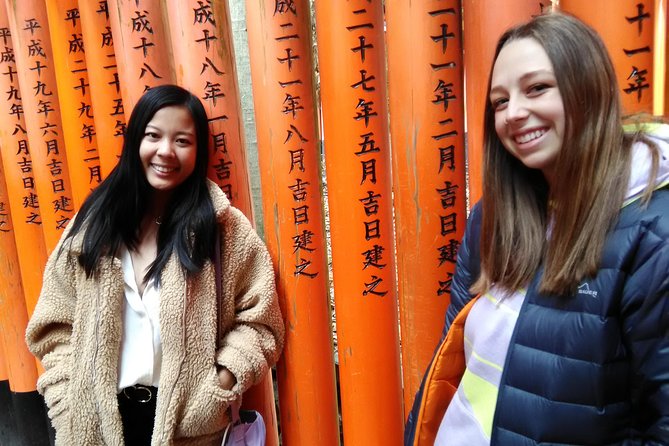
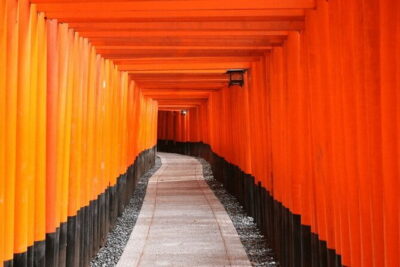
Fushimi Inari is famous for its long rows of orange torii gates climbing into the wooded hills. The shrine has free admission, which helps keep the day’s costs under control.
The challenge is time. The full mountain path takes much longer than a quick photo stop, and this tour usually includes only three or four major places. Tell your guide how far you want to walk. If you want the torii experience without spending most of the day on the mountain, your guide can help set a reasonable stopping point.
A few more Osaka half-days worth pricing up
- Osaka: Minoh, Katsuoji Temple, & Minoh Falls Full-day Tour
★ 4.9 · 172 reviews - Osaka’s Best and Brightest: Private Full-Day Tour by Vehicle
★ 5.0 · 147 reviews - Full Day Tour of Kyoto with Private Transportation
★ 5.0 · 130 reviews - Full Day Hiroshima and Miyajima Tour by Bullet Train from Osaka
★ 4.5 · 117 reviews
Kiyomizu-dera
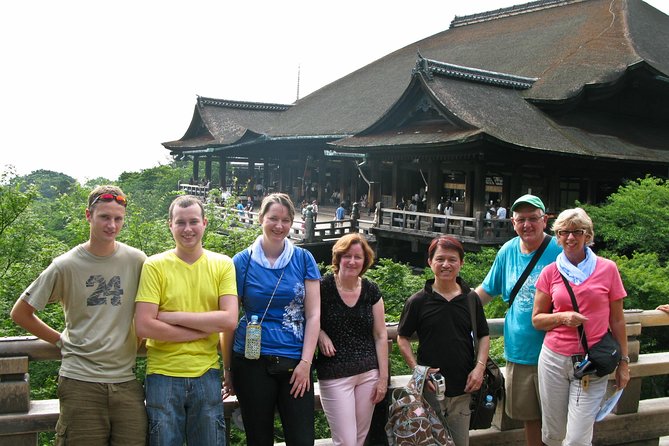
Kiyomizu-dera is one of Kyoto’s essential temples, with broad views from its wooden stage and a busy approach through the Higashiyama area. The grounds reward a guided visit because there are several buildings, religious details, and traditional streets to understand.
Admission is extra. The approach involves slopes and walking, so this is not a light sightseeing day. One useful lesson from the tour feedback is to bring a snack and prepare for many hours on your feet. If someone in your party has limited stamina, say so at the start.
Gion and Higashiyama
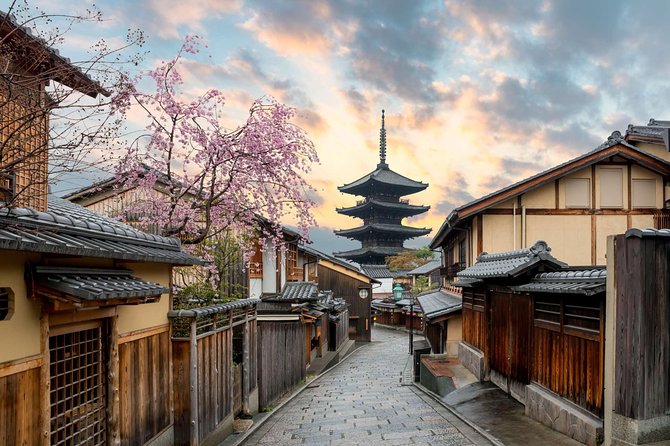
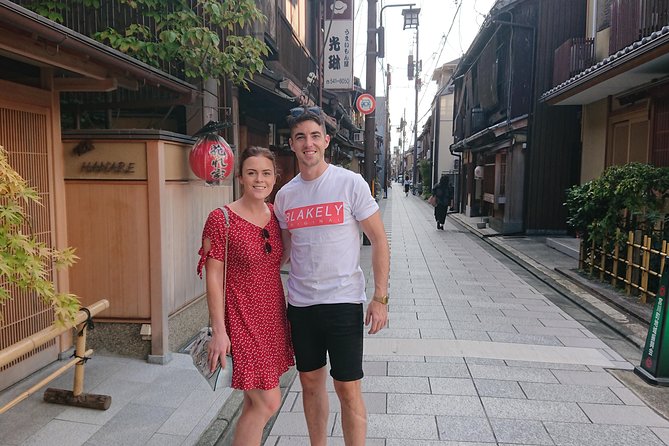
Gion gives you narrow lanes, traditional buildings, and the possibility of seeing a geisha or maiko moving between appointments. You should treat the district as a living neighborhood, not a stage set. Follow your guide’s advice about photography and personal space.
Higashiyama is the wider historic area along Kyoto’s eastern hills. It is a natural companion to Kiyomizu-dera, but its lanes can be crowded and slow. The reward is the feel of old Kyoto, with shops, tea houses, and preserved streets rather than a single monument.
Kennin-ji
Kennin-ji sits close to the busy streets around Hanamikoji and Shijo, yet its grounds offer a calmer walk. Its dry gardens make it a good choice if you want a temple with less emphasis on a single famous view.
Admission is extra, and the listing gives this stop only a very short time in the suggested plan. Confirm the amount of time you will actually have if Kennin-ji is a priority.
Central Kyoto for food and power: Nijo Castle, Nishiki Market, and Pontocho
A central route gives you a different picture of Kyoto. Instead of focusing only on shrines and temple gardens, it brings in politics, food, shopping, and evening streets.
Nijo Castle
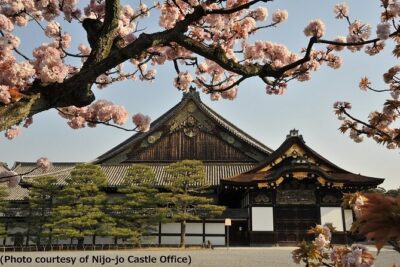
Nijo Castle was built in 1603 as the Kyoto residence of Tokugawa Ieyasu, the first shogun of the Edo period. Its painted interiors, formal grounds, and famous nightingale floors make it one of the best places to connect Kyoto with Japan’s military government.
Admission is extra. You will get more from the castle if your guide explains what you are seeing rather than simply leading you from gate to gate. One family combined a visit here with Kiyomizu-dera and the bamboo forest, showing how much can fit into a well-planned day, though the pace was necessarily brisk.
Nishiki Market
Nishiki Market is a narrow, five-block shopping street known as Kyoto’s Kitchen. More than 100 shops and restaurants sell food and local goods, so it is a useful place to sample the city without committing to a long restaurant meal.
The market can be crowded, and you may need to move slowly. It also works well as a lunch stop, but lunch is not included. Ask your guide for help choosing food if you are unsure about unfamiliar items, and allow enough time to eat rather than treating the market as another quick photo stop.
Pontocho
Pontocho is a narrow dining alley beside the Kamogawa River. It is especially atmospheric later in the day, though an eight-hour schedule from Osaka may not leave much evening time.
I would choose Pontocho when food and traditional nightlife matter more to you than checking off another temple. It pairs naturally with Nishiki Market, Gion, and Kennin-ji.
Kyoto Imperial Palace
The Imperial Palace was the residence of Japan’s Imperial Family until 1868, when the capital moved to Tokyo. Its spacious grounds offer a change of pace from tight lanes and crowded temple approaches.
Admission arrangements and available access can vary, so confirm what your visit includes. The palace is best for people interested in court life, gardens, and the shift from imperial Kyoto to modern Japan.
Western Kyoto: Arashiyama and its many possible add-ons
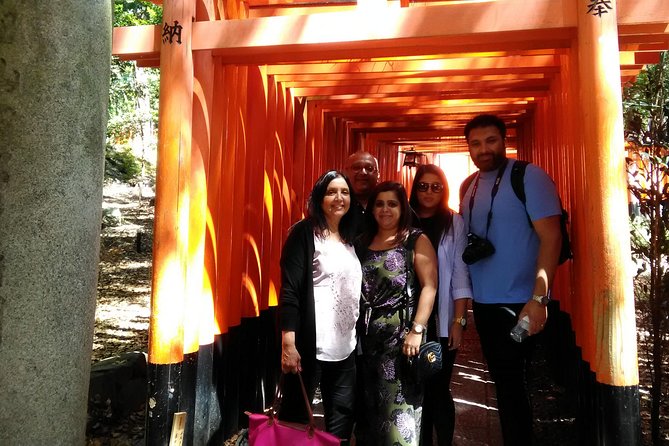
Arashiyama is one of the most tempting choices on the menu, and also one of the easiest places to underestimate. The district includes the famous bamboo grove, Togetsukyo Bridge, Tenryu-ji, and a string of smaller temples.
Bamboo grove and Togetsukyo Bridge
The bamboo paths are attractive in soft weather, when the tall stalks sway above you. The walk is not difficult in itself, but the area can become crowded, and the grove is not a private wilderness.
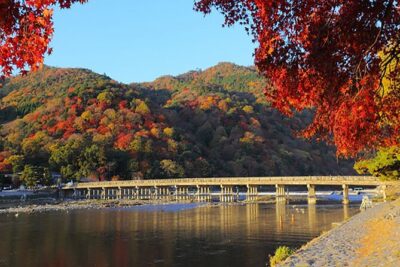
Togetsukyo Bridge is Arashiyama’s best-known landmark. It crosses the Katsura River and has been associated with Kyoto since the Heian period, though the present structure dates from the 1930s. Together, the bridge and bamboo grove give you the classic Arashiyama picture.
Tenryu-ji
Tenryu-ji is the major Zen temple of Arashiyama and a UNESCO World Heritage site. Its garden is the main reason to visit, and the temple provides a strong blend of architecture, religious history, and scenery.
Admission is extra. Since the tour menu lists Tenryu-ji more than once, check that your chosen plan does not accidentally duplicate the stop.
Okochi Sanso Garden
Okochi Sanso is the former villa of actor Okochi Denjiro, set beyond the bamboo grove. The grounds include gardens and buildings, offering a more contained and garden-focused experience than the main Arashiyama paths.
It also adds another admission fee and more walking. I would choose it only if gardens matter to you and you are willing to give up another major site.
Smaller Arashiyama temples
Jojakko-ji, Nisonin, Gio-ji, Adashino Nenbutsu-ji, and Otagi Nenbutsu-ji offer quieter alternatives to the central sights. Gio-ji is known for its moss garden, while Otagi Nenbutsu-ji is known for 1,200 stone figures, each with a different expression.
These places are appealing if you want a slower, less standard route. The drawback is distance. Adding several of them can consume the day, especially when you are also traveling from Osaka.
Northern and southern Kyoto for special interests
The remaining choices are best treated as separate themes rather than add-ons to a standard first-day route.
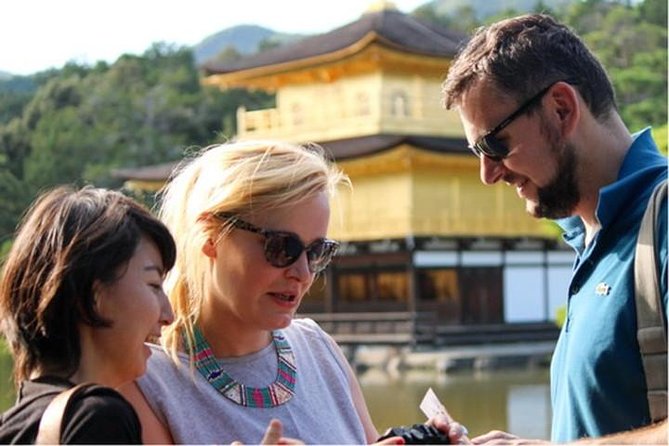
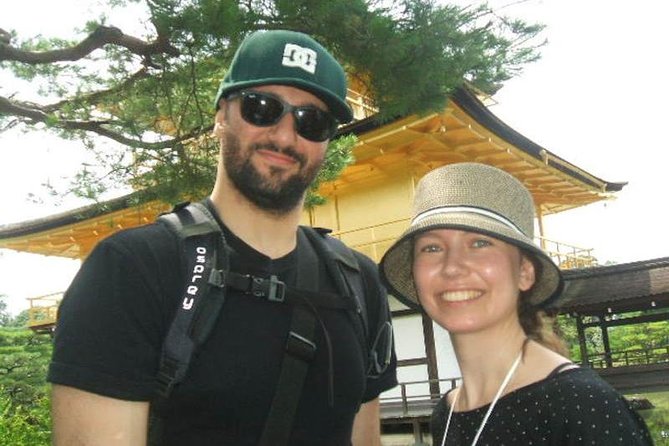
Kinkakuji, the Golden Pavilion, is a Zen temple whose upper two floors are covered in gold leaf. It is instantly recognizable and visually striking, but admission is extra and the visit is often more about the view than a long exploration.
Ryoan-ji has Japan’s most famous rock garden. Choose it if you want a quiet lesson in Zen design, but do not expect to combine it comfortably with Fushimi Inari, Arashiyama, and southern Kyoto in one short day.
Ginkakuji, the Silver Pavilion, was built as the retirement villa of shogun Ashikaga Yoshimasa. Despite its name, it is not covered in silver. Its garden and connection to the eastern mountains make it a good partner for the Philosopher’s Path area, though that route is not listed as a separate stop here.
Toji, founded soon after Kyoto became the capital in the late eighth century, offers a strong link to early Kyoto and Buddhist tradition. Tofuku-ji is especially known for autumn color, while Nanzenji includes the striking Suirokaku aqueduct and broad temple grounds.
Byodoin in Uji is a special choice. Its Phoenix Hall is a National Treasure and part of a UNESCO World Heritage site. The extra travel time matters, so select it only if you are happy to give up central Kyoto highlights.
Kibune, Kurama-dera, Yoshimine-dera, Katsura Imperial Villa, and Shugakuin Imperial Villa appeal to repeat visitors or people with specific interests in gardens, mountain temples, and imperial history. They are not sensible last-minute additions to a route already packed with central Kyoto.
What the guides add to the day
The guide quality is the most important variable in this experience. The strongest guides described in the tour feedback were warm, flexible, and good at handling transport.
Ichiro is praised for explaining sites such as the bamboo forest, Nijo Castle, Fushimi Inari, and Nishiki Market while making the day feel personal. Rie is noted for strong organization and cultural context. Bell adjusted the pace for a young daughter, while Haru helped cruise passengers reach Kyoto and return safely.
Yuko is especially praised for choosing the right transportation to save time. Emiko helped a family navigate far-flung stops and suggested a traditional restaurant. Kiriko combined Gion, the market, and the bamboo forest and had excellent English.
There is one important warning. A private tour is only as good as the guide assigned to you. One difficult day involved weak communication, a language barrier, rushing in the rain, and too little explanation. You can reduce that risk by sending a clear wish list before the tour and asking for the route, walking level, and planned meal break.
The overall record is strong, with a 4.9 rating from 58 reviews and 98 percent recommending it. Still, those numbers should not hide the basic truth: this is a demanding day, and the guide’s planning style matters.
Walking, costs, and who will enjoy it most
The tour lasts about eight hours and is built around public transportation and walking. Entrance fees are not included at Kiyomizu-dera, Nijo Castle, Kyoto Imperial Palace, Ginkakuji, Nanzenji, Tofuku-ji, Kinkakuji, Ninna-ji, and many other paid sites.
Lunch, train fares, and personal expenses are also extra. The advertised price is easiest to justify for a small private group that values saved time and a personal guide. It is harder to justify if you want only one or two sights and are comfortable navigating Kyoto alone.
You should bring comfortable shoes, water, and a snack. The tour is near public transportation, service animals are allowed, and most people can take part, but the amount of walking deserves honest attention. One group member struggled to keep up, and another guide changed the plan when the schedule became too tight.
Free cancellation is available up to 24 hours before the start time. After that point, the payment is not refunded and changes are not accepted.
Should you book this Osaka to Kyoto tour?
Book it if you have one day, are staying in Osaka, and want a guide to handle the route, trains, and cultural explanation. It is especially useful for families, cruise passengers, and first-time visitors who would rather spend their energy seeing Kyoto than studying transit maps.
Choose a focused plan of three or four sites. Fushimi Inari, Kiyomizu-dera, Gion, and Nishiki Market make a strong first-day combination. Arashiyama deserves its own western Kyoto plan, while Byodoin, Kurama, and the imperial villas suit a more specialized visit.
Skip this tour if you want a slow day, dislike public transport, or prefer to choose every stop yourself as you go. At $201.46 per person before admissions and transportation, it is a premium way to see Kyoto. Its value comes from smart choices, personal attention, and a guide who can keep the day moving without turning it into a blur.
FAQ
How long does the Kyoto tour last?
The experience lasts approximately eight hours.
Where does the tour begin?
Pickup is offered within designated areas of Osaka. Pickup is on foot, and many groups have met their guide at an Osaka hotel or cruise terminal before traveling to Kyoto.
Is this a private tour?
Yes. Only your group participates in the activity.
How many Kyoto sites can I choose?
The tour offers more than 35 possible points of interest, and the included format is a customizable walking tour visiting three or four Kyoto sites.
Is transportation included?
No. Transportation is not included. A private vehicle can be requested, but it must be pre-booked at least five days before the tour.
Are entrance fees included?
No. Admission fees for temples, castles, gardens, and other paid sites are not included.
Is lunch included?
No. Lunch and personal expenses are not included.
Is an English-speaking guide provided?
Yes. The tour includes a licensed local English-speaking guide.
Can I cancel for a full refund?
You can cancel for a full refund up to 24 hours before the experience start time. Cancellations or changes made less than 24 hours before the start are not accepted for a refund.
Just added in Osaka
- Urban Canvas: Osaka Street Art Bike Tour★ 5.0 · 10 reviews
- Anime Cosplay Photshoot-50 Digital Photos Provided★ 5.0 · 8 reviews
- TeamLab Botanical Garden Osaka Ticket★ 3.5 · 6 reviews
- Umeda Sky Building & Kuchu Teien Observatory Ticket in Osaka★ 4.5 · 3 reviews
- Immerse in Judo Martial Arts Class from Japan★ 5.0 · 4 reviews
- Cherry Blossom Buddha and Mt.Yoshino with Strawberry Picking Tour★ 4.5 · 5 reviews
- Traditional Home cooking Experience in Osaka, Japan★ 5.0 · 14 reviews
- Traditional Calligraphy Experience near Dotonbori★ 5.0 · 3 reviews
Kyoto Day Trips from Osaka, compared.
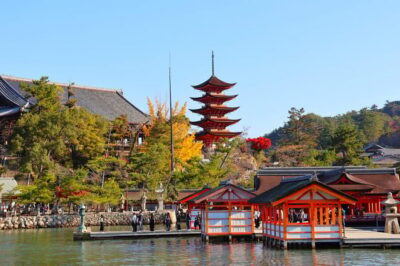
Hiroshima Miyajima Bus Tour & Shinkansen Ticket
Read our review →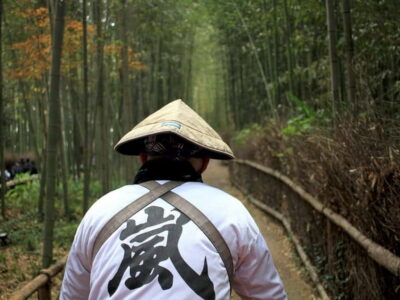
Ancient Capital Tour: Kyoto and Nara Highlights from Kyoto/Osaka
Read our review →
Full Day Tour of Kyoto with Private Transportation
Read our review →
Kyoto & Nara Private customized tour with English speaking Guide
Read our review →Browse the lists this tour appears in