
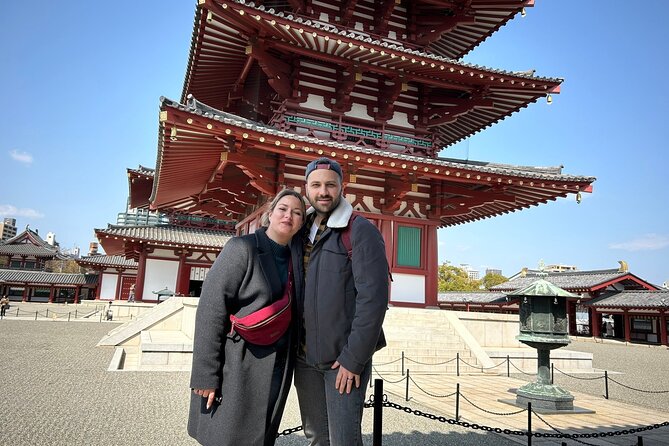
Reviewed · DOTONBORI TOURS
Osaka Highlights Walking Tour: Castle, Dotonbori & Hidden Gems
Osaka reveals itself best on foot, and this four-hour route gives you a quick but useful introduction to the city’s food, shopping, history, and oddball street life. You’ll move from the samurai-era setting of Osaka Castle to the neon signs of Dotonbori, then finish among the old-school eateries and signs of Shinsekai.
I like the mix of famous sights and smaller streets, especially Hozenji Yokocho and the food stalls around Kuromon Market. I also like that the tour ends in Shinsekai rather than returning you to the starting point, since you can keep exploring that district afterward.
The main drawback is pace. Seven stops in about four hours means most places receive a short visit, and you do not enter Osaka Castle. At $84.70 per person, the value depends on how much you want a guide, a ready-made route, takoyaki, and a drink rather than a leisurely self-guided day.
Key points at a glance
- Osaka Castle begins the story: You see the city’s famous samurai-era landmark from outside, but the castle interior is not included.
- Dotonbori brings the neon: Expect riverside views, giant signs, shops, restaurants, and Osaka’s famous food-centered street culture.
- Hozenji Yokocho slows the pace: Narrow lanes and old-Osaka atmosphere offer a welcome contrast to the main shopping streets.
- Kuromon Market adds a food stop: You can watch seafood preparation and use the included food and drink as a small taste of Osaka.
- Shinsekai is the finale: Tsutenkaku Tower and one hour in the district provide the longest stop and a chance to continue exploring.
- Small groups keep it manageable: The maximum is 12 people, and guide Ben is noted for his friendly energy, English, and skill at finding good photo spots.
Why this route works for a first look at Osaka
Osaka can feel scattered at first. The castle sits away from the southern entertainment districts, while Dotonbori, Shinsaibashi, Kuromon Market, and Shinsekai each have a different mood. This tour connects those areas in one clear route, giving you a mental map of central Osaka before you start exploring on your own.
The route also shows more than one version of the city. You get the grand political setting of Osaka Castle, the polished shopping arcade of Shinsaibashi, the food-and-neon spectacle of Dotonbori, the quiet lanes of Hozenji Yokocho, the market scene at Kuromon, and the retro character of Shinsekai.
That range is the tour’s main strength. You are not spending four hours at one landmark or walking through only modern shopping districts. Instead, you get short windows into several sides of Osaka.
The 10:30 am start is sensible. It gives you a full morning and afternoon afterward, though Kuromon Market and the entertainment districts may feel different from their busiest evening hours. If you want the strongest neon atmosphere, return to Dotonbori after dark on your own.
More Dotonbori walks and food stops:
- Osaka Local Foodie Walking Tour in Dotonbori and Shinsekai
★ 5.0 · 985 reviews - Osaka: Dotonbori District River Cruise with Drink Discount
★ 4.2 · 876 reviews - Ultimate Osaka Walking Tour: Castle, Dotonbori & Hidden Gems
★ 5.0 · 862 reviews
Osaka Castle sets the historical tone
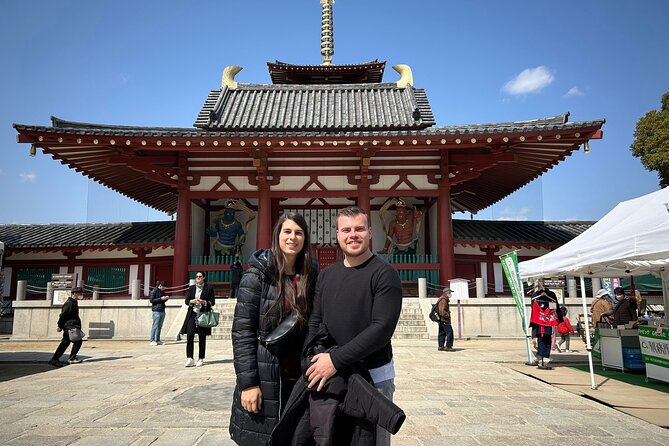
The tour starts at 3-1 Ōsakajō, at Osaka Castle. This is a useful opening because the castle is one of the clearest symbols of Osaka and connects the city to Japan’s sixteenth-century samurai era and the unification of Japan.
You spend about 40 minutes here, with admission listed as free because the tour does not enter the castle. That distinction matters. You can expect an exterior visit, surrounding views, and an explanation of the site, but not the castle museum or interior exhibits.
For some people, this will be enough. The exterior is the visual centerpiece, and an introduction from a local guide can help explain why the castle matters before you move into modern Osaka. If entering the castle is important to you, set aside separate time and pay for that visit independently.
The opening stop is also the least food-focused part of the day. That is useful if you prefer to begin with history, but anyone hoping to start with Osaka street food should know that the included takoyaki comes later.
Dotonbori delivers Osaka in bright colors
After the castle, the route shifts to Dotonbori, one of Osaka’s most recognizable districts. The area is built around a canal and lined with neon signs, restaurants, shops, and entertainment. It is loud, colorful, and unapologetically commercial.
You have about 40 minutes here. That is long enough to take in the riverside scenery, photograph the famous signs, and get a feel for the district. It is not long enough for a full meal, serious shopping, or a patient restaurant hunt.
This is where a guide can help you avoid simply walking past a wall of signs. The area has a lot of visual noise, and a local can point out details, explain Osaka’s food culture, and give the district some context. The route is designed to show you the main sights without asking you to plan every turn yourself.
I would treat Dotonbori as an orientation stop rather than a complete visit. Note the places you want to revisit, then return later when you can take your time. Evening is likely to feel more theatrical, but the daytime visit makes sense for a tour that still has several districts ahead.
Shinsaibashi shows modern Osaka’s shopping side
The next stop is Shinsaibashi-suji Shopping Street, where you spend about 20 minutes. This covered shopping arcade is known for Japanese fashion, gadgets, specialty shops, and a steady stream of local shoppers.
The short visit gives you a sample rather than a shopping session. You can see how Osaka’s retail culture works, compare the feel with Dotonbori, and mark shops for a return visit. If you enjoy browsing, you may find 20 minutes frustrating, especially if you stop to inspect clothing, souvenirs, or quirky household goods.
Still, the stop earns its place because it balances the historic and food-focused parts of the route. Osaka is not only castles and restaurants. Shinsaibashi shows the city as a place where people shop, meet, and spend ordinary time.
Keep an eye on the meeting pace here. A shopping arcade can pull you in several directions, and a small group cannot wait for every purchase. Save serious buying for after the tour.
More walking tours in Osaka:
- Osaka: Deep Backstreets Walking Tour with Dinner Option
★ 4.9 · 902 reviews - Osaka: Main Sights and Hidden Spots Guided Walking Tour
★ 4.9 · 702 reviews - Private Osaka Walking Tour: Highlights & Hidden Gems
★ 5.0 · 569 reviews - Osaka Castle Walking Tour and Castle Tower Admission
★ 5.0 · 561 reviews
Hozenji Yokocho brings a quieter mood
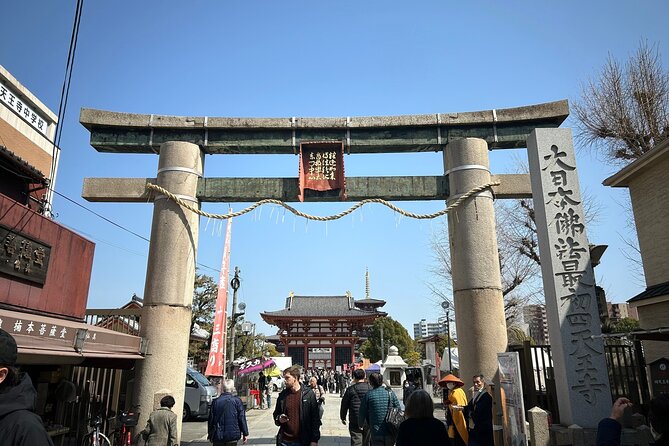
Hozenji Yokocho is one of the more appealing parts of the route. Its narrow, cobbled lanes and lantern-lit atmosphere feel far removed from the broad shopping streets nearby. The area has old-Osaka character, with traditional details and walls that give the lanes a more intimate feel.
You spend about 20 minutes here. That is enough for photographs, a short explanation, and a pause from the noise. It is also one of the places where a guide’s local perspective can add real value, since the appeal is less about checking off a major monument and more about noticing small details.
This stop helps the tour avoid becoming a parade of big names. You get a glimpse of an older urban pattern, one that can be easy to miss if you stay on the main roads.
The limitation is time. Hozenji Yokocho rewards slow looking, and 20 minutes passes quickly. If you like atmospheric lanes, return independently after the tour and explore at a quieter pace.
Kuromon Market turns the walk toward food
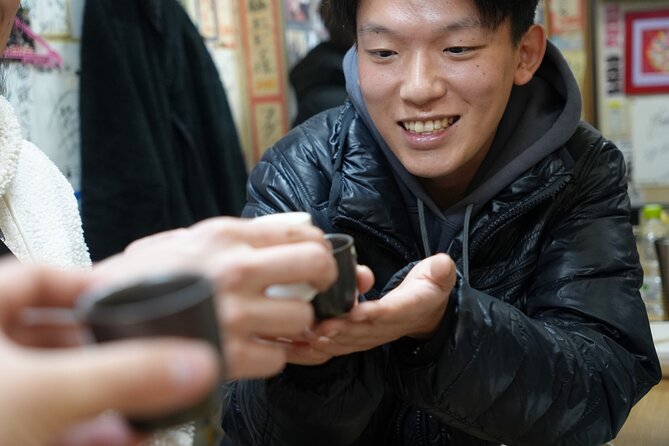
Kuromon Market is the tour’s main food stop. The market is known for seafood shops, prepared foods, and displays of fresh fish. You may see skilled cooks preparing fugu, learn how tuna is cut, and watch seafood move from shop counter to customer.
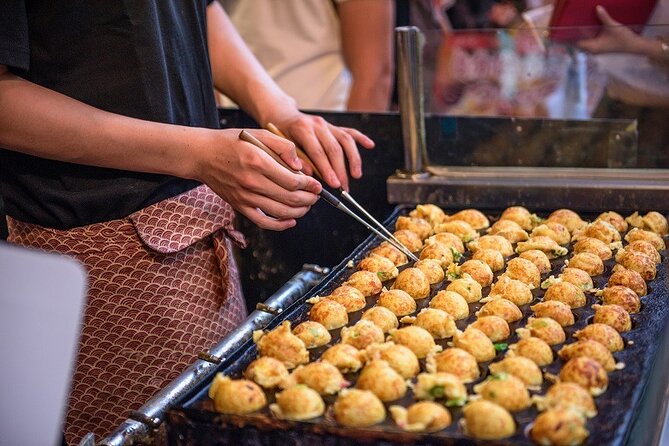
The tour includes a box of takoyaki and one drink. Takoyaki are round fried bites made from batter and tender octopus, and they are closely tied to Osaka’s food identity. This included snack gives you a taste without requiring you to make a separate restaurant decision during the walk.
The market visit lasts about 20 minutes, so think of it as a guided introduction rather than a full market meal. Additional food and drinks are not included. You may want to bring some spending money if a seafood skewer, another snack, or a second drink catches your eye.
Kuromon can be especially useful for first-time visitors who are unsure how to approach Japanese food markets. A guide can explain what you are seeing and help you recognize the difference between a display, a preparation counter, and something ready to eat. The tour information does not promise a specific tasting menu beyond the takoyaki, so do not book it expecting a long series of samples.
Tsutenkaku marks the move into Shinsekai

The route then reaches Tsutenkaku Tower, the symbol of the Shinsekai district. The tower was first built in 1912 and was inspired by the Eiffel Tower. That connection gives the landmark an unusual place in Osaka’s story, mixing early modern ambition with the district’s later retro personality.
The stop lasts about 20 minutes, and admission is not included. You see the tower and its surroundings as part of the walking route, but you should not assume that you will go up inside.
Tsutenkaku works well as a transition point. The city begins to feel less like the polished shopping center around Shinsaibashi and more like an older entertainment quarter. The signs, streets, and restaurants create a different visual mood from Dotonbori, even though both districts rely heavily on food and lights.
If you want a tower visit, check the details separately and plan extra time. The tour is focused on the area, not on an included observation-deck experience.
One full hour in retro Shinsekai
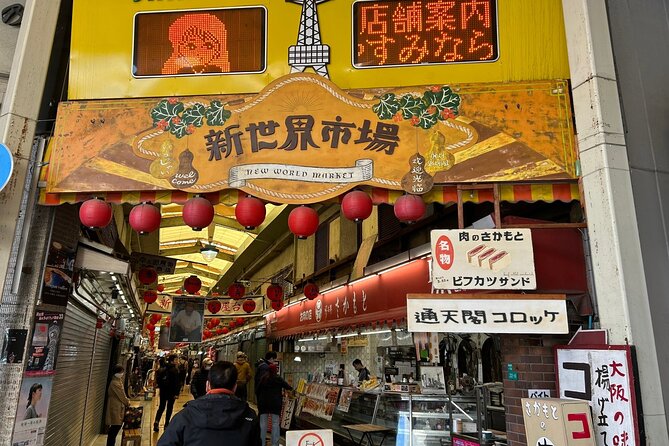
Shinsekai receives the longest stop, at about one hour. That extra time matters because the district is best understood by wandering, not by taking one photograph and leaving. Its mix of old-style storefronts, bright signs, restaurants, and modern city life creates a distinct Osaka mood.
You can use this final section to look around, listen to the guide’s stories, and decide what deserves a return visit. The tour ends at Shinsekai, near 2 Chome-5 Ebisuhigashi, so you are well placed to continue exploring instead of being sent back to Osaka Castle.
This ending is practical. If the route ended at Dotonbori, you might still have to work out how to reach Shinsekai later. Here, you already have a starting point for more food, photographs, or an evening walk.
The one-hour stop also gives the day a better rhythm. The early sections are fairly quick, while Shinsekai gives you room to slow down. If you prefer a relaxed tour with long visits at each landmark, this will still feel brisk. If you want a broad first look, the pacing makes sense.
What the $84.70 price really covers
At $84.70 per person, this is not a cheap walking tour. The price pays for a four-hour route, a local English-speaking guide, a small group of no more than 12 people, a box of takoyaki, and one drink.
The value is strongest if you are new to Osaka and want someone else to organize the day. You are paying for the connection between districts, the local explanations, and the time saved on planning. You also finish in a different neighborhood from where you began, which makes the route more useful than a simple loop.
The value is weaker if you already know Osaka, are comfortable navigating by train, or mainly want entrance tickets. Osaka Castle entry is not included, Tsutenkaku entry is not included, and additional food and drinks cost extra.
I would compare this tour with the price of a private guide, not just with the cost of walking around independently. For a group of up to 12, it offers a more personal format than a large coach outing, but it is still a group experience. The smaller size should make it easier to ask questions and stay together.
Guide style and group comfort
The tour uses a local English-speaking guide, and guide Ben is associated with the experience. When Ben leads, you can expect a friendly, energetic manner and solid English. Specific praise also goes to his ability to find good photo locations and keep the route interactive.
That detail matters on a walking tour. Osaka’s major areas are easy to locate, but the quality of the day depends on whether the guide adds useful context instead of simply naming each stop. A guide who notices photo angles and encourages interaction can make the short stops feel more worthwhile.
The maximum group size is 12. That is small enough to keep the group together in crowded shopping areas, though Dotonbori and Kuromon Market can still be busy. Wear comfortable shoes, keep your belongings close, and stay alert when the group moves between streets.
The tour is near public transportation, and most people can participate. The provided information does not give a precise walking distance or a detailed accessibility assessment, so anyone with mobility concerns should confirm the route directly before booking.
Timing, food, and practical expectations
The tour starts at 10:30 am and lasts about four hours. You should arrive ready to walk for much of the morning and early afternoon. The route ends in Shinsekai rather than at the starting point, which lets you continue sightseeing there or make your own way onward.
Food is included, but only in a limited way. You receive takoyaki and one drink, while extra purchases are your responsibility. I would not treat the included food as a full lunch, especially if you have a large appetite or want to sample the market’s seafood.
Free cancellation is available if you cancel at least 24 hours before the start time. Changes or cancellations made inside that 24-hour window are not accepted for a refund, so keep the local cutoff time in mind when making plans.
Who should book this Osaka walk?
I would recommend it to a first-time visitor who wants an efficient introduction to several major districts. It is also a good fit if you enjoy food culture, colorful streets, shopping arcades, and short historical explanations more than long museum visits.
Returning visitors could enjoy it if they want a local guide for the less familiar lanes, especially Hozenji Yokocho and Shinsekai. The tour is less suitable if you want to enter Osaka Castle, ride up Tsutenkaku, spend hours shopping, or stop for a long restaurant meal.
The best plan is to use this as your Osaka orientation day. Take notes on places you want to revisit, then return to Dotonbori, Kuromon Market, or Shinsekai later with more time.
Final verdict: book it for orientation, not depth
Book this tour if you want a well-planned first look at Osaka with a small group, local guidance, a taste of takoyaki, and a route that links the castle to the city’s southern districts. The mix of landmark streets and quieter corners is the strongest reason to choose it.
Skip it if you already know Osaka or want full entry to the castle and tower. At $84.70, the tour earns its price through convenience, guidance, and the range of neighborhoods covered, not through included admissions or a full food tour.
FAQ
Where does the Osaka Highlights Walking Tour start?
The tour starts at 3-1 Ōsakajō, Chuo Ward, Osaka, 540-0002, Japan, at Osaka Castle.
What time does the tour begin?
The tour starts at 10:30 am.
How long does the tour last?
The tour lasts approximately four hours.
Does the tour enter Osaka Castle?
No. The tour visits Osaka Castle from the outside, but castle entry is not included.
What food and drinks are included?
You receive one box of takoyaki and one drink. Additional food and drinks are not included.
Where does the tour end?
The tour ends in Shinsekai at 2 Chome-5 Ebisuhigashi, Naniwa Ward, Osaka, 556-0002, Japan.
Just added in Osaka
- Urban Canvas: Osaka Street Art Bike Tour★ 5.0 · 10 reviews
- Anime Cosplay Photshoot-50 Digital Photos Provided★ 5.0 · 8 reviews
- TeamLab Botanical Garden Osaka Ticket★ 3.5 · 6 reviews
- Umeda Sky Building & Kuchu Teien Observatory Ticket in Osaka★ 4.5 · 3 reviews
- Immerse in Judo Martial Arts Class from Japan★ 5.0 · 4 reviews
- Cherry Blossom Buddha and Mt.Yoshino with Strawberry Picking Tour★ 4.5 · 5 reviews
- Traditional Home cooking Experience in Osaka, Japan★ 5.0 · 14 reviews
- Traditional Calligraphy Experience near Dotonbori★ 5.0 · 3 reviews
Dotonbori Tours, compared.
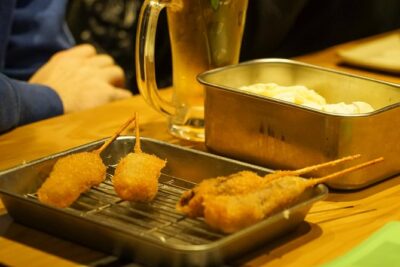
Osaka Local Foodie Walking Tour in Dotonbori and Shinsekai
Read our review →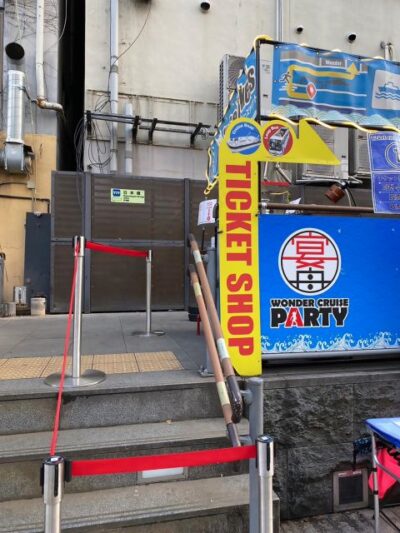
Dotonbori District River Cruise with Drink Discount
Read our review →
Ultimate Osaka Walking Tour: Castle, Dotonbori & Hidden Gems
Read our review →
Roll and Authentic Sushi Making Class in Dotonbori
Read our review →
Osaka Local Bar Crawl in Dotombori & Uranamba Area
Read our review →
Browse the lists this tour appears in