Reviewed · TOURS
Hidden Osaka – Yukaku Red Light Tour & Culinary Adventure
Osaka’s Tobita Shinchi is not polished for sightseeing. It is a working red-light district with nearly a century of history, strict local customs, and a complicated place in modern Japan. This tour pairs a respectful walk there with Shinsekai’s old-school food culture, so you get social history and dinner in one evening.
I like the small group size, which helps you move quietly through sensitive areas. I also like the local guides, including Rui, Leo, Haruki, Ruey, and Hanukkah, who bring humor and explain legal and social details clearly. The main drawback is pacing: you may walk for about an hour before eating, while the food stops can feel bunched together later.
Key points before you book
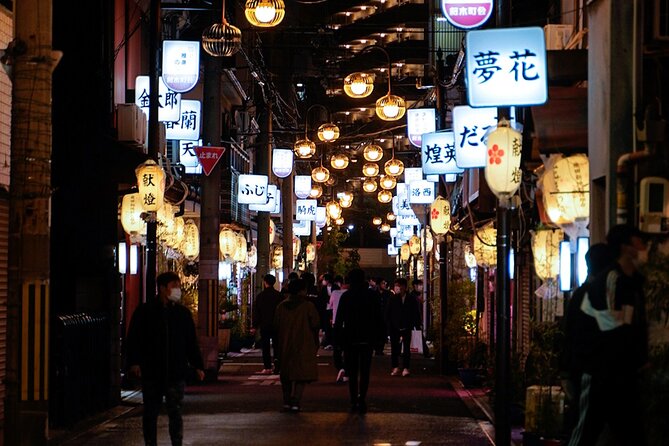
- Tobita Shinchi after dark: See a historic Yukaku district and learn how it operates from a local guide.
- A mature-audience experience: The subject matter is adult and may feel uncomfortable or confronting.
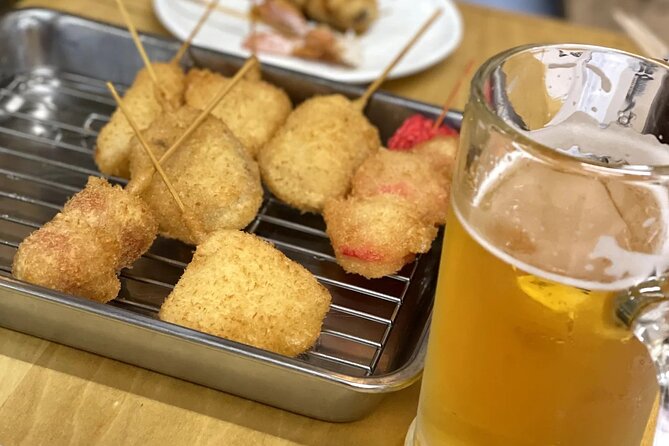
- Shinsekai food stops: Try Osaka favorites such as kushikatsu and doteyaki, plus less familiar izakaya dishes.
- Small groups of up to eight: This makes discussion and respectful movement easier.
- About ¥4,000 for izakaya food: Check the booking option carefully to see if food costs are included.
- Three and a half hours from 6 p.m.: The tour begins and ends at Causerie, near public transportation.
Why Tobita Shinchi makes this Osaka tour different
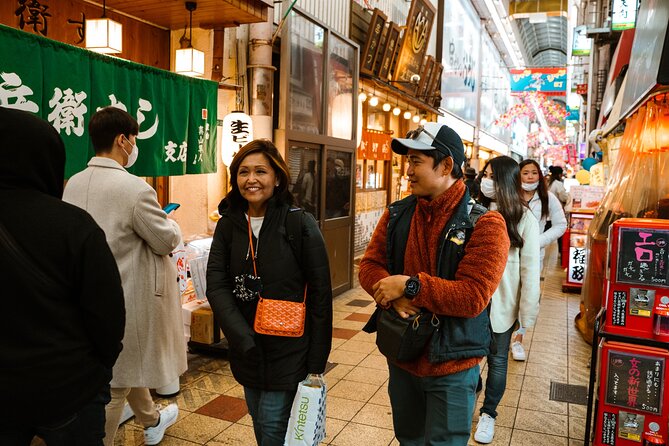
Many Osaka walks stay with bright signs, famous food streets, and easy photo stops. This one takes you to a district most people would not find comfortable exploring alone. That is its purpose, but also its limit.
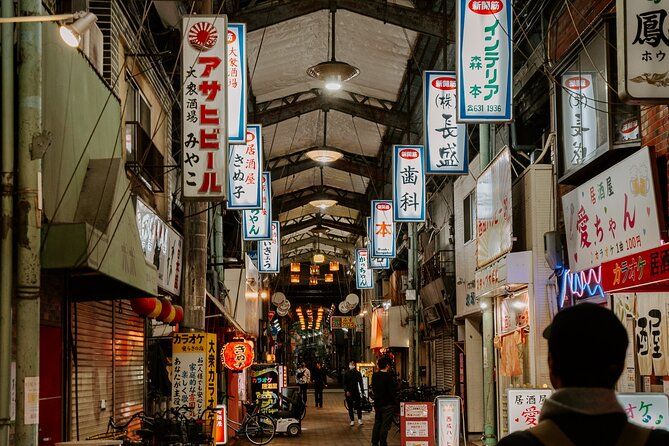
Tobita Shinchi has been around for nearly 100 years. The tour walks along its old shopping street and explains the district’s place in Osaka society. You also visit a building said to have inspired the red-light district setting in Demon Slayer, an unusual point for fans of the series.
The guide’s role matters here. You are not simply being led through a street and left to guess what you are seeing. Rui, Leo, Haruki, Ruey, and Hanukkah have each been praised for making difficult subjects easier to discuss. Their approach combines local stories, jokes, explanations of rules, and room for questions.
Still, you need to approach Tobita Shinchi with care. This is not a theme park or an open-air museum. It is a real district connected to adult services, and the tour description itself warns that it is not suitable for everyone. If you want only cheerful sightseeing, choose another Osaka activity.
Other Osaka bookings people put this one up against:
- Osaka Go Karting Tour with Funny Costume
★ 5.0 · 2,658 reviews - Osaka Castle: Museum and Tower Entry Ticket
★ 4.5 · 2,380 reviews - Osaka: Shinsekai Food Tour with 13-15 Dishes at 5 Eateries
★ 4.8 · 2,204 reviews
Walking Tobita Shinchi with the right attitude
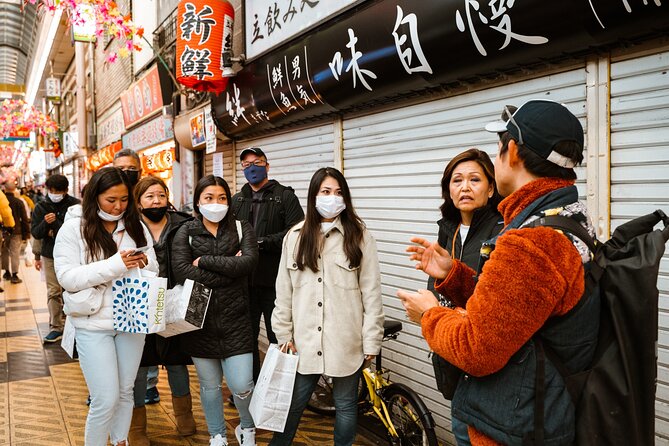
The first hour centers on Tobita Shinchi and its surrounding old shopping streets. Your guide explains local customs and gives you a framework for observing the area respectfully. That preparation is one of the tour’s most useful features because the district can be hard to understand from a quick walk.
The subject includes the legal questions surrounding Japan’s traditional red-light districts. One guide specifically explained the difference between what is legal, what is restricted, and how the district continues to function. This kind of context is more useful than simply pointing out buildings.
You should listen closely to instructions about how to enter, observe, and move through the area. The small group helps. A maximum of eight people is less intrusive than a large crowd, and it gives you a better chance to ask questions without turning the walk into a spectacle.
Photography and personal conduct deserve common sense here. The supplied information does not promise a photography session, so do not book this expecting posed pictures or close-up views. Treat the district as a lived-in place, not a curiosity.
The tour also makes clear that allergies and accidental ingestion are not the provider’s responsibility. Tell the guide about dietary concerns before ordering, but do not assume every dish can be changed or safely avoided.
Shinsekai, Tsutenkaku, and Osaka’s old entertainment quarter
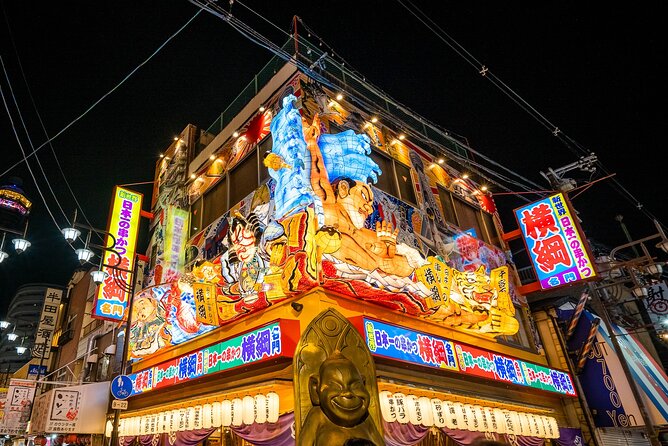
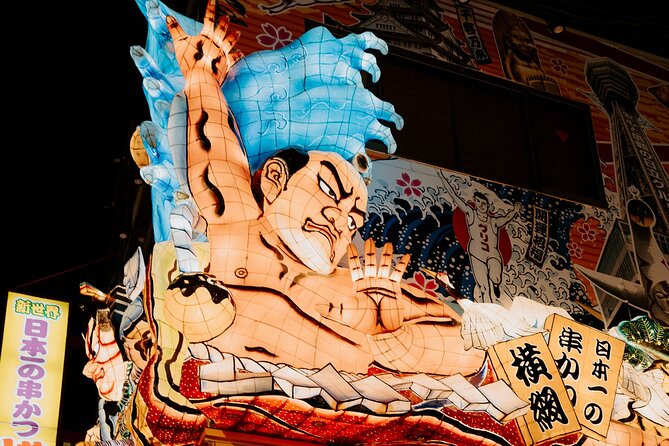
After Tobita Shinchi, the walk continues into Shinsekai, the district around Tsutenkaku. Shinsekai grew from the site of the old Luna Park, and the guide explains how the area changed from an entertainment project into a local hangout with a strong retro feel.
This section gives the evening a useful contrast. Tobita Shinchi raises questions about work, regulation, and social boundaries. Shinsekai brings those ideas back into ordinary street life, with small bars, shopping streets, karaoke spots, and casual food venues.
You walk while eating in this part of the tour, although the timing can vary. Several people praised the combination of walking, local stories, and food, but some felt the walking and eating should have been spread out more evenly. If you prefer a carefully timed meal, this may feel loose.
Tsutenkaku provides the main landmark and a natural point for discussing Shinsekai’s founder and the neighborhood’s past. You do not need a separate admission ticket for the listed walking stops. The focus is on the streets and the guide’s explanation, not on spending the evening inside a tower attraction.
What you may eat at the izakayas
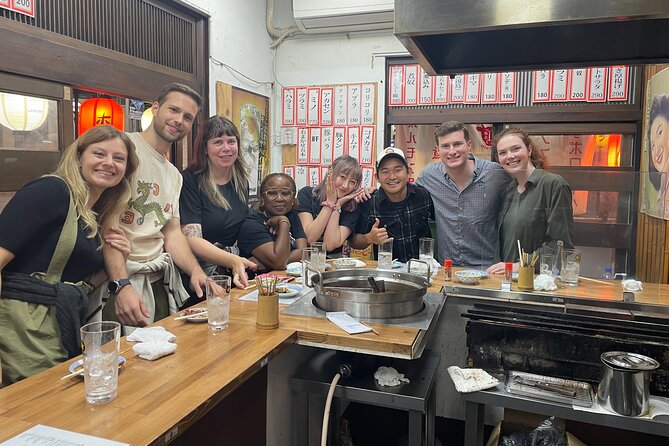
Food is a major part of the experience, but it is not a standard restaurant dinner with familiar choices. The tour promises dishes selected for adventurous eaters, with a drink to match. You might be served items you would never think to order on your own.
The confirmed Osaka specialties include kushikatsu and doteyaki. Kushikatsu is skewered food fried in a crisp coating, while doteyaki is a slow-cooked beef tendon dish associated with Osaka. The tour also visits izakaya-style spots where you may encounter less familiar flavors and textures.
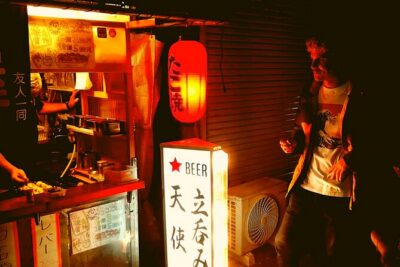
The food stops have received some of the strongest praise. Guides have taken groups to a standing bar and a kushikatsu restaurant, and the meal is designed to encourage you to try something beyond your usual order. That format works well if you enjoy sampling several dishes rather than sitting down for one large plate.
The practical issue is cost. The listed tour price is $79, while average izakaya spending is about ¥4,000. One booking option may include food, while the base option may cost less and leave food expenses separate. Check the exact package before paying. If you want to control your budget, the base tour can make sense, but you should carry enough yen for the food and drinks.
You should also eat only what suits your health needs. The provider does not accept responsibility for allergies or accidental ingestion. The menu is intended for bold eaters, not for a tightly controlled dietary plan.
Same city, a completely different kind of afternoon:
- Osaka Food Tour: 13 Dishes at 5 Local Eateries
★ 5.0 · 2,149 reviews - Hungry Osaka Street Food Tour:15 Tastings & 3 Drinks with a Local
★ 5.0 · 1,727 reviews - Osaka: Tea Ceremony Experience
★ 4.9 · 1,426 reviews - Osaka Kickstart: Hotspots & Hidden Gems Tour
★ 5.0 · 1,306 reviews
The guides make or break the evening
The experience depends heavily on who leads your group. The guide names associated with the tour include Rui, Leo, Haruki, Ruey, and Hanukkah. Their styles differ, but the strongest pattern is a mix of humor, local insight, and willingness to answer questions.
Rui has been especially effective with the district’s sensitive material. His approach includes explanations of local rules, the legal questions around the Yukaku system, and instructions for respectful behavior. He also keeps the mood relaxed, which helps when the subject feels unfamiliar.
Leo’s style is described as funny and easy to understand, with strong explanations of Osaka’s past and the red-light district. Haruki brings energy and enthusiasm, while also explaining the origins of the food you try. Ruey has been praised for choosing good food stops and making people feel welcome.
That variety means your evening may feel different depending on the guide. The activity is not a recorded audio walk with a fixed script. Some groups have wanted more detailed explanation or more time in each district, while others felt the guide’s humor and conversation were exactly right.
If you want a formal academic lecture, this probably is not the best match. If you like asking questions and learning through conversation, the format should suit you well.
Is three and a half hours the right length?
The tour begins at 6 p.m. and lasts about three hours and 30 minutes. It starts and ends at Causerie, at 1-chome-2-28 Taishi in Nishinari Ward. The meeting point is near public transportation, which helps with an evening start.
The first part includes about an hour in Tobita Shinchi. The remaining time covers Shinsekai, Tsutenkaku, walking, explanations, and food stops. The total length gives the guide enough room to discuss the districts instead of rushing from one photo point to the next.
The tradeoff is pacing. Some people have found the first walking stretch long before the food begins. Others felt the overall experience could be shortened to under two hours. If you are hungry at 6 p.m., eat a very light snack first. Do not have a full meal, since the izakaya food comes later.
Comfortable walking shoes are sensible. The tour is outdoors and requires moving through streets and shopping areas. Bring an umbrella if rain is possible. Poor weather can cancel the activity, in which case you are offered another date or a full refund.
Who should book this Osaka experience?
I would suggest this tour to adults who want an Osaka night that goes beyond the usual food crawl. It suits you if you are curious about how older entertainment districts work, enjoy social history, and are willing to try unfamiliar dishes.
It is also a good fit for solo visitors and couples who want a small group setting. With up to eight people, you can meet others without being swallowed by a large coach group. Several guides have been good at helping mixed groups talk, laugh, and feel at ease.
Families need to use judgment. The activity is explicitly for mature audiences, and the subject is not suitable for every child. One booking party brought teenage boys, but that does not make the tour broadly family-friendly. Think carefully about your own group before booking.
You should skip it if you dislike adult subject matter, have strict food allergies, or want a polished route with a tightly controlled schedule. You should also look elsewhere if your main goal is a long, detailed walk through every corner of Tobita Shinchi. The tour gives an introduction and cultural frame, not an exhaustive district study.
Is $79 good value?
At $79, the value depends on what you want from an evening in Osaka. You are paying for a small group, a local guide, interpretation of a sensitive district, a second neighborhood walk, and access to food guidance that would be hard to arrange confidently on your own.
The price is less attractive if you see it only as a three-hour food tour. Osaka has cheaper ways to eat kushikatsu and drink in Shinsekai. The value comes from the explanations, route planning, and help with behavior in Tobita Shinchi.
Food may add about ¥4,000 at the izakaya, depending on your booking choice. Confirm that detail before booking so the final cost does not surprise you. If food is included in your selected option, the price becomes easier to assess. If it is not, compare the base tour price with the cost of making your own Shinsekai evening.
The high rating and 98 percent recommendation indicate a strong overall response, but the less positive experiences point to a real weakness: the itinerary can feel uneven. You are paying for a distinctive subject and capable guides, not a perfectly timed dinner.
Booking details and cancellation rules
Confirmation is sent within 48 hours, subject to availability. The group has a maximum of eight people, and the activity requires a minimum number of participants.
You can cancel up to 24 hours before the start time for a full refund. Changes or cancellations made less than 24 hours before the 6 p.m. start are not accepted for a refund. Cutoff times use Osaka local time.
The activity requires good weather. If rain or other poor conditions cause cancellation, you can choose another date or receive a full refund. If the minimum number is not met, the provider offers a different date or experience, or a full refund.
Should you book Hidden Osaka?
Book it if you want a frank, adult look at two parts of Osaka that are easy to misunderstand from guidebooks alone. The best reasons are the small group, the local guides, the explanations of Tobita Shinchi’s rules and social setting, and the chance to try kushikatsu, doteyaki, and less familiar izakaya food.
Skip it if you need a gentle family outing, have serious food restrictions, or prefer a short and tightly timed route. For the right audience, this is a memorable Osaka evening with real character. Just arrive with an open mind, a light appetite, respectful behavior, and a clear understanding of what the $79 package includes.
FAQ
Where does the tour start and finish?
It starts and ends at Causerie, 1-chome-2-28 Taishi, Nishinari Ward, Osaka, 557-0002, Japan.
What time does the tour begin?
The tour starts at 6 p.m.
How long does the experience last?
It lasts approximately three hours and 30 minutes.
How large is the group?
The maximum group size is eight people.
Does the tour visit Tobita Shinchi?
Yes. The first part includes a walk through Tobita Shinchi, its old shopping street, and nearby historical sights.
Does the tour include Tsutenkaku and Shinsekai?
Yes. The second part includes a walk around Shinsekai and Tsutenkaku, with explanations of the area and its past.
What food can I expect to try?
The food stops include Osaka dishes such as kushikatsu and doteyaki, along with other adventurous izakaya dishes and drinks.
Is food included in the $79 price?
The information gives an average izakaya cost of about ¥4,000 and indicates that booking options may differ. Check the selected package to confirm whether food is included.
Can I cancel for a full refund?
Yes, if you cancel at least 24 hours before the experience start time. Poor weather or failure to meet the minimum group size can also lead to a different date or a full refund.
Just added in Osaka
- Urban Canvas: Osaka Street Art Bike Tour★ 5.0 · 10 reviews
- Anime Cosplay Photshoot-50 Digital Photos Provided★ 5.0 · 8 reviews
- TeamLab Botanical Garden Osaka Ticket★ 3.5 · 6 reviews
- Umeda Sky Building & Kuchu Teien Observatory Ticket in Osaka★ 4.5 · 3 reviews
- Immerse in Judo Martial Arts Class from Japan★ 5.0 · 4 reviews
- Cherry Blossom Buddha and Mt.Yoshino with Strawberry Picking Tour★ 4.5 · 5 reviews
- Traditional Home cooking Experience in Osaka, Japan★ 5.0 · 14 reviews
- Traditional Calligraphy Experience near Dotonbori★ 5.0 · 3 reviews
Tours, compared.

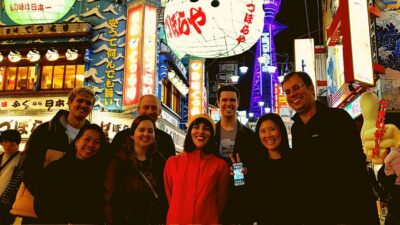
Shinsekai Food Tour with 13-15 Dishes at 5 Eateries
Read our review →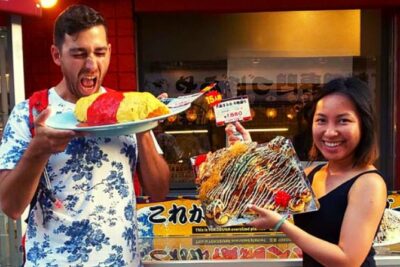
Osaka Food Tour: 13 Dishes at 5 Local Eateries
Read our review →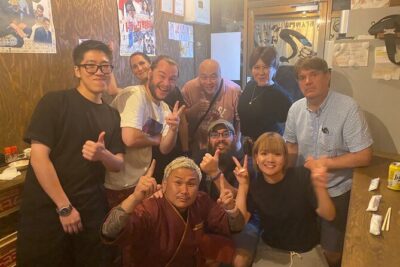
Hungry Osaka Street Food Tour:15 Tastings & 3 Drinks with a Local
Read our review →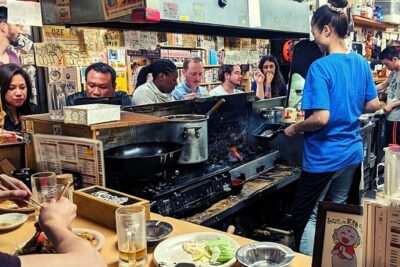
Deep Backstreet Osaka Tours (Option to add Dinner)
Read our review →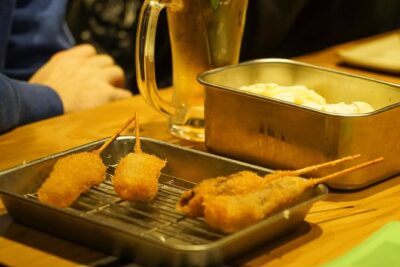
Osaka Local Foodie Walking Tour in Dotonbori and Shinsekai
Read our review →