
Reviewed · KYOTO DAY TRIPS FROM OSAKA
Osaka: Kyoto & Uji Historical Sites and Scenic Delights Tour
The best thing about this day is its reach. For $54, you get from Osaka to several of Kyoto and Uji’s biggest sights without piecing together trains, buses, and local directions yourself. The gold-covered Kinkaku-ji and Byodo-in’s Phoenix Hall give the day two very different views of Japanese religious art.
I like the smart route through western Kyoto, eastern Kyoto, and Uji, and I like the choice to get off in either Osaka or Kyoto at the end. Guides such as Amy add useful history and suggestions, and one review specifically praised her multilingual help. The main drawback is time: Kiyomizu-dera and Ninenzaka can feel packed, while Uji and the temples require plenty of walking.
Key points at a glance
- Three major temple areas in one day: See Kinkaku-ji, Kiyomizu-dera, and Byodo-in without arranging separate transport.
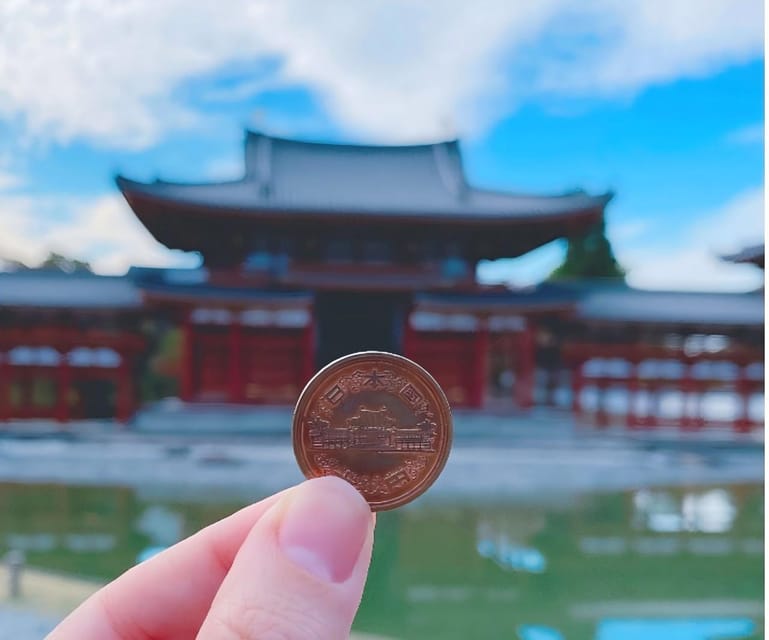
- A strong Uji finish: Walk beside the Uji River, visit Uji Shrine, and see the Phoenix Hall shown on Japan’s ten-yen coin.
- Useful Kyoto old-town walk: Ninenzaka brings traditional streets, tea shops, snacks, and steep walking near Kiyomizu-dera.
- Flexible return: You can finish in Kyoto or continue back toward Osaka, depending on the option you book.
- Good budget value: Transport, guide service, tolls, parking, fuel, and taxes are included, but temple entry and food cost extra.
- Plan for crowds: The middle Kyoto stop can be especially congested, with souvenir shops and higher prices along the narrow street.
Why this route works from Osaka
Kyoto and Uji are easy to reach from Osaka by train, but seeing this many places in one day takes planning. You need to connect distant parts of Kyoto, allow for station changes, and keep an eye on the clock. This tour handles the long road sections by air-conditioned vehicle and lets you spend your energy at the sights.
Departure is at 8:00 AM from Osaka or 9:00 AM from Kyoto, depending on the option you select. You need to arrive 15 minutes early. The meeting point varies, and it cannot be changed on the day, so check the exact location before setting out.
The day lasts about 10 hours. That is a full day, not a gentle half-day outing. Traffic and weather can change the schedule, and peak seasons bring heavier crowds. Still, the route gives you a useful first look at Kyoto if your time in Japan is limited.
The return arrangement is particularly handy. You may be able to leave the vehicle in Kyoto or continue to Osaka, which can save you from retracing your route. Check the drop-off choice attached to your booking, since the available locations vary by option.
More Kyoto day trips from Osaka:
- Osaka/Kyoto: Hiroshima Miyajima Bus Tour & Shinkansen Ticket
★ 4.7 · 919 reviews - From Kyoto/Osaka: Kyoto Top Highlights 1-Day Guided Bus Tour
★ 4.5 · 714 reviews - Ancient Capital Tour: Kyoto and Nara Highlights from Kyoto/Osaka
★ 4.5 · 332 reviews
Kinkaku-ji and the 40-minute golden view
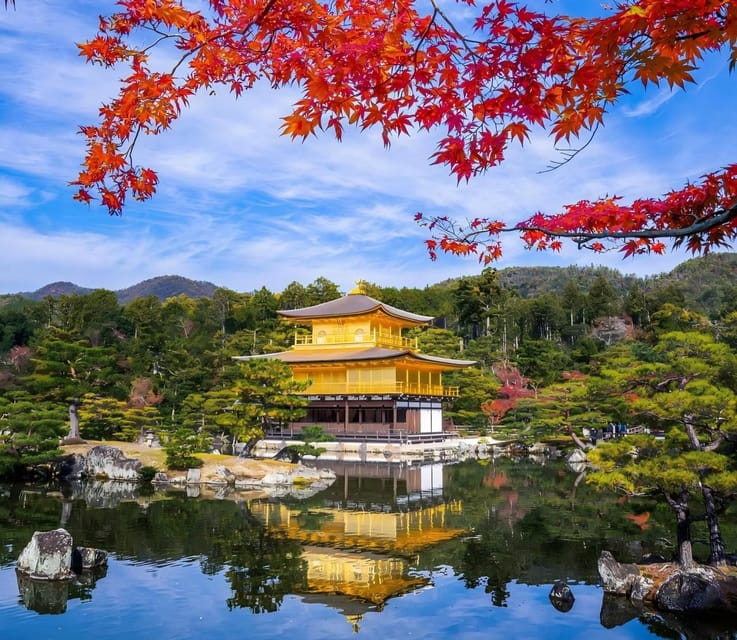
Kinkaku-ji, usually called the Golden Pavilion, is a strong opening stop. Its upper levels are covered in gold leaf, and the building reflects across the pond in front of it. The Shariden Hall is the feature most people come to see, and the temple has been a UNESCO World Heritage Site since 1994.
You get about 40 minutes here for photos and a self-guided visit. That is enough to see the famous pavilion, follow the viewing path, and take pictures, but not enough for a slow inspection of every corner of the grounds. I would keep your camera ready and avoid spending too long at the first viewpoint.
This stop is highly visual, but it is not the place for a quiet, private encounter with old Japan. The pavilion is one of Kyoto’s most photographed sights, so expect other people around the pond. The short visit works well for a first-time introduction, though anyone wanting extensive temple time may find it brisk.
Admission to Kinkaku-ji is not included. Set aside extra cash for this and the other temple entries, since the advertised tour price covers transport and the guide rather than every ticket.
Kiyomizu-dera and the view from its wooden stage
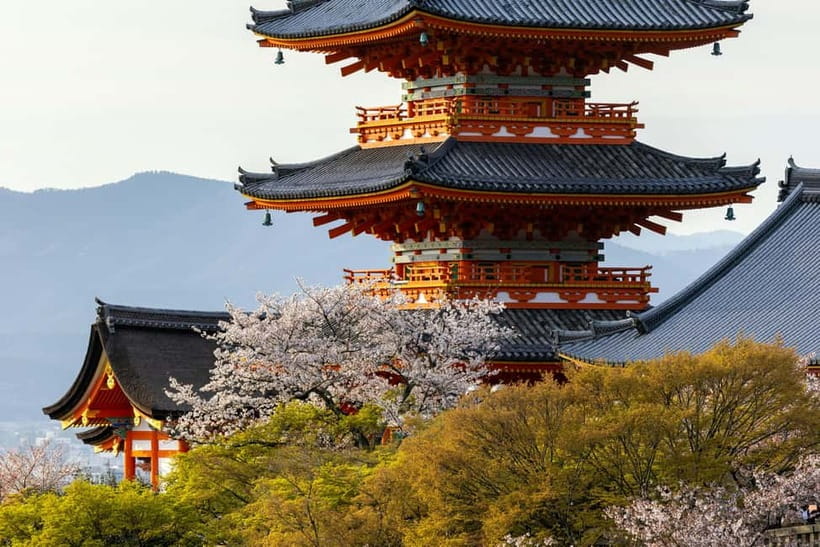
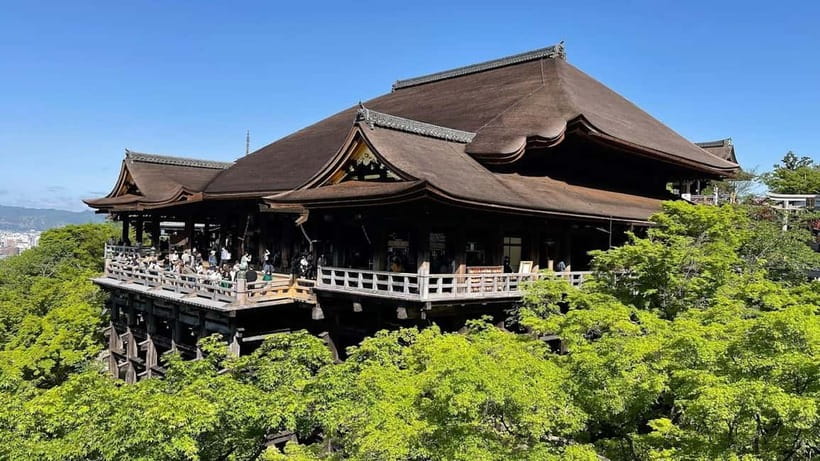
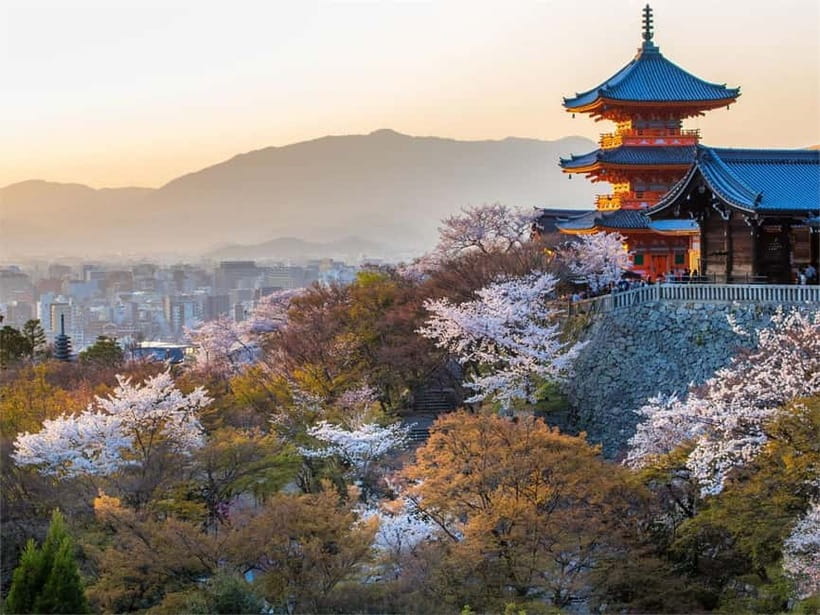
The tour then crosses to Kiyomizu-dera, one of Kyoto’s oldest temples and another UNESCO site. Its best-known feature is the Kiyomizu Stage, a large wooden platform that looks across the city and surrounding hills. The view gives you a sense of Kyoto’s size and helps explain why this temple remains such a popular stop.
You have about two hours and 40 minutes in this area, far more time than at Kinkaku-ji. That longer window matters because the temple grounds, approach streets, and nearby shrines all take time. You can visit the main temple, take photographs, explore at your own pace, and stop for a snack.
The walking here is moderate but not flat and effortless. Wear shoes with good support, especially since Ninenzaka and the approach to Kiyomizu-dera include sloping and sometimes crowded streets. The tour is not suitable for wheelchair users or people with mobility impairments, and it is a poor fit if back problems make extended walking difficult.
Kiyomizu-dera admission is extra. You also pay for your own food and drinks. The longer stop gives you freedom, but it means you must manage your own time. Do not get so comfortable browsing that you miss the meeting instructions from your guide.
Ninenzaka, tea shops, and the crowded middle of the day
Ninenzaka is one of the most appealing walks on the route and one of the easiest places to lose time. This traditional path leads toward Kiyomizu-dera and is lined with shops, sweets, souvenirs, and drinks. Matcha ice cream and coffee from MASUDA Tea Shop are among the local tastes highlighted for the walk.
I like this part because it connects the temple visit with everyday Kyoto shopping. Instead of viewing a shrine or temple in isolation, you get a sense of how the old streets function as a place for food, small purchases, and strolling.
You should also set your expectations. The lane can be extremely crowded, and one piece of feedback found the stop too touristy, with a narrow street full of expensive souvenirs that seemed cheaply made. That is fair criticism. Ninenzaka is photogenic, but it is not a quiet slice of untouched Kyoto.
My advice is to choose carefully. Look for a snack or tea that interests you, enjoy the architecture, and do not feel obliged to buy from every shop. If your main goal is local shopping at low prices, this is not the strongest stop. If you want atmosphere, easy photographs, and a classic Kyoto street, it earns its place.
More history tours in Osaka:
- Osaka: Castle History Walking Tour / Castle Tower Admission
★ 4.9 · 230 reviews - Osaka: Osaka Castle & Historical Museum Guided Tour
★ 4.8 · 28 reviews - Osaka Castle & Samurai History Walking Tour
★ 5.0 · 22 reviews - Osaka: Kyoto & Nara & Uji Historical and Scenic One-Day Tour
★ 4.7 · 21 reviews
Yasaka Koshindo and its colorful prayer balls
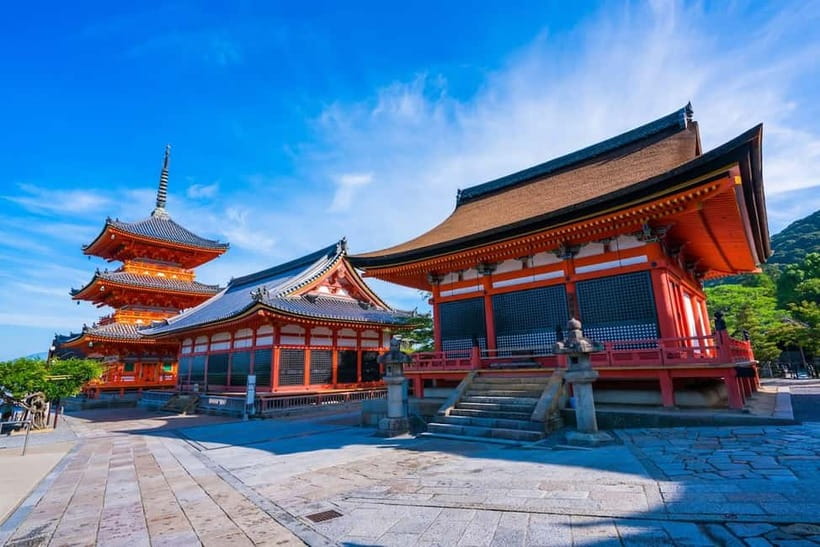
Yasaka Koshindo is a short but distinctive stop near the Kiyomizu area. The temple is known for its many colorful balls, called kukurizaru, hanging around the grounds. Their bright colors create a sharp contrast with the surrounding traditional streets.
The site has become popular online and has appeared as a backdrop associated with Detective Conan. That modern connection makes it a quick, entertaining photo stop, while the religious setting gives it more substance than a simple picture wall.
Your visit is self-guided, so listen for the meeting time and keep this stop moving. It is not presented as a long temple tour. Think of it as a compact look at a living religious place with a very recognizable visual style.
Uji River, Uji Shrine, and the taste of matcha
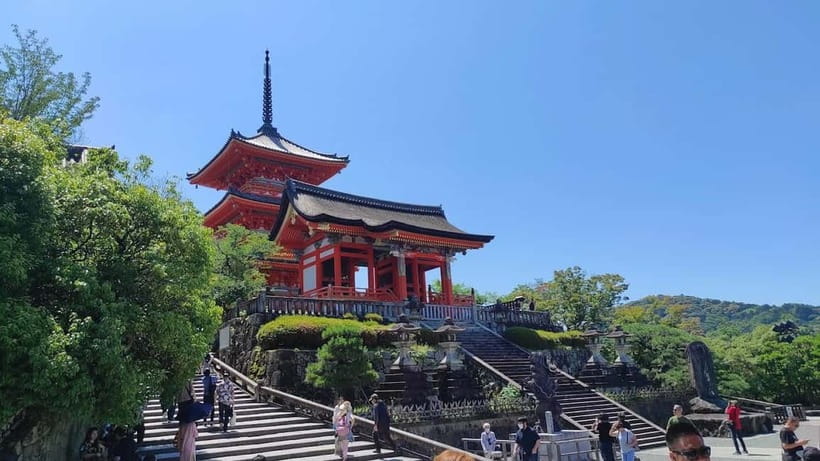
After Kyoto, the route heads to Uji for about 100 minutes. Uji is known as a birthplace of matcha, and tea is part of the character of the town. You will find tea shops and matcha treats along the route, making this a good point in the day to try something different from Kyoto’s standard snack streets.
The Uji River gives this portion a calmer change of pace. You can walk beside the water, look across the historic bridge, and take photographs before continuing to the shrine and temple area. The river walk is not just filler between major monuments. It helps you notice the town’s setting and gives your eyes a break after crowded Kyoto streets.
Uji Shrine is also included as a visit. The schedule describes this as a self-guided stop, so you should not expect an extended formal ceremony or a long guided lecture. Instead, you have a chance to look around, take in the setting, and connect the town’s religious sites with its tea culture.
The 100-minute window is useful but limited. You can see the key areas, sample a tea-flavored treat, and make photographs, but you may need to choose between browsing, eating, and lingering by the river. If Uji is your main interest, you would likely want a separate, slower visit. As part of a one-day route, it gives you a worthwhile taste.
Byodo-in and the ten-yen coin connection
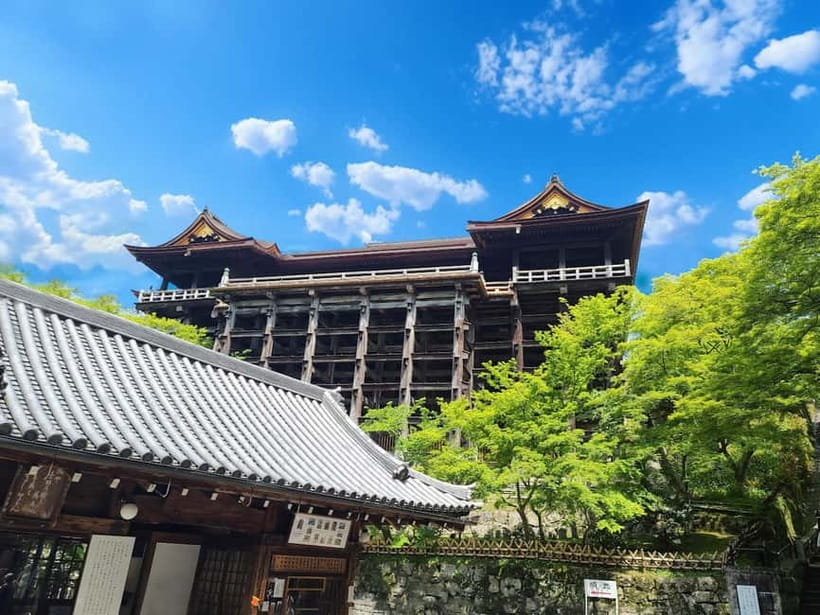
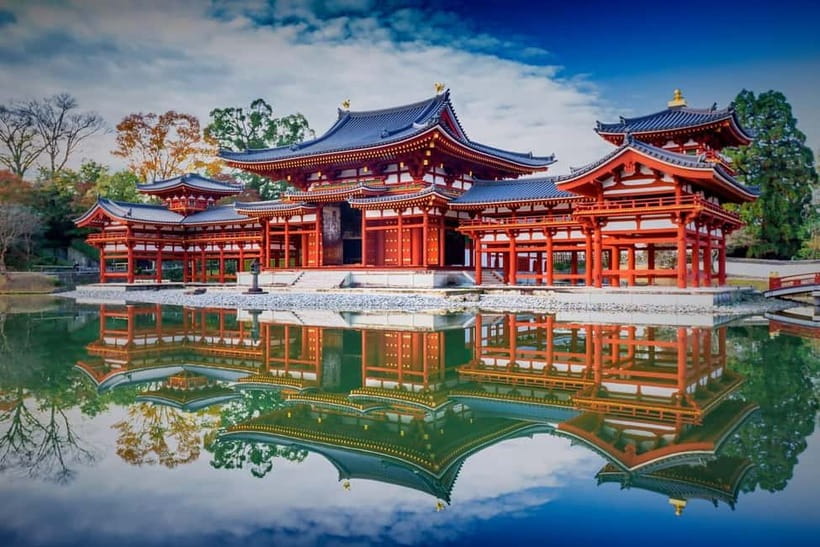
Byodo-in is the final major sight and one of the tour’s best details. Its Phoenix Hall is pictured on Japan’s ten-yen coin, so you may already have seen the building many times without realizing it. The real structure gives that familiar coin image scale and context.
The temple is a UNESCO World Heritage site, and its position beside the water makes it especially pleasing to photograph. You can compare the graceful hall with the small printed image on the coin, then walk through the surrounding grounds.
Byodo-in Omotesando, the approach street, is lined with local foods and tea products. This is another chance to try Uji matcha or pick up a small edible souvenir. As with Ninenzaka, prices may vary, so I would browse before buying.
Admission to Byodo-in is not included. The extra cost is worth factoring into your budget, especially because Kinkaku-ji and Kiyomizu-dera also charge separately. The tour’s low base price is attractive, but the final cost will be higher once you add temple tickets, lunch, drinks, and snacks.
What the guide and vehicle add
An English-speaking guide accompanies the group, and transport is by an air-conditioned vehicle. That matters most on a long day with several widely separated stops. You avoid working out each connection and can use the drive to rest between walks.
Amy is specifically praised for offering lots of historical information and recommendations, giving people options based on their interests, and helping in more than one language. You should not assume every departure has Amy, but her feedback gives you a useful picture of the kind of guidance available. Another rating described the organization as good and the guide as friendly and professional.
The experience is not built around constant guided commentary at every monument. Much of the sightseeing is self-guided. That gives you freedom, but you need to pay attention to meeting times, follow the instructions, and be comfortable exploring without a guide beside you at every turn.
Private group availability is useful if you prefer a more personal setup. The standard price is listed per person, and the exact group arrangement depends on the option you select. If you book a private group, check how that changes the cost and pickup details.
Is $54 good value for a full day?
At $54 per person, this is a strong transport value. You receive round-trip transfers from the selected meeting point, an English-speaking guide, an air-conditioned vehicle, parking, tolls, fuel, environmental fees, and taxes. Reaching all these areas independently would take planning and separate transport fares.
The price looks less complete once you remember that meals, drinks, personal purchases, and admission to Kinkaku-ji, Kiyomizu-dera, and Byodo-in are not covered. Even so, the transport alone helps justify the fare, particularly if you are staying in Osaka and want Kyoto and Uji in one day.
I would call it a budget-friendly introduction rather than a fully inclusive sightseeing package. You pay for access to the route and transport, then add your own temple tickets and food. That structure keeps the headline price low and lets you choose how much to spend during the stops.
Who should book this day
I would recommend this tour if you are based in Osaka, want to see the major Kyoto sights quickly, and prefer not to handle several train and bus connections. It is also a good choice for first-time visitors who want a broad sample of temples, old streets, tea culture, and river scenery.
You should be comfortable with a full 10-hour day and moderate walking. Comfortable clothes and shoes are essential. Pregnant people, those aged 70 or above, and people with back or mobility issues should pay close attention to the stated restrictions and waiver requirements. Wheelchair users cannot join this activity.
Families with strollers or large luggage need to declare that when booking. Smoking is not allowed. Weather and traffic can change the plan, so keep important evening arrangements flexible.
You can cancel up to 24 hours before departure for a full refund, and the reserve-now, pay-later option makes planning easier if your schedule is not settled. These policies are helpful, but they do not remove the need to confirm the meeting place and arrive early.
Should you book it?
Book this tour if your priority is coverage and convenience. In one long day, you see Kinkaku-ji, Kiyomizu-dera, Ninenzaka, Yasaka Koshindo, Uji, Uji Shrine, and Byodo-in, with transport from Osaka or Kyoto handled for you.
Skip it if you want slow temple visits, quiet streets, or much time for independent shopping. Ninenzaka may feel too commercial and crowded, and the schedule leaves little room for wandering off route. For a first visit, though, the combination of famous sights, Uji tea culture, and flexible return makes $54 a sensible way to get oriented.
FAQ
Where does the tour depart from?
The tour departs at 8:00 AM from Osaka or 9:00 AM from Kyoto, depending on the option you book. The exact meeting point varies, so check your selected option and arrive 15 minutes early.
Can I finish the tour in Kyoto instead of Osaka?
Yes. Depending on your selected option, you can disembark in either Kyoto or Osaka at the end of the day.
How long does the experience last?
The tour lasts about 10 hours. Traffic and weather may affect the schedule.
Is temple admission included?
No. Admission to Kinkaku-ji, Kiyomizu-dera, and Byodo-in is not included. Meals, drinks, and personal expenses are also separate.
Is an English-speaking guide provided?
Yes. The tour includes a professional English-speaking guide. Amy is specifically named in feedback as a multilingual guide, though the guide for your departure may differ.
How much walking is involved?
Expect a moderate amount of walking at temples, along Ninenzaka, beside the Uji River, and around Uji’s historic sites. Comfortable shoes are recommended.
Can I bring a stroller or large luggage?
You must indicate when booking if you plan to bring a stroller or large luggage. The meeting place cannot be changed on the day of the tour.
Is the tour suitable for wheelchair users or people with mobility problems?
No. The activity is listed as unsuitable for wheelchair users and people with mobility impairments. It is also not recommended for people with back problems or pregnant women.
Just added in Osaka
- Urban Canvas: Osaka Street Art Bike Tour★ 5.0 · 10 reviews
- Anime Cosplay Photshoot-50 Digital Photos Provided★ 5.0 · 8 reviews
- TeamLab Botanical Garden Osaka Ticket★ 3.5 · 6 reviews
- Umeda Sky Building & Kuchu Teien Observatory Ticket in Osaka★ 4.5 · 3 reviews
- Immerse in Judo Martial Arts Class from Japan★ 5.0 · 4 reviews
- Cherry Blossom Buddha and Mt.Yoshino with Strawberry Picking Tour★ 4.5 · 5 reviews
- Traditional Home cooking Experience in Osaka, Japan★ 5.0 · 14 reviews
- Traditional Calligraphy Experience near Dotonbori★ 5.0 · 3 reviews
Kyoto Day Trips from Osaka, compared.
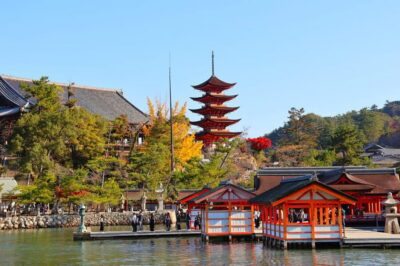
Hiroshima Miyajima Bus Tour & Shinkansen Ticket
Read our review →
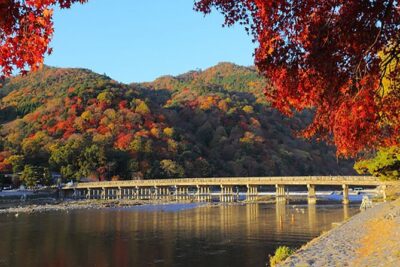
Ancient Capital Tour: Kyoto and Nara Highlights from Kyoto/Osaka
Read our review →
Full Day Tour of Kyoto with Private Transportation
Read our review →
Kyoto & Nara Private customized tour with English speaking Guide
Read our review →Browse the lists this tour appears in