
Reviewed · OSAKA WALKING TOURS
Osaka: Deep Backstreets Walking Tour with Dinner Option
Osaka’s polished tourist face fades quickly on this three-hour backstreet walk, which leads into old markets, strange entertainment spots, abandoned properties, and a preserved red light district. The tour tackles subjects most sightseeing routes avoid, including organized crime, sex work, illegal gambling, homelessness, sexism, and the treatment of minorities.
I like the honest storytelling and the two food stops, which give the walk a local taste instead of making it only a history lesson. I also like the guides’ relaxed style. Knox, Rudy, Maria, Taka, Tim, Brian, and others have been praised for humor, patience, and personal insight into life in Osaka. The drawback is clear: this is not a gentle family outing. Some areas and subjects may feel uncomfortable, and late arrivals cannot join once the group enters the winding lanes.
Key points before you book
- Three hours in lesser-seen Osaka: The route avoids the usual sightseeing circuit and focuses on overlooked neighborhoods.
- Two local side dishes included: You stop at two back-alley stalls, while drinks cost extra.
- A preserved Taisho-Era red light district: You can walk through this unusual historic area or take a separate route.
- Candid social history: Expect discussion of yakuza, pachinko, sex work, war, welfare, homelessness, and discrimination.
- Optional dinner after the walk: Add a full meal at a traditional restaurant, with dishes such as fried chicken, beef soup, pasta, and dessert reported on different evenings.
- Best for mature, curious walkers: Children under 16, pregnant women, and people with mobility impairments should not book.
Why this Osaka walking tour feels different
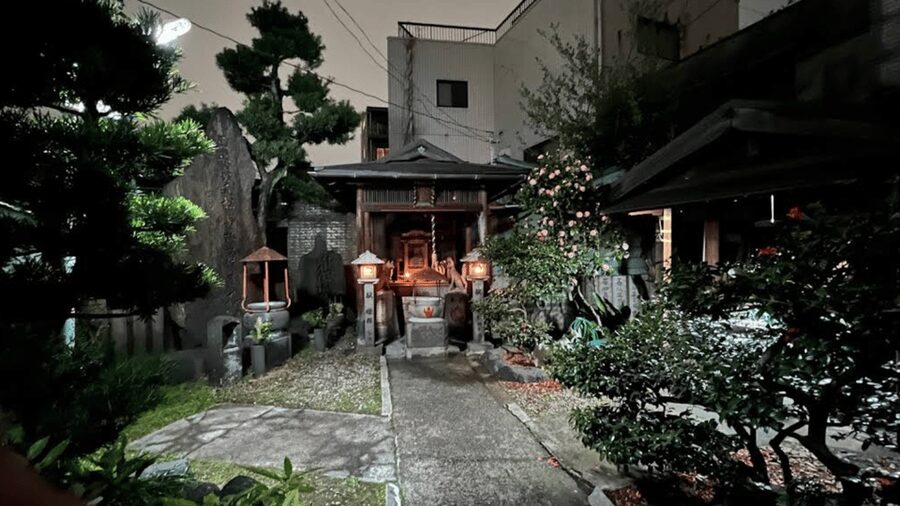
Many Osaka tours stay close to bright signs, famous food streets, and well-known temples. This one asks you to look at the city from another angle. You walk through areas that are not arranged for visitors, and the guide explains how old neighborhoods, informal businesses, entertainment districts, and social problems fit into the wider city.
That makes the tour useful for a first-time visitor who wants more than photographs. It also suits anyone who has already seen Dotonbori, Osaka Castle, and the main shopping streets. I would not choose it as my only introduction to Osaka, but I would gladly add it after seeing the city’s familiar face.
The tone matters. The subject matter can be serious, yet guides such as Knox and Rudy are often described as funny, warm, and easy to talk with. The better guides do not treat poverty or sex work as a cheap sideshow. They explain the setting, answer awkward questions, and leave room for the group to think.
You should still know what you are signing up for. The tour shows the good, the bad, and the gray areas between them. It does not try to make Japan look flawless.
More walking tours in Osaka:
- Osaka Local Foodie Walking Tour in Dotonbori and Shinsekai
★ 5.0 · 985 reviews - Ultimate Osaka Walking Tour: Castle, Dotonbori & Hidden Gems
★ 5.0 · 862 reviews - Osaka: Main Sights and Hidden Spots Guided Walking Tour
★ 4.9 · 702 reviews
Retro Osaka starts with everyday entertainment
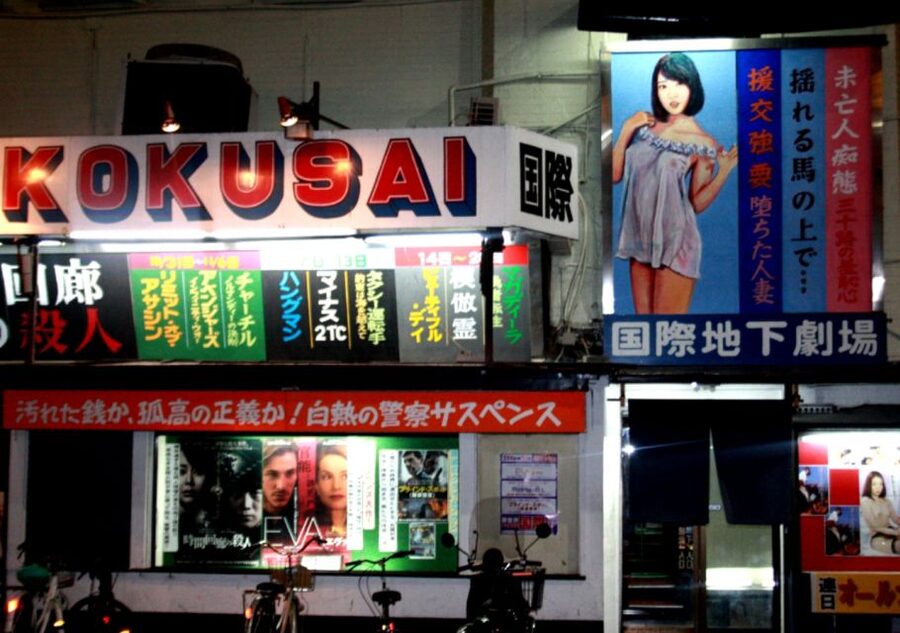
The opening section gives you a feel for an older Osaka. You may see retro video game parlors, old-fashioned markets, and entertainment venues that are difficult to spot if you are simply following a map between major attractions.
The tour also looks at distinctly Japanese forms of leisure, including unusual fishing restaurants and an Osakan theater. These stops help explain how locals spend an evening, rather than simply pointing out buildings with historical labels. You get a sense of a city that entertains itself in its own particular ways.
This portion is likely the easiest part of the tour for most people. It offers color, humor, and small details before the discussion turns toward harder topics. If you like architecture, old signs, local businesses, and places that still feel functional rather than preserved for display, you should enjoy this beginning.
The route and exact meeting point can vary by booking option. Check your confirmation carefully, and give yourself extra time to arrive. In Japan, punctuality is not a minor courtesy here. If you miss the start, the guide cannot simply wait at the next landmark because the group moves into winding alleys.
Back alleys, small stalls, and two local bites
The middle section leads through narrow backstreets with plenty of atmosphere. These lanes are part of the experience because they show Osaka at close range: old buildings, small businesses, odd corners, and a sense of daily life that disappears on the main roads.
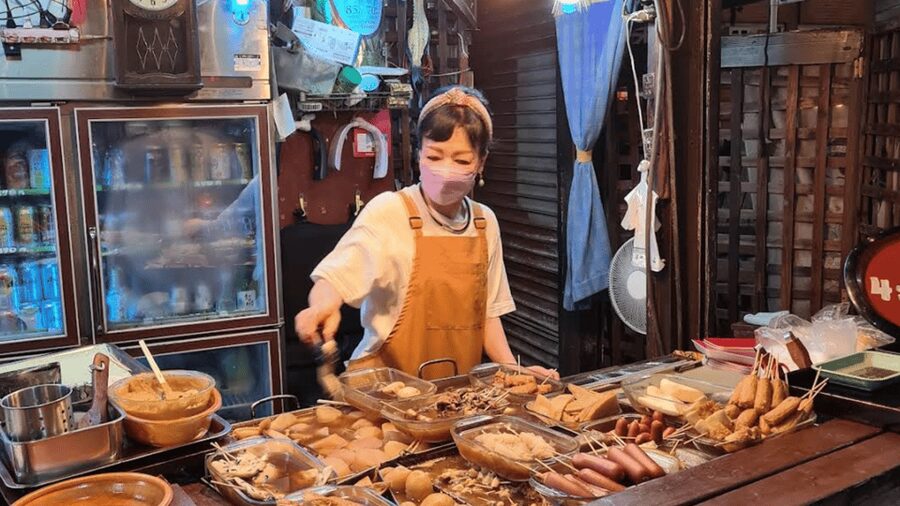
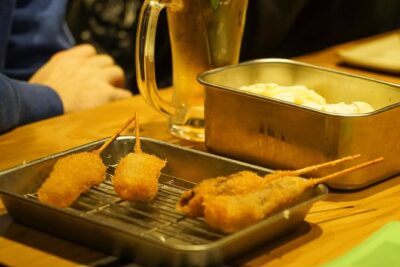
You receive two side dishes from two different stalls. The food is not presented as a formal tasting menu. It is more casual and immediate, which fits the setting. You might find fried chicken or another local snack, and one evening included a drink and a small quiz-style activity, but the exact food can vary.
Drinks are not included as a standard part of the tour, so budget for them separately. The snack stops are modest, yet they add real value. You are not walking for three hours while listening to a lecture. You pause, eat, and talk, which makes it easier to ask questions and understand the neighborhood around you.
I would wear comfortable shoes with good grip. High heels are not allowed, and they would be a poor choice on uneven streets and narrow lanes anyway. The pace has been described as easygoing rather than punishing, but this remains a walking tour, not a seated city talk.
The abandoned properties reveal a forgotten Osaka
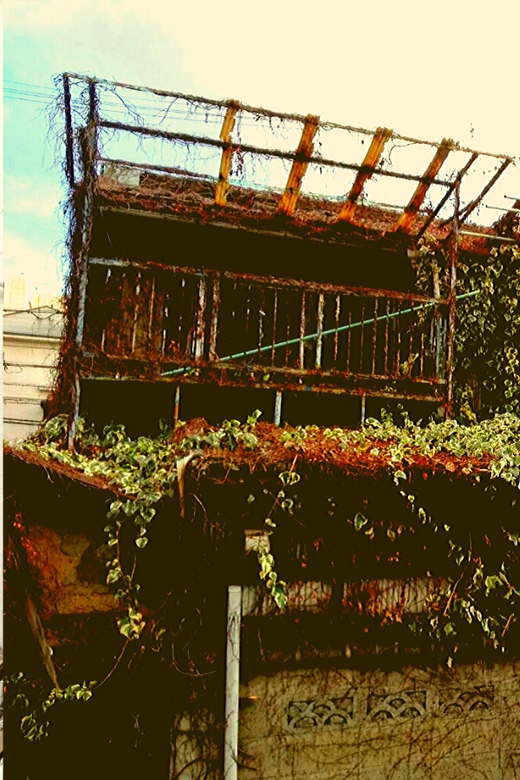
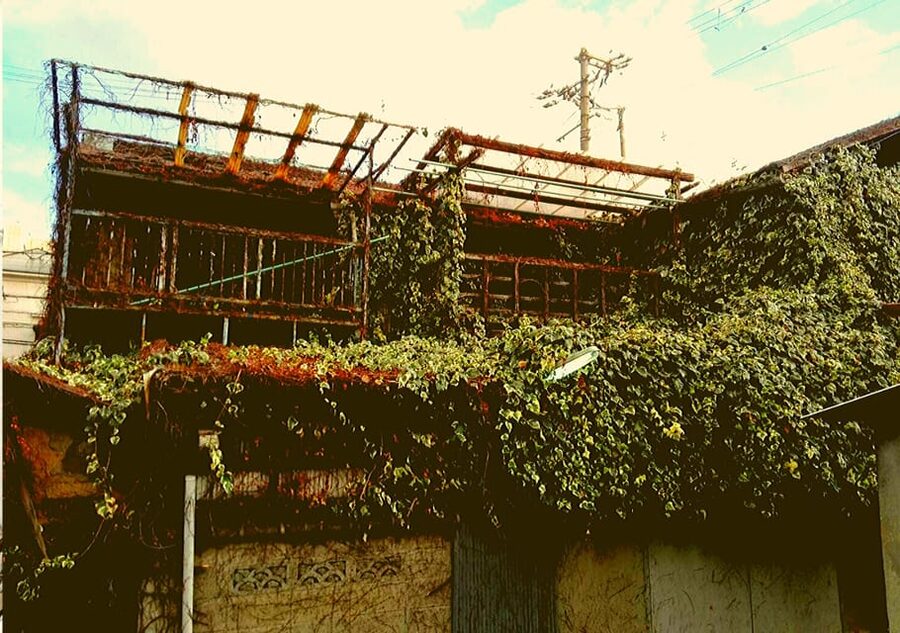
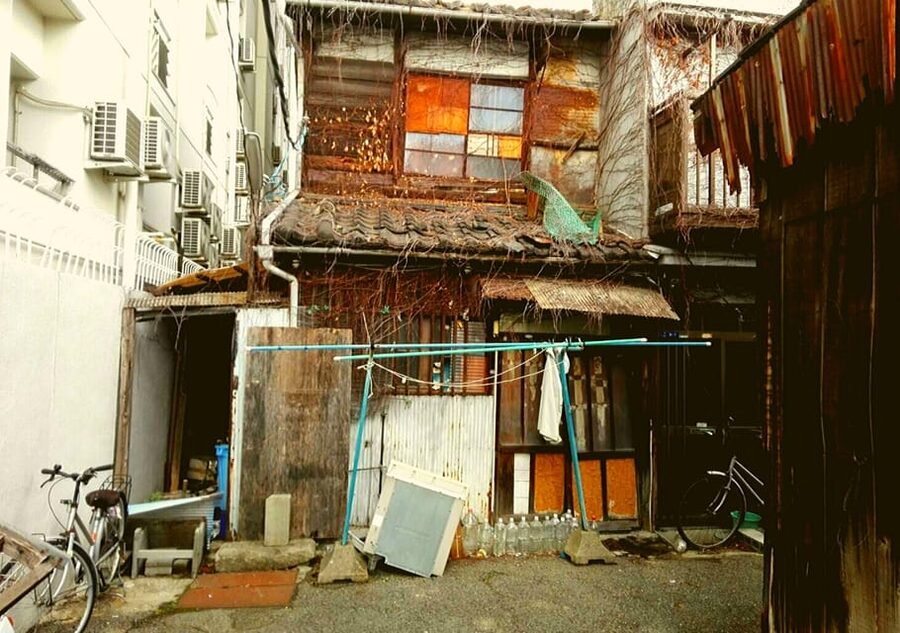
One of the most unusual sections takes you near abandoned properties. The area can feel surreal because it sits within a major city yet appears partly left behind. The guide explains the district’s controversial past and the forces that shaped it.
You should not expect an open-air museum or a tidy collection of ruins. The interest lies in the contrast between modern Osaka and buildings that no longer serve their old purpose. The guide’s explanation is essential here. Without context, you might see only empty structures. With context, the area becomes a lesson in changing neighborhoods, economic hardship, and the people who have been pushed out of the city’s brighter picture.
This is also where the tour’s respectful tone matters most. You may pass people experiencing homelessness or hardship, but the route does not go through the homeless district. Guides are expected to treat local people with respect, and you should do the same. Do not photograph people without permission, and do not treat private or derelict buildings as props.
For me, this section is one of the strongest reasons to book. Osaka is often sold through food, comedy, neon, and friendly noise. Those things are real, but they are not the whole city. The abandoned properties make the tour more thoughtful than a simple night walk.
More dinner and dining experiences in Osaka:
- Deep Backstreet Osaka Tours (Option to add Dinner)
★ 5.0 · 1,290 reviews - Osaka Umeda: PICCADILLY DINNER SHOW & NIGHTCLUB with Tasting
★ 4.8 · 49 reviews - Osaka: PICCADILLY PREMIUM DINNER SHOW&NIGHTCLUB with Tasting
★ 5.0 · 26 reviews - Eat Our Favorites! Osaka’s Backstreet Dining
★ 4.9 · 19 reviews
The Taisho-Era red light district
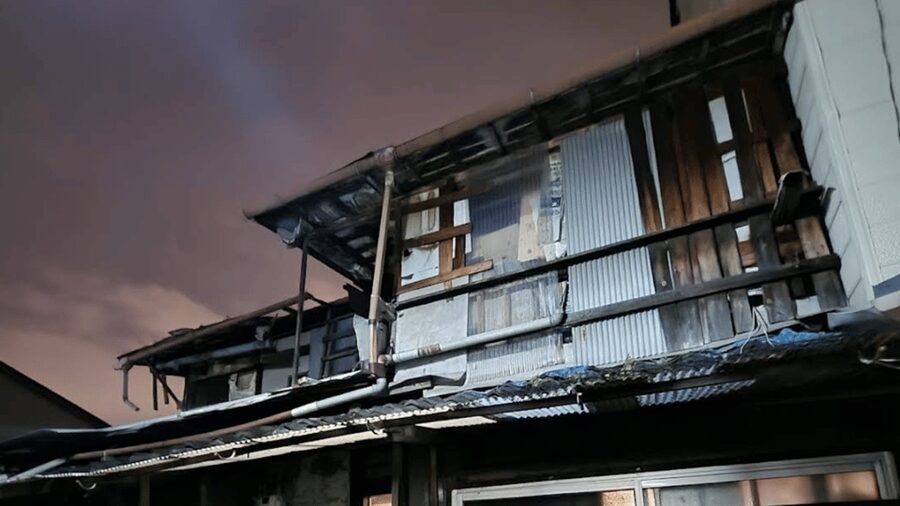
The route then reaches a traditional red light district that has remained remarkably preserved from the Taisho period. The buildings are important to Osaka’s culture and are described as UNESCO-listed, making this more than a quick look at nightlife.
You have a choice at this point. You can walk through the red light district, or you can take a separate path and skip it. That choice is useful because not everyone will be comfortable with the setting or the discussion. If you do continue, expect the guide to explain how the district operated, how its businesses were organized, and how Japanese society has treated people connected to these areas.
The architecture is a major draw. The preserved streets and buildings offer a rare look at an older urban district, but the setting is not a theme park. It has a living social history, and some of that history involves exploitation, gender inequality, sex work, and changing attitudes toward women and minorities.
This is not a suitable section for children, and the minimum age for the tour is 16. Adults who want only cheerful sightseeing should choose another activity. If you are willing to discuss uncomfortable subjects without turning them into jokes, the stop can be one of the most memorable parts of the evening.
Serious topics, handled with a human voice
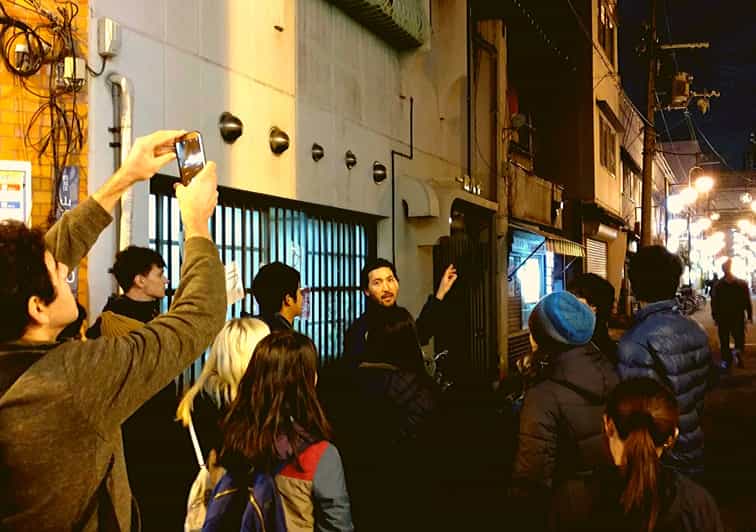
The tour covers subjects that rarely appear in standard Osaka itineraries. These include the yakuza, illegal gambling, pachinko, illicit businesses, war, homelessness, welfare, sexism, and sex work. The guide also discusses taboo topics that help explain how different parts of Japanese society operate.
A good guide makes the difference. Past guides have included Knox, Rudy, Maria, Taka, Tim, Brian, Bennett, Joseph, Tommy, and Rutti. The exact guide is not guaranteed, but the recurring strengths are clear: strong English, humor, local experience, and a willingness to answer direct questions.
Some guides bring personal experience of living in Osaka into the discussion. That can make the tour feel more like a conversation than a scripted performance. You may hear stories that are difficult to verify as hard fact, so keep your judgment switched on. The most useful moments are not always the most dramatic anecdotes. They are the explanations that connect an alley, a business, or a building to a larger social pattern.
The tour works best when you arrive curious rather than determined to confirm a view of Japan. You may hear things that challenge the spotless image many visitors bring with them. The goal is not to condemn the country or romanticize its rougher districts. It is to give you a fuller picture.
Adding the traditional dinner
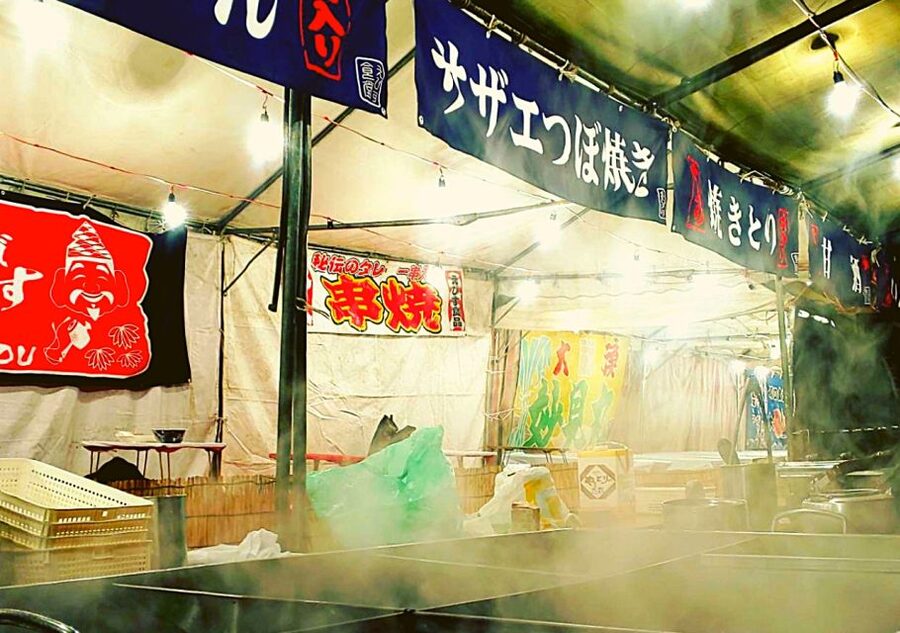
After the walking portion, you can choose a full dinner at a traditional restaurant. The meal is separate from the basic tour option, so check the price when booking. Drinks are not included.
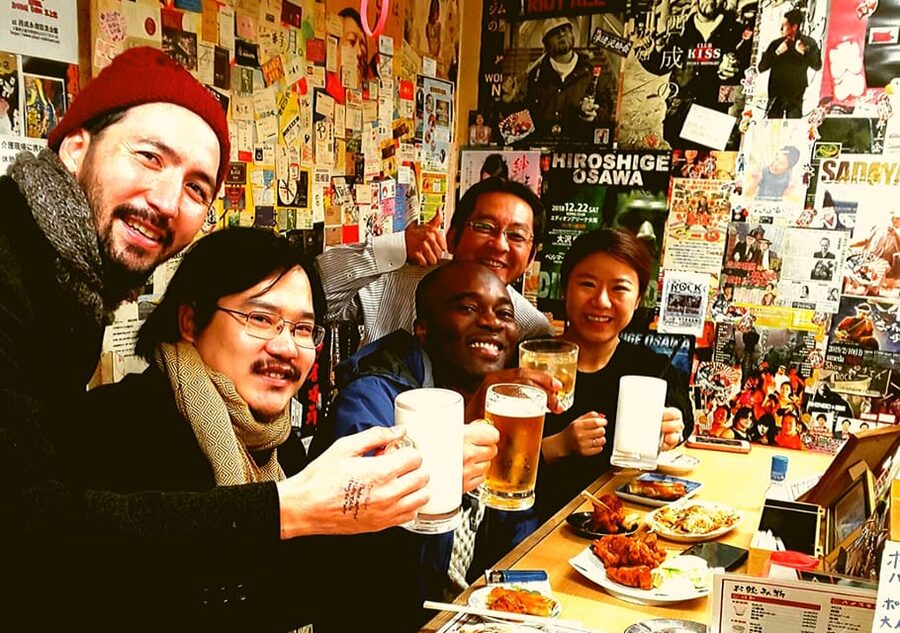
The dinner can be a good choice if you want the evening to end socially. Several meals have included a mix of Japanese dishes, fried chicken, beef soup, pasta, and dessert. The exact menu may change, but the point is to sit down with the guide and fellow participants after the walking route.
I see the dinner as a value choice rather than an essential part of the tour. If you enjoy meeting other people and want a relaxed finish, it is worth considering. If you prefer to choose your own restaurant or need to leave immediately after the walk, skip it. The tour itself remains the main experience.
Dinner also extends the evening beyond sightseeing. After several hours of serious discussion and narrow streets, a shared meal gives you time to ask follow-up questions and compare impressions. It can turn a good walking tour into a fuller night out.
Is $40 a fair price?
At $40 per person, the basic tour is reasonably priced for three hours with a professional English-speaking guide and two included side dishes. You are paying for access and explanation, not for expensive attractions. The abandoned properties, back alleys, and red light district are not places where an admission ticket creates the value. The guide does.
That makes the guide’s skill especially important. A dull guide could reduce the walk to a string of edgy claims. A strong guide, such as the highly praised Knox, Rudy, Joseph, or Maria, can add context, keep the group comfortable, and handle difficult questions with care.
The optional dinner raises the total cost, and you should compare it with what you would spend on an independent meal. It may be worthwhile if you want a traditional restaurant and more conversation. Drinks remain extra.
The free cancellation policy allows cancellation up to 24 hours before the tour for a full refund, and the reserve-now, pay-later option helps if your Osaka schedule is still changing. The meeting point varies, so confirm it rather than assuming the tour begins at a famous station or landmark.
Who should book this Osaka backstreet walk?
I would recommend it to adults who have already seen some of Osaka’s standard sights and want social history, local food, and unusual neighborhoods. It is especially good for solo visitors, since the route would be difficult to reproduce alone and the group setting makes the evening more sociable.
It also suits couples and friends who enjoy candid conversation. The easygoing pace means you do not need to be a serious hiker, though you should be comfortable walking for three hours.
I would not book it for young children, anyone wanting a polished sightseeing route, or anyone who is uncomfortable around discussions of sex work, poverty, organized crime, and discrimination. Pregnant women and people with mobility impairments are listed as unsuitable. The activity is marked wheelchair accessible, but that conflicts with the mobility restriction, so ask the provider about the exact route and conditions before paying.
Should you book it?
Book this tour if you want Osaka with the filters removed. You will see retro entertainment, narrow lanes, abandoned properties, a historic red light district, and ordinary food stalls, while an English-speaking guide explains the difficult stories behind them.
Skip it if you want only bright streets, famous landmarks, and light conversation. For the right person, the $40 price buys something hard to find on your own: a more honest understanding of how Osaka works, delivered with food, humor, and a good deal of human warmth.
FAQ
How long does the Osaka Deep Backstreets Walking Tour last?
The tour lasts three hours, or 210 minutes.
What language is the tour conducted in?
The tour is conducted in English with a live guide.
What food is included?
You visit two stalls and receive two side dishes. Drinks are not included. A full dinner is available only when you select the dinner option.
Can I skip the red light district?
Yes. The tour offers a separate path for anyone who does not want to walk through the Taisho-Era red light district.
Is dinner included in the $40 price?
Dinner is included only if you select the dinner option. Check the booking choice for the applicable total price. Drinks are not included.
What should I wear?
Wear comfortable shoes. High-heeled shoes are not allowed.
Who should not take this tour?
The activity is not suitable for children under 16, pregnant women, or people with mobility impairments. The tour also covers mature and sensitive subjects, so it is best for adults comfortable with frank discussions.
Just added in Osaka
- Urban Canvas: Osaka Street Art Bike Tour★ 5.0 · 10 reviews
- Anime Cosplay Photshoot-50 Digital Photos Provided★ 5.0 · 8 reviews
- TeamLab Botanical Garden Osaka Ticket★ 3.5 · 6 reviews
- Umeda Sky Building & Kuchu Teien Observatory Ticket in Osaka★ 4.5 · 3 reviews
- Immerse in Judo Martial Arts Class from Japan★ 5.0 · 4 reviews
- Cherry Blossom Buddha and Mt.Yoshino with Strawberry Picking Tour★ 4.5 · 5 reviews
- Traditional Home cooking Experience in Osaka, Japan★ 5.0 · 14 reviews
- Traditional Calligraphy Experience near Dotonbori★ 5.0 · 3 reviews
Osaka Walking Tours, compared.
Osaka Local Foodie Walking Tour in Dotonbori and Shinsekai
Read our review →
Ultimate Osaka Walking Tour: Castle, Dotonbori & Hidden Gems
Read our review →
Main Sights and Hidden Spots Guided Walking Tour
Read our review →
Private Osaka Walking Tour: Highlights & Hidden Gems
Read our review →
Osaka Castle Walking Tour and Castle Tower Admission
Read our review →
Kuromon Market Food Walking Tour in Osaka (6 stops, 6 tastes)
Read our review →
Five Must-See Highlights Walking Tour & Ramen Lunch
Read our review →
Browse the lists this tour appears in