Reviewed · SHOW
Traditional Japanese Music show & Experience Tour in Osaka
The best part of this Osaka experience is that you do not just sit and listen. You hear professional musicians perform traditional Japanese music, then get to hold and play the instruments yourself, including the shamisen, koto, and wadaiko. I like the clear two-part format and the chance to ask questions directly after the concert.
I also like the small group of up to seven people, which should make the hands-on portion more relaxed than a large stage show. The main consideration is the limited schedule: sessions are offered only Wednesday at 11:00 and Friday at 18:30, and at least two people must book for the activity to run.
Key Points
- A 25-minute live concert introduces several traditional Japanese instruments in a compact setting.
- A 25-minute hands-on session lets you try instruments such as the shamisen, koto, and wadaiko.
- The group is limited to seven people, giving you room to ask questions and take part.
- The final 10 minutes are for photos with the instruments and performers.
- Concert content changes by day, so the exact musical program is not fixed.
- The meeting point is in Shinsaibashi, with the activity ending at the same location.
A Short Japanese Music Experience in Osaka
This is a good choice if you want a cultural activity that fits neatly into an Osaka sightseeing day. The total time is about one hour, so you are not giving up half a day to attend. At the same time, the program offers more than a short performance because you get to handle the instruments and try making music yourself.
The setting is at Alpha Shinsaibashi, at 3-chōme-5-27 Minamisenba in Chuo Ward. It is near public transportation, which makes the meeting point practical for a morning or evening plan. You meet there, take part in the concert and instrument session, and finish back at the same place.
The activity is provided by Harmony in Japan Tour. No individual musician names are supplied, but the performance is led by professional musicians. You can ask them questions during the experience, so this is more personal than simply watching a concert from a seat.
More shows and performances in Osaka:
- Osaka: Sumo Show & Experience w/ Optional Kimono & Hot Pot
★ 4.5 · 609 reviews - Osaka: Sumo Stage Show with Bento or Snack + Fight & Photo
★ 4.3 · 364 reviews - Osaka: English Stand Up Comedy Show at Osaka Comedy Club
★ 4.7 · 203 reviews
Hearing the Shamisen, Koto, and Wadaiko
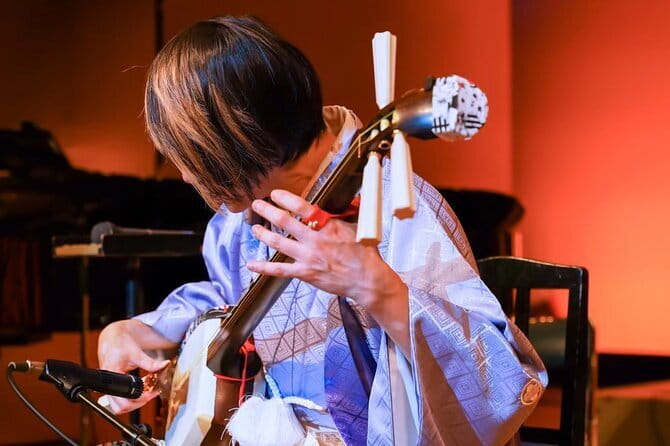
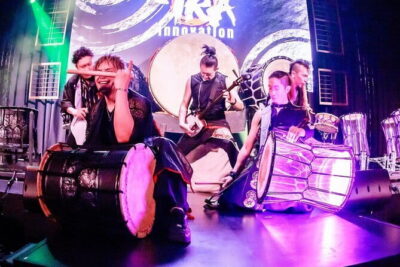
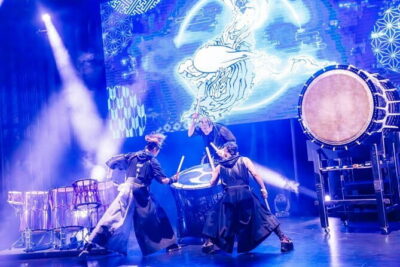
The first 25 minutes are devoted to a live Japanese music concert. The program can include the shamisen, a Japanese lute; the koto, a long stringed instrument often described as a Japanese harp; the wadaiko, a traditional Japanese drum; and other instruments.
That variety matters. Each instrument offers a different sound and playing style, and hearing several of them together gives you a better sense of the range of Japanese music. The shamisen brings a plucked, distinctive tone. The koto gives the performance a string-based sound with a different shape and technique. The wadaiko adds force and rhythm.
The concert content varies depending on the day. That means you should not book expecting a single fixed program with an exact sequence of instruments. Instead, think of it as a compact introduction to hogaku, the broad term used for traditional Japanese music.
I like this approach because it keeps the event from feeling like a museum display. You hear the instruments in use, not just explained in theory. The live sound is also part of the appeal. A photograph of a shamisen or drum tells you very little about its volume, texture, or role in a performance.
The concert lasts 25 minutes, which is long enough to make the music the heart of the experience but short enough for first-time listeners. If you already attend Japanese music concerts, this may feel introductory. If you are new to the subject, the length should make the program approachable.
Playing the Instruments Yourself
After the concert, you spend about 25 minutes trying traditional Japanese musical instruments. This is the part that gives the activity its extra value. You are not only learning what the instruments are called. You get the rare chance to handle them and attempt to play them.
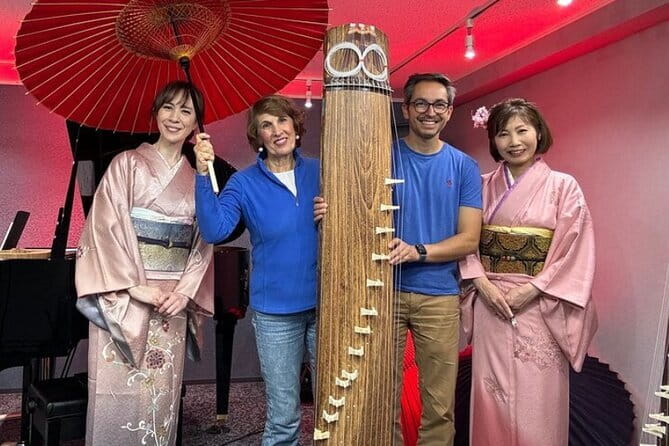
The supplied instruments for the activity are included in the price. The exact hands-on arrangement may vary with the day’s concert content, but the named instruments include shamisen, koto, and wadaiko. You can ask the professional musicians questions while you try them, which should help you understand the basic differences in shape, sound, and technique.
Keep your expectations realistic. Twenty-five minutes is enough for a first try, not enough to master a traditional instrument. That is fine. The aim is contact and curiosity. You may discover that an instrument looks simple but takes careful control to produce a clean sound.
This part should work well for families, couples, solo visitors, and anyone who likes activities that involve doing rather than watching. It is also useful for people who have already seen Japanese instruments in a performance but never had a chance to touch one.
A hands-on session can also make the concert easier to remember. After trying to strike a wadaiko or work with the strings of a shamisen or koto, you will listen differently to the musicians. You gain a small sense of the physical work behind the sound.
Questions, Conversation, and Photos
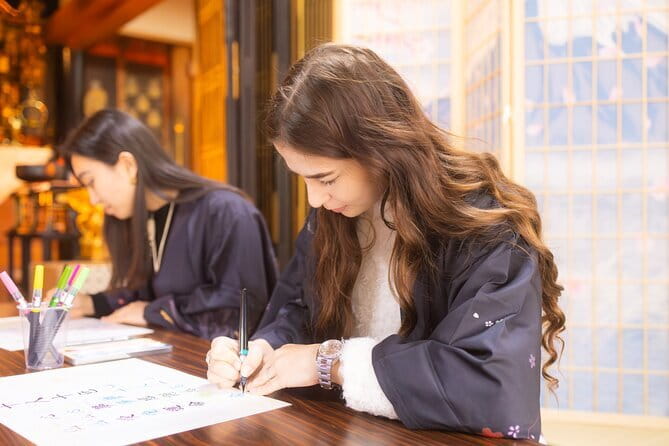
The format allows you to ask the professional musicians as many questions as you like. That is a strong feature for curious visitors because the questions can follow your own interests. You might want to know how an instrument is played, how it is held, or how it fits into traditional music.
The final 10 minutes are set aside for photos with the instruments and performers. This is a useful finish, particularly if you want a souvenir that shows what you actually did rather than only where you went.
The photos are also one reason the small group size matters. With a maximum of seven participants, the picture-taking period should be more manageable than it would be with a large audience. Still, ten minutes passes quickly, so have your camera ready before this portion begins.
One published comment describes the pleasure of hearing the instruments up close and then getting the rare chance to play them. That captures the central appeal of the program: the performance is enjoyable on its own, but the hands-on access is what makes the hour more memorable.
Same city, a completely different kind of afternoon:
- Osaka Go Karting Tour with Funny Costume
★ 5.0 · 2,658 reviews - Osaka Castle: Museum and Tower Entry Ticket
★ 4.5 · 2,380 reviews - Osaka: Shinsekai Food Tour with 13-15 Dishes at 5 Eateries
★ 4.8 · 2,204 reviews - Osaka Food Tour: 13 Dishes at 5 Local Eateries
★ 5.0 · 2,149 reviews
Why the One-Hour Length Works
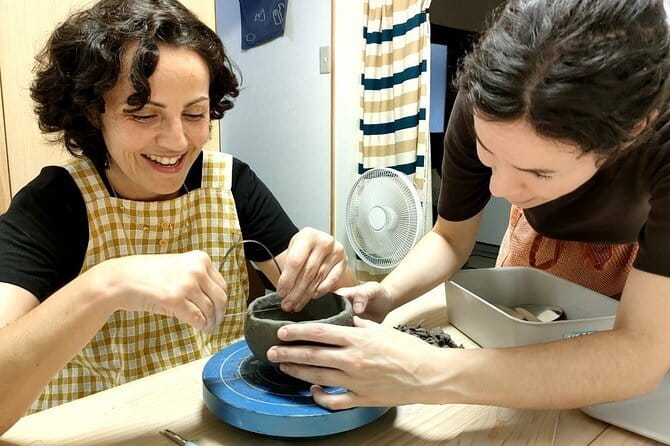
The schedule is divided into 25 minutes of music, 25 minutes of instrument practice, and 10 minutes for photographs. This simple structure makes it easy to know what you are getting for your time and money.
The one-hour length is especially useful in Osaka. You can place the activity before dinner, after shopping in Shinsaibashi, or between other stops without building your entire day around it. The Wednesday session begins at 11:00. The Friday session begins at 18:30, giving you an evening option.
The two time slots also create a clear choice. The Wednesday session suits a daytime itinerary, while Friday evening may work better if you plan to explore Osaka during the day. Since there are only two listed sessions each week, check your schedule before booking rather than assuming you can join any day.
The experience requires at least two participants to operate. If that minimum is not met and the activity is canceled, you are offered another date or experience, or a full refund. That policy reduces the risk of losing your payment, but it can still affect a tightly planned itinerary.
Small Group Size and Atmosphere
The maximum group size is seven. For a music demonstration and hands-on session, that is a useful limit. You should have a better chance to see the instruments clearly, hear the explanations, and take a turn without being lost in a crowd.
Small does not mean private. The activity is not described as a private tour, and other people may join your session. If you want a completely personal lesson, this is not the right format. If you want a shared cultural activity with enough space to participate, the group size is appealing.
The musicians welcome questions, so you should not feel you need to know anything in advance. You do not need a background in Japanese music to get something from the program. The structure starts with listening, then moves to participation, which gives you context before you pick up an instrument.
The 5 out of 5 rating from 25 ratings and the 100 percent recommendation mark point to strong satisfaction with the experience. The most praised feature is specific, not vague: people value hearing the instruments at close range and then being allowed to play them. That is the feature I would use to decide if this is right for you.
Price and What You Receive for $46.12
At $46.12 per person, this is not the cheapest one-hour activity in Osaka. Its value comes from the combination of a live performance, access to professional musicians, hands-on use of traditional instruments, and a small group capped at seven.
The price includes the Japanese musical instrument used during the experience. It does not include private transportation, so you are responsible for reaching the meeting point at Alpha Shinsaibashi.
I consider the price reasonable if you want a focused cultural activity rather than a long sightseeing tour. You are paying for direct access and participation, not transportation or a full day of guiding. If you only want to hear a short concert, you may find the cost harder to justify. If you specifically want to play the instruments and ask questions, the second 25-minute segment makes a meaningful difference.
The program also has a strong fit for visitors who have limited time in Osaka. You do not need to commit to several hours, and the activity finishes at the place where it begins. That makes the cost easier to weigh against the rest of your day.
Who Will Enjoy This Experience Most
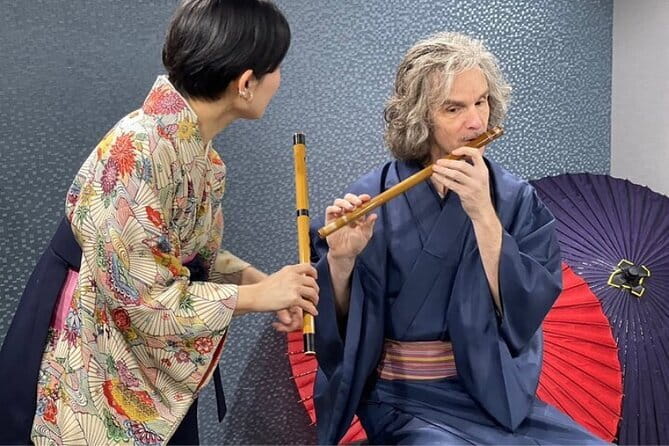
I would recommend this activity to you if you have an interest in Japanese culture but do not want a lecture-heavy program. The music is live, the instruments are available to try, and the musicians can answer your questions.
It should suit:
- First-time visitors who want a direct introduction to traditional Japanese music
- Music lovers who want to hear shamisen, koto, and wadaiko in person
- Families or groups looking for a short activity with a hands-on element
- Solo visitors who enjoy small-group cultural programs
- People staying near Shinsaibashi who want an easy one-hour plan
It may be less suitable if you need a flexible daily schedule, since sessions are listed only on Wednesday and Friday. It may also disappoint you if you expect a full lesson or a long concert. The format is an introduction and experience, not a music course.
The program is also not described as a private event. If privacy is your main concern, contact the provider about special requests before booking. The information provided says you can contact Harmony in Japan Tour with questions or requests, but it does not promise that every request can be met.
Practical Details Before You Book
Confirmation is provided at the time of booking, and the ticket is mobile, so you can keep the booking on your phone. The meeting point is Alpha Shinsaibashi, 3-chōme-5-27 Minamisenba, Chuo Ward, Osaka, 542-0081, Japan.
The activity ends back at the meeting point. That is convenient for planning, since you do not need to arrange a pickup from another part of Osaka. Private transportation is not included, but the location is near public transportation.
Most people can participate, and service animals are allowed. The group can have no more than seven participants. Since the activity includes handling and playing instruments, follow the musicians’ instructions and treat the instruments carefully.
Free cancellation is available if you cancel at least 24 hours before the local start time. Cancellations or changes made within 24 hours are not refunded or accepted. Because the activity needs a minimum of two participants, keep the minimum-number rule in mind when making plans.
Should You Book This Osaka Music Experience?
Book it if you want to hear traditional Japanese music up close and then try it yourself. The concert alone would offer a pleasant introduction, but the chance to play the instruments and ask the musicians questions gives the hour its real purpose.
The best reasons to book are the hands-on format, the small group, the professional performers, and the convenient one-hour schedule. The main reasons to hesitate are the limited Wednesday and Friday availability, the minimum of two participants, and the fact that the activity is introductory rather than a full lesson.
For a visitor comparing several Osaka cultural activities, this is a sensible pick when you value direct participation over sightseeing from a distance. If those priorities fit your trip, $46.12 buys a focused and memorable look at Japanese music.
FAQ
How long does the Traditional Japanese Music show and Experience Tour last?
The activity lasts approximately one hour. It includes a 25-minute concert, 25 minutes of trying traditional instruments, and 10 minutes for photos with the instruments and performers.
What instruments might I hear or play?
The experience can include the shamisen, koto, wadaiko, and other traditional Japanese instruments. The concert content varies depending on the day.
When is the experience offered?
The listed sessions are Wednesday at 11:00 and Friday at 18:30.
Where does the activity meet?
The meeting point is Alpha Shinsaibashi, 3-chōme-5-27 Minamisenba, Chuo Ward, Osaka, 542-0081, Japan.
Where does the activity finish?
The experience ends back at the meeting point.
How many people can join the activity?
The maximum group size is seven participants.
Is there a minimum number of participants?
Yes. At least two participants are required for the activity to operate.
Is transportation included?
No. Private transportation is not included. The meeting point is near public transportation.
Can I cancel for a refund?
Yes, if you cancel at least 24 hours before the experience start time, you can receive a full refund. Cancellations or changes made less than 24 hours before the start time are not accepted, and the amount paid is not refunded.
Just added in Osaka
- Urban Canvas: Osaka Street Art Bike Tour★ 5.0 · 10 reviews
- Anime Cosplay Photshoot-50 Digital Photos Provided★ 5.0 · 8 reviews
- TeamLab Botanical Garden Osaka Ticket★ 3.5 · 6 reviews
- Cherry Blossom Buddha and Mt.Yoshino with Strawberry Picking Tour★ 4.5 · 5 reviews
- Umeda Sky Building & Kuchu Teien Observatory Ticket in Osaka★ 4.5 · 3 reviews
- Immerse in Judo Martial Arts Class from Japan★ 5.0 · 4 reviews
- Traditional Home cooking Experience in Osaka, Japan★ 5.0 · 14 reviews
- Traditional Calligraphy Experience near Dotonbori★ 5.0 · 3 reviews
Show, compared.
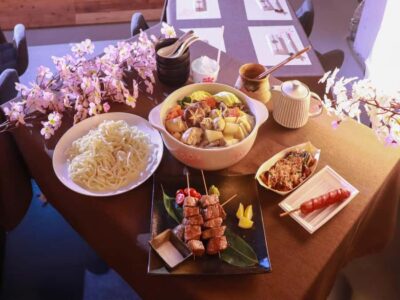
Sumo Show & Experience w/ Optional Kimono & Hot Pot
Read our review →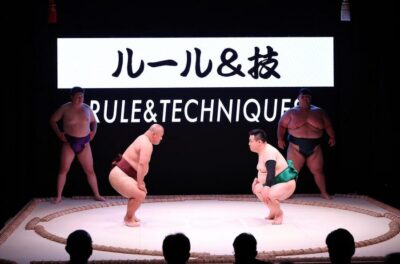
Sumo Stage Show with Bento or Snack + Fight & Photo
Read our review →
English Stand Up Comedy Show at Osaka Comedy Club
Read our review →
Osaka Sumo Experience with Live Show and Audience Challenge
Read our review →
OSAKA NIGHT FUSION Japanese Taiko Kabuki Samurai Dance Show
Read our review →