
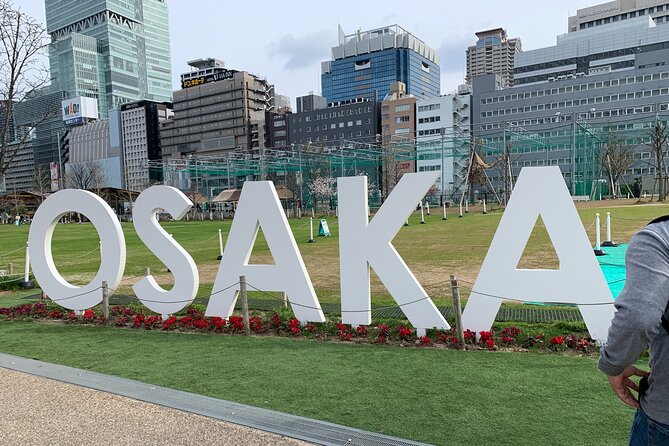
Reviewed · OSAKA WALKING TOURS
Osaka Highlights: 4Hrs Guided Walking Tour with a Native Expert
Osaka is easiest to understand when you connect its grand landmarks with its noisy food streets. This four-hour walking tour does exactly that, beginning at Osaka Castle and ending at Ebisu Bridge in Dotonbori, with short train rides linking the main areas.
I like the small maximum group of 12, which gives you a fair chance to ask questions. I also like the range of stops: castle grounds, a historic shrine, Tsutenkaku and Shinsekai, Hozen-ji Temple, Ura-Namba, and Dotonbori. The main consideration is pace. You cover a lot of ground, and public transport costs an extra ¥430 per person.
Key points at a glance
- Osaka Castle entry is included, including access to the main tower with your guide.
- Three very different sides of Osaka fit into one route: political history, retro Shinsekai, and modern food-centered Namba.
- Short train rides save time, with about 10 minutes between major sightseeing areas.
- The walk ends at Ebisu Bridge, putting you right in the center of Dotonbori’s famous signs, restaurants, and nightlife.
- Native guides explain local context, with Aki, Tatsuya, and Yuya among the guides who have led this experience.
- A moderate fitness level helps, since the tour includes walking, stairs, train transfers, and several historic areas.
Why this route works for a first look at Osaka
At $62.05 per person, this is priced as a focused introduction rather than an all-day city tour. The fee includes a local guide and Osaka Castle admission, while public transportation costs ¥430 per person. That makes the total cost fairly easy to understand before you book.
The real value is time. Osaka’s major sights are spread across different parts of the city, and a first-time visitor can lose half a day figuring out train lines and city layout. Here, the guide handles the transitions and gives you a simple story connecting the stops.
You begin at a 7-Eleven near Tanimachi 3-chome in Chuo Ward. The tour finishes at Ebisu Bridge in Dotonbori, so you do not return to the starting point. That is useful if you plan to continue with lunch, shopping, or an evening in Namba.
The route has earned a full five-star average from 12 ratings, with 100 percent recommending it. The strongest praise centers on the guides’ patience, clear English, flexibility, and ability to fit major sights into a limited morning without making the walk feel frantic.
More walking tours in Osaka:
- Osaka Local Foodie Walking Tour in Dotonbori and Shinsekai
★ 5.0 · 985 reviews - Osaka: Deep Backstreets Walking Tour with Dinner Option
★ 4.9 · 902 reviews - Ultimate Osaka Walking Tour: Castle, Dotonbori & Hidden Gems
★ 5.0 · 862 reviews
Osaka Castle: Japan’s grand opening scene
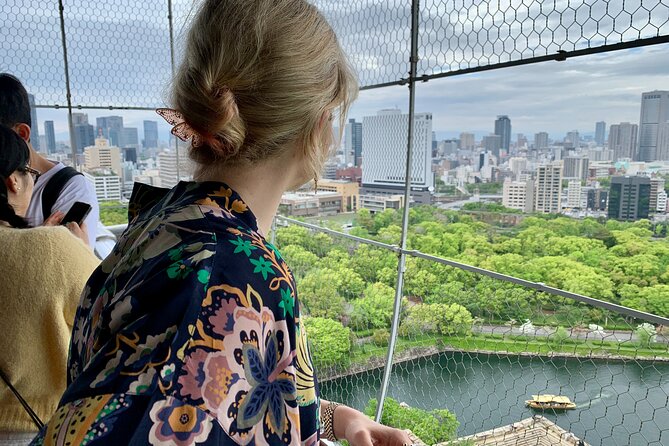
The first major stop is Osaka Castle, where you walk toward the main tower while your guide explains the castle and the city’s past. This approach matters. Instead of being dropped at the tower with only a photograph to take, you get background as the grounds unfold around you.
You enter the main tower with the guide, and admission is included in the tour price. The castle portion lasts about 1 hour and 20 minutes, making it the longest single stop. You should have enough time to see the interior displays, follow the castle story, and reach the upper levels for city views.
The top is one of the major rewards of this experience. From above, you get a broad look at Osaka and a clearer sense of its scale. One guide, Yuya, is especially praised for answering questions and making the castle visit memorable. Guides can add the details that turn a large landmark into a place connected to people, power, and the growth of Osaka.
Do not expect a slow museum day. The tour has several later stops, so the castle visit is structured and time-conscious. If you want to read every display or explore every corner of Osaka Castle Park, you would need to return on your own.
Hokoku Shrine and the Toyotomi connection
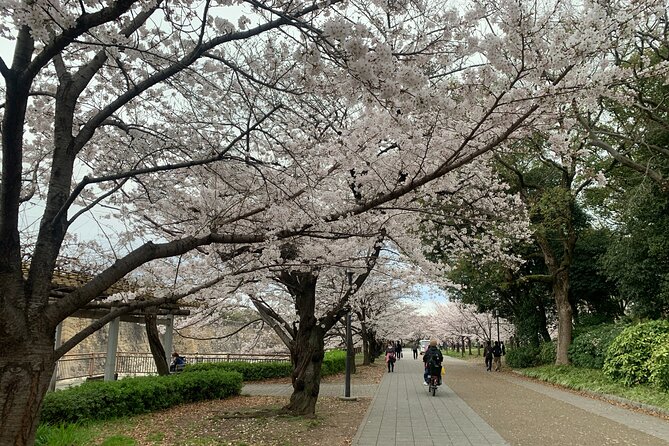
Inside Osaka Castle Park, you stop at Hokoku Shrine for about 15 minutes. The shrine is dedicated to Toyotomi Hideyoshi, the warlord associated with Japan’s unification in the late 16th century. It was originally built in 1879.
This is a short stop, but it gives the castle visit a more personal and religious layer. You move from fortification and political power to a place of remembrance. Your guide can help explain why Hideyoshi remains so closely tied to Osaka’s identity.
Fifteen minutes is enough for a look and an explanation, not a long prayer visit or detailed architectural study. Think of Hokoku Shrine as a useful bridge between the castle and the next part of the route.
The 10-minute train ride to Shinsekai
After Osaka Castle, the group takes a train for about 10 minutes. Public transportation is not included, and the listed cost is ¥430 per person. That is a modest extra charge, but you should carry the amount or be ready to use the local payment method accepted for the ride.
The train transfer is one reason this tour can cover so much in four hours. Osaka Castle and Shinsekai have very different moods, and walking between them would take too long for a half-day route. The short ride keeps the schedule useful without turning the experience into a long transport outing.
You will still be walking once you arrive. Comfortable shoes are a sensible choice, and a moderate level of fitness is expected.
Same city, a completely different kind of afternoon:
- Osaka Go Karting Tour with Funny Costume
★ 5.0 · 2,658 reviews - Osaka Castle: Museum and Tower Entry Ticket
★ 4.5 · 2,380 reviews - Osaka: Shinsekai Food Tour with 13-15 Dishes at 5 Eateries
★ 4.8 · 2,204 reviews - Osaka Food Tour: 13 Dishes at 5 Local Eateries
★ 5.0 · 2,149 reviews
Tsutenkaku and the old Shinsekai mood
The second main sightseeing area is Tsutenkaku, the tall tower associated with Shinsekai. The walk from the station takes about 50 minutes, including the tower area and the explanations along the way.
Tsutenkaku offers a strong contrast with Osaka Castle. The castle represents old power and national drama, while Shinsekai is tied to entertainment, local food, and a more informal side of Osaka. The guide explains the tower’s place in the city and helps you notice how the surrounding streets shape the experience.
Admission to Tsutenkaku is listed as free for this tour, but the route does not promise a ticket to an observation deck or an interior tower visit. The focus is the area and its story. If your top priority is going inside Tsutenkaku, confirm that detail before booking.
Janjan Yokocho and the appeal of a food alley
Near Tsutenkaku, you walk through Janjan Yokocho, a narrow alley known for its retro feel, street food, and local character. Its name comes from the sound of shamisen music once heard in the area.
This is one of the stops where the tour feels less like a checklist of landmarks. You get a look at an older entertainment district, with small eateries and a street atmosphere that differs from the polished commercial zones around major stations. The guide can point out the details that are easy to miss when you are walking alone.
Food is part of the appeal, but the tour information does not promise a tasting or include food costs. You may have time to notice specialties and choose where to eat later, but you should not assume that snacks are covered in the price.
The route also includes a walk along a stone-paved alley preserved from the Edo period. This short section adds texture to the day and shows a quieter side of Osaka before the route returns to bigger streets.
Hozen-ji Temple and the moss-covered Fudo statue
The tour’s final temple stop is Hozen-ji, a small urban temple in the Namba area. Its main attraction is the moss-covered statue of Mizukake Fudo, or Fudo Myoo, a figure associated with strength and protection.
Visitors pour water over the statue while making a wish or prayer. This is a simple custom, but it gives you an active way to take part rather than simply looking at another monument. Follow the guide’s lead and be respectful of people who are there to pray.
The stop lasts about 15 minutes. That is enough for the temple, the statue, and a short explanation. Hozen-ji works well in this itinerary because it provides a quiet pause before the bright signs and crowds of Dotonbori.
Dotonbori, Ura-Namba, and the finish at Ebisu Bridge
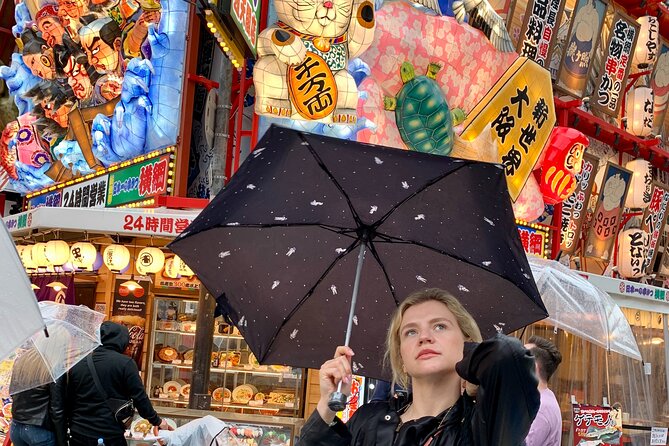
The last major section lasts about 1 hour and 10 minutes. You walk through Dotonbori while the guide explains the area’s past, then take a detour through back streets into Ura-Namba and visit a temple along the way.
This is where the tour shifts from historic landmarks to present-day Osaka. Dotonbori is the city’s best-known entertainment and dining district, filled with restaurants, signs, narrow lanes, and food stalls. It is also a place where having a local guide can save time. You can ask about the difference between the main canal area and the quieter streets nearby, then return later with a better idea of where you want to eat.
The route ends at Ebisu Bridge. That is a practical finish because you are already in the middle of Namba, with easy access to restaurants, shopping, and evening entertainment. Since the tour ends there rather than at the starting point, plan the rest of your day around Namba.
Dotonbori can be crowded, especially at busy times. Keep your belongings close, stay with the group during narrow street sections, and expect a noisier finish than the calm opening at the castle.
The guides make the schedule work
A four-hour route covering this much ground depends heavily on the guide. Aki has been praised for lively energy and strong knowledge of the city. Tatsuya is noted for patience and kindness, while Yuya is praised for clear English, professionalism, and answering questions without making the group feel rushed.
The guide names are not necessarily a guarantee of who will lead your departure, but they show the level of local involvement built into the experience. The tour is designed around a native Osaka expert rather than a recorded audio route or a guide who simply points out photo stops.
Several guide qualities matter here. Clear explanations help during the castle and shrine sections. Flexibility matters if rain begins or someone needs a moment during the walk. Good pacing matters most of all, since the group must move between Osaka Castle, Shinsekai, and Namba within one morning or afternoon.
The small group limit of 12 supports conversation. It also means you should not expect the privacy of a private tour. You will be sharing the route, but the group is still small enough for questions and personal attention.
What the pace feels like in real terms
The schedule is efficient, not leisurely. You have roughly 80 minutes at Osaka Castle, 15 minutes at Hokoku Shrine, 50 minutes around Tsutenkaku, 15 minutes at Hozen-ji, and 70 minutes in Dotonbori and Ura-Namba, with train rides and walking between them.
That balance suits you if you want orientation on a first visit. It is less suitable if you prefer to spend several hours at one museum, browse shops slowly, or stop for a full meal during the tour.
You should wear comfortable shoes and bring water. The tour requires a moderate physical fitness level, and the route includes urban walking, station transfers, and time on your feet. Light rain does not necessarily ruin the day, but the experience requires good weather and may be moved or canceled if conditions are poor.
Who should book this Osaka walk
I would choose this tour if you have only one day in Osaka, a short stop between larger trips, or little interest in planning several separate sightseeing visits. It gives you a useful first map of the city and ends in the best area for continuing on your own.
It also suits first-time visitors who want history explained in plain language, rather than simply photographing major landmarks. The combination of a castle, shrine, tower, food alley, temple, and entertainment district gives you a broad first taste of Osaka.
I would think twice if your main goal is shopping, serious food tasting, or a long visit inside Osaka Castle. The tour does not include food, and its short stops leave limited time for independent browsing. You may also prefer a private guide if you want to set your own pace.
Free cancellation is available up to 24 hours before the start time. Cancellations inside that period are not refunded, and changes are not accepted. Since poor weather can affect the tour, you are offered another date or a full refund if the operator cancels for that reason.
Should you book this tour?
Book it if you want a fast, well-connected introduction to Osaka with a local guide and a clear finish in Dotonbori. The included Osaka Castle admission, small group limit, short train links, and strong guide feedback make $62.05 reasonable for a four-hour orientation.
Skip it if you want a slow castle visit, a dedicated food tour, or complete control over every stop. For most first-time visitors with limited time, though, this route gives you a useful mix of Osaka’s past, local customs, street life, and famous food districts without wasting hours finding your way around.
FAQ
How long is the Osaka Highlights walking tour?
The tour lasts approximately four hours, including the walking sections, sightseeing stops, and train transfers.
What is included in the tour price?
The price includes a local tour guide and the admission fee to Osaka Castle.
Is public transportation included?
No. Public transportation costs ¥430 per person and is not included in the tour price.
Where does the tour start and end?
The tour starts at the 7-Eleven Osaka Tanimachi 3-chome, at 3-chome-1-17 Tanimachi, Chuo Ward. It ends at Dotonbori near Ebisu Bridge.
What landmarks does the tour visit?
The route includes Osaka Castle, Hokoku Shrine, Tsutenkaku, Janjan Yokocho, a preserved stone-paved alley, Hozen-ji Temple, Dotonbori, and Ura-Namba.
What happens if the weather is poor?
The experience requires good weather. If the operator cancels because of poor weather, you are offered a different date or a full refund. You can cancel for a full refund up to 24 hours before the start time.
Just added in Osaka
- Urban Canvas: Osaka Street Art Bike Tour★ 5.0 · 10 reviews
- Anime Cosplay Photshoot-50 Digital Photos Provided★ 5.0 · 8 reviews
- TeamLab Botanical Garden Osaka Ticket★ 3.5 · 6 reviews
- Umeda Sky Building & Kuchu Teien Observatory Ticket in Osaka★ 4.5 · 3 reviews
- Immerse in Judo Martial Arts Class from Japan★ 5.0 · 4 reviews
- Cherry Blossom Buddha and Mt.Yoshino with Strawberry Picking Tour★ 4.5 · 5 reviews
- Traditional Home cooking Experience in Osaka, Japan★ 5.0 · 14 reviews
- Traditional Calligraphy Experience near Dotonbori★ 5.0 · 3 reviews
Osaka Walking Tours, compared.
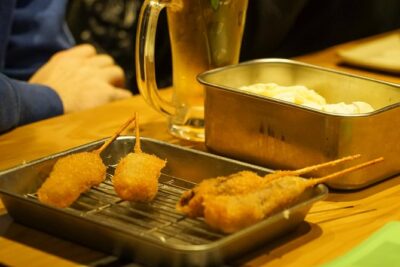
Osaka Local Foodie Walking Tour in Dotonbori and Shinsekai
Read our review →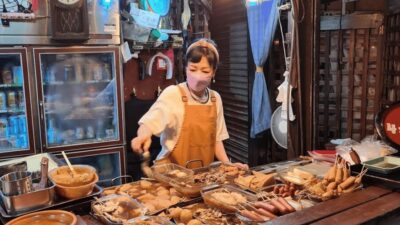
Deep Backstreets Walking Tour with Dinner Option
Read our review →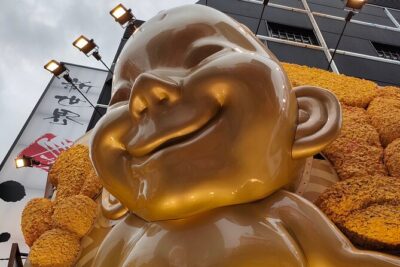
Ultimate Osaka Walking Tour: Castle, Dotonbori & Hidden Gems
Read our review →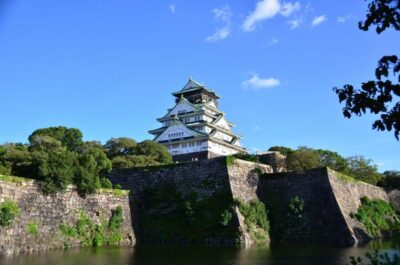
Main Sights and Hidden Spots Guided Walking Tour
Read our review →
Private Osaka Walking Tour: Highlights & Hidden Gems
Read our review →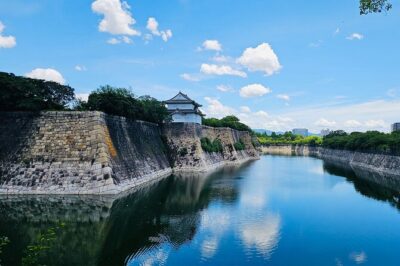
Osaka Castle Walking Tour and Castle Tower Admission
Read our review →
Kuromon Market Food Walking Tour in Osaka (6 stops, 6 tastes)
Read our review →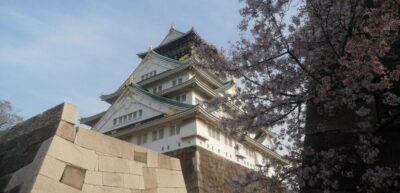
Five Must-See Highlights Walking Tour & Ramen Lunch
Read our review →Browse the lists this tour appears in