
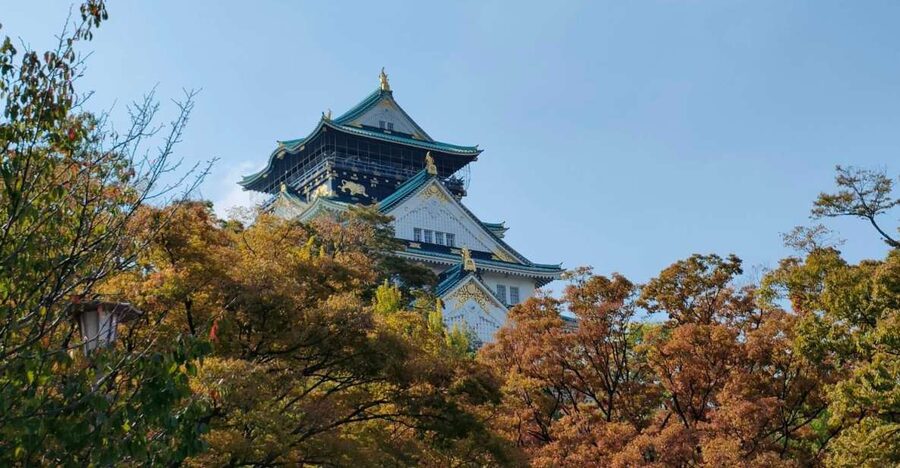
Reviewed · OSAKA WALKING TOURS
Osaka: Half-day Ultimate Highlights Guided Walking Tour
Osaka’s best sights make more sense when you connect them on foot. This tour moves from samurai-era Osaka Castle to neon Dotonbori, old Hozenji, the food stalls of Kuromon Market, and retro Shinsekai. The sharp contrast between old and new Osaka is the real attraction.
I like the way the tour combines major sights with smaller streets, especially Hozenji Yokocho and Doguyasuji. I also like the practical help: guides such as Tim, Andy, Scott, and Anna explain the trains, suggest good food stalls, take photos, and show you how to order lunch. The main drawback is the long day on foot, often around 15,000 steps, with no Osaka Castle interior visit on group tours.
Key points at a glance
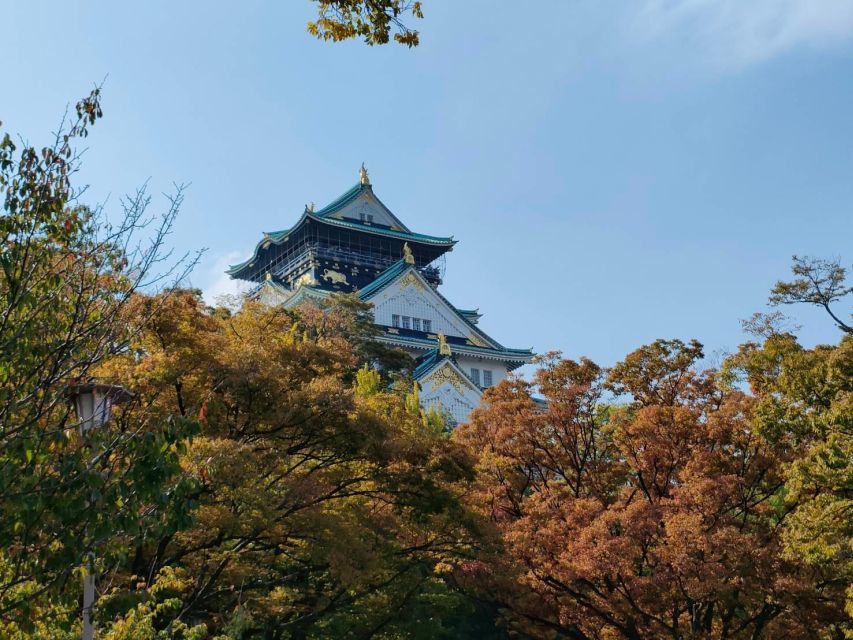
- Osaka Castle grounds: Spend about 75 minutes learning how the castle shaped Japan’s unification, but group tours do not include the castle interior.
- Dotonbori and Ebisu Bridge: See the Glico Man sign, canal, neon, street food, and one of Osaka’s best-known meeting places.
- Kuromon Ichiba Market: Walk through a 200-year-old food market known for seafood, meat, and produce.
- Local food included: Enjoy Osaka-style street food and a drink at a local restaurant during the lunch break.
- Shinsekai finish: End near Tsutenkaku Tower in a retro district with a distinctly old Osaka mood.
- Walking and trains: Expect a full day of walking plus two short subway or train rides, with fares of ¥240 and ¥190 not included.
Why this route gives you a useful first look at Osaka
This is not a museum-heavy tour. It is a city tour built around streets, markets, food, transport, and the way Osaka’s past still appears between modern shops and glowing signs.
You begin at Osaka Castle, a symbol of the Kansai region and an important site in the sixteenth-century unification of Japan. Later, you reach Namba and Dotonbori, where Osaka’s merchant culture has turned into shopping arcades, restaurants, bars, and enormous illuminated signs. The final stretch through Kuromon, Doguyasuji, and Shinsekai shows another side of the city, one connected to cooking, neighborhood commerce, and postwar nostalgia.
I find this mix more useful than a tour that simply checks off famous sights. You see what Osaka is known for, but you also get clues about how the city works. The guide explains where people meet, how markets serve restaurants, why certain streets sell kitchen goods, and how to manage the local trains.
The tour lasts five to seven hours, depending on the group and pace. That makes it a major part of your day, not a quick orientation walk. Most of the route is outdoors, so comfortable shoes are essential. The tour operates rain or shine, and large bags or luggage are not allowed.
More walking tours in Osaka:
- Osaka Local Foodie Walking Tour in Dotonbori and Shinsekai
★ 5.0 · 985 reviews - Osaka: Deep Backstreets Walking Tour with Dinner Option
★ 4.9 · 902 reviews - Ultimate Osaka Walking Tour: Castle, Dotonbori & Hidden Gems
★ 5.0 · 862 reviews
Osaka Castle starts the day with samurai-era history
Meet at JR Osakajokoen Station on the Osaka Loop Line, in front of the 7-Eleven kiosk inside the station building, just outside the ticket gates. Take care here: JR Osakajokoen is not the same station as JR Osaka Station. Arrive 15 minutes early, since finding the right station and ticket gates is part of the morning task.
The Osaka Castle section lasts about 75 minutes. You walk through the grounds while your guide explains the castle’s role in the political and military changes of sixteenth-century Japan. The focus is on the setting and its story rather than rushing straight to an indoor exhibit.
For a group tour, entrance to Osaka Castle is not included. The schedule also does not allow time for a full interior visit. That can disappoint anyone expecting a castle museum tour, but it is a sensible tradeoff if your goal is to see several parts of Osaka in one day. You get the castle grounds and historical context, then move on to the city’s markets and entertainment districts.
I would treat this first stop as an introduction rather than the main event. If you want to study Osaka Castle inside, plan a separate visit. If you want to understand why the castle matters before seeing modern Osaka, this portion does the job.
Namba and Shinsaibashi show Osaka’s shopping culture
After the castle, the group takes a short train ride of about 15 minutes toward Namba. Train fares are extra, with the listed fares totaling ¥430 for the two rides used during the tour.
Namba is where the day shifts from castle walls to commercial Osaka. One part of the route includes Shinsaibashi-suji, a covered shopping street stretching roughly 600 metres. It has served as a major shopping area for centuries and now lines its walkway with hundreds of shops.
This is a good place to watch Osaka’s retail culture at close range. You might find clothing, cosmetics, snacks, souvenirs, and small specialty shops packed into a long covered arcade. The value here is not one single landmark. It is seeing how shopping functions as a central part of everyday city life.
The guide helps you read the street rather than simply walk through it. Andy, Tim, Scott, and the other guides have been praised for adding history, humor, and practical advice without turning the tour into a formal lecture. If you ask questions about food, neighborhoods, or Japanese customs, this is a useful point in the day to do it.
The pace is generally described as steady, with breaks worked into the route. Still, Namba can feel crowded, and you will be walking through busy public spaces rather than along quiet paths. Stay close to the group, especially around stations and popular photo spots.
Lunch brings Osaka’s famous comfort food to the table
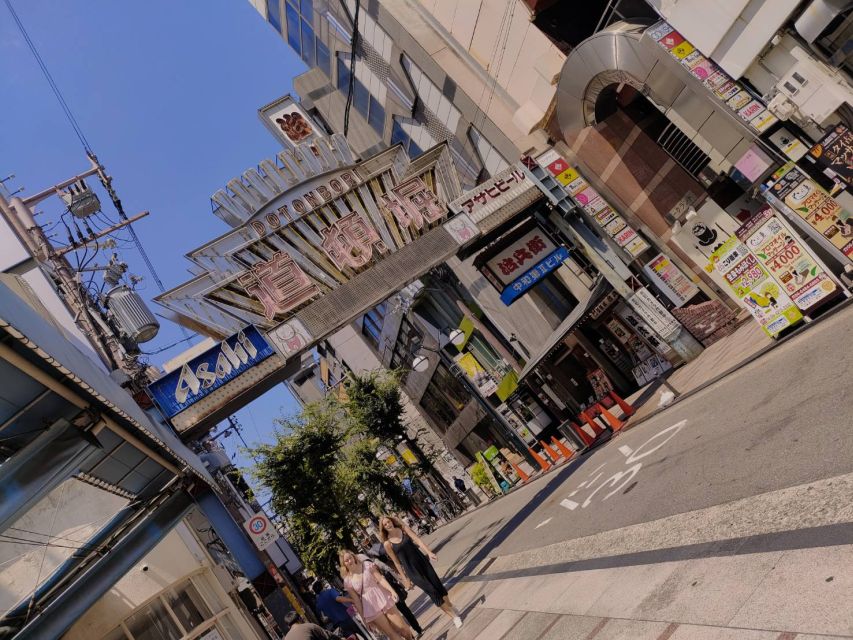
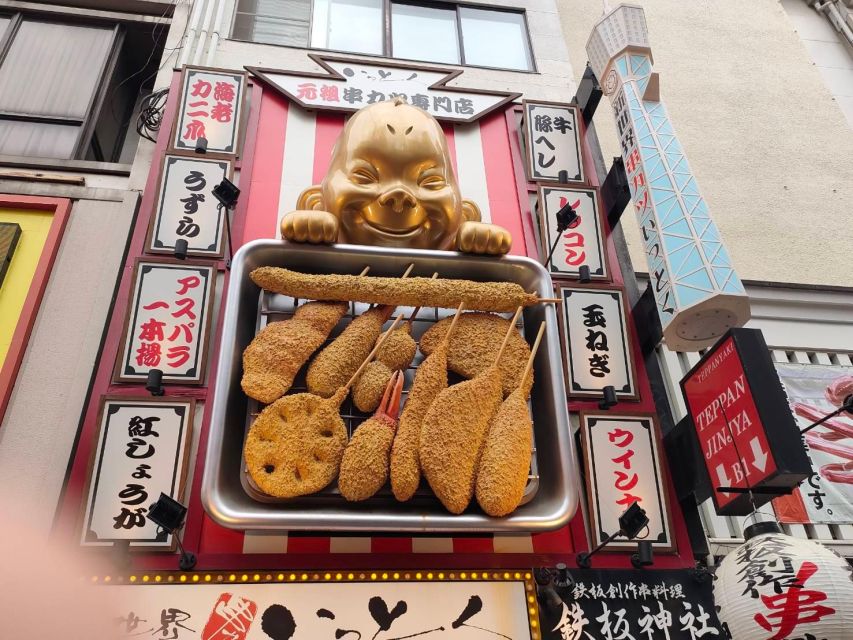
The lunch break lasts about 30 minutes and includes Osaka-style street food with a drink at a local restaurant. The food described during the tour includes takoyaki, the familiar octopus-filled balls, and okonomiyaki, a savory cabbage-based pancake often made with pork.
This is one of the tour’s practical strengths. Instead of stopping randomly and guessing at a menu, the guide can explain what to order and how to eat it. Reviews of the experience describe guides helping with food choices and taking the group to suitable stalls for items such as sashimi at Kuromon Market.
The lunch is not designed for every diet. Vegan and gluten-free diets are specifically not supported, so contact the operator before booking if that matters to you. The break is also fairly short. You get a taste of Osaka rather than a long restaurant meal, which suits the schedule but may feel hurried if you like lingering over food.
I like the fact that lunch fits the theme of the tour. Osaka’s identity is closely tied to eating well and often, and a simple local meal gives you more useful context than another photo stop.
Same city, a completely different kind of afternoon:
- Osaka Go Karting Tour with Funny Costume
★ 5.0 · 2,658 reviews - Osaka Castle: Museum and Tower Entry Ticket
★ 4.5 · 2,380 reviews - Osaka: Shinsekai Food Tour with 13-15 Dishes at 5 Eateries
★ 4.8 · 2,204 reviews - Osaka Food Tour: 13 Dishes at 5 Local Eateries
★ 5.0 · 2,149 reviews
Ebisu Bridge and Dotonbori deliver the neon Osaka

Ebisu Bridge is a quick stop of about 15 minutes. The bridge dates back to a wooden version built in the 1600s and now sits beside one of the city’s most famous gathering points.
This is where you see the Glico Man sign, the running figure that has become a standard Osaka photo. The bridge and its surrounding walkways can be crowded, but that is part of the point. You are at the meeting place of Osaka’s tourist image, nightlife, shopping, and street food.
From here, the tour spends about 30 minutes in Dotonbori. The canal, oversized signs, bars, restaurants, and bright lights create a sharp change from the quieter castle grounds. You can expect plenty of photo opportunities and a close look at the food-focused side of Osaka.
Dotonbori is easy to enjoy on your own, but a guide adds useful orientation. You learn which nearby streets connect, how Dotonbori relates to Namba, and where to return later for an evening meal. The short visit also keeps the route moving, though you will not have time to browse every shop or try every snack.
If you want nightlife and street food, Dotonbori is a highlight. If crowds and commercial streets tire you quickly, this may be the least relaxing part of the tour.
Hozenji Yokocho offers a quiet turn off Dotonbori

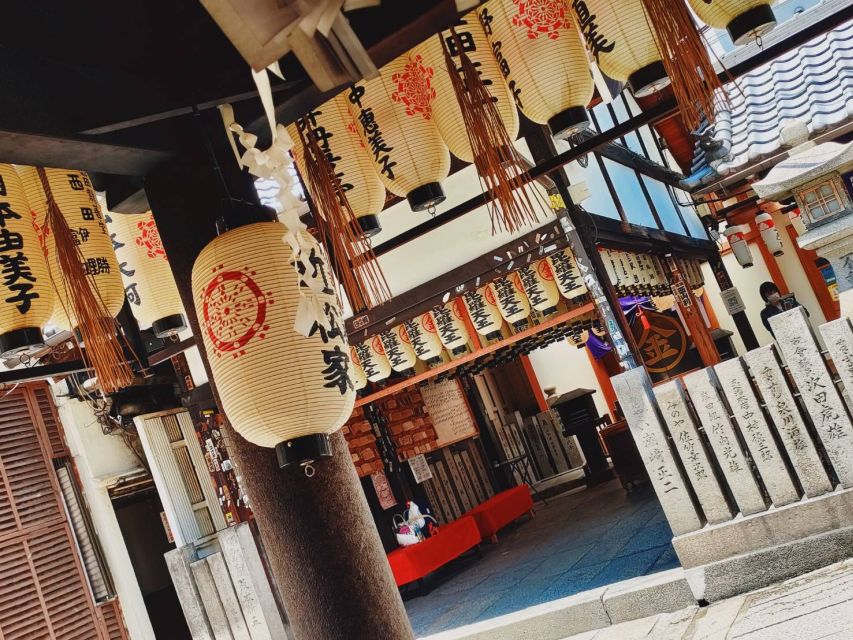
The short walk to Hozenji Yokocho is one of my favorite changes of mood on the route. A narrow alley with lanterns and cobblestones leads away from the bright canal district and preserves the feeling of older Osaka.
At the end is Hozenji, a small Buddhist temple built in the seventeenth century. It offers a quiet pause without requiring a long detour. This is the kind of stop that can be easy to miss when you are following a standard sightseeing map, especially because it sits so close to the noisy center of Dotonbori.
The guide explains how the alley and temple fit into the surrounding district. You get a sense of how older religious and commercial spaces survive beside modern restaurants and signs. The stop lasts about 20 minutes, so it is brief, but its value comes from the contrast.
Bring your camera, but do not treat the temple as just another backdrop. It is a place of worship in a busy neighborhood. A respectful pause is part of the experience.
Kuromon Market turns Osaka into a food lesson
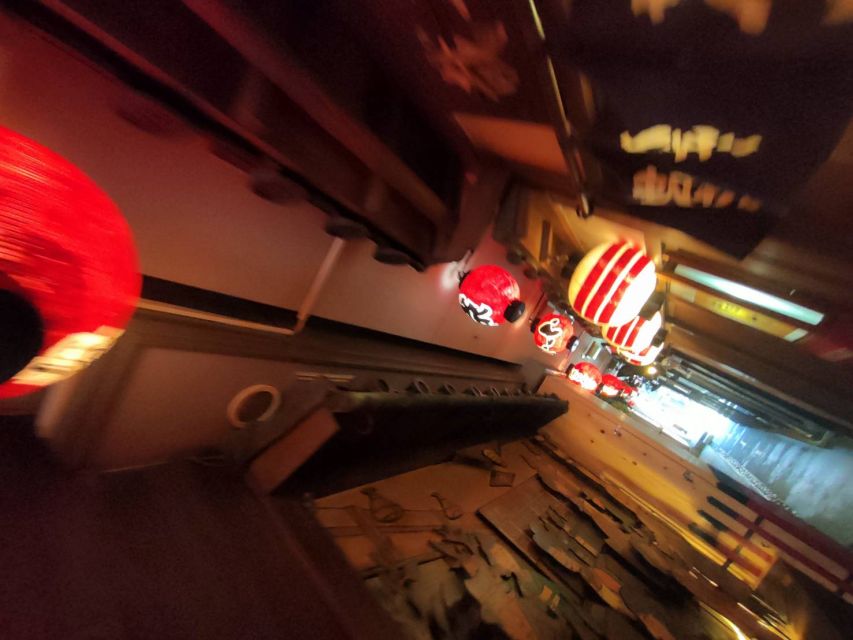
Kuromon Ichiba Market is often called the heart of Osaka’s Kitchen. The market has served the city for more than 200 years and is known for seafood, meat, and produce.
The tour gives you about 30 minutes here. That is enough to see seafood being prepared, examine large crab legs and tuna, and learn how the market supplies local cooks and restaurants. It is also a useful place to ask your guide what is worth tasting.
You might find the market’s food stalls more memorable than a standard restaurant because you can see ingredients up close and decide what interests you. The guides have helped visitors choose sashimi and other seafood, but food purchases are not stated as part of the tour price, so bring money if you want extra tastings.
The market can be crowded, and the short time means you will not explore every lane. Still, this stop gives the day a strong local focus. You are not just hearing that Osaka is famous for food. You are seeing the market system that supports that reputation.
Doguyasuji and Nipponbashi reveal specialist Osaka
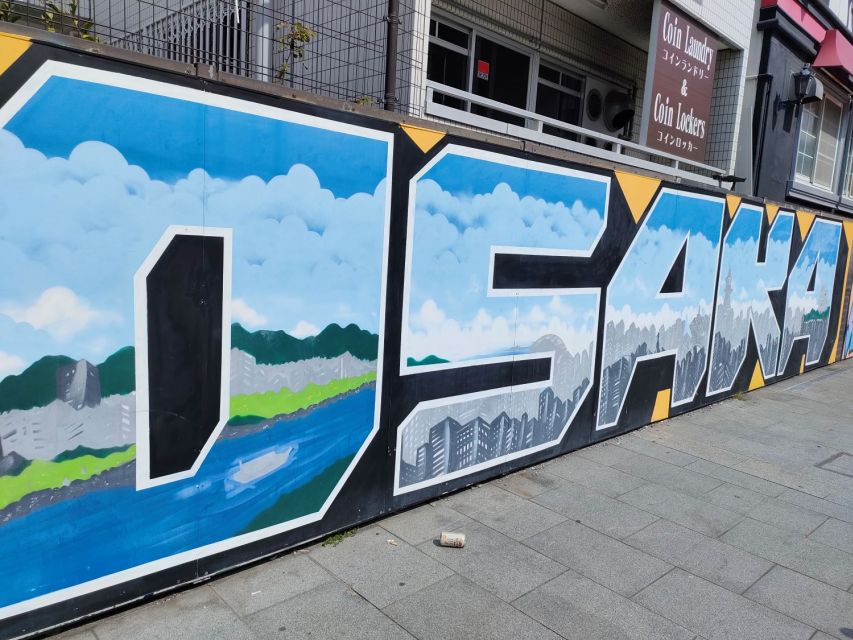
The route also passes through Doguyasuji, a narrow street serving restaurants and home cooks for generations. Its shops sell cutlery, crockery, kitchen tools, and other restaurant supplies.
This is a welcome change from souvenir shopping. You might see items that are practical, highly specialized, or simply unusual to visitors. It helps explain Osaka’s food culture from the working side rather than the dining table.
Nearby Nipponbashi is often compared with Tokyo’s Akihabara. The area covers electronics, cameras, computers, games, anime, and pop culture. The tour does not promise extended shopping time, so think of this section as an introduction and return later if you want to browse seriously.
These streets are especially useful for first-time visitors who want to understand why Osaka feels different from Kyoto or Tokyo. Andy has often been praised for explaining those city-to-city differences, while Tim has been praised for making Japanese history and culture easy to follow.
Shinsekai finishes with retro signs and Tsutenkaku
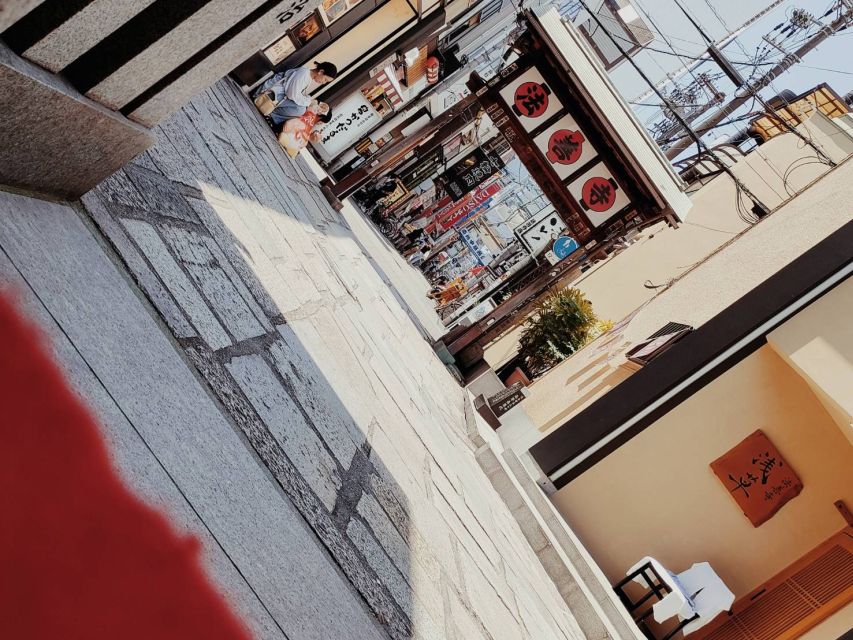
The final major stop is Shinsekai, a district developed before World War II and associated with Tsutenkaku Tower. The area has a nostalgic look and a strong connection to older Osaka entertainment and restaurant culture.
You spend about 20 minutes walking through the district before finishing at Dobutsuen-Mae Station. Shinsekai is not polished in the same way as a major shopping district. Its appeal comes from the old signs, retro atmosphere, and sense that you are seeing a less packaged side of the city.
The finish is convenient if you want to continue exploring around Dobutsuen-Mae, but it is not the same place as the morning meeting point. You will need to make your own way onward after the tour. Your guide can help you understand the train connections, which is useful if Osaka’s transit map still feels confusing.
Some people may find the final section slightly long after so much walking. One person felt the tour might have ended after Kuromon Market. I can understand that view, especially in hot weather, but Shinsekai gives the route a distinct ending and shows a side of Osaka that Dotonbori cannot.
What the guides add to the day
The tour is led in English by local guides, with the experience presented as bilingual and guided by an expat with more than 20 years of experience. Named guides include Tim, Andy, Scott, and Anna.
Their individual styles differ, but the strongest pattern is clear: the guide is central to the value. Tim is known for humor, historical explanations, and keeping the group together. Andy is especially good at answering questions, adapting the route to interests, and helping with food and transport. Scott has been praised for a friendly pace, useful stories, and taking photos. Anna has been described as attentive to water, rest stops, and hot-weather comfort.
That matters because the route itself includes places you could visit alone. You can reach Osaka Castle, Dotonbori, Kuromon, and Shinsekai without a guide. You are paying for the connections between them, the explanations, help with trains, meal guidance, and the small details that are easy to miss.
Group sizes are described as private or small group options. Hotel pickup is available only for private tours. Group tours meet at JR Osakajokoen Station, so do not assume a hotel pickup is included.
Is $61 a fair price for five to seven hours?
At $61 per person, the price is reasonable if you want a full orientation to Osaka and would otherwise pay for several separate activities or spend time working out the route yourself.
The price includes a guide and lunch with a drink. It does not include the two train fares, Osaka Castle admission, or extra food bought at markets. That means the final cost will be slightly higher if you want snacks or a castle ticket.
The strongest value comes from the amount of ground covered and the guide’s local help. You visit the castle grounds, shopping arcades, entertainment districts, a temple alley, a major market, kitchenware shops, Nipponbashi, and Shinsekai in one day. The tradeoff is energy. This is not a relaxed cafe-and-museum outing.
Who should book this Osaka walking tour?
I would choose this tour if you have limited time in Osaka, are visiting from Kyoto for a day, or want a strong first orientation before exploring independently. It also suits you if you enjoy food, street scenes, local history, and a guide who tells stories instead of delivering only dates and names.
It is a good match for confident walkers who can manage a long day on city pavement, stairs, stations, crowds, and changing weather. Comfortable shoes are not optional.
I would think twice if you have mobility limitations, are pregnant, need a vegan or gluten-free lunch, dislike crowded commercial districts, or want extensive indoor sightseeing. Filming the tour is not permitted, and large bags or luggage cannot be brought along.
The experience operates rain or shine. Install WhatsApp before the tour because it is mandatory for tour information and updates. You can cancel up to 24 hours ahead for a full refund, and reserve now while paying later.
Final verdict: a strong first day in Osaka
Book this tour if you want Osaka explained through its streets, food, markets, and contrasts. The best parts are the jump from Osaka Castle to Dotonbori, the peaceful turn into Hozenji Yokocho, the seafood at Kuromon, and the final walk through Shinsekai.
The main caution is simple: you will walk a lot. If you can handle that, $61 buys more than a list of landmarks. It gives you a working sense of Osaka, plus enough food and transport guidance to continue exploring on your own.
FAQ
Where does the group tour meet?
Meet at JR Osakajokoen Station on the JR Osaka Loop Line, in front of the 7-Eleven kiosk inside the station building and just outside the ticket gates. Arrive 15 minutes before the start time.
Is the meeting point at JR Osaka Station?
No. The meeting point is JR Osakajokoen Station, which is different from JR Osaka Station.
Does the tour include entry into Osaka Castle?
No. Group tours walk through the Osaka Castle grounds and explain its history, but entrance into the castle is not included.
Is lunch included?
Yes. The tour includes Osaka-style street food and a drink at a local restaurant. Vegan and gluten-free diets are not supported.
How much walking is involved?
Most of the tour is on foot and lasts five to seven hours. The route also includes two short train rides. Comfortable shoes are essential.
Are train fares included?
No. The listed train fares are ¥240 and ¥190, for a total of ¥430.
Is hotel pickup available?
Hotel pickup is available only for private tours. Group tours meet at JR Osakajokoen Station.
What happens if it rains?
The tour runs rain or shine. Bring suitable clothing and wear comfortable shoes.
More Half-Day in Osaka
- Osaka: Minoh Waterfall & Katsuo-ji Temple Half-Day Tour
★ 4.7 · 27 reviews - Osaka Half-day E-bike Adventure: Minoh Falls & Katsuoji Temple
★ 5.0 · 25 reviews - Osaka Private Half-Day Tour with a Local – Secrets & Highlights
★ 5.0 · 24 reviews - Osaka Highlights Half-Day Walking Tour!!!
★ 5.0 · 5 reviews
Just added in Osaka
- Urban Canvas: Osaka Street Art Bike Tour★ 5.0 · 10 reviews
- Anime Cosplay Photshoot-50 Digital Photos Provided★ 5.0 · 8 reviews
- TeamLab Botanical Garden Osaka Ticket★ 3.5 · 6 reviews
- Umeda Sky Building & Kuchu Teien Observatory Ticket in Osaka★ 4.5 · 3 reviews
- Immerse in Judo Martial Arts Class from Japan★ 5.0 · 4 reviews
- Cherry Blossom Buddha and Mt.Yoshino with Strawberry Picking Tour★ 4.5 · 5 reviews
- Traditional Home cooking Experience in Osaka, Japan★ 5.0 · 14 reviews
- Traditional Calligraphy Experience near Dotonbori★ 5.0 · 3 reviews
Osaka Walking Tours, compared.
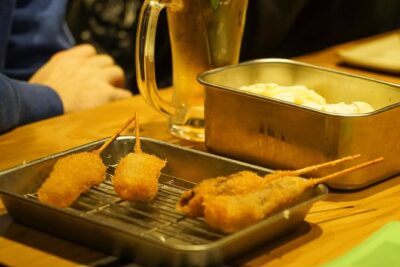
Osaka Local Foodie Walking Tour in Dotonbori and Shinsekai
Read our review →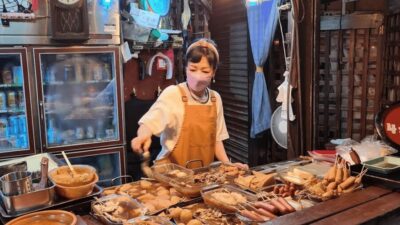
Deep Backstreets Walking Tour with Dinner Option
Read our review →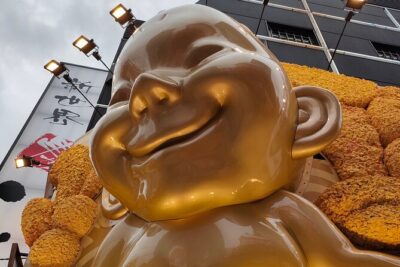
Ultimate Osaka Walking Tour: Castle, Dotonbori & Hidden Gems
Read our review →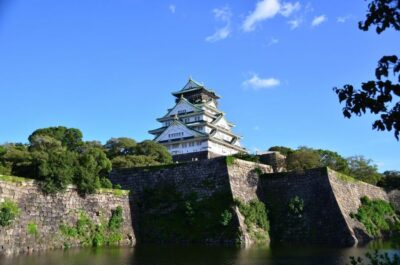
Main Sights and Hidden Spots Guided Walking Tour
Read our review →
Private Osaka Walking Tour: Highlights & Hidden Gems
Read our review →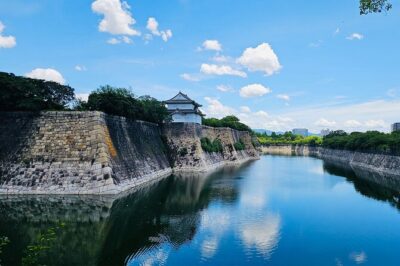
Osaka Castle Walking Tour and Castle Tower Admission
Read our review →
Kuromon Market Food Walking Tour in Osaka (6 stops, 6 tastes)
Read our review →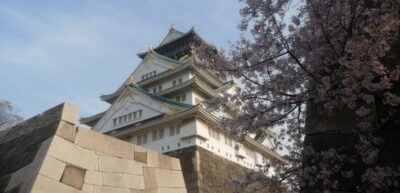
Five Must-See Highlights Walking Tour & Ramen Lunch
Read our review →Browse the lists this tour appears in