
Reviewed · OSAKA WALKING TOURS
Osaka 4-Hour Walking Tour: Hotspots and Hidden Gems
The giant lion head at Namba Yasaka Shrine is the hook here. At 12 meters tall, it looks almost theatrical, yet the story behind it is serious: the lion is believed to swallow evil spirits and bring good fortune. I like that this tour pairs that memorable stop with the playful world of anime shops and capsule toys in Nipponbashi.
I also like the finish. You get the famous Glico sign and Dotonbori canal, but you are then led into Hozenji Temple and its lantern-lit lanes, where Osaka feels older and quieter. The main drawback is that the middle of the walk may feel light on major sights if you want nonstop temples or formal history. A past New Year visit also faced a 30-minute shrine queue, so holiday timing can matter.
Key points to know before booking
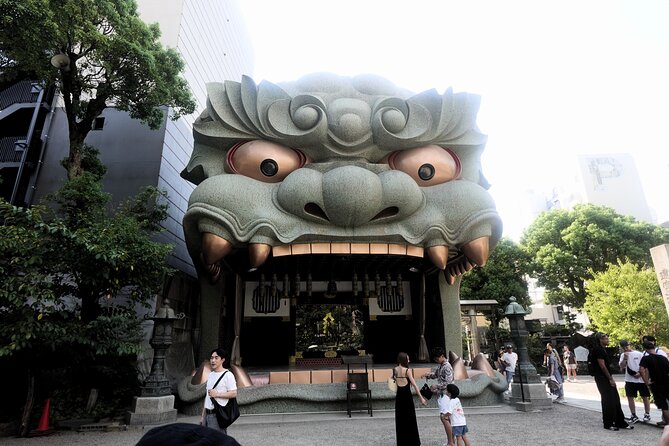
- The 12-meter lion head is the tour’s most unusual sight: Namba Yasaka Shrine gives you an excellent first photo and a memorable local legend.
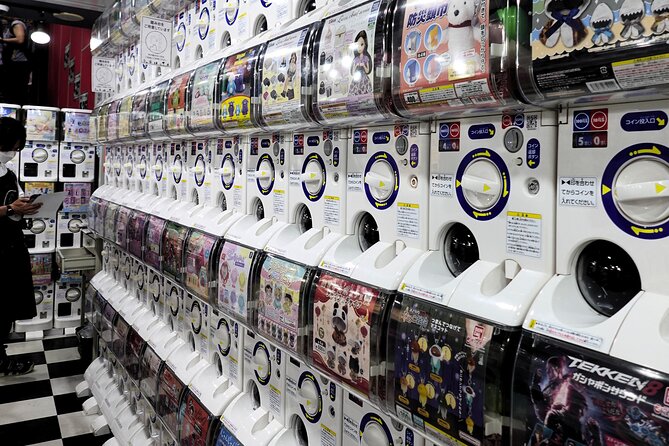
- Den-Den Town adds pop culture to the route: You can browse anime, manga, retro games, electronics, and quirky collectibles, then try a gachapon capsule machine.
- Kuromon Market is best approached as a food-and-culture stop: You will see seafood, produce, and local ingredients, with the option to sample food such as takoyaki or wagyu skewers.
- Dotonbori supplies the classic Osaka photographs: The walk ends near the Glico sign, neon canal, and Ebisubashi.
- The group stays small: A maximum of 10 people should make it easier to hear guide Ai and ask questions.
- This is a city walk, not a museum tour: You get stories, street scenes, and local customs rather than long indoor visits or formal exhibits.
Why the lion shrine makes a strong beginning
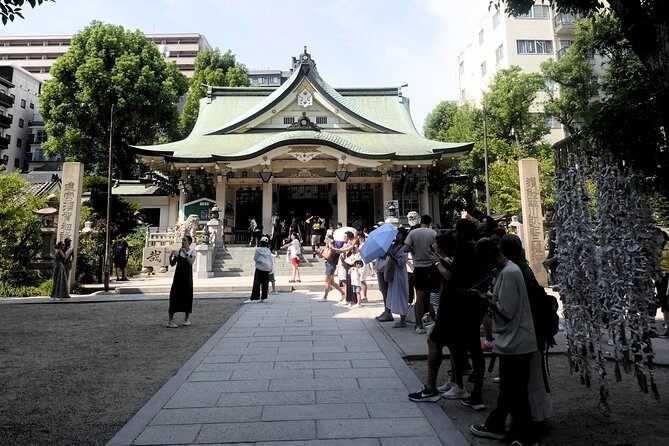
The tour starts at a practical meeting point in Naniwa Ward, near public transportation, at 2:00 pm. The listed address is in Shikitsunishi, at South Hills Namba Sanbankan, so I would check the mobile ticket carefully before setting out. The tour ends at Ebisubashi in Dotonbori, not back at the starting point.
Namba Yasaka Shrine is tucked into the backstreets rather than placed on Osaka’s biggest sightseeing avenue. That gives the opening a nice contrast. You begin away from the loudest crowds, then encounter a structure that is impossible to miss.
The lion head is not a small decorative statue. The 12-meter stage forms a giant open mouth, creating one of Osaka’s most distinctive photo stops. The belief that it swallows evil spirits gives the sight more meaning than a quick architectural snapshot.
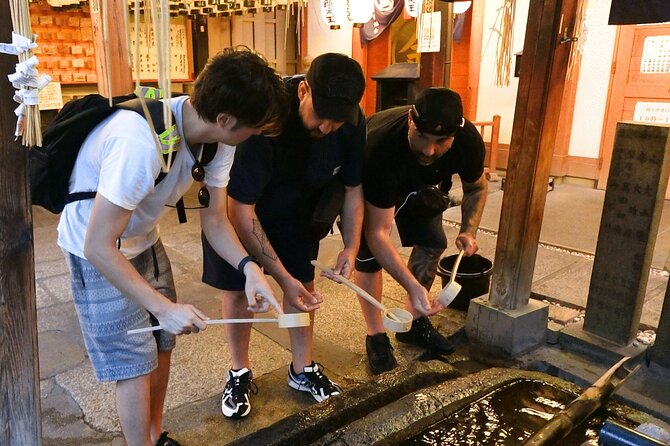
Guide Ai has made the shrine’s legends a central part of the experience. You can expect explanations about Japanese myths, shrine customs, and how to pray. That is useful because a shrine visit can otherwise become a quick photo, followed by a polite but uninformed exit.
The shrine portion lasts about 40 minutes and admission is free. That time should allow room for photographs and explanation, although the actual pace depends on crowds and religious events. At New Year, a queue for the shrine reached about 30 minutes, so do not assume the scheduled timing will remain exact during major holidays.
I especially like this first stop for first-time visitors to Osaka. It gives you an immediate story to remember, and the lion is easier to recall than a long list of dates. If your main interest is grand temple architecture, this is a shorter and more unusual encounter rather than a full historical visit.
More walking tours in Osaka:
- Osaka Local Foodie Walking Tour in Dotonbori and Shinsekai
★ 5.0 · 985 reviews - Osaka: Deep Backstreets Walking Tour with Dinner Option
★ 4.9 · 902 reviews - Ultimate Osaka Walking Tour: Castle, Dotonbori & Hidden Gems
★ 5.0 · 862 reviews
Den-Den Town, where Osaka gets playful
From the shrine, the walk continues into Nipponbashi, often called Den-Den Town. The area is known as the Akihabara of the West, with shops focused on anime, manga, video games, electronics, and unusual collectibles.
This part gives the tour a sharp change of mood. The shrine is tied to prayer and legend. Den-Den Town is about popular culture, shopping, and the odd pleasure of finding something you did not expect.
You may enjoy this stop most if you like Japanese pop culture, even casually. You do not need to be a serious collector to appreciate the window displays, retro games, colorful characters, and tightly packed shops. If anime and electronics do not interest you, this 30-minute section may feel more like a passage through commercial streets than a major attraction.
The capsule machine activity is a smart touch. You put in a coin, twist the knob, and receive a small surprise toy. It is simple, inexpensive fun, and it gives you something active to do instead of only looking at shopfronts.
I would treat Den-Den Town as a cultural snapshot, not a dedicated shopping excursion. Thirty minutes is enough to get the flavor of the district and try gachapon, but not enough for serious browsing across its many stores. If you spot something you want to buy, remember the tour must keep moving.
The route also helps explain Osaka’s personality. The city is not presented only through old shrines and formal traditions. Here, humor, collecting, games, and bright commercial culture sit close to sacred places. That contrast is one of the better reasons to choose this walk over a standard historical route.
Kuromon Market, Osaka’s food corridor
Kuromon Market is the tour’s most direct connection with daily food culture. The covered market has served local shoppers for more than a century and is often called Osaka’s Kitchen. You will pass stalls selling seafood, produce, and other ingredients used in Japanese cooking.
The value here is not just the chance to eat. You can watch the market work: vendors calling out, displays arranged for quick purchases, and fresh ingredients set out along the arcade. Even if you do not buy anything, the market shows you how food shapes the city’s rhythm.
The available information does not set a required food budget or promise a tasting menu, so plan to pay separately for anything you want to try. The tour can introduce you to the setting and point out local choices, but you should not book it expecting a full meal to be included in the $40 price.
Food details from past experiences include takoyaki and wagyu skewers. Those examples suggest that you might find easy street-food tastings along the way, but availability and cost can change. I would carry some Japanese yen if you want to make spontaneous purchases, though the tour information does not specify which stalls accept cards.
This is also the stop most affected by timing. A market can feel lively during busy hours, and individual stalls may have queues. Since the tour begins at 2:00 pm, you get an afternoon visit rather than an early-morning market run. That works well for a combined sightseeing route, but it is not designed around wholesale-market activity or a long sit-down meal.
You should also pace yourself. Dotonbori follows later, with plenty of food options of its own. A small snack at Kuromon may be the better plan if you want to enjoy Osaka’s famous food district after the walk.
Dotonbori brings the famous Osaka finish
Dotonbori is where the tour becomes most instantly recognizable. The neon canal, crowded entertainment streets, and Glico running-man sign create the classic Osaka image that appears on countless postcards and phone screens.
The Dotonbori section lasts about 50 minutes. That gives you enough time for photographs and some orientation, but not an entire evening of eating and shopping. I like ending here because you can continue exploring after the guide leaves, with no need to return to the starting point.
The finish at Ebisubashi is especially convenient. From there, you are already in the heart of the food district, so you can stay for dinner, repeat your favorite photo stop after dark, or wander through nearby streets at your own pace.
The guide also takes you beyond the loudest part of Dotonbori. Hozenji Temple sits in a quieter pocket, with a moss-covered statue and lantern-lit lanes. The atmosphere changes quickly from bright signs and canal traffic to a more nostalgic corner of Osaka.
The moss-covered statue is one of those small sights that benefits from an explanation. Guide Ai’s approach includes legends, meanings, and local customs, so you get more than a photograph of an unusual surface. The temple helps balance the modern energy of Dotonbori with a reminder that older traditions remain close by.
I would not expect Dotonbori to be calm. It is one of Osaka’s most popular areas, and the famous photo points can be crowded. The reward is the atmosphere. You see why Osaka is associated with food, humor, bright lights, and a relaxed street spirit, all within a short walk.
Same city, a completely different kind of afternoon:
- Osaka Go Karting Tour with Funny Costume
★ 5.0 · 2,658 reviews - Osaka Castle: Museum and Tower Entry Ticket
★ 4.5 · 2,380 reviews - Osaka: Shinsekai Food Tour with 13-15 Dishes at 5 Eateries
★ 4.8 · 2,204 reviews - Osaka Food Tour: 13 Dishes at 5 Local Eateries
★ 5.0 · 2,149 reviews
What the guide adds to the four hours
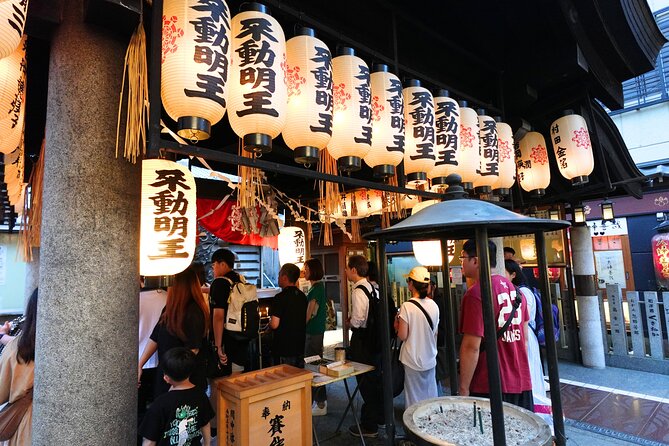
The strongest part of this experience is the human explanation between stops. Ai is repeatedly praised for being friendly, patient, warm, and clear. Those qualities matter on a route that moves between sacred customs, pop culture, food, and nightlife.
You can expect Ai to explain how to pray at a shrine and teach a few Osaka dialect words. She also connects old myths with modern city life, which makes the route feel less like four unrelated stops.
The stories about the lion swallowing bad luck are especially useful because they turn the first photo into a piece of local belief. At the market, guidance can help you understand what you are seeing rather than simply passing rows of seafood and produce.
The small group limit is 10 people. That is a useful size for a walking tour. You should have a better chance of hearing explanations in busy streets and asking a question without holding up a large crowd.
Still, the guide cannot transform every stretch of pavement into a major attraction. One weak experience described the route as a drift through several streets, with little interest beyond the shrine and temple. That is a fair warning for anyone who wants a tightly packed schedule of monuments.
I would choose this tour for stories and local color, not for a long list of ticketed sights. Its best moments come from the connections Ai makes between places. If the guide is absent or the organization fails, the value drops sharply, and one reported no-show is a serious concern. Confirm the meeting details and contact procedure before the start time.
Is $40 a fair price?
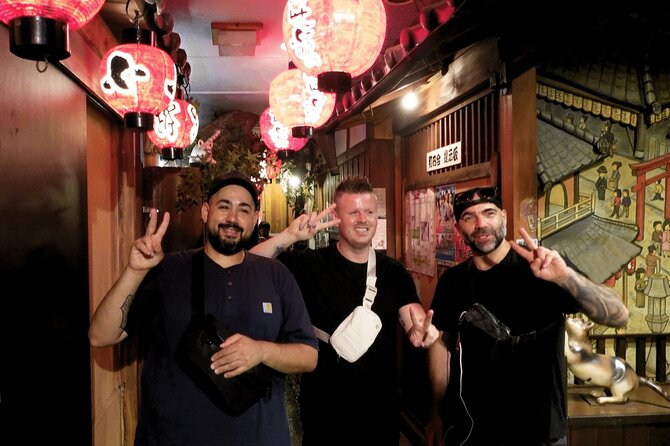
At $40 per person, the tour sits in a reasonable range for a four-hour guided city walk, especially with a maximum of 10 people. You are paying for a guide, route planning, cultural explanation, and the convenience of linking several central areas without working out the path yourself.
The price is strongest if you are new to Osaka and want a quick orientation. You get a shrine, pop-culture district, market, major entertainment area, and quieter temple corner in one afternoon. That variety would take more planning to arrange alone.
The value is weaker if you mainly want food. The tour does not state that tastings are included, so you should budget separately for takoyaki, seafood, wagyu skewers, or anything else that catches your eye.
It is also less useful for someone who prefers to explore at a slow shopping pace. The 30-minute Den-Den Town visit and 50-minute Dotonbori visit offer an introduction, not enough time to inspect every shop or eat a full meal.
Free admission at the listed stops keeps the price straightforward. The main costs beyond the tour fee are your own food purchases and any shopping. A mobile ticket is provided, and the tour is near public transportation, which makes it simple to fit into a day in Namba.
Free cancellation is available if you cancel at least 24 hours before the local start time. Changes or cancellations inside that window are not accepted for a refund, so check your plans before the cutoff.
Who will get the most from this walk?
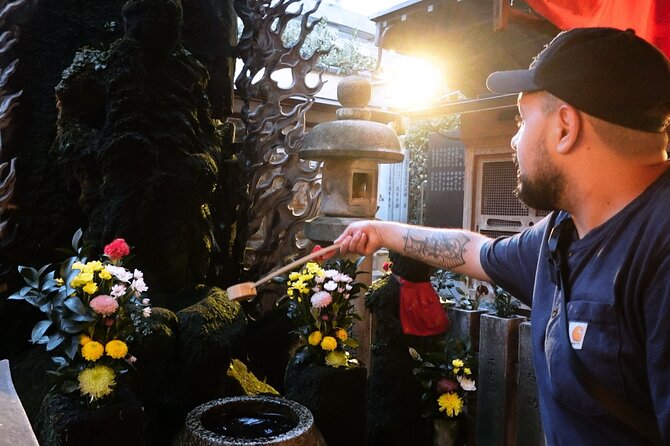
I would recommend this tour to a first-time Osaka visitor who wants context without spending a full day inside museums. It suits you if you like mixing religion, food, shopping streets, local legends, and modern entertainment.
It also works well for families and mixed-age groups. The lion head is visually striking, the capsule machine adds a hands-on moment, and the market and neon streets keep the route varied. Most people can participate, according to the tour information.
Pop-culture fans will appreciate Den-Den Town, while food lovers will enjoy the chance to inspect Kuromon Market and continue into Dotonbori afterward. You do not need to share both interests because the route changes focus often.
I would be more cautious if you want a formal history tour, major admission sites, or a quiet walking pace. The route is mostly about seeing the city from the street, with free-entry stops and explanations along the way.
Wear comfortable shoes and keep room in your schedule after the finish. The tour ends in Dotonbori, where it makes sense to stay for dinner rather than rush elsewhere.
Should you book the Osaka four-hour walk?
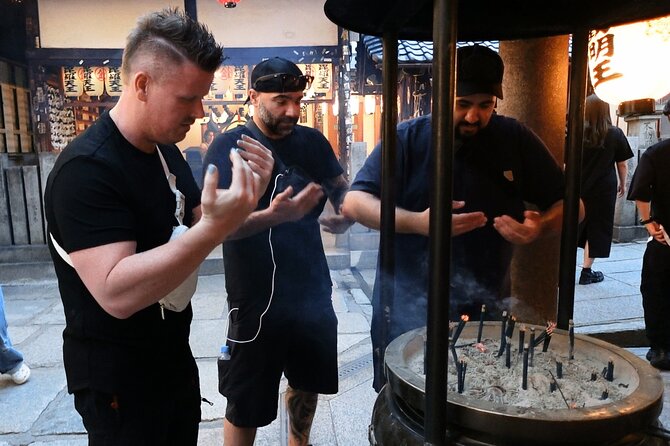
Book it if you want a compact first look at Osaka with a guide who can explain shrine customs, local legends, dialect, food culture, and the city’s modern pop scene. The lion shrine, gachapon stop, Kuromon Market, Glico sign, and Hozenji Temple give the afternoon a good range.
Skip it if you want a food tour with included tastings or a serious temple-and-history program. Also think twice if you dislike busy entertainment districts or prefer to spend an hour at each stop.
For most first visits, the route offers solid value at $40, particularly because it ends in Dotonbori and leaves you free to continue on your own. Confirm the meeting point and guide contact details, allow extra time around New Year, and book this as an introduction to Osaka rather than the final word on the city.
FAQ
How long does the Osaka walking tour last?
The tour lasts approximately four hours and begins at 2:00 pm.
Where does the tour start?
It starts in Naniwa Ward at South Hills Namba Sanbankan, Japan, 556-0015 Osaka, near public transportation.
Where does the tour end?
The tour ends at Ebisubashi in Dotonbori, Osaka’s famous food district. You can continue exploring Dotonbori independently afterward.
What places are included?
The route includes Namba Yasaka Shrine, Nipponbashi or Den-Den Town, Kuromon Market, Dotonbori, and Hozenji Temple.
Is admission included at the stops?
The listed stops have free admission. Food, drinks, and shopping purchases are not stated as included.
How large is the tour group?
The tour has a maximum of 10 participants.
Is the tour suitable for most people?
The tour information says most people can participate. It is a four-hour walking experience, so you should be comfortable walking between the stops.
What is the cancellation policy?
You can cancel at least 24 hours before the start time for a full refund. Cancellations or changes made less than 24 hours before the local start time are not accepted for a refund.
Just added in Osaka
- Urban Canvas: Osaka Street Art Bike Tour★ 5.0 · 10 reviews
- Anime Cosplay Photshoot-50 Digital Photos Provided★ 5.0 · 8 reviews
- TeamLab Botanical Garden Osaka Ticket★ 3.5 · 6 reviews
- Umeda Sky Building & Kuchu Teien Observatory Ticket in Osaka★ 4.5 · 3 reviews
- Immerse in Judo Martial Arts Class from Japan★ 5.0 · 4 reviews
- Cherry Blossom Buddha and Mt.Yoshino with Strawberry Picking Tour★ 4.5 · 5 reviews
- Traditional Home cooking Experience in Osaka, Japan★ 5.0 · 14 reviews
- Traditional Calligraphy Experience near Dotonbori★ 5.0 · 3 reviews
Osaka Walking Tours, compared.
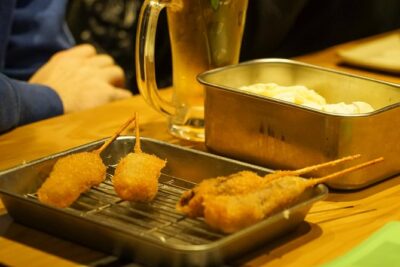
Osaka Local Foodie Walking Tour in Dotonbori and Shinsekai
Read our review →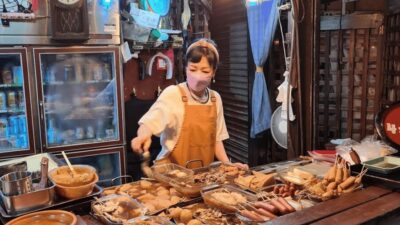
Deep Backstreets Walking Tour with Dinner Option
Read our review →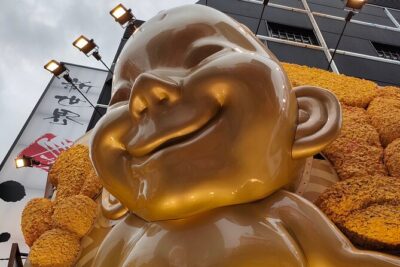
Ultimate Osaka Walking Tour: Castle, Dotonbori & Hidden Gems
Read our review →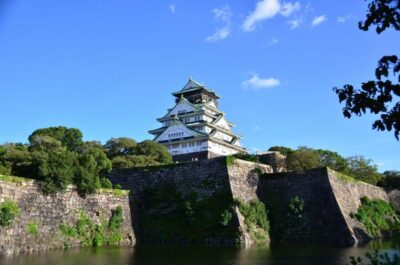
Main Sights and Hidden Spots Guided Walking Tour
Read our review →
Private Osaka Walking Tour: Highlights & Hidden Gems
Read our review →
Osaka Castle Walking Tour and Castle Tower Admission
Read our review →
Kuromon Market Food Walking Tour in Osaka (6 stops, 6 tastes)
Read our review →
Five Must-See Highlights Walking Tour & Ramen Lunch
Read our review →Browse the lists this tour appears in