
Reviewed · OSAKA
Meet Locals experience Fun Chat Drink Osaka International Party
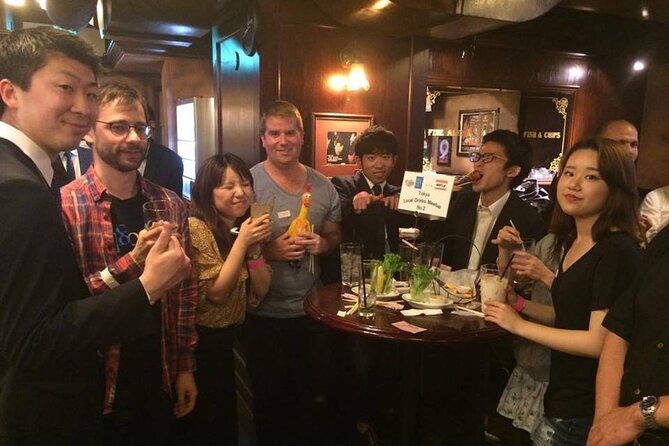
Osaka’s Umeda international party is built for the awkward first hour of a night out. You check in, receive a wristband and a table sign showing your conversation goals, then use simple games and small-group language exchanges to start talking without having to force an introduction.
I like the friendly setup for solo visitors, and I like that UNO and Jenga give you something to do with your hands while you chat. The chance to practice Japanese, English, French, and other languages is another real plus. The main drawback is the price: at $45, it makes the most sense if you plan to use the two-hour drink option and stay for the full event.
- Sunday evening at HUB Umeda Chayamachi: The event runs from 5:00 to 7:30 p.m., a useful time for starting a night in Osaka.
- A wristband and table sign break the ice: Your conversation goals are visible, so other people have an easy opening line.
- Casual standing format: You can move between small groups rather than remain fixed at one table.
- Games keep conversation natural: UNO, Jenga, and playing cards help when language skills or nerves slow things down.
- A mix of Japanese people and international visitors: You can practice languages while making social connections.
- Drinks are part of the value: Alcoholic drinks and sodas are available, but snacks are not included.
What the Osaka International Party Is Really Like
This is less a guided sightseeing tour and more a social evening with a clear structure. You meet at HUB Umeda Chayamachi, a casual bar in Osaka’s Umeda district, and spend roughly two and a half hours moving around, talking, playing light games, and taking part in language exchange.
That distinction matters. You will not see famous sights or hear a detailed explanation of Osaka. You are paying for a ready-made social setting, a host, and drinks. If you already enjoy walking into a bar alone and starting conversations, you may find the format more organized than necessary. If you are shy, traveling alone, or hoping to meet people beyond your hotel or tour group, the structure can be useful.
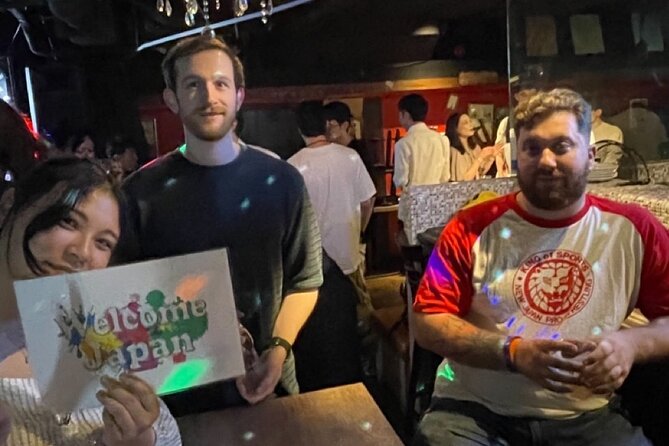
The atmosphere is designed to be low pressure. You do not need to arrive with a friend or a fluent level of Japanese. The event brings together Japanese participants and people from different countries, so English is useful, but it is not the only language in play.
Arriving at HUB Umeda Chayamachi
The meeting point is HUB Umeda Chayamachi. The venue is near public transportation, which makes it practical for an evening in the Umeda area. The supplied schedule lists the event on Sundays from 5:00 to 7:30 p.m.
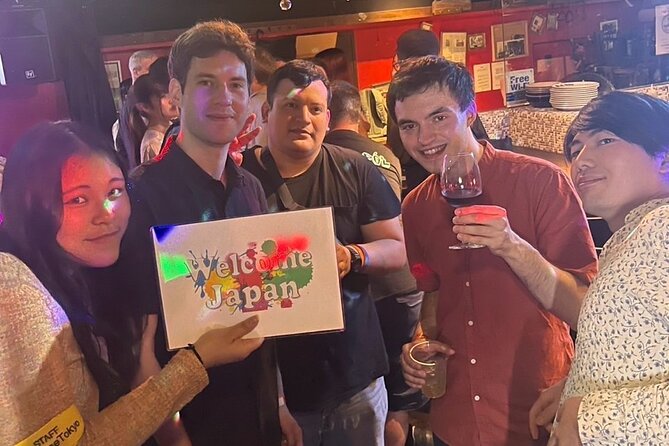
After check-in, you receive a wristband and a table sign. These are small details, but they solve a common problem at social events: nobody knows who is open to talking or what kind of conversation they want. A sign showing your goals can help signal that you are interested in language practice, casual conversation, or meeting new people.
The location also gives you a simple plan for the rest of the evening. You can attend the party, then continue in Umeda if you want food or more nightlife. Keep in mind that snacks are not included, and the available information gives no promise of a meal, so eat beforehand if you do not want to rely on bar food or later plans.
Other Osaka bookings people put this one up against:
- Osaka Go Karting Tour with Funny Costume
★ 5.0 · 2,658 reviews - Osaka Castle: Museum and Tower Entry Ticket
★ 4.5 · 2,380 reviews - Osaka: Shinsekai Food Tour with 13-15 Dishes at 5 Eateries
★ 4.8 · 2,204 reviews
A Standing Event Made for Moving Around
The format is casual and standing. That means you are not assigned to one seat for the whole evening. You can move between groups, meet people from different backgrounds, and leave a conversation without making a formal exit.
I see this as one of the better features for a solo visitor. At a seated dinner, you can become stuck beside one person or one small group. Here, the wristband, table signs, and open format give you reasons to shift around.
The tradeoff is that a standing bar event can feel less settled than a seated class or meal. If you prefer a quiet, predictable setting, the movement and background activity may take some getting used to. You also need to take some initiative. The host helps people connect, but this is still a participation-based evening, not a show where you simply watch.
The format works best if you set yourself a small goal. Try speaking with three different people, or use one conversation to practice a few Japanese phrases. You do not need to become the life of the party. A little movement keeps the evening from depending on one conversation that may or may not click.
Conversation Goals Make the First Approach Easier
The table signs are especially helpful for anyone who dislikes guessing at social signals. You can see who wants language practice, casual conversation, or new friendships, depending on the sign options available at the event.
That gives you a natural opening. You can ask what language someone wants to practice, where they are from, or how long they have been in Osaka. These are basic questions, but basic questions are exactly what you need in the first five minutes.
The event is also useful for people who want to practice Japanese without committing to a formal lesson. You may speak English, Japanese, French, or another language during the small-group exchanges. The experience does not promise a particular language ratio, so you should not book it expecting a Japanese class or a fixed amount of one-on-one practice.
Instead, think of it as real conversation with a social purpose. You may switch languages several times in one group. That can feel more natural than a classroom exercise, though it can also be less structured.
UNO, Jenga, and Playing Cards Keep Things Moving
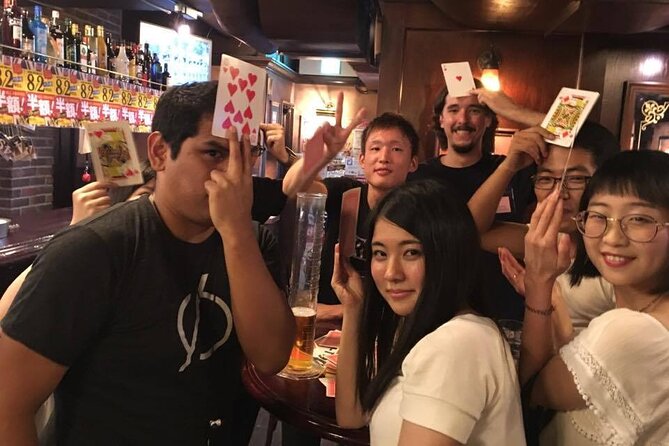
The games are simple by design. UNO, Jenga, and playing cards do not require a long explanation, and you can join a game even if you have just met the people around you.
I like this part because games reduce the pressure to talk constantly. A round of Jenga gives everyone a shared focus. UNO can create quick jokes and friendly competition. When the conversation slows, the game keeps the group together instead of leaving everyone staring at their drink.
Do not expect a full game night or a competitive tournament. These activities are conversation tools. Their value is in helping people interact across language gaps and social nerves.
They are also useful if you arrive alone. You can approach a group already playing and ask to join. That is easier than interrupting a serious conversation between strangers. For many people, this will be the most practical feature of the evening.
Same city, a completely different kind of afternoon:
- Osaka Food Tour: 13 Dishes at 5 Local Eateries
★ 5.0 · 2,149 reviews - Hungry Osaka Street Food Tour:15 Tastings & 3 Drinks with a Local
★ 5.0 · 1,727 reviews - Osaka: Tea Ceremony Experience
★ 4.9 · 1,426 reviews - Osaka Kickstart: Hotspots & Hidden Gems Tour
★ 5.0 · 1,306 reviews
Language Exchange With Japanese and International Participants
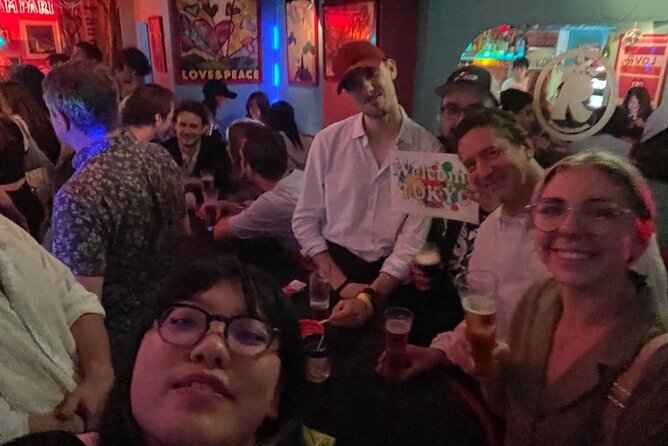
The central appeal is the chance to meet both Japanese people and people from other countries in one place. You might practice Japanese with a local, speak English with someone who is learning it, or switch between languages in a small group.
The language exchange is not presented as a formal lesson. There is no indication of a set curriculum, testing, or private instruction. You should come ready to talk rather than expecting a teacher-led class.
That makes the event a good choice for people who want social practice. You can ask about daily life, travel plans, Osaka neighborhoods, or language learning. The conversation may be more useful than memorizing another list of phrases because you have to respond in real time.
The mix can change from one date to another. The experience promises a diverse group, but it cannot guarantee a certain number of Japanese participants or a particular language. If your main goal is serious Japanese study, a dedicated language class would be more reliable. If your goal is to meet people and use what you know, this format is a better fit.
Drinks, Timing, and the $45 Question
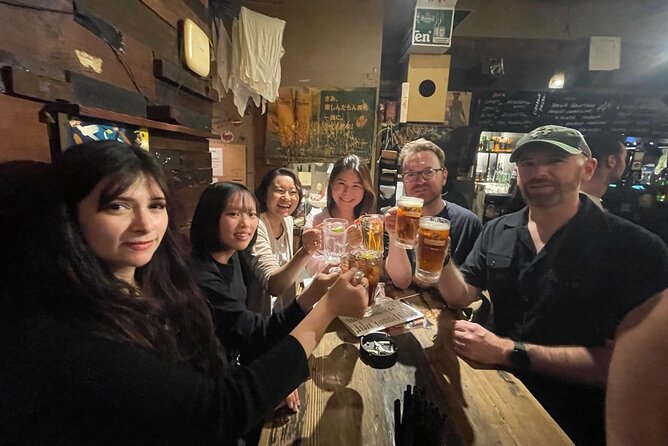
The price is $45 per person. That is not a small charge for a two-and-a-half-hour social event, so you should look closely at what you will use.
The experience includes alcoholic drinks and sodas. The information describes a choice between a one-drink ticket and an all-you-can-drink option lasting two hours. The advertised event lasts about 2.5 hours, so the drink period is shorter than the full social period. The exact booking option matters, and you should check that your selected ticket includes the drink plan you want.
At $45, the value depends on three things:
- You want several drinks during the two-hour window.
- You plan to stay for most or all of the event.
- You place a real value on meeting people in a planned setting.
If you only want one drink and a quick chat, the price may feel steep. If you are alone in Osaka and would otherwise spend the evening trying to find a social setting from scratch, the included drinks, host support, games, and organized introductions make the cost easier to justify.
Alcohol can help some people relax, but you do not need to drink to take part. Sodas are included, and the social format does not depend on heavy drinking. Pace yourself, especially because the event encourages movement and conversation rather than simply sitting at a bar.
One detail needs attention: the supplied information is inconsistent about food and drinks. The main description says drinks are included, while the inclusion notes say alcoholic beverages are not included. The itinerary also describes one-drink and two-hour all-you-can-drink choices. Check the exact option shown at checkout before paying, and assume snacks are not included.
What the Host Adds to the Evening
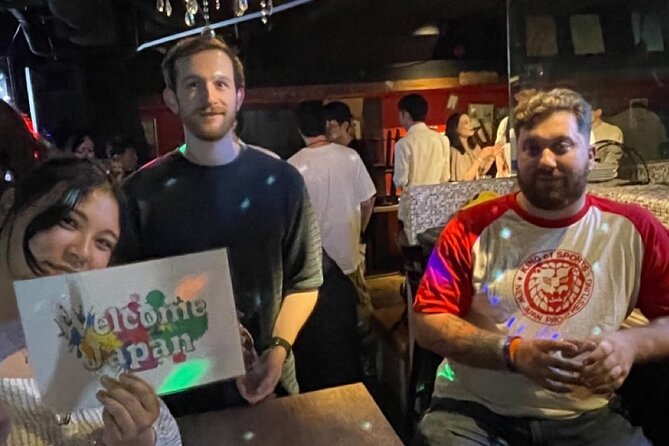
A local guide is included, and the host helps with introductions and the flow of the gathering. One event was led by Hao, who introduced people and helped create a welcoming start. Host names can vary, so do not assume Hao will lead every date.
The host’s role matters most during the first part of the evening. A social event can fail if people cluster with the friends they already know. Introductions and small groups give newcomers a better chance to enter the conversation.
You should still expect to participate. The host can connect people, but no organizer can guarantee that every conversation will be a perfect match. The strongest results will come if you respond to introductions, move between groups, and use the games or language exchange as natural conversation starters.
The bar staff also plays a part in the experience. The available comments describe friendly, informative service and mention that staff can explain happy hour deals. Those deals are separate from the event, so ask before ordering anything beyond the included option.
Who Will Get the Most From This Experience
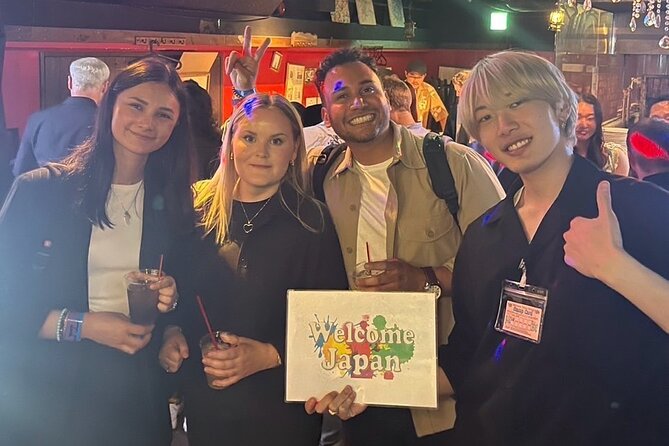
I would choose this event for a solo visitor who wants company without booking a full dinner or a late-night club outing. It also suits a shy person who wants a clear reason to approach others.
It is a good match if you:
- Want to meet Japanese people and international visitors.
- Are interested in practicing Japanese, English, French, or another language.
- Like casual games and standing social events.
- Prefer a hosted introduction to walking into a bar alone.
- Want a Sunday evening activity in Umeda.
- Are comfortable making conversation with new people.
It may not suit you if you want sightseeing, a quiet meal, a formal language lesson, or a carefully planned cultural activity. The event is about people, not Osaka landmarks. You also may not get much from it if you dislike group settings or expect the host to carry every conversation.
The best mindset is to treat the evening as a social opportunity, not a guaranteed friendship service. You may meet someone you want to see again, or you may simply enjoy a few good conversations and practice some language. Both outcomes can make the event worthwhile.
Practical Details Before You Go
You receive confirmation when you book, and the experience uses a mobile ticket. The meeting point is near public transportation, and the event is listed for Sunday from 5:00 to 7:30 p.m.
The duration is approximately 2 hours and 30 minutes. The all-you-can-drink option is described as lasting two hours, so allow the full event period rather than planning another appointment immediately afterward.
Most people can take part, and the available information does not list special physical requirements. The standing format is worth noting if you prefer seated activities.
Free cancellation is available when you cancel at least 24 hours before the local start time. Cancellations or changes made within 24 hours are not accepted for a refund. That gives you some flexibility, but the cutoff is firm.
Should You Book the Osaka International Party?
Book it if you want a structured way to meet people in Osaka and you value the included drinks, games, and host-led introductions. It is particularly useful for solo visitors, language learners, and anyone who would rather not spend a Sunday evening figuring out how to enter a social scene alone.
At $45, I would not book it just for a single drink. I would book it for the full combination of two hours of drinks, guided introductions, language exchange, and a ready-made group. Check the drink inclusion at checkout because the supplied details are not perfectly consistent, and plan to eat before or after.
If your ideal Osaka evening means temples, food, or quiet streets, choose another activity. If your ideal evening means meeting new people, playing a quick game, and talking with Japanese and international participants, this is a practical place to begin.
FAQ
Where does the Osaka International Party take place?
It takes place at HUB Umeda Chayamachi in Osaka.
What day and time is the event held?
The listed schedule is Sunday from 5:00 p.m. to 7:30 p.m.
How long does the experience last?
The experience lasts approximately 2 hours and 30 minutes.
Are drinks included?
Alcoholic drinks and sodas are described as included, with a choice between a one-drink ticket and an all-you-can-drink option lasting two hours. Check the exact ticket details before booking because the supplied information is inconsistent.
Is food included?
No. Snacks are not included, and food is not listed among the included items.
What activities are available during the event?
You can take part in language exchange groups and play UNO, Jenga, and playing-card games.
Can I attend alone?
Yes. The event is designed as a friendly setting for solo visitors and people who feel shy about meeting others.
Can I cancel for a full refund?
Yes, if you cancel at least 24 hours before the experience begins. Cancellations or changes made less than 24 hours before the local start time are not accepted for a refund.
Just added in Osaka
- Urban Canvas: Osaka Street Art Bike Tour★ 5.0 · 10 reviews
- Anime Cosplay Photshoot-50 Digital Photos Provided★ 5.0 · 8 reviews
- TeamLab Botanical Garden Osaka Ticket★ 3.5 · 6 reviews
- Umeda Sky Building & Kuchu Teien Observatory Ticket in Osaka★ 4.5 · 3 reviews
- Immerse in Judo Martial Arts Class from Japan★ 5.0 · 4 reviews
- Cherry Blossom Buddha and Mt.Yoshino with Strawberry Picking Tour★ 4.5 · 5 reviews
- Traditional Home cooking Experience in Osaka, Japan★ 5.0 · 14 reviews
- Traditional Calligraphy Experience near Dotonbori★ 5.0 · 3 reviews