
Reviewed · OSAKA
Seasonal Japanese Culture Osaka Paint and Wine Experience
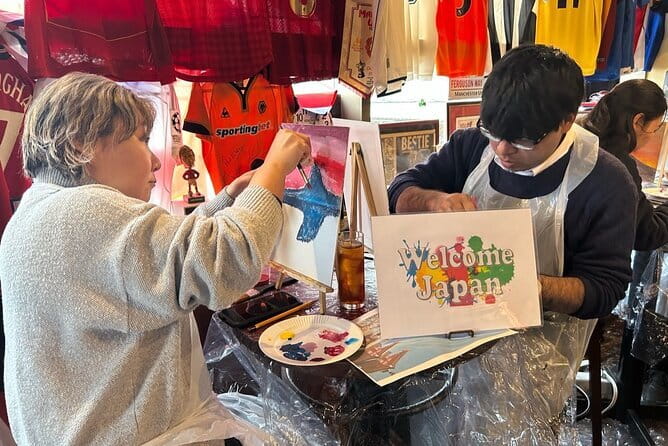
The best part of this Osaka paint and wine experience is its easygoing mix of art, drinks, and conversation. You paint a seasonal Japanese subject in acrylic, but you are not simply copying an instructor’s canvas line by line. You have room to make the picture your own, with help from host and artist Miyuki.
I like the two included drinks, which make the three-hour session feel like a social afternoon rather than a formal art class. I also like the beginner-friendly approach: Miyuki gives practical advice on drawing and painting, and first-timers have produced work they felt proud to take home. The main thing to consider is that food is not included, and the venue’s exterior can look a little rough before you reach the more relaxed room inside.
Key points to know before booking
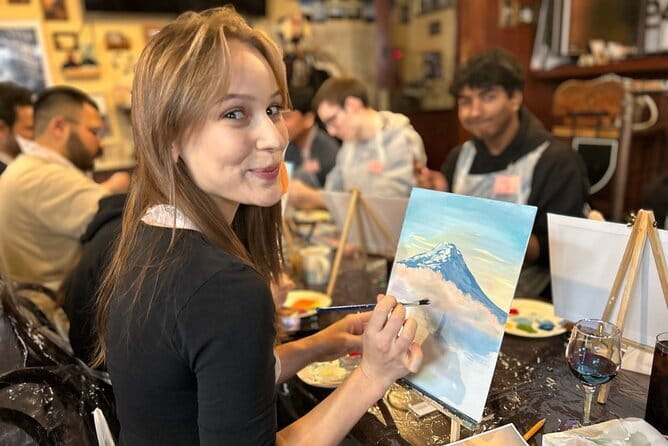
- Seasonal Japanese subjects: Paint cherry blossoms, fireworks, Halloween scenes, Christmas images, and other monthly themes.
- Miyuki leads the session: She helps with both drawing and painting techniques and speaks strong English.
- Two drinks included: Choose wine, another alcoholic drink, or soft drinks. Anyone under 20 receives non-alcoholic drinks.
- Designed for beginners: Materials, aprons, gloves, and paints are supplied, so you only need to arrive ready to try.
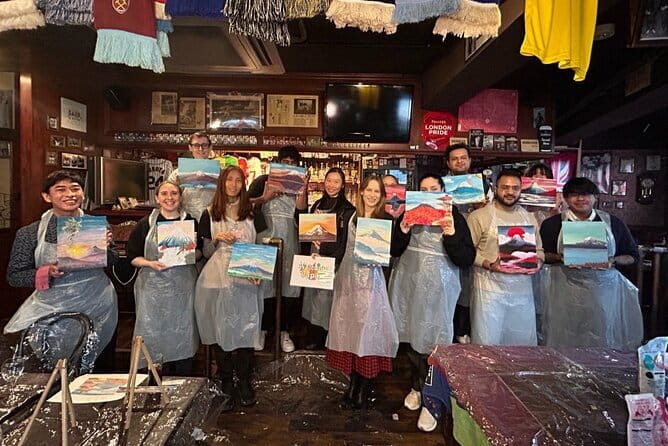
- Small social setting: The group limit is 20 people, with time to talk, visit a gallery, and see everyone’s different artwork.
- Take-home souvenir: Your finished canvas becomes a personal Osaka memento, not a mass-produced trinket.
A creative afternoon in Shinsaibashi
This is a three-hour activity built around making art at a comfortable pace. It begins at 1:30 p.m. at Cafe&Bar go garageGallery, in Higashishinsaibashi, one of Osaka’s best-known central areas for eating, shopping, and nightlife.
The activity stays at the meeting point from start to finish. That matters because you do not lose time moving between several stops, and you can settle into the painting instead of watching the clock. It also makes this a useful choice for an afternoon when you want a break from Osaka’s busy streets.
The event has a social feel. You paint, have a drink, talk with people from different places, and look at the work developing around you. If you arrive hoping for a silent studio lesson, this may feel more conversational than expected. If you want an easy way to meet people without signing up for a full night out, the format works well.
The group can include up to 20 people. That is large enough for a friendly room, but still small enough for the instructor to offer individual help. The exact mood will depend on the group, of course. Some people may focus quietly on their canvas, while others may chat throughout the session.
A few more Osaka half-days worth pricing up
- Osaka Winery Tour with Wine Tasting & Vineyard Walk
★ 4.9 · 12 reviews
What you paint changes with the month
The artwork follows a yearly calendar of Japanese and seasonal subjects. The exact theme can change, so check the date when you book if the subject is important to you.
The annual themes are:
- January: Hatsumode, Japan’s first shrine visit of the year
- February: Sky Lanterns
- March: Cherry Blossoms
- April: Easter
- May: Osaka
- June: Umbrella Street
- July: Fireworks
- August: Ocean
- September: Autumn in Kyoto
- October: Halloween
- November: Snow Monkeys
- December: Christmas
March is especially appealing if you want a classic image of Japan. The cherry blossom theme can include trees in full bloom or a night sakura scene, giving you a chance to work with pale petals, dark skies, and glowing color.
The seasonal idea adds meaning to the souvenir. A canvas of cherry blossoms in March connects to the time of year you visited, while an Osaka theme in May or a fireworks image in July gives the activity a more local or festive feel.
Do not expect every person in the room to finish the same picture. The session uses the monthly subject as a starting point, but the finished works can differ. One person may focus on composition, another on color, and another on a loose, playful style. That freedom is a strength if you want something personal.
It can be a drawback if you expected a strict paint-along class with one exact result. You will get guidance, but you still need to make choices about your own canvas.
How the 1:30 p.m. session unfolds
Beginners receive an introduction at 1:30 p.m., and then the full group begins painting together. The opening guidance is meant to remove the fear of facing a blank canvas. You can ask for help with drawing, brushwork, and painting techniques instead of trying to guess your way through the first stage.
Miyuki is the key person here. She is described as friendly, lively, and helpful, with strong English skills. She has helped people who had never painted before, while also giving more experienced participants advice on technique.
The session then moves into a longer painting period. You have time to work at your own speed rather than rushing through a short craft demonstration. That slower pace is useful when you are learning how acrylic paint behaves, deciding which colors to use, or simply trying to enjoy the process.
At some point, the group explores a gallery, chats, and returns to continue painting. This breaks up the activity and gives you a chance to see how other people approach the same seasonal idea. It also keeps the session from becoming three straight hours of staring at one canvas.
The last part is about finishing and sharing the work. You leave with your own painting, along with the memory of making it in Osaka. The end product does not need to look professional. The value is in having a handmade piece tied to your trip.
Why the beginner-friendly setup works
Many paint-and-drink events assume that everyone wants to follow the same demonstration. This one appears more open. You can receive instruction while still making a picture that reflects your own choices.
That is good news if you feel unsure about your artistic ability. The supplied feedback describes first-time painters learning new techniques and feeling satisfied with their results. The important point is not that you will suddenly become an expert. It is that you will have enough support to keep going when the first brushstrokes look imperfect.
Miyuki’s teaching style also seems to cover more than basic encouragement. She gives advice on both drawing and painting, which may help you with the structure of the image as well as the color and brushwork. If you already paint, you may pick up a few useful ideas while working alongside beginners.
All core supplies are included:
- Acrylic paints
- Painting materials
- Aprons
- Gloves
- Canvas and other supplies needed for the artwork
You do not need to pack art equipment. That makes this simple to add to a Japan itinerary, especially if you are traveling with limited luggage. You also do not need prior experience.
The gloves and aprons are practical touches. Acrylic paint can be messy, and you can focus more on the picture when you are not worried about every mark on your clothing. Still, wear something comfortable that you would not mind getting a spot of paint on, since the supplied protection is not a promise of complete cleanliness.
Same city, a completely different kind of afternoon:
- Osaka Go Karting Tour with Funny Costume
★ 5.0 · 2,658 reviews - Osaka Castle: Museum and Tower Entry Ticket
★ 4.5 · 2,380 reviews - Osaka: Shinsekai Food Tour with 13-15 Dishes at 5 Eateries
★ 4.8 · 2,204 reviews - Osaka Food Tour: 13 Dishes at 5 Local Eateries
★ 5.0 · 2,149 reviews
Two drinks, no food
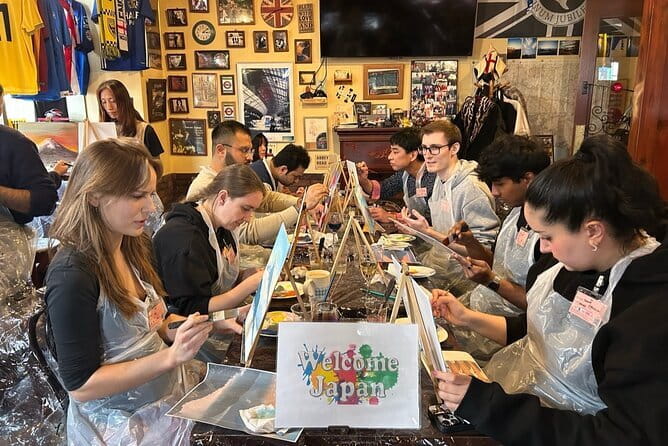
The price includes two drinks. You can choose wine or soft drinks, and minors receive non-alcoholic options because Japanese law does not permit alcohol consumption under age 20.
This is one of the better parts of the value. A drink helps turn the painting into a relaxed social event, and two servings give you something to enjoy during the full session. The wording allows for an alcoholic or non-alcoholic choice, so you are not left out if you do not drink.
Food is not included. Plan to eat before or after, especially since the event lasts about three hours and painting can make an afternoon feel longer. Shinsaibashi is a practical place for a meal, but the food itself is outside the booking.
Remember that this is not a wine-tasting event. The drinks support the social mood, but the main activity is painting. You should book it for the creative experience, not for a detailed lesson in Japanese wine or a meal with a canvas attached.
The room, the gallery, and the social side
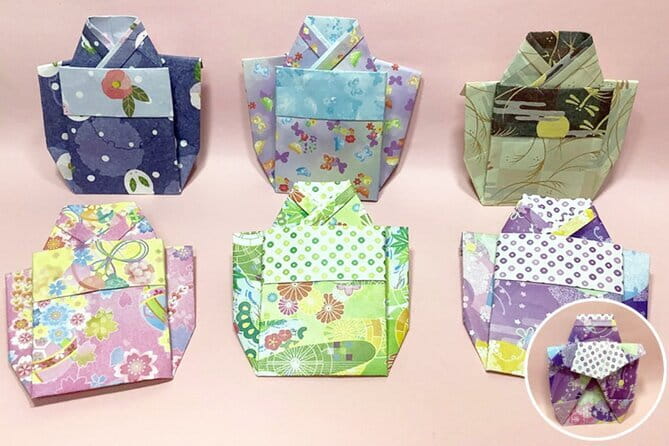
The venue combines a cafe and bar with a gallery setting. That gives the activity a more informal character than a traditional school or museum workshop. You are there to make something, look around, and talk.
A useful practical note is that the outside of the building may look a little intimidating. The inside atmosphere is described as calm and comfortable, so do not judge the experience entirely by your first view of the entrance.
The gallery element adds a small cultural touch. You are not only sitting at a table with supplies. You also get a chance to see art around you and discuss what you are making. The experience may appeal to people who like creative spaces but do not want a formal guided museum visit.
The social atmosphere is one of the strongest reasons to book. The session gives you a natural topic of conversation because everyone is working on something visible. You can ask about colors, compare progress, or talk about travel without forcing small talk.
That does not mean you must be outgoing. You can work quietly and still take part. The group format simply makes conversation easier if you want it.
Is $63.93 a fair price?
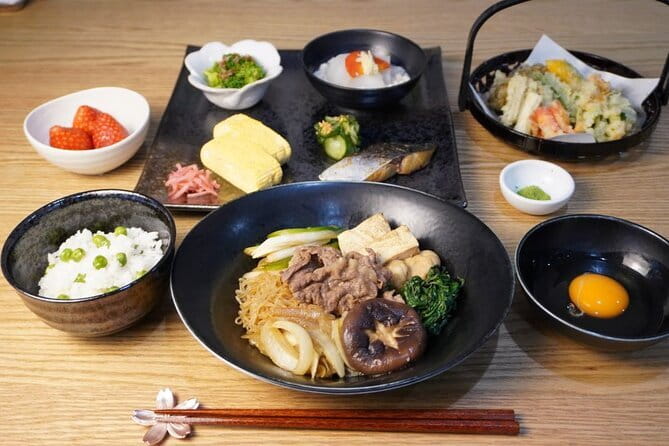
At $63.93 per person, this is not the cheapest craft activity in Osaka. It is also more than the cost of buying a small souvenir. The price includes roughly three hours of instruction and studio time, all painting supplies, protective gear, two drinks, and the canvas you take home.
That package makes the price reasonable for someone who values time spent doing something rather than only collecting an object. You are paying for the setting, the instruction, the materials, and the social experience, not just for paint.
The value is strongest for a first-time painter. Buying supplies and finding a place to work would be inconvenient during a short Japan visit, while this gives you everything in one booking. It is also a useful option for a birthday, a couple’s activity, or a rainy afternoon.
The value is weaker if you already have a private studio, only want a quick souvenir, or dislike group activities. You may also want to compare it with a regular art class if your main goal is technical training. This session places equal weight on relaxation and meeting people.
The experience is often booked about 37 days ahead, which suggests planning early if your Osaka dates are fixed. The group limit is 20, and free cancellation is available up to 24 hours before the start time. Changes or cancellations inside that 24-hour window are not accepted for a refund.
Who will enjoy this most?
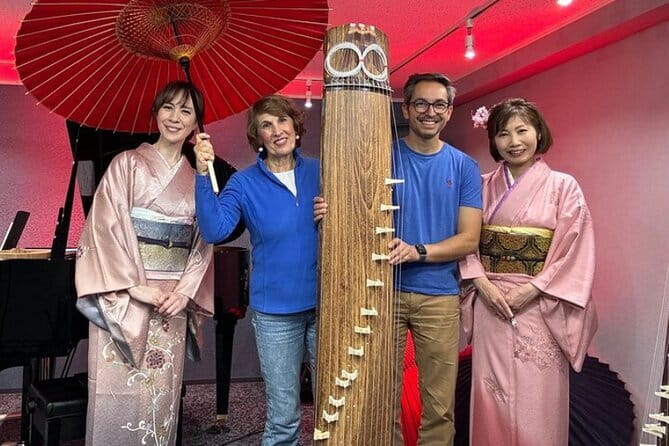
I would recommend this activity to you if you fit one or more of these descriptions:
- You want an afternoon break from sightseeing.
- You are curious about Japanese seasonal culture but prefer a hands-on activity.
- You are a beginner who wants help without a formal classroom atmosphere.
- You are traveling alone and would like an easy setting for meeting people.
- You want a personal souvenir that you made yourself.
- You are planning a birthday or a relaxed creative outing with a partner or friend.
It is also a good choice for someone who says they are not artistic. The format does not require a painting background, and the instructor can offer help as you work.
I would hesitate to recommend it if you want a precise, step-by-step class in which everyone copies one finished image. The open approach means your result may look quite different from someone else’s. That is part of the appeal, but it will not suit every painting style.
Getting there and planning your afternoon
The meeting point is Cafe&Bar go garageGallery Bldg., 1-chōme-18-6 Higashishinsaibashi, Chuo Ward, Osaka, 542-0083, Japan. It is near public transportation, and the activity ends at the same place.
Allow enough time to find the entrance, particularly because the outside may not immediately look like an art venue. A mobile ticket is provided, and confirmation arrives when you book.
The start time is 1:30 p.m. Since the session lasts about three hours, you should have the evening free afterward. That makes it easy to pair with dinner or an evening walk through central Osaka, but food planning is up to you.
The activity is suitable for most people. The supplied information does not promise a specific accessibility setup, so if you have mobility or other access needs, confirm details before booking.
Should you book the Osaka paint and wine experience?
Book it if you want a relaxed, social afternoon with a Japanese seasonal theme and a handmade souvenir. The two drinks, full supply kit, beginner support, and small group size give the $63.93 price solid value for a three-hour activity.
Miyuki’s friendly instruction is a major reason this works for first-timers. Just remember that the event is open-ended rather than a strict paint-along class, and bring your own plan for food. For a creative break in Shinsaibashi, this is a thoughtful alternative to another pass through Osaka’s shops and sights.
FAQ
Where does the painting experience take place?
It takes place at Cafe&Bar go garageGallery Bldg., 1-chōme-18-6 Higashishinsaibashi, Chuo Ward, Osaka, 542-0083, Japan.
What time does the activity start?
The activity starts at 1:30 p.m.
How long does the experience last?
It lasts approximately three hours.
What seasonal themes are available?
Themes change by month. They include Hatsumode in January, Sky Lanterns in February, Cherry Blossoms in March, Easter in April, Osaka in May, Umbrella Street in June, Fireworks in July, Ocean in August, Autumn in Kyoto in September, Halloween in October, Snow Monkeys in November, and Christmas in December.
Are painting supplies provided?
Yes. Paints and other painting supplies are provided, along with aprons and gloves.
Do I need painting experience?
No. The activity is suitable for beginners, and an introduction is provided at the start. Miyuki also gives advice on drawing and painting techniques.
Are drinks included?
Yes. Two drinks are included. You can receive wine or soft drinks, and anyone under 20 is provided with non-alcoholic drinks.
Is food included?
No. Food is not included in the activity.
Can I keep the painting?
Yes. You can take your finished artwork home.
What is the cancellation policy?
You can cancel up to 24 hours before the local start time for a full refund. Cancellations or changes made less than 24 hours before the start time are not accepted for a refund.
Just added in Osaka
- Urban Canvas: Osaka Street Art Bike Tour★ 5.0 · 10 reviews
- Anime Cosplay Photshoot-50 Digital Photos Provided★ 5.0 · 8 reviews
- TeamLab Botanical Garden Osaka Ticket★ 3.5 · 6 reviews
- Umeda Sky Building & Kuchu Teien Observatory Ticket in Osaka★ 4.5 · 3 reviews
- Immerse in Judo Martial Arts Class from Japan★ 5.0 · 4 reviews
- Cherry Blossom Buddha and Mt.Yoshino with Strawberry Picking Tour★ 4.5 · 5 reviews
- Traditional Home cooking Experience in Osaka, Japan★ 5.0 · 14 reviews
- Traditional Calligraphy Experience near Dotonbori★ 5.0 · 3 reviews