
Reviewed · OSAKA WALKING TOURS
Osaka Walking Tour to Local Gems, Food & Culture
Osaka reveals itself best on foot, one neighborhood at a time. This 2.5-hour walk moves from the shops and subcultures of Amemura to the neon of Dotonbori, the moss-covered statue at Hozen-ji, the food stalls of Kuromon Market, and the knife shops of Dōguya-suji. It gives you the famous sights, but also the odd corners that explain how Osaka lives.
I like the small maximum group of 12, which keeps the walk personal and makes questions easier. I also like the range of guides, including Jay, Matt, Calvin, and EJ, who bring different stories, humor, and practical advice. The main consideration is pace: eight stops in 150 minutes means some visits are brief, and snacks are not included.
Key points to know before booking
- Eight Osaka neighborhoods in one walk: You move from Horie and Amemura through Namba’s food, shopping, entertainment, and cultural districts.
- A useful first-day tour: Guides can point out places to eat, shop, and explore for the rest of your stay.
- Local culture beyond neon signs: Amemura’s youth culture, Nipponbashi’s anime scene, and Dōguya-suji’s kitchen shops add texture to the usual Osaka route.
- Food is part of the story, not part of the ticket: Kuromon Market is included, but snacks and food purchases are extra.
- Morning or afternoon departures: You can fit the walk around other Osaka plans.
- A low-cost introduction: At $25 per person, the tour offers a useful orientation for a modest price.
Why this route works for a first look at Osaka
This walk links several districts that can feel separate when you explore them alone. You start near Shinsaibashi and finish near Namba Grand Kagetsu, covering a broad slice of central Osaka without spending time on trains between each stop.
The route is especially useful if you want context. Dotonbori is easy to find, but its signs and crowds do not explain much on their own. A guide can connect the food streets, temples, shopping lanes, entertainment venues, and local subcultures into a clearer picture.
The tour also avoids being only a greatest-hits walk. You see the well-known canal district, but you also visit America-mura, Nipponbashi, and Dōguya-suji. Those places show Osaka as a working, shopping, eating, and creative city rather than just a photo stop.
At $25, I consider the price fair. All fees and taxes are included, as is the licensed guide. You will still pay for anything you eat or buy, but the admission-free nature of the stops keeps the basic cost simple.
More walking tours in Osaka:
- Osaka Local Foodie Walking Tour in Dotonbori and Shinsekai
★ 5.0 · 985 reviews - Osaka: Deep Backstreets Walking Tour with Dinner Option
★ 4.9 · 902 reviews - Ultimate Osaka Walking Tour: Castle, Dotonbori & Hidden Gems
★ 5.0 · 862 reviews
Horie Park starts the walk quietly
Horie Park provides a calm opening before the city’s louder districts take over. The 20-minute stop gives you a chance to walk through greenery and well-kept paths while your guide sets the scene for the neighborhoods ahead.
This is not a major attraction that demands a long visit. Its value is practical. You begin with an easy walk rather than stepping straight into the noise of Dotonbori, and you get a sense of how small green spaces fit into central Osaka.
The stop is free, like the other listed locations. Wear shoes you can use comfortably for the full route, since this is a real walking tour rather than a series of short transfers.
America-mura shows Osaka’s younger side
America-mura, usually shortened to Amemura, is one of the more distinctive parts of the route. Its name means American Village, and the area is known for shops, cafes, restaurants, and youth-oriented street culture.
You spend about 20 minutes here. That is enough to get the flavor of the district and hear about its local subcultures, but not enough for a long shopping session. If you see a store you want to explore, make a note of it and return later.
This stop helps explain why the tour is more than a standard central Osaka walk. You are not only looking at old temples and food markets. You are also seeing the styles, shops, and habits that shape modern Osaka.
Guides such as Jay have been praised for explaining Japanese subcultures and adding personal connections to Osaka. Matt has also been noted for explaining what is currently popular in the city. The exact guide is not guaranteed, but the format allows room for that kind of local perspective.
Namba Hatch and the entertainment district
The 20-minute stop at Namba Hatch introduces a different part of Osaka’s social life. This venue hosts concerts, performances, and other live events, with capacity for about 1,200 people.
You may not enter for a performance during the walk. Instead, the stop helps place Namba’s entertainment culture within the wider neighborhood. It also gives the route a useful change of mood after the shops and cafes of Amemura.
For a visitor, the practical value is simple: you learn where Osaka’s live-event scene fits into the city center. If music or performances are part of your plans, this may help you understand the area before returning on your own.
More food and drink tours in Osaka:
- Osaka: Shinsekai Food Tour with 13-15 Dishes at 5 Eateries
★ 4.8 · 2,204 reviews - Osaka Food Tour: 13 Dishes at 5 Local Eateries
★ 5.0 · 2,149 reviews - Hungry Osaka Street Food Tour:15 Tastings & 3 Drinks with a Local
★ 5.0 · 1,727 reviews - Hungry Osaka Street Food Tour: 15 Dishes & 3 Drinks
★ 4.9 · 694 reviews
Dotonbori is brief, bright, and crowded
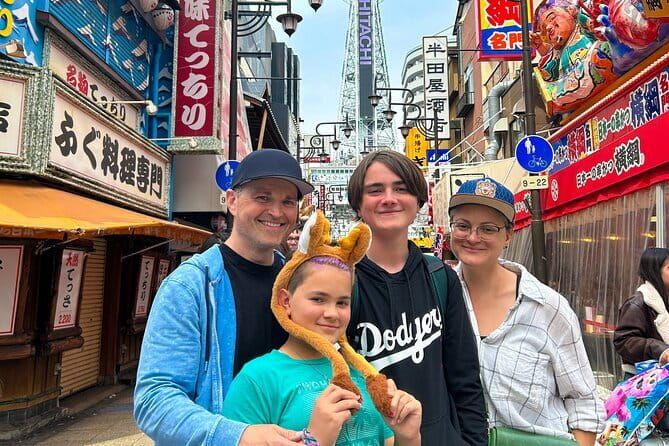
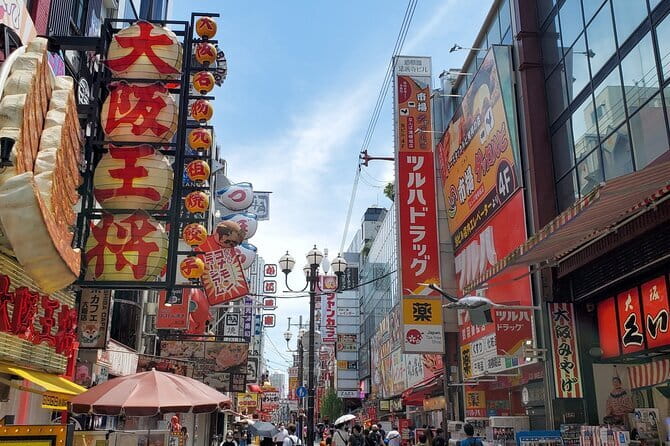
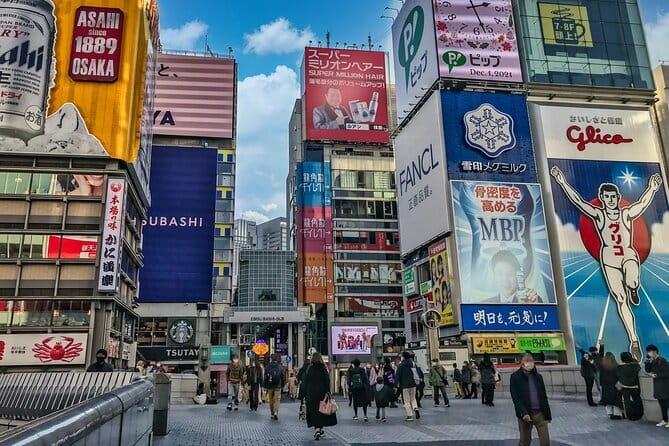
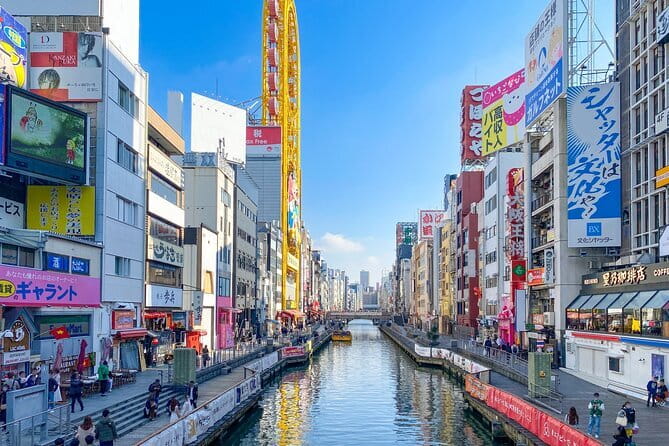
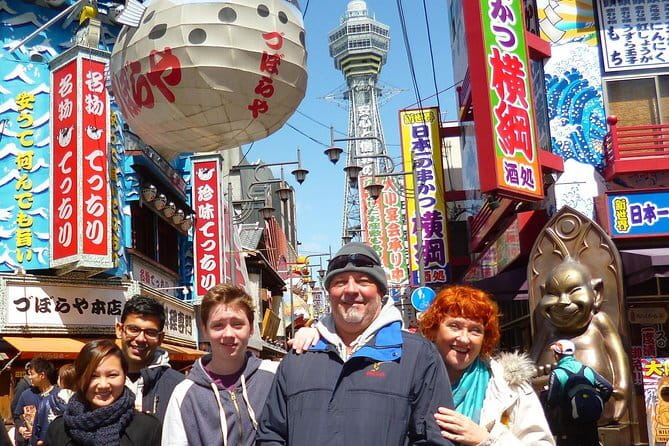
Dotonbori receives about 10 minutes, making it one of the shortest stops. That may seem surprising, but the district is easy to recognize once you arrive. Neon signs, the canal, restaurants, and constant movement create the scene without needing a long explanation.
The short visit is useful for orientation and photographs. It is less useful if you want to stop for a full meal, browse every side street, or spend time at each landmark. You should treat this as an introduction, then return later if Dotonbori catches your interest.
This is also where the value of a guide becomes clear. The district can feel like a wall of signs and restaurant fronts. A good explanation gives you a little order, helping you understand how the area fits into Osaka’s food and entertainment culture.
The tour does not include snacks, so keep that in mind here and at Kuromon Market. You can buy food during or after the walk, but those purchases are your responsibility.
Hozen-ji Temple offers a quiet pause
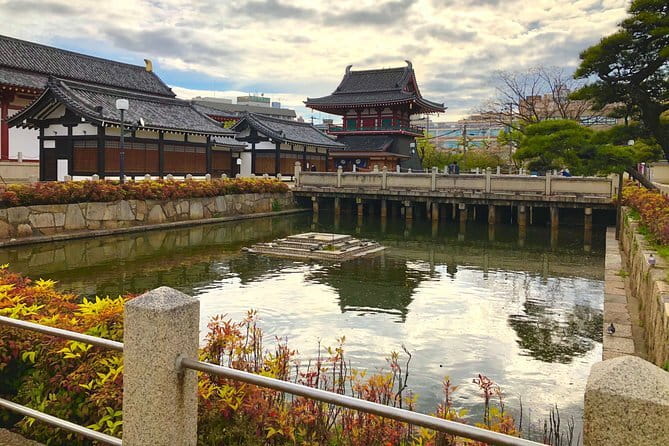
Hozen-ji Temple sits close to Dotonbori, yet the mood changes quickly. Founded in 1637, the temple is known for its moss-covered statue of Fudō Myōō, a fierce Buddhist deity.
The tour allows about 20 minutes here. That is enough time to pause, look closely at the statue, and hear about the temple’s place in Osaka. The contrast with the nearby entertainment district makes this one of the strongest parts of the walk.
Hozen-ji also shows why a walking route works well in Osaka. You do not need to travel far to move from loud commercial streets to a small religious site with centuries of history. A guide can point out that shift, which is easy to miss when you are focused on signs and crowds.
Kuromon Market is the food center of the tour

Kuromon Ichiba Market receives the longest stop, about 30 minutes. That makes sense. The market is known for seafood, produce, and local foods, and it gives you the best chance to connect Osaka’s food culture with what you see in the streets.
You can browse stalls and decide what looks worth trying. Since snacks are not included, bring some spending money if you want to eat. The tour price covers the guide and fees, not market purchases.
Thirty minutes is enough for a first pass, but it is not a leisurely market meal. If you want to sample several foods or shop for ingredients, return later with more time. The guide’s suggestions can help you avoid wasting that second visit.
Food advice is one of the tour’s most useful practical features. Several people specifically valued suggestions for places to eat, and Matt was praised for pointing out shopping and dining options on a first day in Osaka. That is the kind of information you can use immediately after the tour.
Nipponbashi adds anime and electronics culture
Nipponbashi receives about 10 minutes, so expect a quick introduction rather than a full shopping trip. The district is associated with electronics, anime, and otaku culture, making it a different kind of local experience from the market and temple.
If you are interested in Japanese pop culture, this stop can help you identify the area you want to revisit. If you are not, it still shows another side of Osaka’s commercial life.
The brief timing is the main limitation. You will not have time to carefully compare products or explore every shop. Use the guide’s comments to decide if Nipponbashi deserves a longer visit during your own schedule.
Dōguya-suji explains Osaka’s kitchen trade
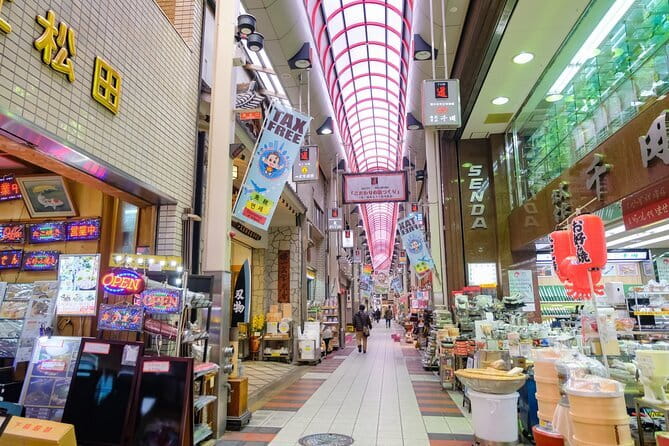
The final stop is Dōguya-suji, also called Kitchenware Street. This shopping street is lined with stores selling kitchen tools, restaurant supplies, cookware, and household goods.
The tour description highlights it as the street where many local chefs shop for knives. That detail gives the stop more purpose than a simple shopping lane. You are seeing a working part of Osaka’s food identity, not just looking at souvenirs.
You may find knives, utensils, dishes, and other kitchen goods here. The 20-minute visit lets you see the range, but serious shoppers should plan to return. Buying a knife or larger item also requires thought about price, size, and carrying it for the rest of your trip.
The walk ends at Namba Grand Kagetsu, a useful location near Namba’s shopping and entertainment areas. That gives you an easy starting point for dinner, more shopping, or a return visit to one of the districts covered earlier.
Guides make the difference
The provider uses licensed guides, and the guide can strongly shape the experience. Jay is frequently singled out for humor, cultural explanations, and personal insight into Osaka. Matt is described as friendly, organized, and helpful with current dining and shopping ideas. Calvin is noted for punctuality, communication, and answering questions. EJ is praised for storytelling and keeping a group informed.
You are not guaranteed a particular guide, so book this for the route and format rather than one person. Still, the pattern is encouraging: the strongest part of the experience appears to be the human explanation placed between the stops.
The guides also seem comfortable with different groups. Families with teenagers have found the walk engaging, and the small-group setup can make it easier for a guide to adjust explanations and answer questions. One family also found the tour useful as a first-day introduction, which is exactly when this route makes the most sense.
Good communication matters for a walking tour. One booking mix-up involved people arriving at the finish point instead of the start, but support helped connect them with the group. That is a reminder to check the meeting point carefully: Apple Shinsaibashi at 1-chōme 5, Nishishinsaibashi, not the Namba finish point.
Timing, comfort, and practical details
The tour runs for about two and a half hours and is offered in the morning or afternoon. Morning may suit you if you want food and shopping ideas early in your stay. An afternoon departure may work better if your Osaka plans begin later.
The start is near public transportation in Shinsaibashi. The finish at Namba Grand Kagetsu places you near more restaurants, shops, and transport options. Because the route covers several districts, allow yourself flexibility after the tour rather than booking a tight appointment immediately afterward.
Wear comfortable shoes. The route is not described as strenuous, and most people can participate, but the value comes from walking through all eight areas. Hot weather may make the route feel harder, though guides have been willing to pause when needed. Rain does not automatically stop the experience, but bring suitable clothing.
Service animals are allowed. Confirmation arrives at booking, and free cancellation is available when you cancel at least 24 hours before the start time. Changes or cancellations inside that window are not accepted for a refund.
Who will get the most from this tour?
I would choose this walk if you are visiting Osaka for the first time, especially if you want a quick map of central neighborhoods. It is also a good fit for families with older children or teenagers, people who like food culture, and anyone who prefers local streets to a bus tour.
The tour works well as an opening activity because it gives you ideas for later meals, shopping, and evening plans. You can return to Kuromon Market, Dotonbori, Nipponbashi, or Dōguya-suji with a better sense of what each area offers.
It is less suitable if you want a slow food crawl, extensive shopping time, or long visits at historic sites. The schedule is packed, and Dotonbori, Nipponbashi, and the market receive limited time. You will see a lot, but you will not fully explore every stop.
Should you book the Osaka walking tour?
Book it if you want an affordable, guided introduction that mixes famous Osaka sights with neighborhoods many short visits skip. The $25 price is strong for a licensed guide, a small group capped at 12, and a route covering eight central stops.
I would book it early in your Osaka stay, choose comfortable shoes, and bring money for snacks at Kuromon Market. Go in expecting a fast-moving orientation rather than a full food tour or detailed visit at each location. If that sounds right, this walk gives you a useful first layer of Osaka, with enough local detail to shape the rest of your trip.
FAQ
How long does the Osaka walking tour last?
The tour lasts approximately 2 hours and 30 minutes.
How much does the tour cost?
The listed price is $25 per person.
Where does the tour start?
The tour starts at Apple Shinsaibashi, 1-chōme 5, Nishishinsaibashi, Chuo Ward, Osaka.
Where does the tour finish?
The tour finishes at Namba Grand Kagetsu, 11-6 Nanbasennichimae, Chuo Ward, Osaka.
What places are included on the route?
The route includes Horie Park, America-mura, Namba Hatch, Dotonbori, Hozen-ji Temple, Kuromon Market, Nipponbashi, and Dōguya-suji Kitchenware Street.
Are food and snacks included?
No. Snacks are not included, so you pay separately for any food or drinks you buy.
Is a guide included?
Yes. A licensed guide is included, along with all fees and taxes.
How many people can join the tour?
The maximum group size is 12 people.
Are morning and afternoon tours available?
Yes. You can choose from morning or afternoon tour times.
Can I cancel for a full refund?
Yes, if you cancel at least 24 hours before the experience start time. Cancellations made less than 24 hours before the start time are not refunded.
Just added in Osaka
- Urban Canvas: Osaka Street Art Bike Tour★ 5.0 · 10 reviews
- Anime Cosplay Photshoot-50 Digital Photos Provided★ 5.0 · 8 reviews
- TeamLab Botanical Garden Osaka Ticket★ 3.5 · 6 reviews
- Umeda Sky Building & Kuchu Teien Observatory Ticket in Osaka★ 4.5 · 3 reviews
- Immerse in Judo Martial Arts Class from Japan★ 5.0 · 4 reviews
- Cherry Blossom Buddha and Mt.Yoshino with Strawberry Picking Tour★ 4.5 · 5 reviews
- Traditional Home cooking Experience in Osaka, Japan★ 5.0 · 14 reviews
- Traditional Calligraphy Experience near Dotonbori★ 5.0 · 3 reviews
Osaka Walking Tours, compared.
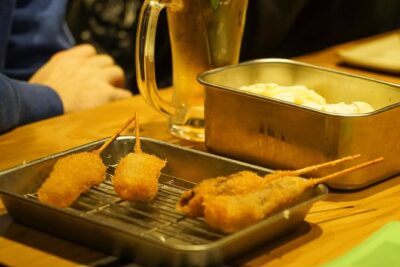
Osaka Local Foodie Walking Tour in Dotonbori and Shinsekai
Read our review →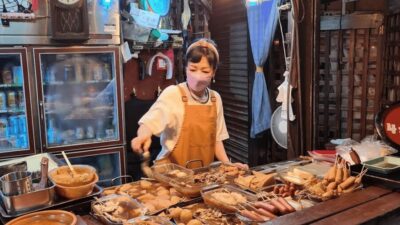
Deep Backstreets Walking Tour with Dinner Option
Read our review →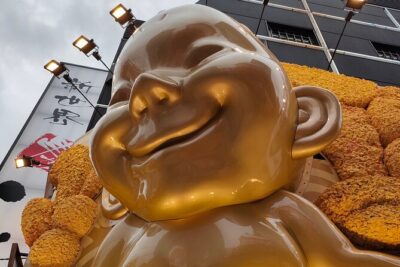
Ultimate Osaka Walking Tour: Castle, Dotonbori & Hidden Gems
Read our review →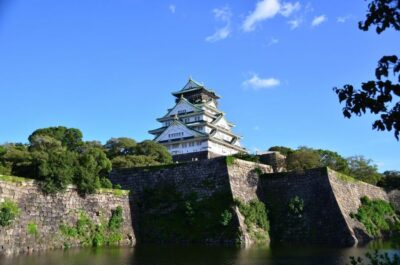
Main Sights and Hidden Spots Guided Walking Tour
Read our review →
Private Osaka Walking Tour: Highlights & Hidden Gems
Read our review →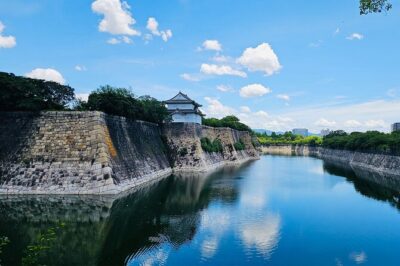
Osaka Castle Walking Tour and Castle Tower Admission
Read our review →
Kuromon Market Food Walking Tour in Osaka (6 stops, 6 tastes)
Read our review →
Five Must-See Highlights Walking Tour & Ramen Lunch
Read our review →Browse the lists this tour appears in