
Reviewed · OSAKA
Manno: Osaka Premium Wagyu BBQ Experience Reservation
At Yakiniku Manno, the main event is the beef, but the unusual part is how it gets chosen. The restaurant visits farms across Japan instead of tying itself to one famous region or brand, then selects cuts based on heritage, quality, and balance. You get a two-hour yakiniku meal built around lean wagyu, rare cuts, and charcoal grilling.
I like the three-tier menu, since you can choose a standard, special, or premium lean-meat assortment without guessing what kind of meal you are buying. I also like the setting: a neon-lit Osaka restaurant with English menus, friendly service, and enough style for a special night out.
The main consideration is that this is a restaurant reservation, not a guided food tour. You must enter the restaurant yourself, and the course contents can change with ingredient availability. It is also designed for at least two people, so solo diners cannot book this option.
Key points to know before booking
- Beef selected across Japan: Manno chooses meat from farms around the country rather than sticking to one named wagyu region.
- Three lean-meat courses: Pick the standard, special, or premium assortment, with increasing levels of select cuts.
- Seared beef sushi included: Both the lean beef and karubi courses include a seared sushi serving.
- Several ways to season the meat: Try it plain with salt, with sauce, or with wasabi, shichimi, sansho pepper, and ginger.
- Seven minutes from Teradacho Station: The restaurant is 390 meters from the JR Loop Line station in Tennoji.
- No guide or group transfer: Arrive on your own and enter the restaurant at your reserved time.
Why Manno puts the beef first
Yakiniku is one of Japan’s most enjoyable meals because you cook small pieces of meat yourself, usually over a tabletop grill. That makes the meal social and slow-paced. You are not served one large steak and sent on your way. You watch each piece, turn it at the right moment, and decide how much seasoning it needs.
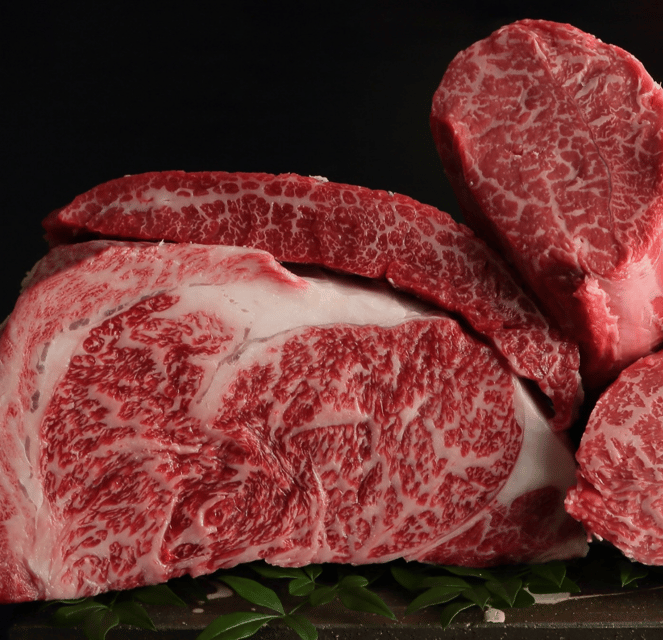
Manno’s approach is more specific than simply putting wagyu on a menu. The restaurant says its selection follows three principles. Heritage means paying attention to the cattle’s lineage. Quality means favoring premium heifer cows. Balance means considering the relationship between feed and the animal’s environment.
For you, that means the meal is meant to show differences between cuts, not just offer a large quantity of beef. A loin should not eat like a tongue, and a skirt steak should not be treated like a short rib. The course format lets you compare texture, fat, and flavor as the meal progresses.
Manno also sources its hormone cuts fresh each morning and processes them quickly after slaughter. If you enjoy trying less familiar parts of the animal, this is useful information. If you prefer a predictable meal of familiar cuts, you can stay with the tongue, loin, karubi, and lean beef selections instead.
The restaurant says it offers more than 90 cuts of rare and high-quality meat. You will not receive all 90 during this meal. The point is that Manno has a broad supply and changes selections according to what is available and at its best.
Other Osaka bookings people put this one up against:
- Osaka Go Karting Tour with Funny Costume
★ 5.0 · 2,658 reviews - Osaka Castle: Museum and Tower Entry Ticket
★ 4.5 · 2,380 reviews - Osaka: Shinsekai Food Tour with 13-15 Dishes at 5 Eateries
★ 4.8 · 2,204 reviews
Three wagyu courses, three levels of choice
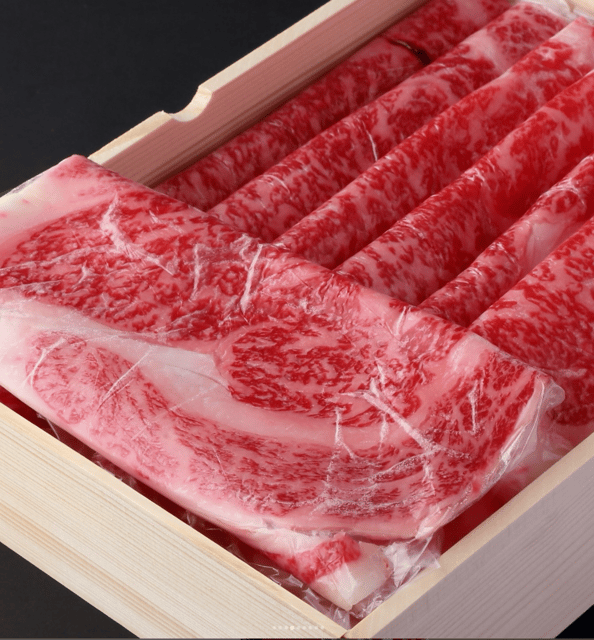
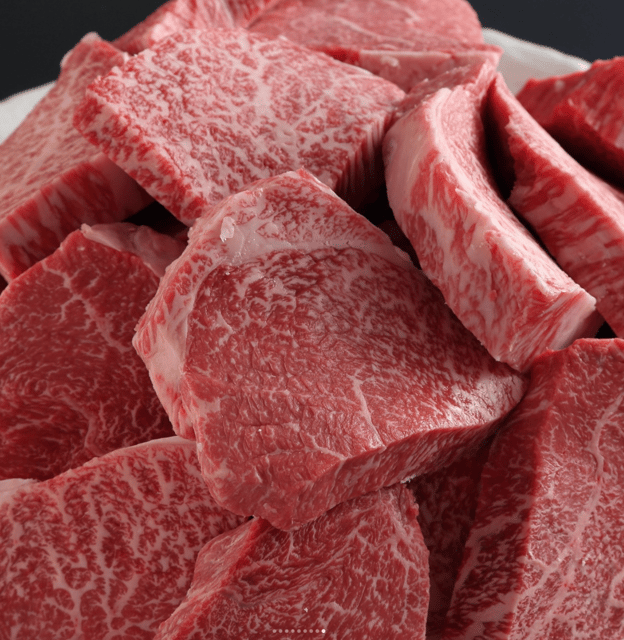
The standard Wano Wagyu Lean Meat Assortment is the most straightforward option. It includes premium tongue, lean beef, karubi, loin, skirt steak, lean beef seared sushi, and seared karubi sushi.
This is a good choice if you want variety without making the meal a major splurge. You get several classic yakiniku cuts, plus the two sushi servings, so the course is not limited to meat that you grill yourself.
The special Wano Wagyu Premium Lean Meat Assortment raises the quality of the selection. It includes premium tongue, two types of premium lean beef, premium karubi, premium loin, lean beef seared sushi, and seared karubi sushi.
I would choose this level for a first visit if you care more about tasting a wider range of high-grade beef than keeping the price as low as possible. Two types of premium lean beef give you a useful comparison, while the premium karubi and loin provide the familiar favorites.
The premium Wano Wagyu Special Lean Meat Assortment includes premium tongue, two types of select lean beef, select karubi, select loin, and the same two styles of seared sushi.
The names do not provide a full grading scale, so you should not expect a detailed explanation of exactly how each tier differs before booking. Still, the three choices make the price decision clear enough: standard for variety and value, special for a stronger premium selection, and premium for the highest listed assortment.
Course contents may change when ingredients are unavailable. That is normal for a restaurant buying fresh cuts, but it means the exact plate pictured online is not guaranteed.
From raw cuts to charcoal-grilled dinner
Once seated, your meal follows the relaxed rhythm of yakiniku. You receive thin or small cuts, then grill them yourself over the restaurant’s charcoal setup. Because the pieces are not large, you need to pay attention. A few seconds can change the texture.
Manno gives you several ways to eat the beef. Suyaki, or plain charcoal grilling, is recommended when you want to taste the meat without a strong sauce. This is the best place to begin with a new cut. Try a small piece with no seasoning first, then add salt or wasabi.
The restaurant’s special soy sauce works well when you want a more rounded flavor. Grilled garlic cloves and the house-made Yannin-chan sauce are intended for tare-yaki, or meat grilled with sauce. This is the more generous, rice-friendly style.
Salt-grilled meat comes with Noto’s Otani Salt and fresh wasabi as possible pairings. Salt can bring out the natural sweetness of beef without covering it, while wasabi gives the fattier cuts a sharp lift.
You can also use premium shichimi, sansho pepper, and fresh ginger. These condiments are not just decoration. They let you adjust each bite, which is helpful when the same cut changes character as it cooks.
A practical tip: do not cover every piece in sauce at the start. Try the first portion plain, then compare it with salt, wasabi, and sauce. You will learn more about the beef, and you will avoid making the whole meal taste the same.
The seared beef sushi adds a welcome change
Both listed menus include lean beef seared sushi and seared karubi sushi. These servings break up the grill work and give you a different presentation of the same general ingredients.
The sushi is seared rather than presented as completely raw. That makes it approachable if you are unsure about raw beef, while still keeping the meal tied to Japanese meat preparation.
Since the sushi is included in all three courses, it is an important part of the value. You are not paying only for a plate of raw cuts and access to a grill. The meal includes a prepared course element as well.
Exact portion sizes are not specified, so I would not book this expecting a huge buffet or an all-you-can-eat format. This is a set tasting meal, and its appeal comes from quality and variety rather than unlimited food.
Same city, a completely different kind of afternoon:
- Osaka Food Tour: 13 Dishes at 5 Local Eateries
★ 5.0 · 2,149 reviews - Hungry Osaka Street Food Tour:15 Tastings & 3 Drinks with a Local
★ 5.0 · 1,727 reviews - Osaka: Tea Ceremony Experience
★ 4.9 · 1,426 reviews - Osaka Kickstart: Hotspots & Hidden Gems Tour
★ 5.0 · 1,306 reviews
A modern Osaka setting near Teradacho
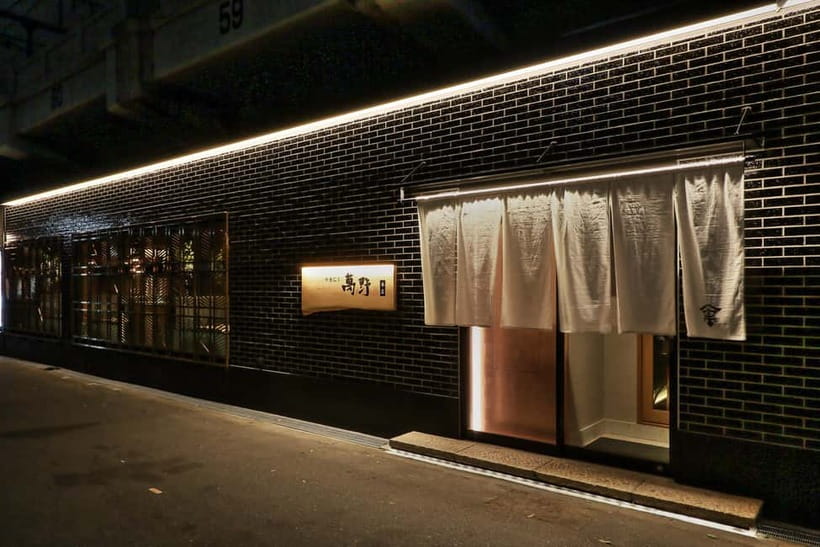
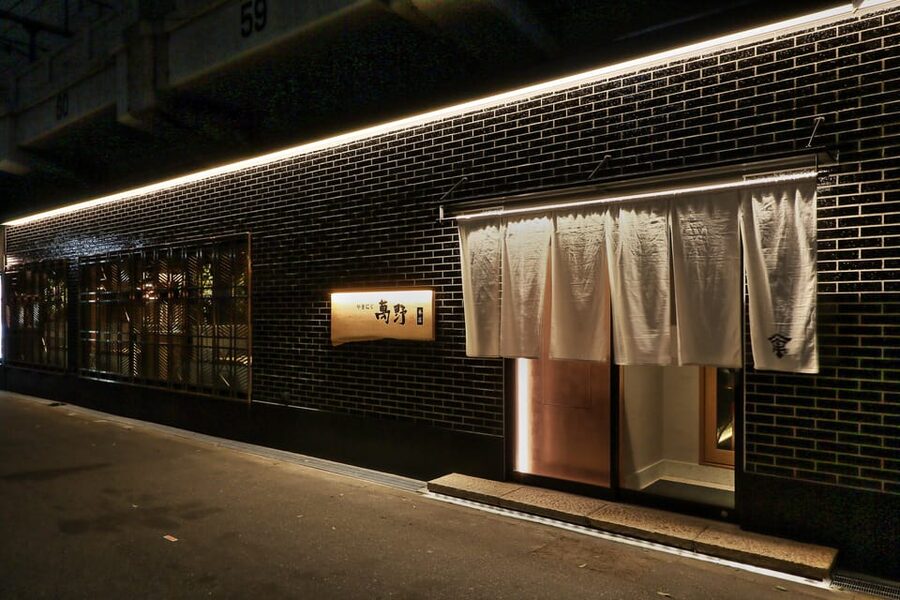
Yakiniku Manno’s main store is in Tennoji, at 21-40 Kokubu-cho, beneath Guard Underpass No. 58-60. From Teradacho Station on the JR Loop Line, it is about a seven-minute walk, or 390 meters.
That location is useful if you are already exploring southern Osaka or using the JR Loop Line. You do not need to build your evening around a long trip across the city. Still, allow enough time to find the entrance beneath the underpass and arrive before your reservation.
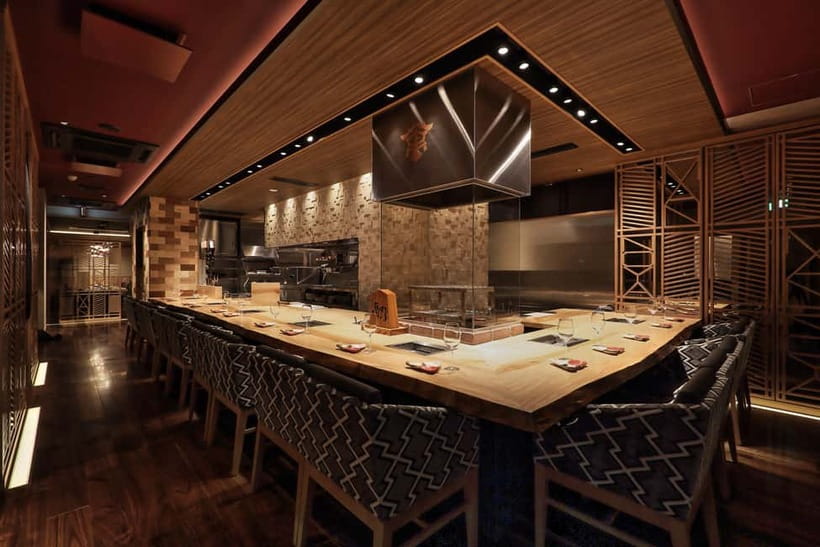
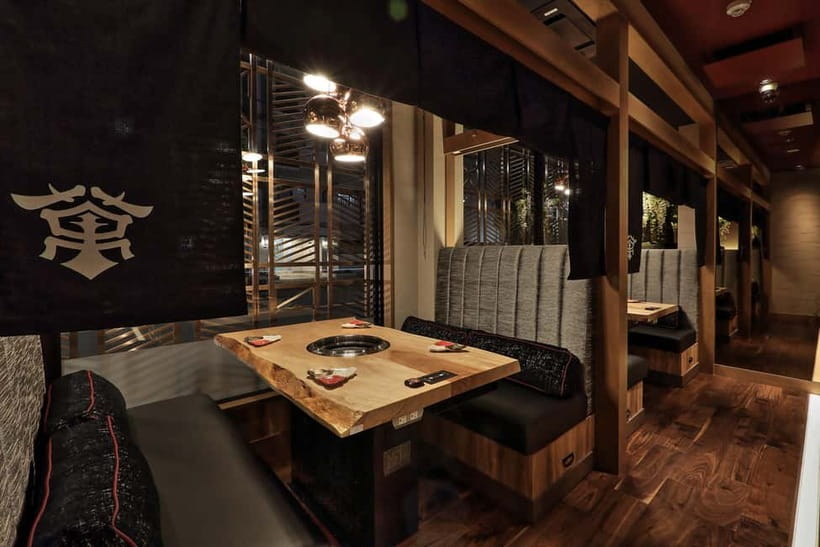
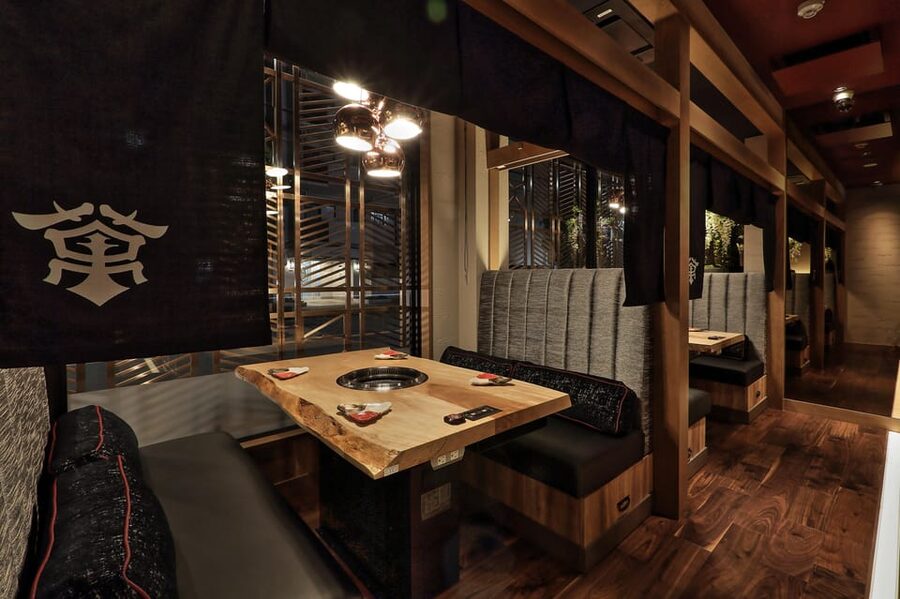
The interior is described as modern and neon-lit, with an Instagram-ready look. That makes it a different choice from a quiet, old-fashioned restaurant. If you want polished atmosphere and a youthful Osaka feel alongside your meal, the setting should suit you.
The room is not described in enough detail to promise private tables, a particular view, or a specific seating arrangement. I would focus on the food and location rather than booking for a special interior feature that is not guaranteed.
English menus are available, which removes one common worry for first-time visitors to Japan. The staff have also been praised for being friendly and helpful. That matters at yakiniku, where you may want help understanding cuts, sauces, or the grill.
What the two-hour timing means
The meal lasts about two hours. That is enough time to grill several rounds of meat, compare sauces, eat the sushi, and talk without rushing every bite.
You should arrive promptly. If you have not contacted the restaurant within ten minutes of your reserved time, your table may be offered to someone else. This is especially important because the reservation is for a specific restaurant seating, not an open food experience that you can join whenever you like.
The restaurant takes its last food orders 90 minutes before closing. Your booking time should handle the schedule, but this rule matters if you are trying to arrange a late dinner. Check the available starting times before paying, and do not assume every evening slot will work.
The reservation requires at least two people. If you are bringing children, include their number in the booking notes. The meal is wheelchair accessible, which is useful, though the supplied information does not describe the exact table layout or restroom access.
Is $66 a fair price?
At $66 per person, this meal sits in the special-occasion range for a casual dinner, but the price includes a full set course, taxes, and the reservation. Depending on the option you choose, drinks may also be included. Check the selected booking option carefully, since the experience is offered with or without drinks.
The value comes from the range of cuts and the sourcing approach. You are paying for premium beef selected from farms around Japan, not simply for a large portion of ordinary barbecue meat. The inclusion of lean beef sushi and karubi sushi also gives the meal more variety than a basic grill-only set.
I would not choose this if your only goal is to eat as much as possible. There is no indication of an all-you-can-eat format, and the course is built around carefully prepared portions. For a beef lover who wants to compare cuts and enjoy a polished evening, the price is easier to justify.
The standard course should make the experience more accessible for budget-conscious diners. The special and premium courses make more sense when you are marking a birthday, celebrating a trip, or simply want the strongest available selection.
Who will enjoy this meal most
I would recommend Manno to you if you like beef, enjoy trying several cuts, and want a Japanese meal that feels more distinctive than a standard restaurant dinner. It also suits first-time visitors who want a manageable introduction to wagyu without having to choose individual cuts from a long menu.
The English menu is a practical help, and the friendly service should make the process less intimidating. You still need to take part in cooking, so this is not ideal if you want a fully served meal with no attention required.
It is also a good match for couples, friends, and families with children, provided you book for at least two people and note the number of children. The neon-lit room adds a contemporary Osaka touch, while the farm-to-table selection gives the meal a clear focus.
I would hesitate to book it if you dislike grilling your own food, want a solo reservation, or need a highly predictable menu. The meat selection can change, and there is no guide to explain every cut. You can ask the staff for help, but the experience is still a restaurant meal rather than a lesson.
How Manno compares with a typical yakiniku dinner
A basic yakiniku restaurant lets you order separate cuts as you go. That can be fun, but it also makes the final bill harder to predict. Manno’s set courses solve that problem by giving you a known group of cuts and a fixed structure.
The tradeoff is less freedom. You cannot build the whole meal around one favorite cut, and the exact contents may change. In return, you get a balanced progression through tongue, lean beef, karubi, loin, skirt steak, and seared sushi.
Manno also puts unusual weight on lean meat. Many visitors associate wagyu mainly with heavy marbling and rich fat. Here, the restaurant’s stated goal is juicy, tender lean beef with a clean texture. That makes the meal interesting if you want something beyond the fattest possible slice.
You should still expect premium beef to be rich. Take your time, use the salt and wasabi, and let the sushi and different cuts break up the meal.
Booking and cancellation advice
You can cancel up to two days in advance for a full refund. That gives you some protection if your Osaka plans change, but the ten-minute late-arrival rule is stricter on the day itself.
There is no guide, hotel pickup, or meeting group described. Go directly to the main store at your reservation time. Since the restaurant is a short walk from Teradacho Station, this is easy to fit into an independent Osaka itinerary.
Should you book Yakiniku Manno?
Book it if you want a focused wagyu dinner with several cuts, charcoal cooking, seared beef sushi, and a modern Osaka setting. The strongest reasons are the carefully selected beef, the choice of three course levels, and the helpful service with English menus.
Choose the standard course for the best balance of variety and cost. Pick the special or premium course when the quality of the beef matters more than keeping the bill modest.
Skip it if you are looking for a guided food walk, a solo meal, an unlimited barbecue, or a menu that will be exactly the same every day. For everyone else, Manno offers a practical and flavorful way to experience yakiniku without leaving the meal entirely to chance.
FAQ
Where is Yakiniku Manno located?
The main store is at 21-40 Kokubu-cho, Tennoji-ku, Osaka City, beneath Guard Underpass No. 58-60. It is about 390 meters, or a seven-minute walk, from Teradacho Station on the JR Loop Line.
How long does the meal last?
The experience lasts two hours. Available starting times depend on the date, so check the schedule when booking.
Is this a guided food tour?
No. This is a restaurant reservation only. No guide is provided, and you should enter the restaurant directly at your reserved time.
What does the meal include?
The selected option includes a full course menu, with or without drinks depending on the option chosen, along with taxes and the restaurant reservation.
How many people are required to book?
Reservations are accepted for a minimum of two people. If you are bringing children, include their number in the booking notes.
Can the course menu change?
Yes. The contents may change depending on ingredient availability. The listed courses include cuts such as premium tongue, lean beef, karubi, loin, skirt steak, and seared beef sushi, but the exact presentation is not guaranteed.
Is the restaurant wheelchair accessible?
Yes, the activity is listed as wheelchair accessible.
Just added in Osaka
- Urban Canvas: Osaka Street Art Bike Tour★ 5.0 · 10 reviews
- Anime Cosplay Photshoot-50 Digital Photos Provided★ 5.0 · 8 reviews
- TeamLab Botanical Garden Osaka Ticket★ 3.5 · 6 reviews
- Umeda Sky Building & Kuchu Teien Observatory Ticket in Osaka★ 4.5 · 3 reviews
- Immerse in Judo Martial Arts Class from Japan★ 5.0 · 4 reviews
- Cherry Blossom Buddha and Mt.Yoshino with Strawberry Picking Tour★ 4.5 · 5 reviews
- Traditional Home cooking Experience in Osaka, Japan★ 5.0 · 14 reviews
- Traditional Calligraphy Experience near Dotonbori★ 5.0 · 3 reviews