
Reviewed · OSAKA
Osaka: Visit the must-see places.
Osaka packs a lot into one city day: a 16th-century castle, Japan’s oldest Buddhist temple, a temple built around memorial statues made from human ashes, then street food and neon in Shinsekai, Namba, and Dotombori. Spanish-speaking guide Manuel Pérez ties those very different places together with history, local customs, and practical food advice.
I like the route for two reasons. First, it gives you more than Osaka’s famous nightlife signs and restaurant streets. Second, it uses the subway to connect major sights, letting you cover a wide stretch of the city for $73 per person. The trade-off is a long, active day with plenty of walking, heat, stairs, and separate subway and food costs.
Key points
- Seven major Osaka stops: See Osaka Castle, Shitennoji, Isshin-ji, Shinsekai, Kuromon Market, Namba, and Dotombori in one ambitious route.
- A Spanish-speaking guide: Manuel Pérez leads the experience and explains Japanese history, religion, food, and daily life in Spanish.
- A striking Buddhist tradition: Isshin-ji is known for statues made from human ashes, giving the temple visit an unusual and personal focus.
- Food is part of the route: You can sample kushikatsu in Shinsekai and browse sushi, seafood, and wagyu beef at Kuromon Market.
- Subway travel keeps the route moving: The guide handles transportation during the tour, but you pay your own fares with cash or an ICOCA, SUICA, or PASMO card.
- Best for active sightseers: Comfortable shoes and clothes matter, and the tour is not suitable for wheelchair users or baby carriages.
Why this route gives you a useful first look at Osaka
This is not a slow temple walk or a single-neighborhood food tour. It is a broad introduction to Osaka, moving from the city’s political past to its Buddhist traditions, working-class entertainment districts, food culture, and modern neon center.
I like that contrast. Osaka Castle gives you the grand historical story, while Shinsekai and Dotombori show the city as it feels today. In between, the two temples add a quieter side that is easy to miss if you only follow the restaurant signs around Namba.
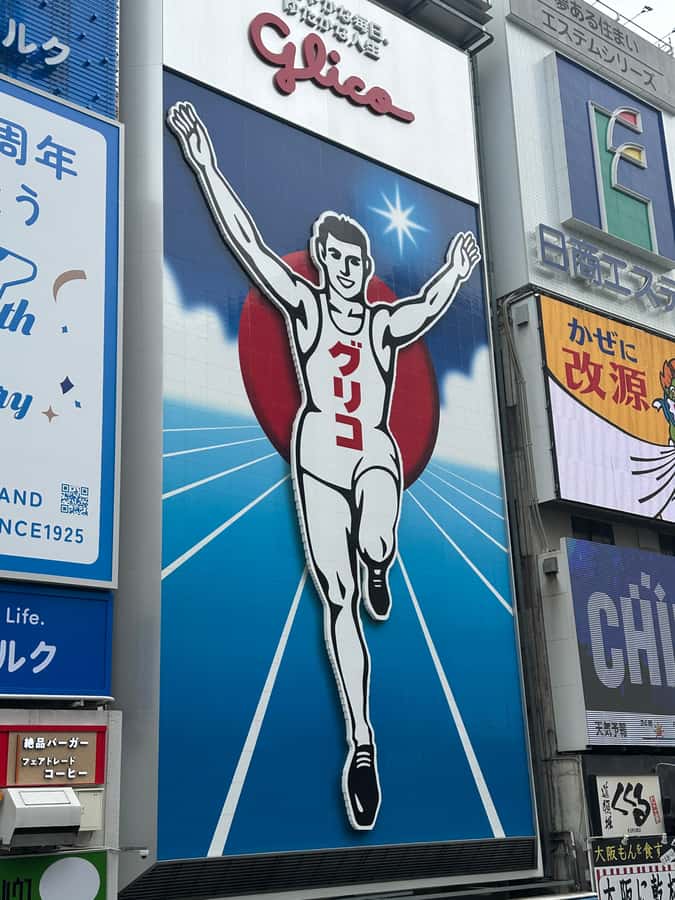
The route also makes sense for a first visit. You see the famous symbols, but you also get context for them. The Glico Man sign and Kani Doraku crab are fun photo stops, yet they mean more after you have spent the day learning how Osaka grew into a major commercial and cultural center.
You should know what kind of day this is. The tour covers seven main areas and uses the subway between them, so it is extensive rather than leisurely. You will need to keep moving, manage your own energy, and pay for meals, drinks, and subway fares separately.
Other Osaka bookings people put this one up against:
- Osaka Go Karting Tour with Funny Costume
★ 5.0 · 2,658 reviews - Osaka Castle: Museum and Tower Entry Ticket
★ 4.5 · 2,380 reviews - Osaka: Shinsekai Food Tour with 13-15 Dishes at 5 Eateries
★ 4.8 · 2,204 reviews
Starting at Osaka Castle and Morinomiya
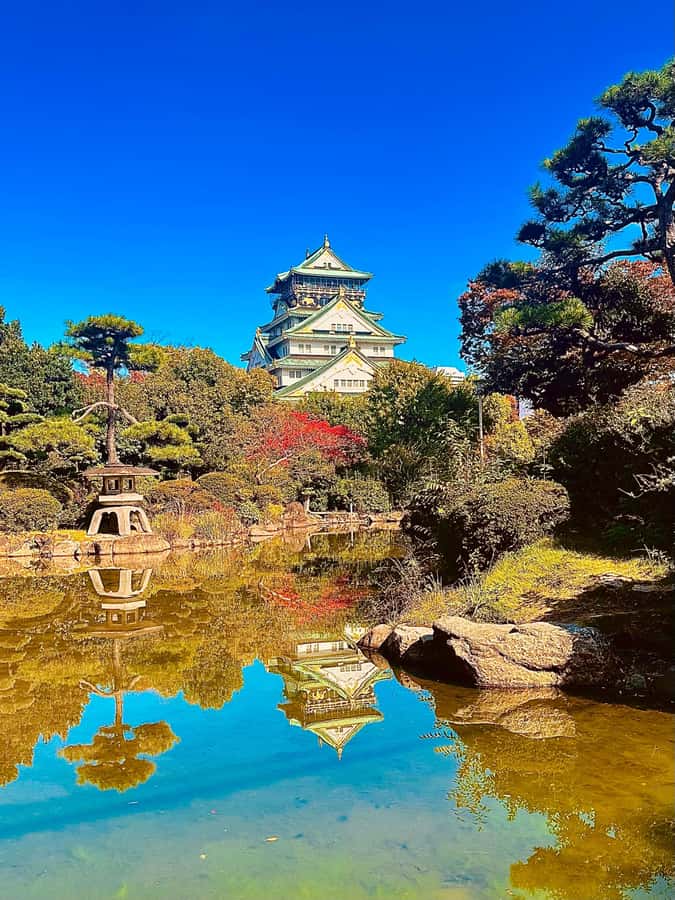
The meeting point is Exit 3B of Morinomiya subway station. That is a practical starting place because Osaka Castle and its large park are nearby, and the day begins with one of Osaka’s most recognizable sights.
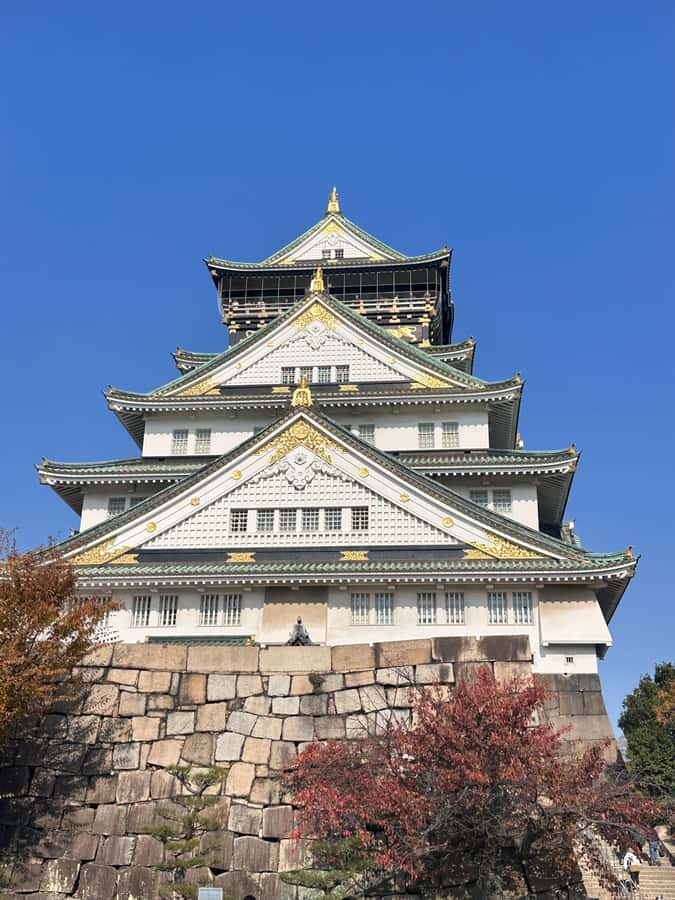
Toyotomi Hideyoshi built the original castle in the 16th century, during the Sengoku period of civil war. A guide adds real value here because the castle is not just a photogenic tower. Its story is tied to the political struggle that helped shape Japan, and the surrounding park gives you room to understand the scale of the site.
Expect to explore the castle area and park rather than simply stop for a quick photograph. The open grounds provide a change of pace after the subway, but they also add walking to an already active itinerary. In warm weather, bring water and dress lightly. The guide has been praised for staying attentive in the heat, but sensible shoes and pacing are still your responsibility.
Osaka Castle is likely to be one of the day’s most familiar sights. That is not a weakness. Starting with the city’s most famous landmark helps you get your bearings, and the historical explanation gives the rest of the route a useful frame.
Shitennoji, Japan’s oldest Buddhist temple
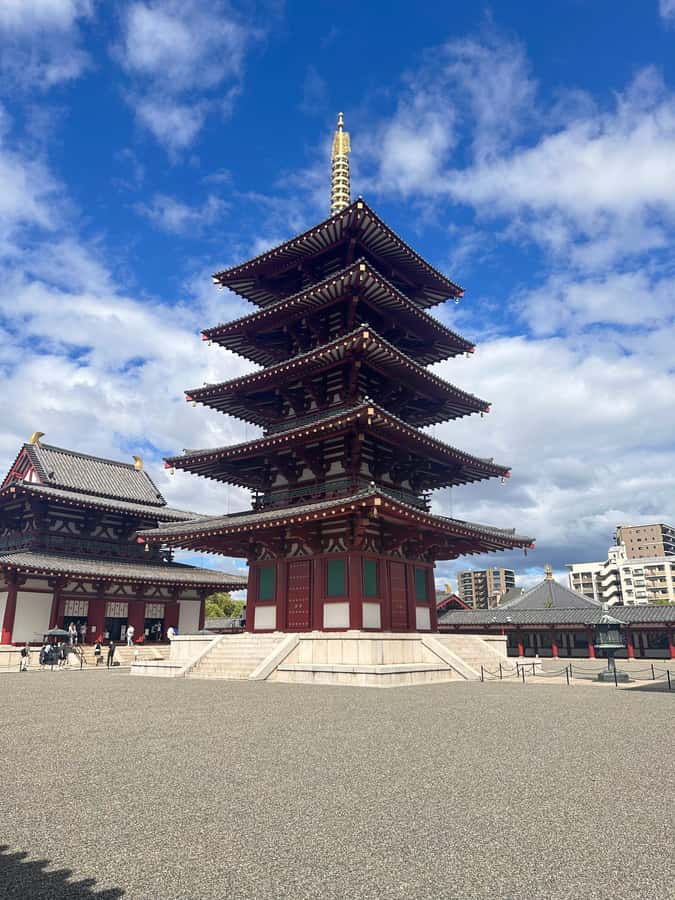
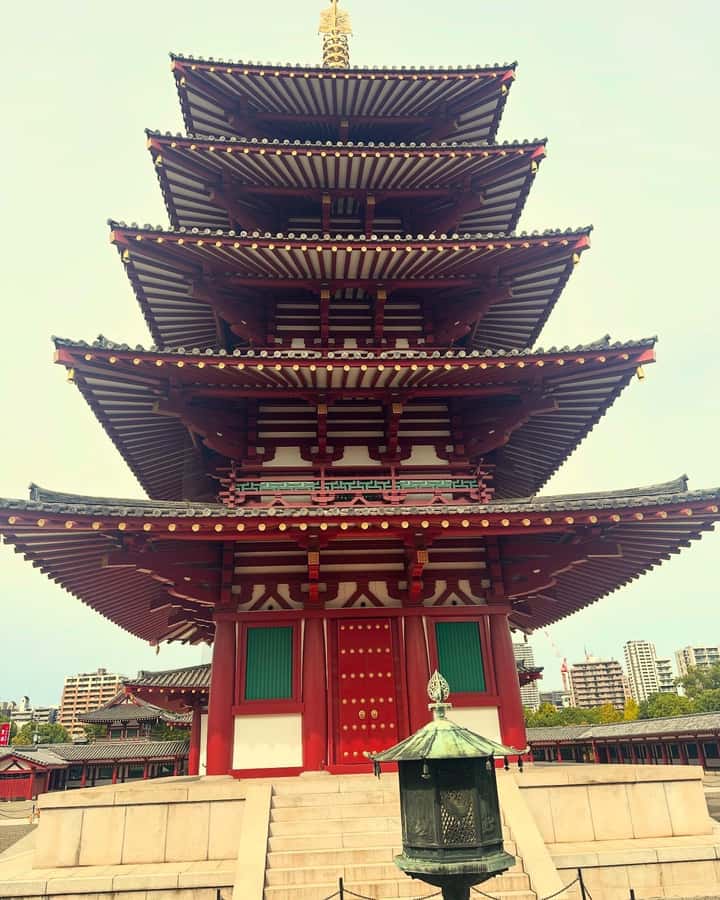
From the castle, the tour continues to Shitennoji Temple, founded in 593. It is described as the oldest Buddhist temple in Japan, making this one of the most important cultural stops of the day.
The site offers a clear way to understand how Buddhism arrived in Japan and influenced Japanese culture. You will walk through the temple grounds and see the five-story pagoda, as well as the serene garden. After the open space around Osaka Castle, Shitennoji brings a calmer mood.
I particularly like the pairing of Shitennoji with the next temple. Shitennoji introduces Buddhism on a national and historical scale. Isshin-ji turns the focus toward personal remembrance, death, and the way religious practice connects with family life.
Do not expect the entire tour to feel quiet and reflective. Shitennoji is one part of a city route, not a dedicated temple retreat. Your visit will be more rewarding if you listen closely to the explanation, notice the design and religious details, and accept that the group will soon move on.
Isshin-ji and its unusual memorial tradition
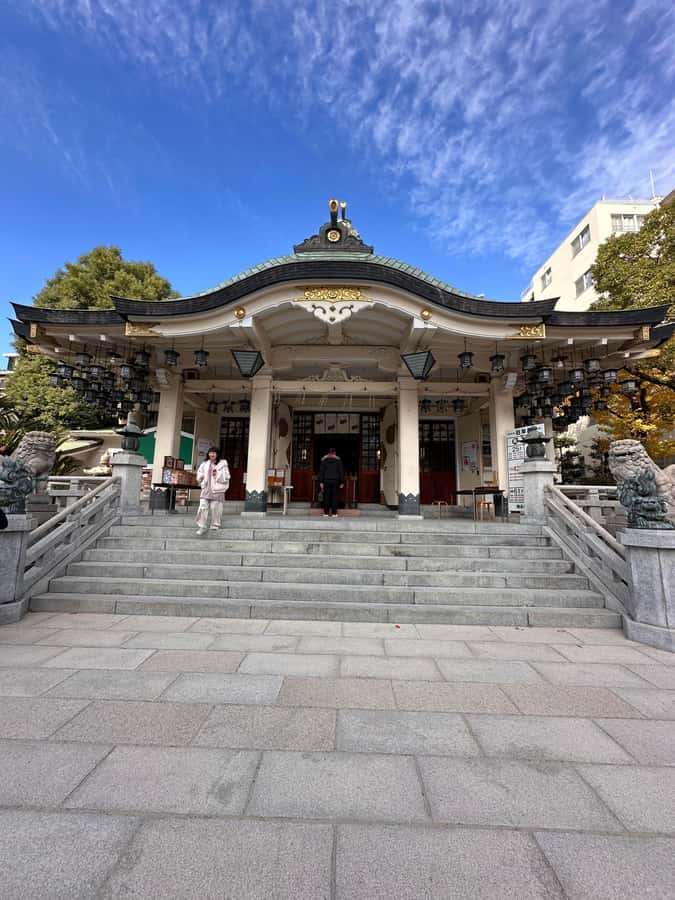
Isshin-ji Temple is one of the route’s most distinctive stops. It houses Buddhist statues made from human ashes, created as a special way to honor the deceased.
That detail gives you a different view of Japanese religion and funeral customs. Instead of treating the temple as another attractive building, you can consider how remembrance takes physical form and how Buddhist practice remains connected to ordinary families.
This is also the point where a Spanish-speaking guide can make a major difference. Religious customs can be hard to understand from signs alone, especially when the tradition is unfamiliar. Manuel Pérez explains the cultural background in Spanish, and the experience details describe his approach as attentive and willing to answer questions.
Approach Isshin-ji with respect. This is a place of spirituality and memorial practice, not simply a curious stop for photographs. The subject may feel serious, but it is precisely what makes the visit memorable and different from a standard Osaka sightseeing loop.
Same city, a completely different kind of afternoon:
- Osaka Food Tour: 13 Dishes at 5 Local Eateries
★ 5.0 · 2,149 reviews - Hungry Osaka Street Food Tour:15 Tastings & 3 Drinks with a Local
★ 5.0 · 1,727 reviews - Osaka: Tea Ceremony Experience
★ 4.9 · 1,426 reviews - Osaka Kickstart: Hotspots & Hidden Gems Tour
★ 5.0 · 1,306 reviews
Shinsekai, Tsutenkaku, and a taste of kushikatsu
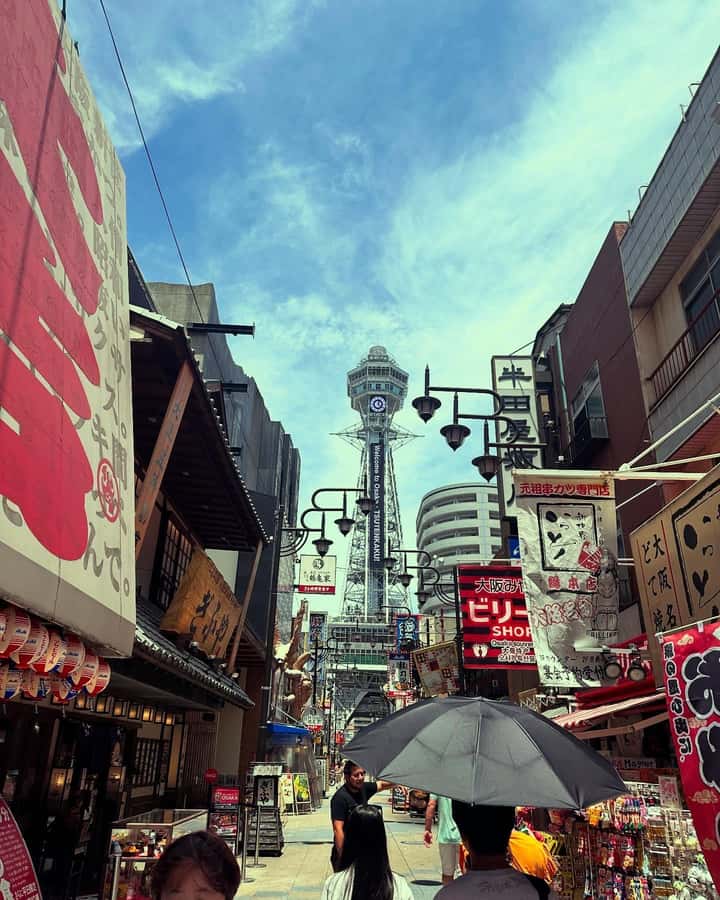
The mood changes sharply in Shinsekai. This neighborhood is known for neon lights, traditional restaurants, a retro atmosphere, and Tsutenkaku Tower, its best-known landmark.
Shinsekai gives you the Osaka many people come hoping to find: informal, colorful, and closely tied to local food. The area is especially associated with kushikatsu, fried skewers that may include meat, seafood, and vegetables. Food is not included in the $73 price, so any tasting here comes from your own budget.
I like the fact that the route does not treat Shinsekai as a quick photo stop. You have the chance to look around, understand the neighborhood’s character, and try one of Osaka’s signature dishes. The contrast with the temples is the point. Osaka’s culture is not confined to shrines, castles, or museums. It also appears in neighborhood cooking and evening entertainment districts.
You may find the area louder and more crowded than the temple grounds, though the supplied information does not give a fixed schedule or group size. Stay close enough to hear the guide, especially around busy streets, and remember that restaurant choices and meal prices are personal expenses.
Kuromon Market and Osaka’s food culture
Kuromon Market is the main food-focused stop. It is known for fresh produce and local specialties including sushi, seafood, and wagyu beef.
This is a good place to plan your spending rather than arrive hungry with no limit. The market offers many things to sample, but the tour price does not include food or drinks. Cash is worth carrying, both for market purchases and for subway fares if you do not have a transport card.
A market visit works best when you treat it as a chance to browse as well as eat. You can compare stalls, ask Manuel for recommendations, and choose what appeals to you instead of committing to a fixed meal. One useful feature of this tour is the guide’s practical advice about where to eat. Manuel is described as willing to recommend places and send details for later use.
Kuromon Market can also test your patience if you expect a quiet, organized food hall. It is a working market-style setting, and the route has already included several substantial stops. Keep your expectations flexible, and allow your appetite and budget to guide you.
Namba and Dotombori after dark
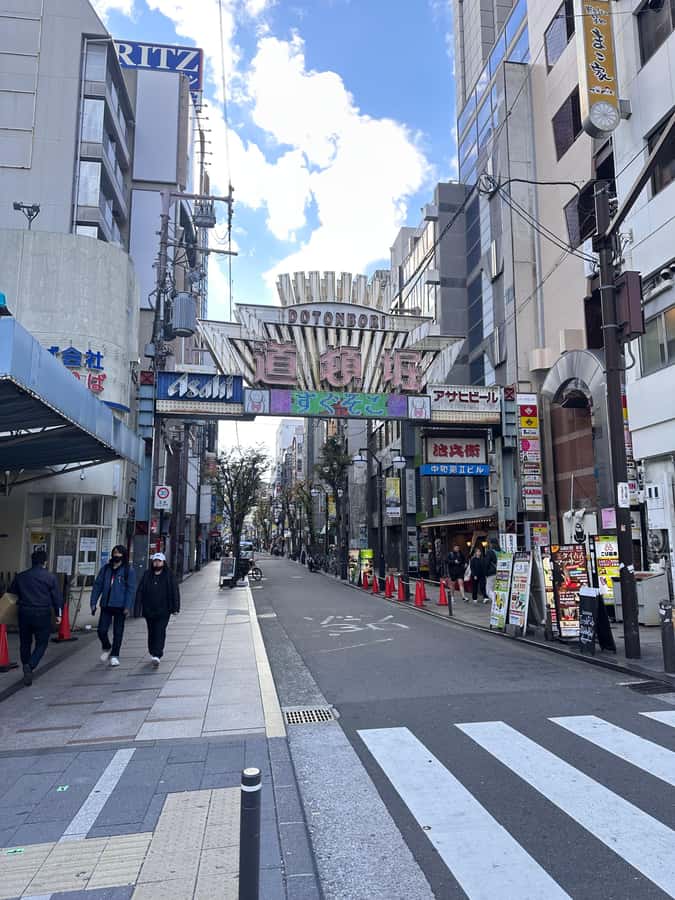
The tour ends in Namba and Dotombori, the city center’s best-known entertainment and food districts. This is where Osaka’s visual energy reaches its peak, with bright signs, restaurant displays, and crowds moving along the canal area.
The final photo stops are the Glico Man sign and the animated crab outside Kani Doraku. They are classic Osaka images, and seeing them in person gives the day a playful finish. You may already recognize these signs from photographs, but the surrounding concentration of restaurants and lights helps explain why this area is such a strong symbol of Osaka.
Namba and Dotombori are also useful for dinner planning. Since the tour ends back at the meeting point, you can ask for recommendations and continue eating afterward if you still have energy. The guide has provided food suggestions to participants, which can be particularly helpful when restaurant menus are unfamiliar.
The drawback is timing. After Osaka Castle, two temples, Shinsekai, and Kuromon Market, you may be ready to sit down rather than keep exploring. If you prefer a relaxed evening, treat the Dotombori portion as the final scheduled highlight and save further wandering for another day.
What the $73 price really covers
At $73 per person, this tour is priced as a guided city overview rather than an admission-heavy excursion. The value comes from the route, the Spanish commentary, and the guide’s help connecting places that would take more planning to visit on your own.
Transportation by the guide is included in the sense that the tour uses the subway and the guide leads the route. Your own subway fares are not included, and you must bring cash or an ICOCA, SUICA, or PASMO card. Meals, drinks, and personal purchases are also separate.
I think the price makes the most sense for you if you want a strong first orientation to Osaka and would otherwise spend time working out the subway connections and historical background yourself. It is less compelling if you prefer to visit only one or two sights, move slowly, or choose every restaurant independently.
There are also no stated entrance tickets included, so check what is covered at any paid site before booking. The experience information focuses on visiting the grounds and main areas, not on promising admission to every interior.
Walking, subway travel, and practical preparation
Start at Morinomiya Station, Exit 3B, and expect to finish back at the same meeting point. The exact duration is not stated, but the route is described as an extensive day and includes seven major areas.
Bring:
- Comfortable walking shoes
- Comfortable clothes suited to the weather
- Cash or an ICOCA, SUICA, or PASMO card
- Extra money for food, drinks, and personal purchases
A baby carriage is not allowed, and the tour is not suitable for wheelchair users. That matters because the route includes subway travel, temple grounds, market streets, and extensive walking between sights.
The tour is offered in Spanish. Manuel Pérez is the guide named for this experience, and the strongest praise centers on his explanations, punctuality, attentiveness, and recommendations. He has also been described as considerate with families, including a couple traveling with a seven-year-old child.
That does not make the tour effortless for children. The route is long, and children may tire during the temples or market sections. Still, a family comfortable with public transportation and a full sightseeing day can benefit from having one guide watch the route and explain the city.
Who should book this Osaka tour?
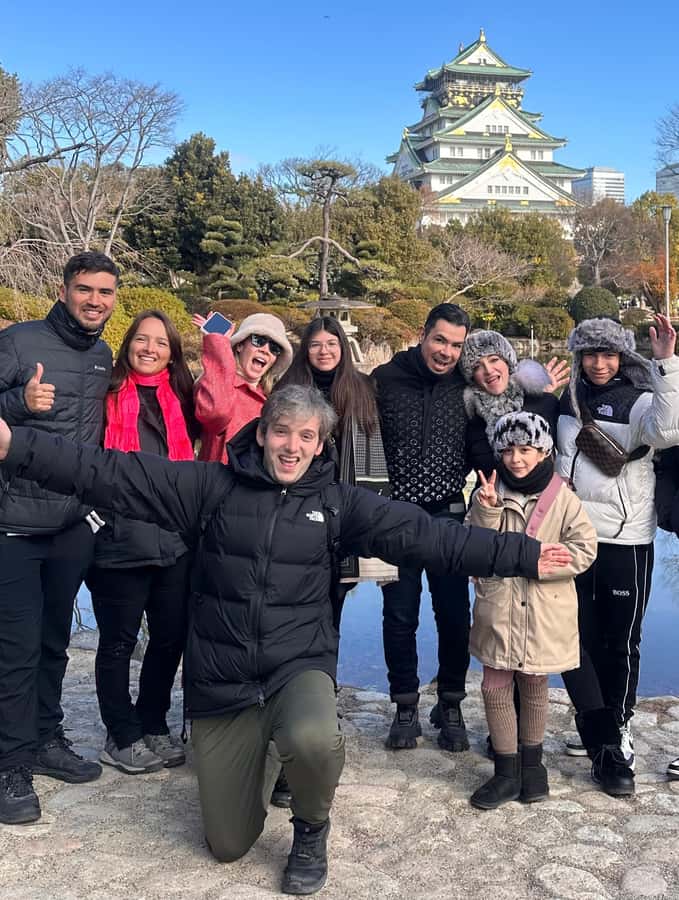
I would choose this experience if you speak Spanish and want one organized day covering Osaka’s major sights. It suits first-time visitors, couples, families with older children, and anyone who wants history and food in the same outing.
I would also recommend it if you value explanations more than independent wandering. The route is easy to understand: castle, temples, neighborhood food, market, then Osaka’s famous entertainment center. That variety is the main strength.
I would skip it if you use a wheelchair, need a stroller, dislike subway travel, or want long uninterrupted time at each place. The route is ambitious, and the $73 fee does not cover your meals or local transport. You should also avoid booking it if your ideal Osaka day means lingering over lunch or browsing one neighborhood at a relaxed pace.
The cancellation policy is flexible, with a full refund available when you cancel at least 24 hours in advance. You can also reserve and pay later, which helps if your Japan plans are still changing.
FAQ
Where does the Osaka tour start and finish?
The tour starts at Exit 3B of Morinomiya subway station and ends back at the meeting point.
Which language is the tour conducted in?
The tour is conducted in Spanish. Manuel Pérez is the guide named for this experience.
What places are included on the route?
The route includes Osaka Castle, Shitennoji Temple, Isshin-ji Temple, Shinsekai, Kuromon Market, Namba, and Dotombori.
Do I need cash or a transportation card?
Yes. You must bring cash or an ICOCA, SUICA, or PASMO card because you use the subway during the tour and your transportation costs are not included.
Are meals and drinks included in the price?
No. Meals, drinks, and personal expenses are not included. You can buy food such as kushikatsu in Shinsekai or sushi, seafood, and wagyu beef at Kuromon Market.
Is the tour suitable for wheelchair users or baby carriages?
No. The experience is not suitable for wheelchair users, and baby carriages are not allowed.
Just added in Osaka
- Urban Canvas: Osaka Street Art Bike Tour★ 5.0 · 10 reviews
- Anime Cosplay Photshoot-50 Digital Photos Provided★ 5.0 · 8 reviews
- TeamLab Botanical Garden Osaka Ticket★ 3.5 · 6 reviews
- Umeda Sky Building & Kuchu Teien Observatory Ticket in Osaka★ 4.5 · 3 reviews
- Immerse in Judo Martial Arts Class from Japan★ 5.0 · 4 reviews
- Cherry Blossom Buddha and Mt.Yoshino with Strawberry Picking Tour★ 4.5 · 5 reviews
- Traditional Home cooking Experience in Osaka, Japan★ 5.0 · 14 reviews
- Traditional Calligraphy Experience near Dotonbori★ 5.0 · 3 reviews