
Reviewed · OSAKA ONSEN AND HOT SPRINGS
Osaka: Solaniwa Onsen Hot Spring Visit
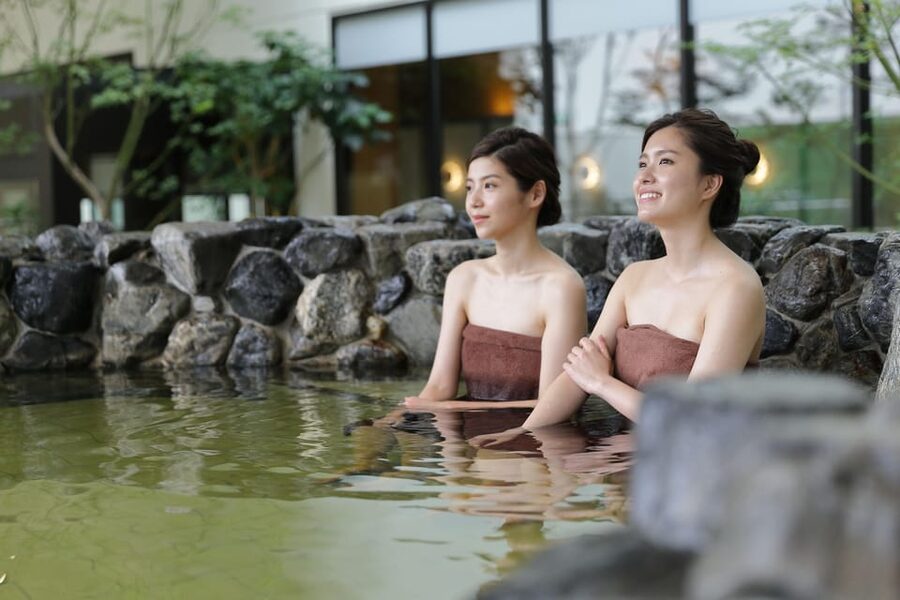
The most unusual part of Solaniwa Onsen is the hot spring town setting inside Osaka Bay Tower. You can move from natural baths to a rooftop garden with torii gates, waterfalls, trees, and flowers, getting a taste of old-style Japan without leaving the city.
I like the nine bath types, especially the outdoor and garden-view options, and I like that the 3,000-square-meter Tenku Garden gives you a quiet place to slow down. The main consideration is the strict tattoo policy, plus a separate 150-yen Osaka bathing tax payable at the facility.
Key points
- Spring water from 1,000 meters underground: Bathe in slightly alkaline water known as Beautiful Hada no Yu.
- Nine different baths: Choose among an open-air bath, garden-view bath, carbonated spring bath, and other bathing areas.
- Tenku Garden rooftop escape: Explore a 3,000-square-meter garden with seasonal plants, waterfalls, and a thousand torii gates.
- A useful rainy-day plan: The indoor baths and rooftop garden give you a full-day activity in central Osaka.
- Family access has time limits: Groups under 16 can use the facility until 7:00 PM, while groups under 18 can stay until 10:00 PM.
- Strict entry rules: Visible tattoos, tattoo stickers or paint, gang affiliations, alcohol, and drugs are not permitted.
A hot spring town above Osaka Bay Tower
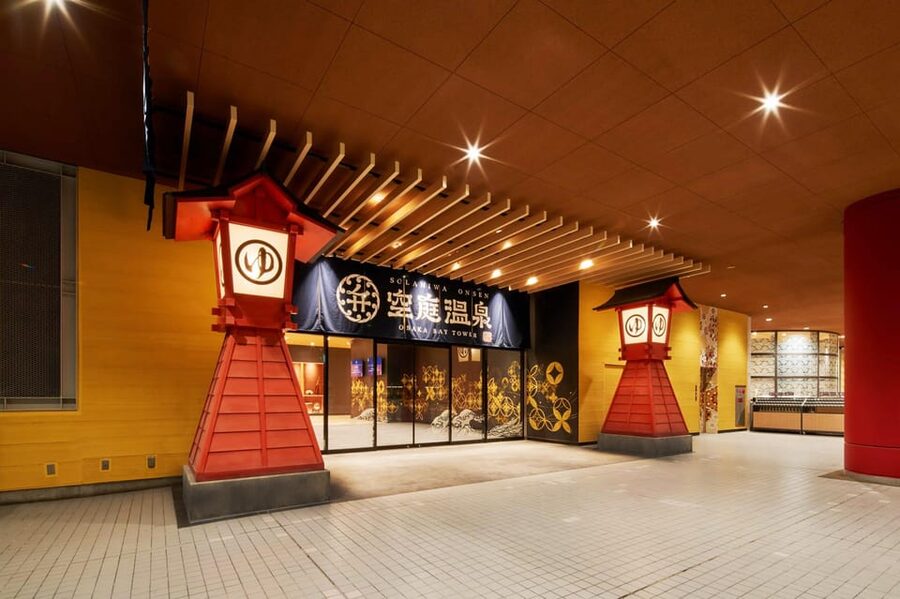
Solaniwa Onsen OSAKA BAY TOWER is designed to feel like a small traditional hot spring town rather than a plain urban spa. That distinction matters. You are not simply walking into a room with a few baths, soaking, and leaving. The setting gives you places to wander, pause, and switch between bathing and garden time.
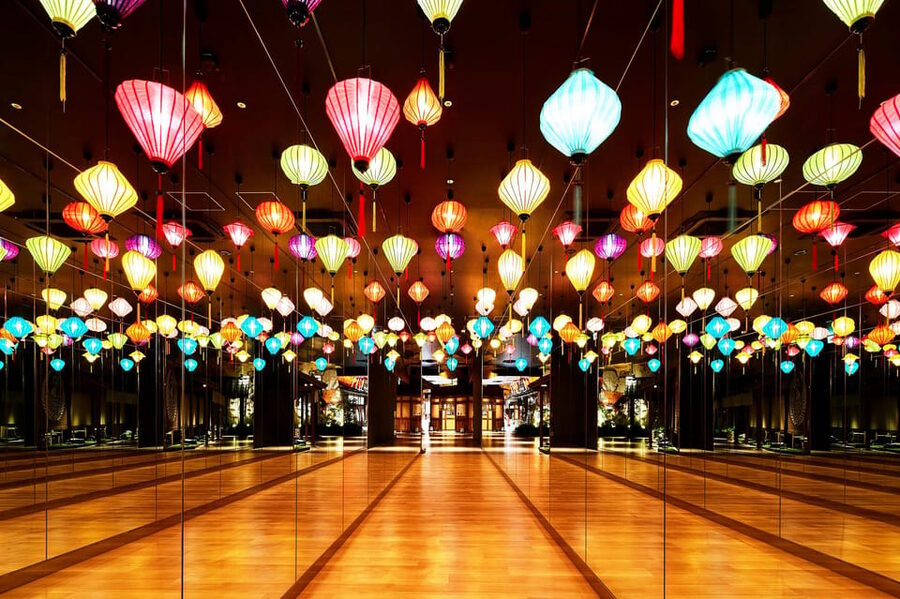
The atmosphere aims for a traditional ryokan experience in Osaka. A ryokan is a Japanese-style inn, usually associated with tatami rooms, calm design, and hot spring bathing. Solaniwa Onsen brings that idea into a large city facility, giving you the feel of a Japanese bathing retreat without requiring an overnight stay.
The address is 1-2-3 Benten, Minato-ward, Osaka-city, at Osaka Bay Tower North. Put the exact address into your map before setting out, and have your reservation screen ready for reception. The facility is wheelchair accessible, which makes this a practical choice for many visitors who want a slower, less demanding activity.
The ticket is priced at $14 per person, with a separate 150-yen Osaka city bathing tax paid on-site. For that price, you receive access to the Tenku Garden, the nine-bath area, saunas, and scrubbers. The value is strongest if you plan to stay for several hours, since this is not just a quick bath stop.
More onsen and hot spring visits in Osaka:
- From Osaka: Himeji Castle, Arima Onsen & Mt. Rokko Day Tour
★ 4.6 · 339 reviews - Himeji Castle, Arima Onsen & Mt. Rokko: 1-Day Bus Tour from Osaka
★ 4.0 · 28 reviews - Nara Deer Park, Uji Matcha, & Hot Spring Full-Day Tour from Osaka
★ 4.0 · 21 reviews
Starting with the Tenku Garden
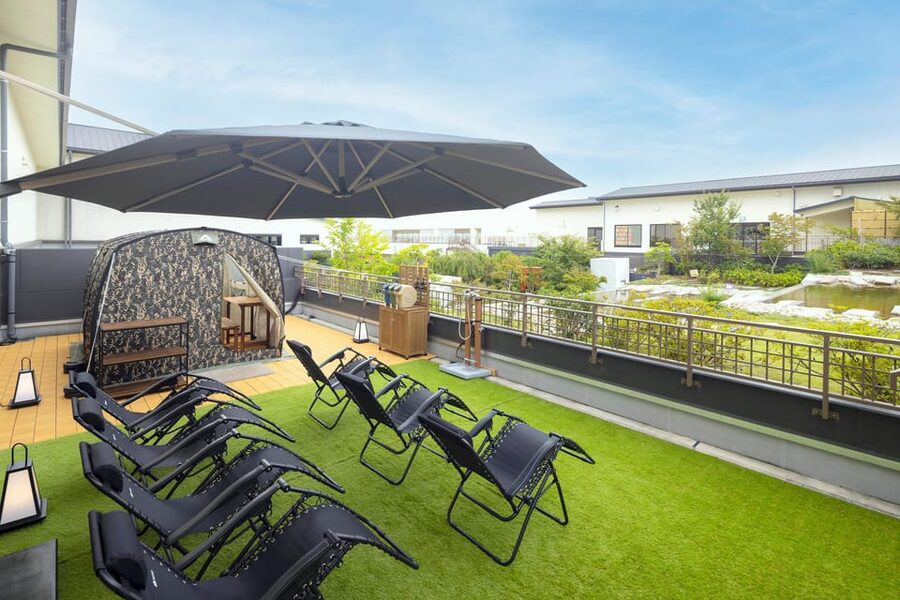
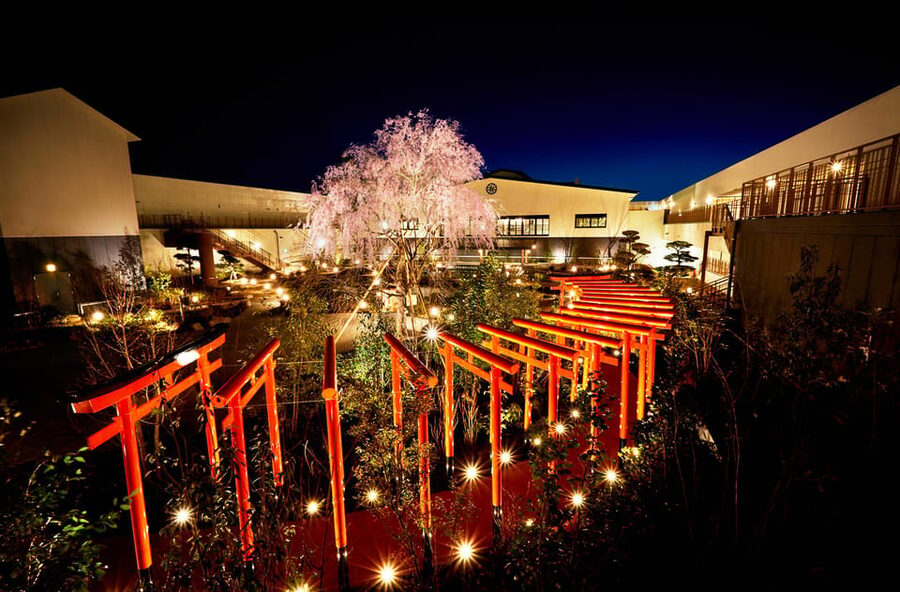
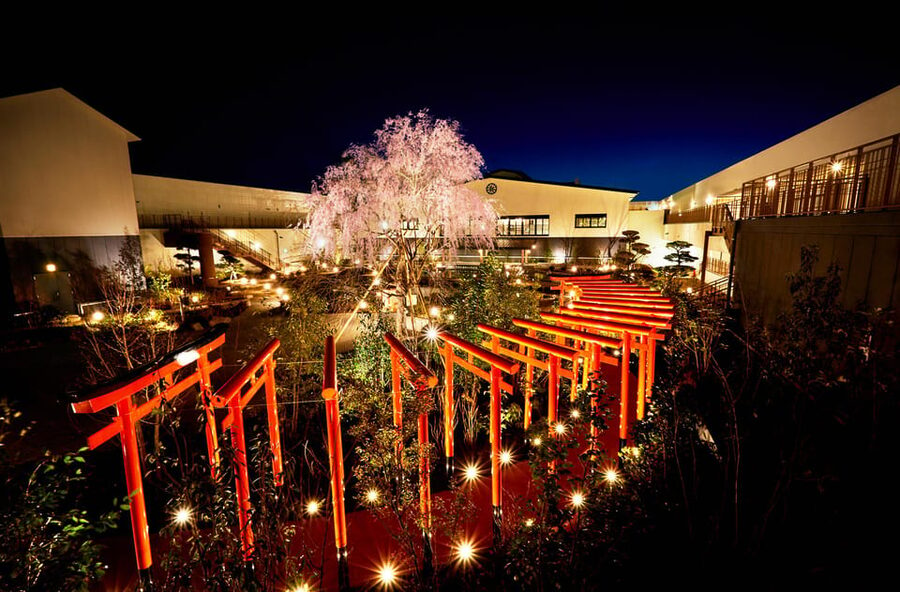
The Tenku Garden is one of Solaniwa Onsen’s best reasons to visit. This 3,000-square-meter rooftop garden creates open space above the city, with seasonal trees and flowers arranged around footbath areas and decorative features.
You can sit in the footbath while looking at the garden rather than spending your entire visit in a steamy indoor room. That makes the garden useful for people who like hot springs but need breaks between baths. It also gives friends and family members a place to relax together when they do not all want the same level of heat.
The garden includes a thousand torii gates and waterfalls. Torii gates are the bright shrine gates seen at sites across Japan, often marking a transition into a sacred space. Here, they help create the feel of a compact Japanese town and give the rooftop area something to explore.
Do not expect a huge public park. The garden is a designed hot spring attraction, not a wild outdoor area. Its appeal comes from the contrast: you are in the middle of Osaka, yet the torii gates, water features, and seasonal plants create a strong sense of separation from the city.
Seasonal access can vary. Certain areas may not be available at some times of year, so do not build your whole plan around one particular garden feature. The main bathing facilities remain the heart of the visit.
Nine baths, from open air to carbonated water
The hot bath area uses slightly alkaline natural spring water that rises from 1,000 meters underground. It is known as Beautiful Hada no Yu, a name that points to the facility’s focus on skin-friendly bathing.
The water is not the only draw. You get access to nine types of baths, giving you room to change the pace and find the setting that suits you. The exact experience will vary from bath to bath, but the listed choices include an open-air bath, a garden-view bath, and a carbonated spring bath.
The open-air bath is the obvious choice when you want fresh air and a more traditional hot spring feel. The garden-view bath connects your soak to the Tenku Garden, so it works well if you want to keep the Japanese garden atmosphere close at hand.
The carbonated spring bath offers a different sensation from a standard hot bath. It gives the bathing area some variety, especially if you plan to stay for much of the day. With nine options, you can move around instead of sitting in one pool until you feel overheated.
You should follow the facility’s bathing rules and take your time. A hot spring visit is not a race. Shorter sessions with breaks in the footbath or garden area will usually make more sense than trying to remain in hot water for hours.
The facility also includes saunas and scrubbers. These extras make the ticket more useful for people who want a full bathing routine rather than a single soak. Since the package includes access to these areas, you do not need to add them separately to the listed price.
Why the traditional setting matters
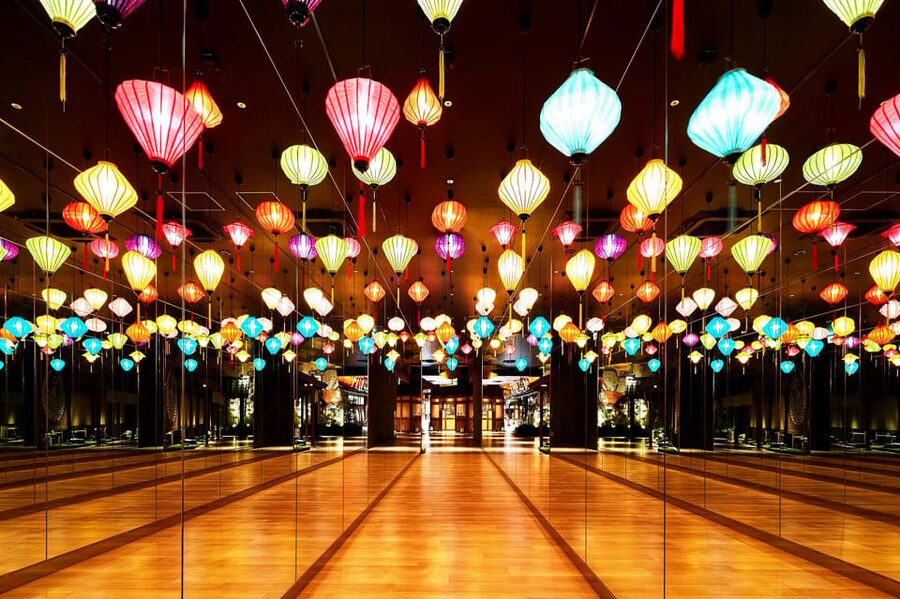
A standard city spa can be convenient but forgettable. Solaniwa Onsen puts effort into the mood around the baths, and that is where its traditional Japanese character comes through.
The hot spring town concept gives you visual details to notice as you move through the facility. The torii gates and waterfalls are not just decoration. They help divide the visit into small moments, so you can wander, bathe, stop for a footbath, and return to the water without feeling rushed.
This is also a useful introduction to onsen culture for people who are not ready to visit a remote hot spring town. You can experience the basic rhythm of bathing and resting in Osaka, with no need to plan an overnight trip to the countryside.
Still, it is important to set your expectations correctly. This is a modern commercial facility with a theme park feel, not a quiet rural ryokan surrounded by mountains. If you want a polished urban attraction with traditional Japanese touches, it fits well. If you want a tiny family-run inn and complete silence, choose a different kind of onsen.
Same city, a completely different kind of afternoon:
- Osaka Go Karting Tour with Funny Costume
★ 5.0 · 2,658 reviews - Osaka Castle: Museum and Tower Entry Ticket
★ 4.5 · 2,380 reviews - Osaka: Shinsekai Food Tour with 13-15 Dishes at 5 Eateries
★ 4.8 · 2,204 reviews - Osaka Food Tour: 13 Dishes at 5 Local Eateries
★ 5.0 · 2,149 reviews
Planning enough time for the full day
The admission is valid for one day, and that makes the experience easier to fit around your plans. You can visit for a few hours or make it a longer rest stop. The best use of the ticket is to avoid squeezing the baths between two tightly timed sightseeing stops.
A sensible visit might begin with the garden and footbath, continue with several of the indoor and outdoor baths, then shift to the sauna or scrubber areas. You can return to the garden when you need a break. The facility’s layout and range of spaces support this slower pattern.
The full-day validity is especially useful after a busy day in Osaka. Instead of adding another museum or shopping district, you can give yourself a few hours with less walking. You will still have things to look at, but the main activity is rest.
If you are traveling with children or teenagers, check the age limits carefully. Groups under 16 may use the facility until 7:00 PM. Groups under 18 may stay until 10:00 PM. These rules can affect an evening visit, so families should plan their timing before arrival.
Strollers and baby carriages are not allowed. That is a key practical point for families with small children. The facility is wheelchair accessible, but the stroller restriction means you should plan another way to manage babies and toddlers.
Food, ticket details, and small ways to avoid trouble
The supplied experience information does not list a meal as part of the standard package. One important practical issue comes from a booking that included lunch, where the diner could not work out how to redeem the meal and ended up paying for it again.
If your particular reservation includes lunch or another add-on, ask reception how to collect it before buying anything separately. Keep the reservation screen open when you arrive, and show it at the reception desk. The basic entry ticket includes the garden, bathing areas, saunas, and scrubbers, but extra services may follow different procedures.
The $14 price is attractive for a full day of access. You are paying not only for the water, but also for the garden, the different bathing areas, the sauna facilities, and the designed atmosphere. The separate 150-yen bathing tax is small, but you should have it ready so the final cost does not come as a surprise.
The ticket cannot be combined with other discounts or services. If you already have a coupon or another package, compare the total price before booking. This admission may be the better deal for a long visit, while a short stop could feel less worthwhile once you include the tax and transport.
You can cancel up to 24 hours in advance for a full refund, and you can reserve now and pay later. The facility may close without notice in unusual circumstances. If bad weather causes a temporary closure, transport costs to the site are not reimbursed, so check the operating status if conditions are poor.
The tattoo policy is not a minor detail
Solaniwa Onsen does not allow people with visible tattoos to use the service. Tattoo stickers and tattoo paint are also not accepted. This is stricter than some Japanese bathing facilities that allow tattoos if they are covered, so check your situation before you book.
People with gang affiliations and anyone under the influence of alcohol cannot use the facility. Alcohol and drugs are not allowed. These rules apply to the service itself, not just to the bathing pools, so do not assume you can enter and avoid certain areas.
For visitors unfamiliar with Japanese onsen etiquette, the policy may feel strict, but it is clearly stated and should be treated as a condition of entry. If this rule prevents you from using the facility, the low ticket price will not make the visit worthwhile.
Who will enjoy Solaniwa Onsen most
I would recommend this experience to you if you want a relaxed Osaka activity with more atmosphere than a plain public bath. It works particularly well for:
- Couples who want a calm break from sightseeing
- Families who can work within the evening age restrictions
- First-time onsen users who prefer an urban facility
- Anyone who likes gardens, footbaths, and decorative Japanese details
- Visitors looking for a full-day indoor and outdoor activity
The family-friendly quality is a real strength, but the restrictions need attention. No strollers are allowed, and younger visitors must leave earlier than adults. Families with older children may find the setup easy, while families with babies may find it less convenient.
I also like it for a rainy day, although the facility can close temporarily during bad weather. The baths remain the main attraction, and the rooftop garden adds a change of scene when conditions allow. Just do not count on transport reimbursement if a weather closure interrupts your plans.
Should you book Solaniwa Onsen?
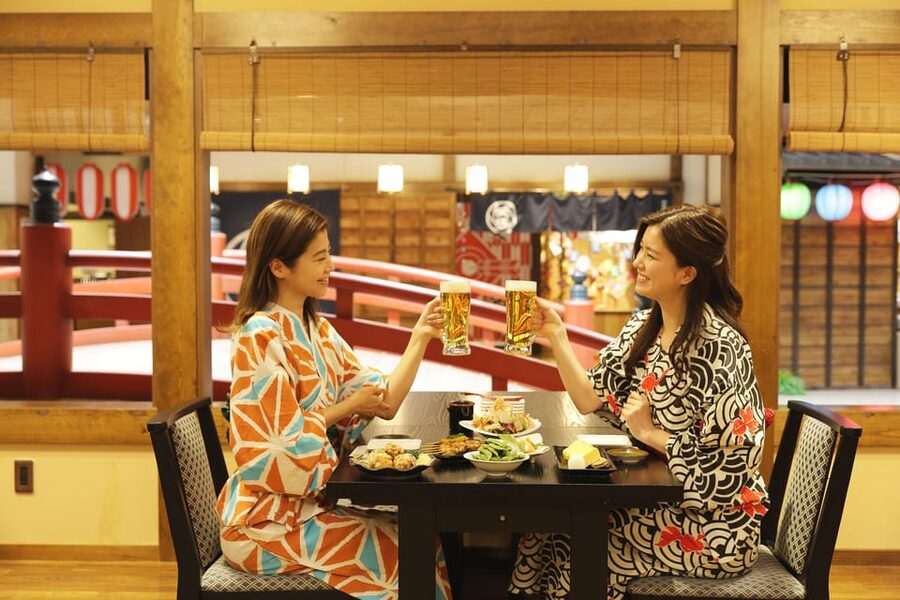
Book it if you want a full day of bathing, saunas, footbaths, and Japanese-style atmosphere for $14 plus the 150-yen tax. The best value comes when you stay long enough to use several baths, the Tenku Garden, and the sauna areas rather than treating it as a quick dip.
Skip it if you have a visible tattoo, need to bring a stroller, dislike themed settings, or want a remote countryside onsen with a small, quiet inn. For everyone else, Solaniwa Onsen offers a practical taste of Japanese hot spring culture right in Osaka, with enough variety to keep the visit from feeling like a single-pool stop.
FAQ
Where is Solaniwa Onsen located?
Solaniwa Onsen is at 1-2-3 Benten, Minato-ward, Osaka-city, Osaka Bay Tower North, 552-0007. The coordinates are 34.6703579, 135.4595476.
What does the $14 ticket include?
The ticket includes access to the Tenku Garden, the hot bath area with nine types of baths, saunas, and scrubbers.
Is the Osaka bathing tax included?
No. A separate 150-yen Osaka city bathing tax must be paid at the facility.
How long is the ticket valid?
The ticket is valid for one day. Check availability for the available starting times.
Can I cancel my reservation?
Yes. You can cancel up to 24 hours in advance for a full refund. The reserve-now, pay-later option is also available.
Are tattoos allowed?
No. People with visible tattoos, tattoo stickers, or tattoo paint cannot use the service. People with gang affiliations or anyone under the influence of alcohol are also not permitted.
Is the facility wheelchair accessible?
Yes. Solaniwa Onsen is wheelchair accessible, but baby strollers and baby carriages are not allowed.
Just added in Osaka
- Urban Canvas: Osaka Street Art Bike Tour★ 5.0 · 10 reviews
- Anime Cosplay Photshoot-50 Digital Photos Provided★ 5.0 · 8 reviews
- TeamLab Botanical Garden Osaka Ticket★ 3.5 · 6 reviews
- Umeda Sky Building & Kuchu Teien Observatory Ticket in Osaka★ 4.5 · 3 reviews
- Immerse in Judo Martial Arts Class from Japan★ 5.0 · 4 reviews
- Cherry Blossom Buddha and Mt.Yoshino with Strawberry Picking Tour★ 4.5 · 5 reviews
- Traditional Home cooking Experience in Osaka, Japan★ 5.0 · 14 reviews
- Traditional Calligraphy Experience near Dotonbori★ 5.0 · 3 reviews
Osaka Onsen and Hot Springs, compared.
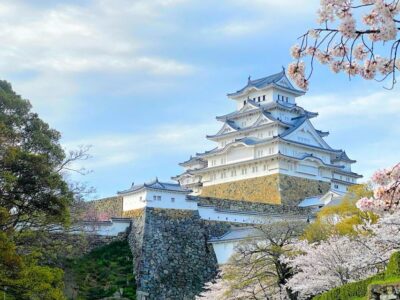
Himeji Castle, Arima Onsen & Mt. Rokko Day Tour
Read our review →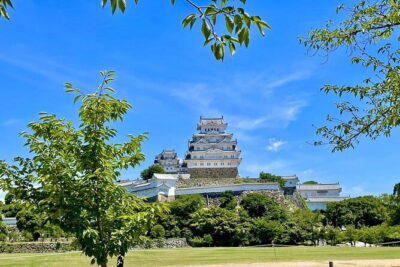
Himeji Castle, Arima Onsen & Mt. Rokko: 1-Day Bus Tour from Osaka
Read our review →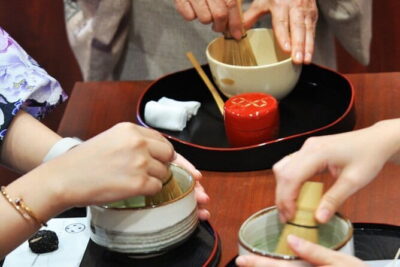
Nara Deer Park, Uji Matcha, & Hot Spring Full-Day Tour from Osaka
Read our review →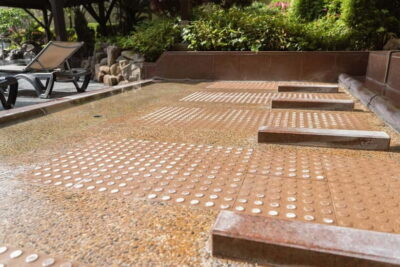
Tennen Onsen Naniwa-no-Yu, the famous hot spring spa
Read our review →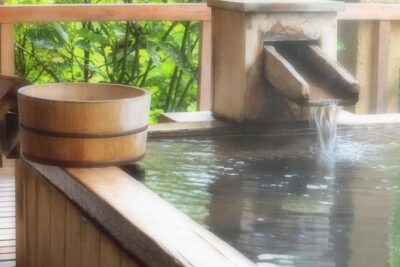
Private Car Day Trip to the Kobe Mountains, Gardens and Hot Springs from Osaka
Read our review →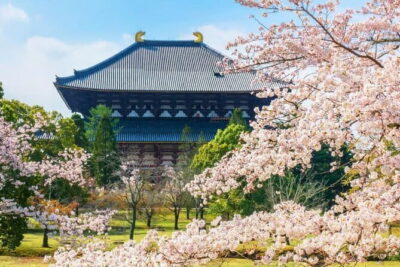
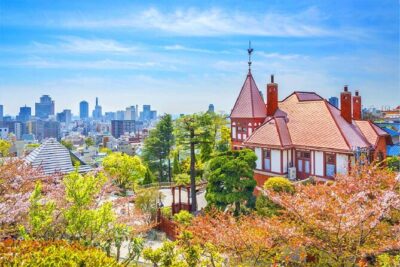
Kobe Night View Mt Rokko Kitano Ijinkan Arima Onsen Day Trip
Read our review →Browse the lists this tour appears in