
Reviewed · OSAKA STREET FOOD TOURS
Osaka: Guided Food Tour with 12 Dishes at 4 Local Eateries
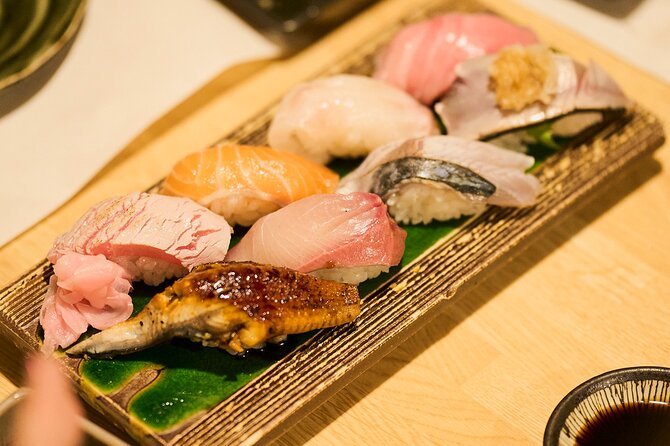
Osaka’s food culture is best understood one small plate at a time. This 150-minute evening tour moves through local restaurants, a sake bar, and street food stops around Dotonbori, with up to 12 Japanese dishes and two included drinks. You may try fresh fish, grilled skewers, takoyaki, Osaka-style okonomiyaki, and traditional sweets.
I like two things here: the changing restaurant lineup gives you a wider taste of Osaka, and the guides add useful local context rather than simply pointing at food. Guides such as Mao, Spike, Ukyo, Nao, and Kenta have been praised for their humor, warmth, and practical recommendations.
The main consideration is that the exact dishes and number of food stops can change by day. This is not a fixed tasting menu, and extras must be paid for in cash. Bring comfortable shoes, some cash, and an appetite.
Key points to know before booking
- Twelve dishes in 150 minutes: Expect a generous spread of Japanese food rather than one large meal.
- Three types of stops: The route can include a local restaurant, a bar or izakaya, and a street-food stand or small eatery.
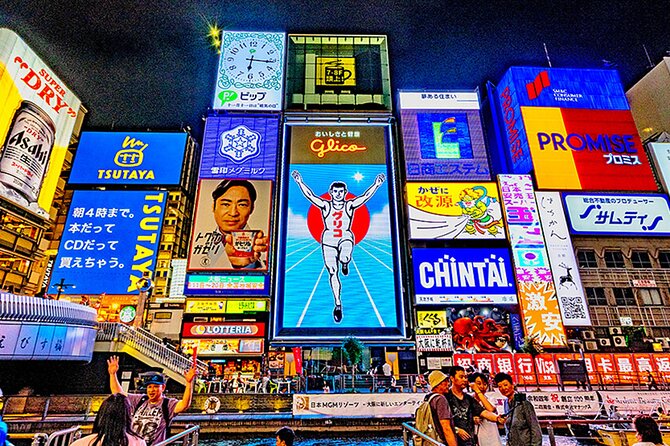
- Dotonbori as your dining room: You walk through one of Osaka’s busiest food districts while your guide explains local customs and sights.
- Two drinks included: Beer, sake, cocktails, tea, coffee, or another available drink may be offered, while extras cost cash.
- Food choices vary: The restaurants and dishes differ by day, so the experience offers variety but not a guaranteed menu.
- Good for food beginners: Your guide explains what each dish is and how to eat it, which helps if Japanese menus feel unfamiliar.
Why this Osaka food tour works
At $73 per person, this is priced as a guided meal, neighborhood walk, and cultural introduction rolled into one. You are not just buying 12 samples. You are also paying for someone to choose places, order food, explain unfamiliar dishes, and help you navigate Dotonbori after dark.
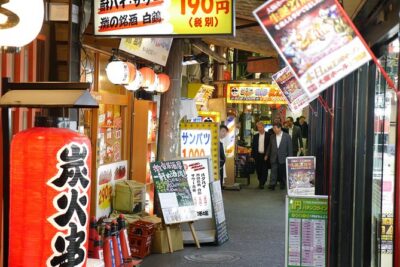
That matters in Osaka. The Dotonbori area is packed with signs, restaurants, bars, and food stalls. It is easy to take a photograph of the famous Glico running man and then settle for the first flashy restaurant you see. A local guide gives you a better chance of finding smaller places and understanding what is on the table.
I especially like this tour for the first or second night of an Osaka stay. You can ask about dishes to seek out later, areas worth visiting, and places that match your tastes. Mao, for example, has helped participants with recommendations for the rest of their Osaka trip, while other guides have suggested foods and sights to try in Japan.
The price is also easier to judge if you think of the tour as a social night out. Two drinks and a large amount of food are included. You may still want cash for extra drinks or dishes, but you should not need to arrange several separate restaurant visits on your own.
More street food tours in Osaka:
- Osaka: Shinsekai Food Tour with 13-15 Dishes at 5 Eateries
★ 4.8 · 2,204 reviews - Osaka Food Tour: 13 Dishes at 5 Local Eateries
★ 5.0 · 2,149 reviews - Hungry Osaka Street Food Tour:15 Tastings & 3 Drinks with a Local
★ 5.0 · 1,727 reviews
Meeting at Don Quijote in Dotonbori
The tour begins in front of the Don Quijote Dotonbori Midosuji Store. Look for the Local Guide Stars sign. This is a useful meeting point in a busy part of town, but it can also be crowded and visually noisy, so give yourself enough time to find the exact storefront and sign.
From there, you walk through the Dotonbori area. This is not a quiet old-town stroll. You will see bright advertising, narrow streets, restaurant displays, and plenty of evening foot traffic. The walk gives your guide a chance to explain the area, Osaka food customs, and local sights before the meal gets underway.
The walking element is modest but useful. It breaks up the eating and lets you see how the district changes from the main canal-side streets to smaller dining spots. One guide also paused at points along the route to explain the cultural meaning of places and local traditions.
Wear comfortable shoes. You are not hiking, but you will walk between stops, often through crowded streets, and you may wait briefly if weather or restaurant timing slows the route.
The first restaurant: a broad taste of Japanese food
The opening restaurant is designed to get plenty of food on the table. The exact selection changes, but the tour description points to fresh fish dishes, grilled items, regional food, local snacks, and drinks.
This is where the tour has an advantage over ordering alone. A guide can explain what you are eating, how it is usually served, and which sauces or condiments belong with it. For someone new to Japanese cuisine, that removes much of the guesswork.
You might encounter sashimi, fried chicken, skewers, small cooked dishes, or other regional favorites. One group particularly enjoyed fresh sashimi and fried chicken at an izakaya. Another praised the variety and the amount of food, noting that the meal was filling by the end.
The format is likely shared plates rather than 12 full-size entrees. That is good news. You get to sample many flavors without ordering a large serving of something you may not enjoy. It also makes the meal more social, since people can compare tastes and ask the guide questions between dishes.
The local bar and izakaya stop
The second stop is a local bar or izakaya, a casual Japanese drinking and dining place. This is often the most useful part of the evening for understanding how people eat socially in Japan.
An izakaya meal is usually built from several small dishes ordered for the table. The food may include seafood, fried items, grilled skewers, vegetables, and other snacks that work well with beer or sake. The tour includes two drinks, and the available options can include beer, sake, wine, cocktails, spirits, tea, coffee, or soft alternatives depending on the stop.
Do not expect a long tasting lecture at every dish. The strength of this tour is its relaxed pace and local guidance. Guides such as Spike and Ukyo have been praised for keeping the mood light while explaining food and culture. That combination matters in a bar setting, where a stiff, formal presentation would feel out of place.
This is also where the group atmosphere can work well. Several people have enjoyed meeting others from different countries, and small groups make it easier to talk over the food. Solo visitors may find this especially useful, since the guide helps turn a restaurant meal into a shared evening rather than a table for one.
The tradeoff is that a group meal is not the same as a private dinner. Group size varies, and one booking ended up with only two participants and the guide. That created a very personal experience, but it would have been more social with a larger group. If meeting other people is a major reason for booking, keep in mind that the size cannot be guaranteed.
More food and drink tours in Osaka:
- Hungry Osaka Street Food Tour: 15 Dishes & 3 Drinks
★ 4.9 · 694 reviews - Kuromon Market Food Walking Tour in Osaka (6 stops, 6 tastes)
★ 5.0 · 550 reviews - Osaka: Guided Food Tour with 12 Dishes at 4 Local Eateries
★ 5.0 · 533 reviews - Absolute Osaka Food Tour
★ 5.0 · 309 reviews
Street food and the Osaka classics
A street-food stop adds a different texture to the evening. Instead of sitting at a restaurant, you may try a snack from a stall or casual counter. Takoyaki is one example mentioned in the experience, and the route may include street food featured in the Michelin Guide.
Takoyaki is one of Osaka’s signature foods: small, hot batter balls traditionally made with octopus and topped with sauce, mayonnaise, bonito flakes, or other garnishes. It is best approached carefully because the center can be very hot. Your guide can help you understand how locals eat it and what to expect from the texture.
The route may also finish with Osaka-style okonomiyaki, a savory pancake cooked with ingredients mixed into the batter and topped with sauce and other garnishes. One participant singled out the okonomiyaki as a highlight, while another said the tour ended with this Osaka specialty.
These foods are valuable because they show Osaka’s casual side. You are not being taken only to polished restaurants. You get a sense of the quick, filling dishes people associate with the city, often eaten in lively streets or informal dining rooms.
The exact order can change. Some descriptions point to two restaurants and a street stall, while the route lists a restaurant, a bar, and a final casual stop. Think of the structure as three food experiences rather than a guaranteed sequence.
The final stop and the meaning of 12 dishes
The last stop may be a small eatery, street-food counter, or dessert stop. Traditional sweets are included among the possible foods, giving the meal a sweeter finish after fish, fried dishes, grilled items, and savory Osaka specialties.
Twelve dishes sounds like a lot because it is a lot. The portions are meant for tasting, but you should arrive hungry and avoid booking this immediately after another large meal. Several participants found the food more than sufficient, so do not plan an elaborate dinner afterward.
The changing menu is both a strength and a limitation. You may get dishes that are not part of a standard tourist menu, and you can experience a wider range of flavors across different dates. At the same time, you cannot book this expecting a fixed list of sashimi, takoyaki, okonomiyaki, and sweets in a particular order.
If you have allergies or dietary needs, tell the operator in advance and also speak to the guide at the meeting point. One food-sensitive participant received helpful attention for a gluten-free diet. Still, the available substitutions are not clearly guaranteed, so this tour is easier for flexible eaters than for people with severe restrictions.
The guides make the difference
The guide is a central part of this experience. The food is important, but the route would be much less useful without someone who can explain the dishes and help you manage the district.
Mao has been praised for her thoughtful explanations, friendly manner, and ability to offer recommendations beyond the tour. Spike has been described as energetic and funny. Ukyo has been praised for local insight and a good sense of humor, while Nao and Kenta have also received warm comments for making the evening enjoyable.
Guide assignments change, so you cannot choose a particular person when booking unless the operator confirms it. What you can expect is an English-speaking guide who leads the walk, orders or helps arrange the food, and shares information about Osaka, Japanese cuisine, history, and traditions.
The best guides do not bury you in facts. They explain enough to make each dish less mysterious, then let you eat and talk. That balance is important during a food tour. You want context, but you do not want every mouthful interrupted by a speech.
Timing, drinks, and extra costs
The experience lasts 150 minutes. That is long enough for several stops but short enough to fit into an evening of sightseeing. Since the route involves walking, ordering, eating, and conversation, the pace may feel full rather than leisurely.
Two drinks are included. The choices can include beer, sake, cocktails, wine, spirits, tea, or coffee, but the exact selection depends on the places visited and your age. Participants under 20 can join, but they cannot consume alcohol.
Bring cash. Any extra drinks, dishes, or orders beyond what is included must be paid for in cash. This is a small point, but it is the sort of detail that can spoil an otherwise easy evening if you arrive with only a card.
Free cancellation is available up to 24 hours before the start time, and you can reserve while paying later. The tour is wheelchair accessible, though the practical ease of moving through crowded streets and entering each venue may depend on the stops chosen that day.
Who should book this food walk
I would choose this tour if you are new to Japanese food, want help ordering, or would rather spend one evening with a local than research several restaurants. It also suits solo visitors and couples who like meeting a small group over shared dishes.
It is a good fit for curious eaters who enjoy variety. You may try fish, skewers, fried food, street snacks, sweets, and Osaka specialties in one outing. You do not need to know the names of the dishes in advance.
It is less suitable if you want a fixed menu, a quiet private dinner, or a very polished restaurant experience. The route moves through a crowded entertainment district, the food changes by day, and the atmosphere is casual.
It may also be a poor match for strict dietary needs unless the operator confirms suitable options ahead of time. The gluten-free experience described here is encouraging, but it should not be treated as a promise that every menu can be adapted.
Should you book the Osaka food tour?
Book it if you want a friendly introduction to Osaka through food, especially at the start of your trip. The strongest reasons are the variety of dishes, the chance to eat at places you might not find alone, and the guide’s ability to explain what you are eating and where you are walking.
At $73, the value is solid when you count 12 dishes, two drinks, several stops, and 150 minutes of local help. Bring cash for extras, arrive hungry, and accept that the menu may change. If those conditions suit you, this is a practical and social way to get your bearings in Dotonbori and decide which Osaka foods deserve a second helping.
FAQ
Where does the Osaka food tour meet?
Meet in front of the Don Quijote Dotonbori Midosuji Store. Look for the Local Guide Stars sign.
How long does the experience last?
The tour lasts 150 minutes.
How many dishes and drinks are included?
The experience includes 12 recommended Japanese dishes and two drinks.
Will the dishes be the same on every tour?
No. The restaurants and dishes can differ by day, so the exact menu is not fixed.
Can people under 20 join?
Yes. Participants under 20 may join, but they are not permitted to consume alcohol.
What should I bring?
Bring comfortable shoes, a camera, and cash for any extra food or drinks.
Just added in Osaka
- Urban Canvas: Osaka Street Art Bike Tour★ 5.0 · 10 reviews
- Anime Cosplay Photshoot-50 Digital Photos Provided★ 5.0 · 8 reviews
- TeamLab Botanical Garden Osaka Ticket★ 3.5 · 6 reviews
- Umeda Sky Building & Kuchu Teien Observatory Ticket in Osaka★ 4.5 · 3 reviews
- Immerse in Judo Martial Arts Class from Japan★ 5.0 · 4 reviews
- Cherry Blossom Buddha and Mt.Yoshino with Strawberry Picking Tour★ 4.5 · 5 reviews
- Discover Osaka’s Iconic Umeda Sky Observation★ 5.0 · 6 reviews
- Traditional Home cooking Experience in Osaka, Japan★ 5.0 · 14 reviews
Osaka Street Food Tours, compared.
Shinsekai Food Tour with 13-15 Dishes at 5 Eateries
Read our review →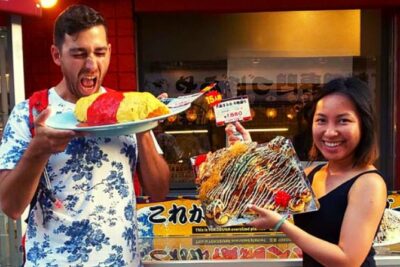
Osaka Food Tour: 13 Dishes at 5 Local Eateries
Read our review →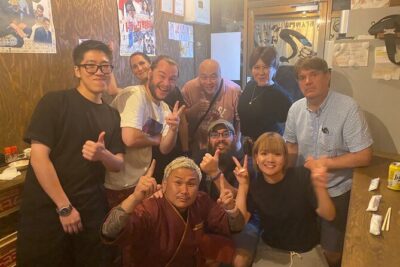
Hungry Osaka Street Food Tour:15 Tastings & 3 Drinks with a Local
Read our review →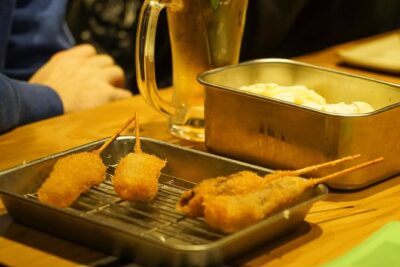
Osaka Local Foodie Walking Tour in Dotonbori and Shinsekai
Read our review →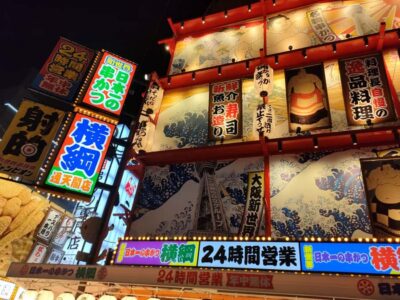
Hungry Osaka Street Food Tour: 15 Dishes & 3 Drinks
Read our review →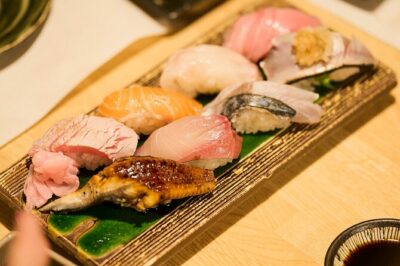
Guided Food Tour with 12 Dishes at 4 Local Eateries
Read our review →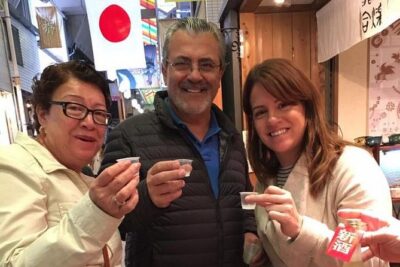
Osaka After Dark: Small-Group Night Food Tour (Max 6)
Read our review →Browse the lists this tour appears in