
Reviewed · OSAKA STREET FOOD TOURS
Osaka Street Food Adventure: Taste Local Flavors with Guide
Osaka’s best food stories often begin in small neighborhood shops, not polished restaurants. This three-hour walk takes you from old Shinsekai to Dotonbori, with stops for takoyaki, kushikatsu, croquettes, wagashi, steamed buns, and other local bites.
I like the small group of no more than eight, which gives you room to ask questions and follow your guide through narrow market lanes. I also like the mix of food and place: you get the oddball charm of Tsutenkaku, the lanterns of Hozenji Yokocho, and the famous Glico sign along with your lunch.
The main drawback is the food. Meat, seafood, wheat, and dairy may appear in the tastings, and the tour is not suitable for people with food allergies. You should also arrive ready to walk, stand, and pay 190 yen for the subway ride from Shinsekai to Namba.
What makes this Osaka food walk worth your time
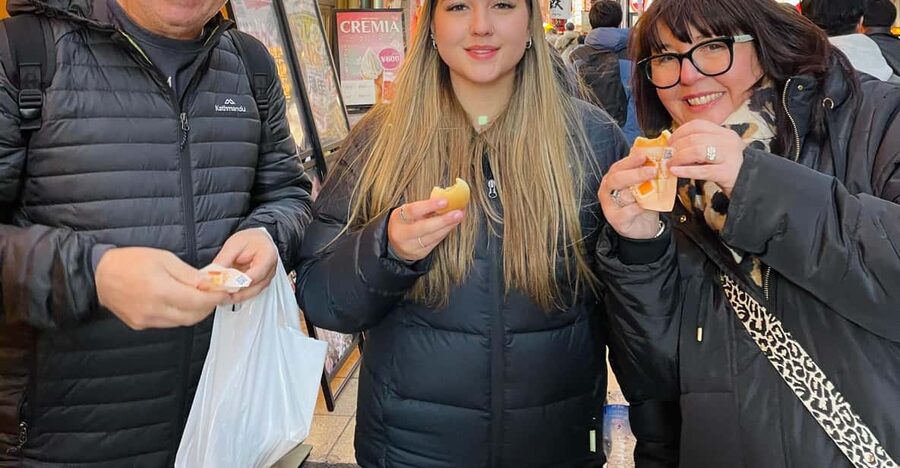
- Six to ten Osaka tastings: The selection can include croquettes, wagashi, kushikatsu, takoyaki, steamed meat buns, and other seasonal treats.
- A local guide with a personal touch: Hiroko led one recent outing, adding extra stops such as a fish market, a sushi train, pachinko, and Dotonbori’s famous fluffy cheesecake.
- Three distinct Osaka neighborhoods: Shinsekai, Namba, and Dotonbori each show a different side of the city.
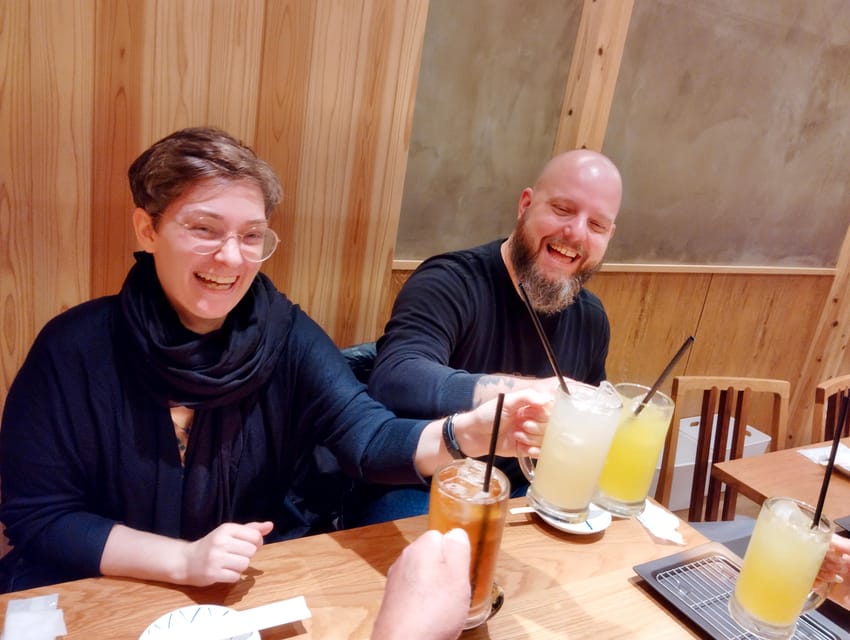
- One restaurant drink included: You get time to sit down with a drink and a selection of local specialties.
- Public transport becomes part of the outing: The subway ride to Namba costs 190 yen and gives you a useful taste of everyday Osaka travel.
- A compact, easy-to-book format: The tour lasts three hours, accepts up to eight people, and allows cancellation up to 24 hours ahead for a full refund.
Starting at Ebisucho Station in Osaka
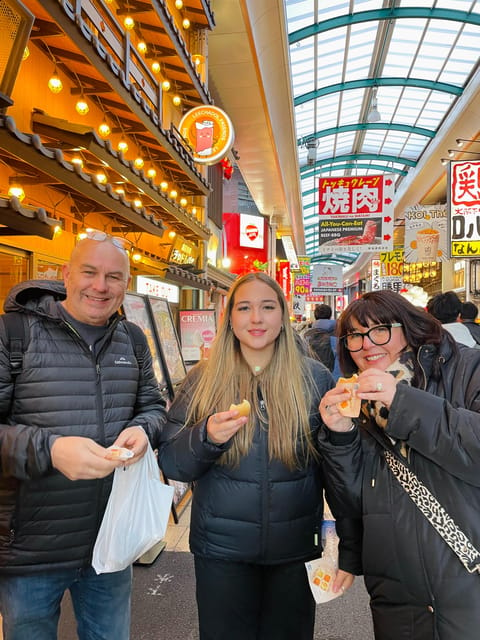
You meet at 11 a.m. at Exit 3 of Ebisucho Station, at ground level in front of the Osaka王将 restaurant, often written as Osho. This is a practical starting point for Shinsekai, so the tour gets to its first food stops quickly.
I would arrive a little early. The meeting point is described clearly, but a busy station can still cause confusion if you come up from a different exit. Look for Exit 3 and the Osho restaurant rather than relying only on the neighborhood name.
The tour is conducted in English, with an English and Japanese-speaking local guide listed among the inclusions. Since the group is capped at eight people, this is a more personal setup than a large coach outing. You can ask about ingredients, ordering habits, neighborhood customs, or places to eat later in your trip.
The walk lasts three hours, so it works well as a late-morning food stop before an afternoon of sightseeing. You should wear comfortable shoes. Even though the route is not described as a strenuous hike, it includes several neighborhood walks, market browsing, and a subway transfer.
More street food tours in Osaka:
- Osaka: Shinsekai Food Tour with 13-15 Dishes at 5 Eateries
★ 4.8 · 2,204 reviews - Osaka Food Tour: 13 Dishes at 5 Local Eateries
★ 5.0 · 2,149 reviews - Hungry Osaka Street Food Tour:15 Tastings & 3 Drinks with a Local
★ 5.0 · 1,727 reviews
Shinsekai: croquettes, sweets, and fried skewers
Shinsekai is the tour’s main introduction to old-style Osaka. Its streets around Tsutenkaku have a retro feel, with eccentric signs, local eateries, and long-running shops. Your guide explains how the area developed and points out details that are easy to miss if you simply walk through on your way to the tower.
The food starts with a croquette from a historic butcher shop. It is a simple snack, but that is part of its appeal. A fresh croquette gives you a quick taste of the everyday food culture that makes Osaka such a rewarding eating city.
You also stop for wagashi, traditional Japanese sweets, at a confectionery that has been operating for centuries. Wagashi can be delicate in flavor and appearance, so this stop adds some contrast to the fried foods. It also gives your guide a chance to explain how sweets fit into Japanese food customs.
Then comes kushikatsu, one of Shinsekai’s signature foods. These are ingredients placed on skewers, coated, and deep-fried. The neighborhood is strongly associated with the dish, and eating it here gives the stop a sense of place that you would miss at a generic Japanese restaurant elsewhere.
The food arrives in small portions, but the stops add up. If you have already eaten breakfast, keep it light. The point is to sample several foods rather than fill up at the first shop.
Tsutenkaku Tower and the character of Shinsekai
The route includes a short visit to Tsutenkaku Tower, with about 10 minutes set aside for the stop. You should think of this as a neighborhood landmark and photo opportunity rather than a full tower visit. The available information does not include admission to an observation deck, so do not expect a long interior tour.
Tsutenkaku helps explain Shinsekai’s visual identity. Its bright presence rises above streets lined with food shops and signs, making it one of the easiest parts of Osaka to recognize. Your guide can connect the tower and surrounding streets to the area’s past and present.
This brief stop also keeps the outing moving. Food tours can become tiring when you stand in one place for too long, and the route gives you a change of pace between tastings.
Osaka street food near Dotonbori
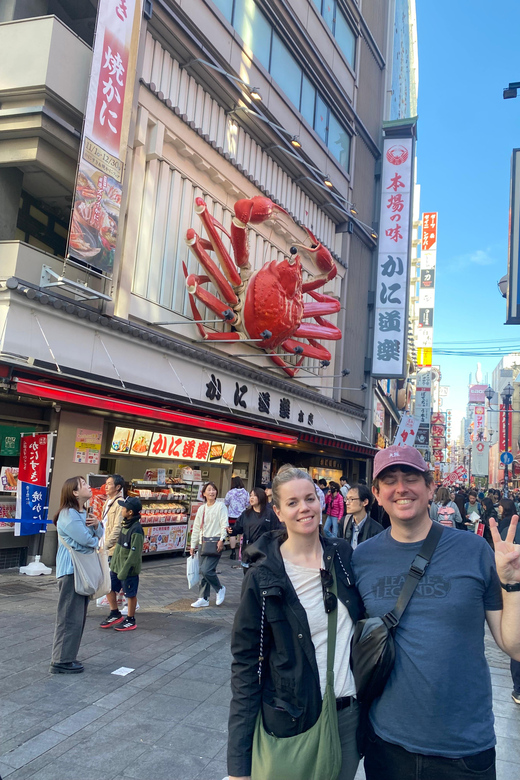
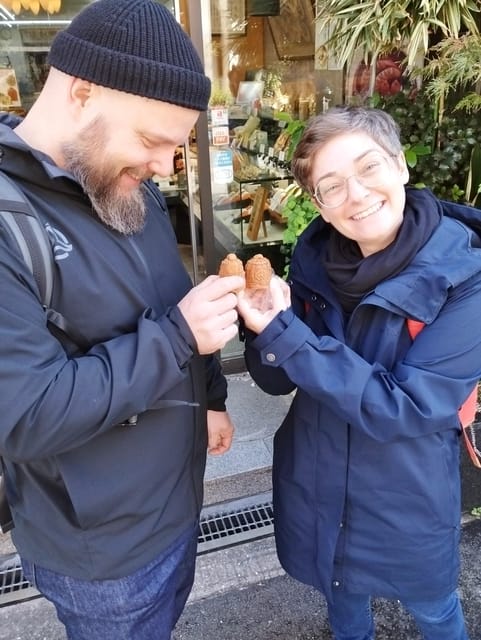
One highlight is takoyaki from what is described as Osaka’s oldest takoyaki shop. These round batter snacks contain octopus and are cooked hot, so you may need to wait a moment before taking a full bite. Takoyaki is one of the city’s most famous foods, and eating it at a long-running shop gives the tasting more context than ordering it from a random stand.
You also try steamed meat buns, a popular local snack. Their soft dough and savory filling offer a different texture from the crisp kushikatsu and croquettes. The exact food selection can change with the season and what is available, so the advertised six to ten tastings are a guide rather than a fixed menu.
At a local restaurant, you sit down for a drink and a selection of additional specialties. One drink is included, while extra purchases are your responsibility. This restaurant stop matters because the tour is not just a series of bites eaten while walking. You get a chance to rest, compare flavors, and ask your guide for recommendations.
One particularly full outing included takoyaki, okonomiyaki, fried eel, sushi train dishes, fried skewers with Asahi beer, and Dotonbori’s fluffy cheesecake. Those foods are not guaranteed on every departure, but they show how broad the experience can become. You may taste familiar Osaka classics alongside something you would not have ordered alone.
More food and drink tours in Osaka:
- Hungry Osaka Street Food Tour: 15 Dishes & 3 Drinks
★ 4.9 · 694 reviews - Kuromon Market Food Walking Tour in Osaka (6 stops, 6 tastes)
★ 5.0 · 550 reviews - Osaka: Guided Food Tour with 12 Dishes at 4 Local Eateries
★ 5.0 · 533 reviews - Absolute Osaka Food Tour
★ 5.0 · 309 reviews
Taking the subway from Shinsekai to Namba
The group rides the subway from Shinsekai to Namba, with a fare of 190 yen not included in the tour price. Bring coins or a transit card if you use one, though the supplied details only confirm the fare rather than a particular payment method.
This transfer is useful beyond the tour itself. Osaka’s subway network is one of the easiest ways to move between major areas, and traveling with a guide lets you observe the process without having to work it out on your first attempt.
The ride also breaks up the walking. After several food stops in Shinsekai, you move into another part of the city without spending much time in a vehicle. The fare is small, but it should be included in your mental price calculation.
Namba’s department store food hall
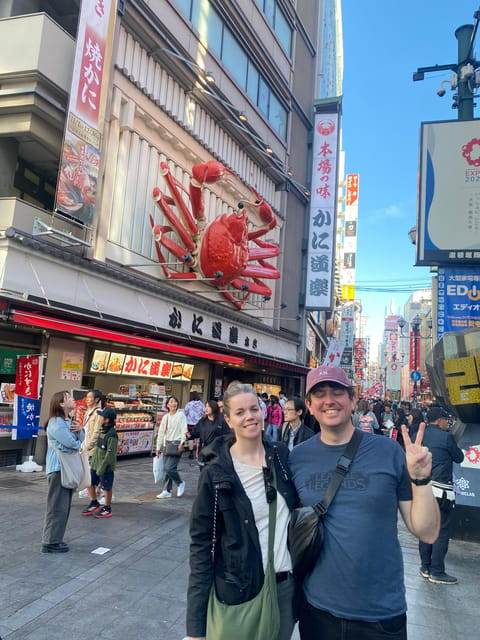
In Namba, the tour visits a depachika, the food hall found in the basement or lower levels of a Japanese department store. These food halls are a different experience from street stalls. You may see carefully presented sweets, prepared dishes, boxed foods, and specialty items in a compact setting.
The stop gives you a look at the polished side of Osaka food culture. Shinsekai focuses on old neighborhood shops and fried snacks, while the depachika shows how Japanese shoppers buy gifts, meals, and high-quality treats.
Your guide leads the tastings and helps you understand what you are seeing. This is especially useful if labels are difficult to read or if you are unsure which foods are intended as snacks, gifts, or complete meals.
The pace here depends on the day and available food. Since the selection changes with season and availability, you should expect the guide to make choices rather than follow a guaranteed item-by-item menu.
Hozenji Yokocho and lantern-lit Osaka
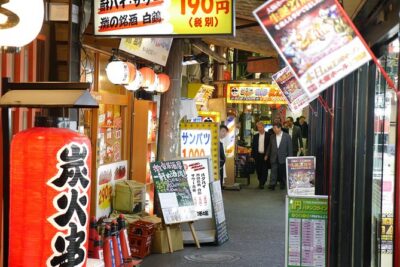
Hozenji Yokocho is a narrow, old-fashioned alley near Namba and Dotonbori. Lanterns, traditional-looking facades, and small restaurants make it feel removed from the louder main streets nearby.
The tour allows about an hour for Dotonbori and Hozenji Yokocho together, so the guide can give you more than a quick photograph. You learn about the neighborhood’s food culture and see how a quiet alley sits beside one of Osaka’s most visited entertainment districts.
This is also a good place to slow down. The earlier stops are built around tasting and movement, while Hozenji Yokocho gives you time to look closely at the setting. Your guide’s local knowledge is particularly useful here because the narrow lanes can be easy to pass without understanding their importance.
Do not expect the alley to be silent or empty. It is a central Osaka sight, and the experience depends on sharing the space with other people. The appeal is its older atmosphere, not complete solitude.
Finishing beneath the Glico sign
The tour ends at the famous Glico sign in Dotonbori. This is one of Osaka’s most recognizable photo spots, with the running athlete above the canal and the surrounding lights and signs.
Dotonbori is often shown as Osaka’s food capital, but the guide helps put the display into context. You learn about the district’s eating culture, then finish with a clear landmark that makes it easy to continue exploring on your own.
This final location is useful for the rest of your day. You are already near restaurants, shops, and other parts of central Namba. The guide can also point out places worth returning to, including shops encountered during the walk.
A recent outing went beyond the listed route with a fish market, pachinko, a sushi train, and fluffy cheesecake. These extras are not promised, but they show that the guide may adjust the route when time, interest, and local conditions allow. Treat them as possible bonuses, not guaranteed inclusions.
What you get for $83
At $83 per person, the tour is not the cheapest way to eat street food in Osaka. You could buy individual snacks for less if you already know where to go and feel comfortable navigating menus and local shops.
The price makes more sense if you value the access and structure. You receive six to ten tastings, one drink, a small-group guide, neighborhood background, help with the subway, and a route linking several parts of the city. You are also paying to avoid spending your first hours searching for good shops or guessing what to order.
The strongest value comes from the variety. In three hours, you can sample fried food, sweets, seafood, savory pancakes, steamed buns, and market treats. You also see three very different settings instead of remaining in one food street.
Still, do not book this expecting a full meal with unlimited portions. The tour is designed for tasting. If you have a large appetite, plan another meal afterward, and budget for any extra food or drinks you buy.
Food restrictions and practical limits
This experience may include meat, seafood, wheat, and dairy. The food selection changes, and the tour is specifically listed as unsuitable for people with food allergies. If you have a dietary restriction, contact the provider before booking to ask what can be changed.
The tour is wheelchair accessible according to the supplied activity details. However, the route includes streets, shops, a department store food hall, and a subway journey, so you should discuss specific mobility needs with the provider in advance.
Smoking is not allowed. Comfortable shoes are essential, and you should keep room in your schedule for walking and standing between tastings.
Free cancellation is available until 24 hours before the start time, and you can reserve now and pay later. Those terms are useful if your Osaka plans are still shifting, but they do not remove the need to check the meeting time and starting point before you leave.
Who should book this Osaka food tour?
I would choose this walk if you are visiting Osaka for the first time and want a guided introduction to local foods without spending a full day on a formal cooking class. It also suits repeat visitors who want neighborhood context and small shops rather than only the biggest restaurant names.
It is a good match for curious eaters who enjoy trying foods one portion at a time. The group size helps if you want to ask questions, and the English-speaking guide can explain unfamiliar dishes as you go.
You may want to skip it if you have serious allergies, dislike seafood or meat, or prefer to control every item you eat. It may also feel rushed if you want long visits at Tsutenkaku, the department store, or Dotonbori. The route covers a lot in three hours.
Should you book it?
Book this tour if you want a well-paced introduction to Osaka food and neighborhoods, with enough structure to remove the guesswork but enough flexibility for local surprises. The combination of Shinsekai snacks, Namba’s food hall, Hozenji Yokocho, and Dotonbori gives you a useful first look at the city.
I would be especially happy to take it early in an Osaka visit, then return later to the shops or dishes that caught my attention. Just arrive hungry but not starved, wear good shoes, bring the 190-yen subway fare, and confirm that the food suits your diet.
FAQ
Where does the Osaka food tour meet?
Meet at 11 a.m. at Exit 3 of Ebisucho Station, at ground level in front of the Osaka王将 restaurant, also called Osho.
How long does the tour last?
The walking food tour lasts three hours.
How many food tastings are included?
The tour includes six to ten food tastings. The exact selection can change with the season and availability.
Is a drink included?
Yes. One drink at a local restaurant is included. Additional purchases are not included.
Is the subway fare included?
No. The subway ride from the Shinsekai area to Namba costs 190 yen and is paid separately.
Can I join if I have a food allergy?
The activity is listed as unsuitable for people with food allergies. Ingredients may include meat, seafood, wheat, and dairy, so contact the provider before booking if you have dietary restrictions.
Just added in Osaka
- Urban Canvas: Osaka Street Art Bike Tour★ 5.0 · 10 reviews
- Anime Cosplay Photshoot-50 Digital Photos Provided★ 5.0 · 8 reviews
- TeamLab Botanical Garden Osaka Ticket★ 3.5 · 6 reviews
- Umeda Sky Building & Kuchu Teien Observatory Ticket in Osaka★ 4.5 · 3 reviews
- Immerse in Judo Martial Arts Class from Japan★ 5.0 · 4 reviews
- Cherry Blossom Buddha and Mt.Yoshino with Strawberry Picking Tour★ 4.5 · 5 reviews
- Traditional Home cooking Experience in Osaka, Japan★ 5.0 · 14 reviews
- Traditional Calligraphy Experience near Dotonbori★ 5.0 · 3 reviews
Osaka Street Food Tours, compared.
Shinsekai Food Tour with 13-15 Dishes at 5 Eateries
Read our review →
Osaka Food Tour: 13 Dishes at 5 Local Eateries
Read our review →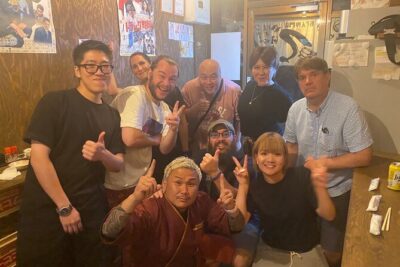
Hungry Osaka Street Food Tour:15 Tastings & 3 Drinks with a Local
Read our review →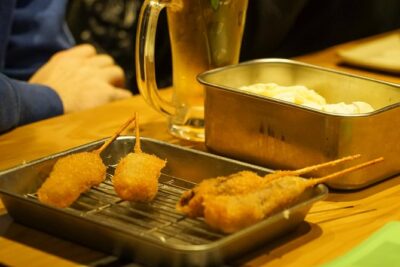
Osaka Local Foodie Walking Tour in Dotonbori and Shinsekai
Read our review →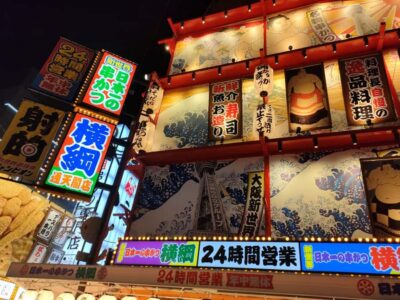
Hungry Osaka Street Food Tour: 15 Dishes & 3 Drinks
Read our review →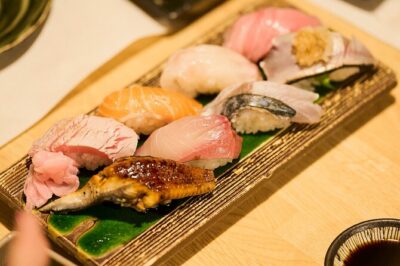
Guided Food Tour with 12 Dishes at 4 Local Eateries
Read our review →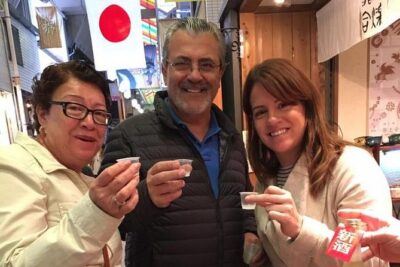
Osaka After Dark: Small-Group Night Food Tour (Max 6)
Read our review →Browse the lists this tour appears in