
Reviewed · OSAKA STREET FOOD TOURS
Osaka: Daytime Hanami (Cherry Blossom) and Food Tour
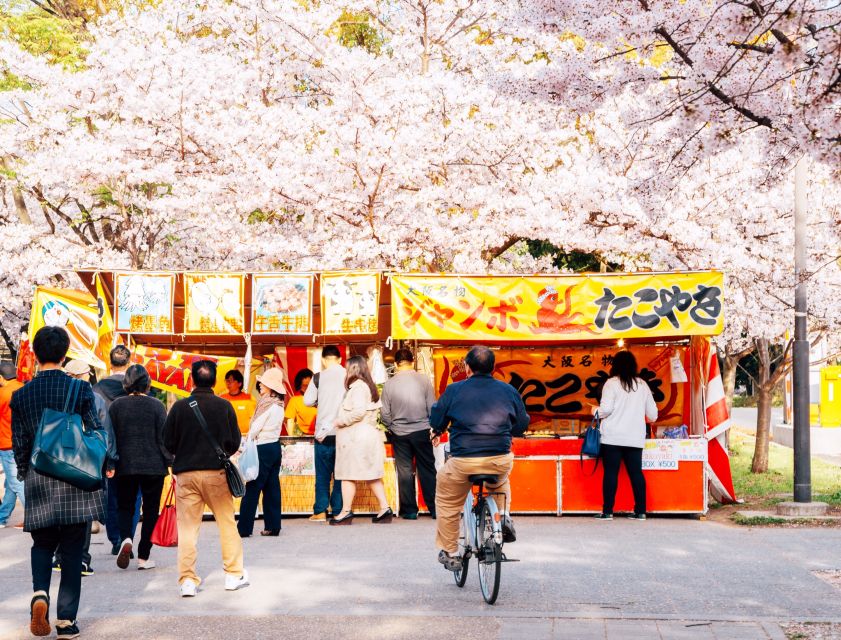
Osaka’s best hanami moments are not always in the city’s famous parks. This three-hour walk takes you through the old Karahori neighborhood, where wooden houses, small shops, shrines, and narrow lanes replace the usual city roar. I like the small-group size of up to 10 people and the chance to combine cherry blossoms with food instead of treating the flowers as a quick photo stop.
I also like the local touch: guides such as Miki and Sanae can lead you to seasonal snacks, a seaweed shop, traditional dining, and a tea ceremony. The main catch is timing. Sakura can bloom early, late, or briefly, so you may see only a few trees if the weather turns or the tour falls outside peak bloom.
Key points to know before booking
- Karahori gives you old Osaka in a compact walking route: Expect wooden buildings, backstreets, artisan shops, and a quieter side of the city near Matsuyamachi Station.
- The food is seasonal and varied: Stops can include street snacks, local drinks, a traditional restaurant, a seaweed shop, and tea.
- The cherry blossom setting is away from major crowds: The tour ends at a secluded spot where shrines and cherry trees create a calm place to sit and eat.
- The guides shape the mood of the tour: Miki and Sanae have both led memorable walks, with help for changing weather and individual preferences.
- The ¥ equivalent of $161 buys more than a flower walk: Your fee covers food at several stops, drinks, a guide, and three hours of local context.
- Bloom conditions are never guaranteed: Rain, wind, or an early or late season can reduce the number of flowers you see.
Why Karahori is a smart place for hanami
Karahori is a good match for this kind of outing because it gives you more than a line of cherry trees. The district has old wooden homes, narrow lanes, small businesses, and a sense of everyday Osaka that can be easy to miss around the neon signs and major shopping streets.
You begin outside Masumuraningyoten Sueyoshibashiten, a doll shop directly outside Matsuyamachi Station. From there, the route moves into the neighborhood around the famous Karahori District. The short transfer matters: you can reach the meeting point by Osaka Metro’s Nagahori Tsurumi Ryokuchi Line, using Matsuyamachi Station Exit 2.
The walk is not a formal garden tour. You will likely move through a mix of lanes, shops, food stops, and local sights before reaching the flower-viewing area. That makes the outing feel more like a neighborhood visit with hanami woven into it.
I like this approach because cherry blossom season can make central parks feel crowded and rushed. Here, the flowers are part of a wider picture. You get time to notice old buildings, talk with your guide, and eat along the way instead of simply arriving, taking a photograph, and leaving.
More street food tours in Osaka:
- Osaka: Shinsekai Food Tour with 13-15 Dishes at 5 Eateries
★ 4.8 · 2,204 reviews - Osaka Food Tour: 13 Dishes at 5 Local Eateries
★ 5.0 · 2,149 reviews - Hungry Osaka Street Food Tour:15 Tastings & 3 Drinks with a Local
★ 5.0 · 1,727 reviews
A three-hour walk through old Osaka
The tour lasts three hours, which is long enough for several food stops without taking over your whole day in Osaka. You return to the same meeting point at the end, so it is easy to pair this outing with another activity nearby.
Your guide speaks English and leads a group limited to 10 participants. That is a useful balance. You still have company for the food stops, but the group should be small enough for questions and conversation. It also gives the guide some room to adjust the pace when rain or personal food preferences affect the plan.
The walk requires comfortable shoes. That advice is worth taking seriously, even though the tour lasts only half a day. You will be on foot through neighborhood streets, and the experience makes more sense when you can look around rather than focus on tired feet.
The route is not suitable for wheelchair users. Hotel pickup is not included, and transportation costs are your responsibility. In practical terms, the simple plan is to take the Osaka Metro to Matsuyamachi Station, use Exit 2, and meet the guide outside the named doll shop.
Seasonal snacks and local drinks along the route
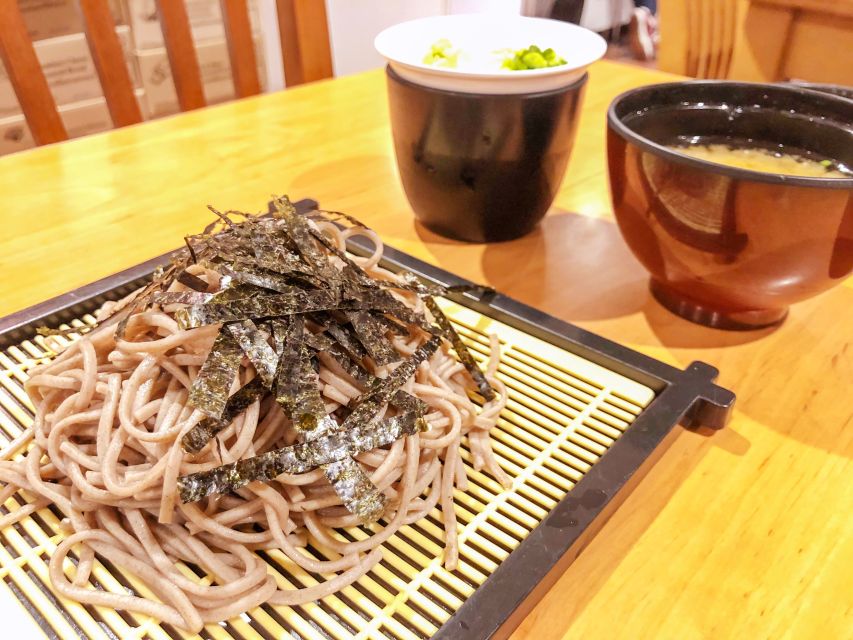
Food is one of the strongest reasons to choose this tour over a standard blossom walk. The included tastings cover local snacks from seasonal street stalls, a variety of dishes at several food stops, and drinks such as tea, sake, beer, or another local beverage.
The exact food can change with the season and the shops open that day. That uncertainty is part of the appeal, but it also means you should not book expecting one fixed menu. The tour promises a range of tastes inspired by spring and cherry blossoms, not a specific list of dishes.
A guide can add useful context to small foods that might otherwise pass you by. You may learn how a snack fits into Osaka food culture, why a spring ingredient appears at this time of year, or how a small shop serves its regular customers. The food is not just fuel between flower-viewing stops. It helps you read the neighborhood.
You can also buy extra food or drinks at your own expense. That is helpful if one stop leaves you wanting more, but remember that additional purchases are not part of the $161 price.
One especially interesting stop mentioned on the tour is a seaweed shop. It offers a glimpse of the everyday food trade rather than a polished attraction. Seaweed is a basic part of Japanese cooking, and a specialist shop can show you the kind of ingredient-focused business that gives old districts their character.
Traditional dining and a quiet tea ceremony
The food route can include a meal at a traditional bar or restaurant. This stop gives the tour a change of pace after walking and street snacks. Instead of eating everything while standing or moving, you get time to sit and enjoy a more complete meal.
The quality of this part depends partly on the day’s route and the guide, but it can be one of the most satisfying sections. A traditional restaurant has a different feel from a tourist-oriented dining room, and a guide can help explain what is being served and how the place fits into the neighborhood.
A tea ceremony is also part of the reported tour experience. That adds a calm pause to a day built around walking and eating. Tea ceremonies can seem formal from the outside, but a good guide helps you understand the gestures and rhythm without making the moment feel like a stage show.
Sanae, whose name means rice plant, has led this tour and is described as combining strong English with a warm, companionable approach. Miki has also guided the walk, sharing local food tips and adjusting the plan when the weather did not cooperate. Those details matter because a food tour depends heavily on the person leading it. You are not only paying for tastings. You are paying for someone who can connect the places and respond when the day goes off plan.
More food and drink tours in Osaka:
- Hungry Osaka Street Food Tour: 15 Dishes & 3 Drinks
★ 4.9 · 694 reviews - Kuromon Market Food Walking Tour in Osaka (6 stops, 6 tastes)
★ 5.0 · 550 reviews - Osaka: Guided Food Tour with 12 Dishes at 4 Local Eateries
★ 5.0 · 533 reviews - Absolute Osaka Food Tour
★ 5.0 · 309 reviews
Reaching the final cherry blossom spot
The tour ends at a quieter location where shrines and cherry trees come together. You sit, eat, and take in the season in the local hanami style. This is a welcome contrast to a route built entirely around moving from one stop to the next.
The final stop is also where expectations need care. The tour is scheduled around peak bloom, but no operator can control the exact flowering dates. Rain can damage open blossoms. Wind can scatter petals. A cold spell can delay the season, while warm weather can bring flowers out before your booking date.
One past outing had poor flower conditions, with weather and the trees failing to match the hoped-for display. The guide found some sakura and ume blossoms and made the best of the day. That is useful information, not a reason to reject the tour. It means you should book this as a seasonal Osaka food and neighborhood walk with a chance for excellent blossoms, rather than as a guaranteed full canopy spectacle.
When conditions are right, the final stop can be the emotional high point. You have already walked old streets and tasted local food, so sitting under the trees feels earned. When conditions are poor, the Karahori route, snacks, restaurant, tea, and guide still provide the structure of the outing.
What the $161 price includes
At $161 per person, this is not a cheap way to see cherry blossoms. You are paying well above the cost of taking a solo walk through a public park. The value comes from the combination of food, drinks, several stops, a small group, and an English-speaking guide.
The included items are:
- Tea, sake, beer, or other beverages
- Seasonal snacks from street food stalls
- Several dishes at multiple food stops
- An English-speaking local guide
That list makes the price easier to judge. If you want only a photograph beneath a tree, the tour costs too much. If you would otherwise spend money on several meals, drinks, and a guided neighborhood visit, the fee becomes more reasonable.
The small group also matters. A private tour would cost more, while a large bus-style group would likely offer less conversation. With a maximum of 10 participants, you get a middle-ground option that keeps the price below a private experience while preserving some personal attention.
The food and drink included in the price are enough to make this a substantial part of your day, but you should not assume every extra purchase is covered. Additional food and drinks cost extra, and gratuity is not included.
Rain, crowds, and the limits of a flower tour
Weather is the biggest practical risk. One guide adapted the route to rain and helped keep the outing enjoyable, which is exactly what you want from a local guide. Still, wet streets, umbrellas, and fewer open-air flower moments can change the feel of the day.
The route is described as an off-the-beaten-path hanami experience, but that does not mean total solitude. Karahori is a real neighborhood, not a private park. You may share lanes and shops with local residents, and the flower-viewing spot may have other people present.
The tour’s limited dates are another consideration. It runs during the cherry blossom season, with exact dates varying according to availability. That makes advance planning harder if your Osaka schedule is fixed. It also makes the experience special when the timing works.
I would avoid building your entire Japan trip around this one booking. If you are already in Osaka during the likely bloom period, it is a good seasonal addition. If your dates are rigid and seeing peak blossoms is your top goal, choose a plan with several flower-viewing options rather than relying on one neighborhood stop.
Who will enjoy this Osaka hanami tour most?
I would recommend this tour to you if you want food and local streets to matter as much as the blossoms. It suits first-time visitors who want a guide to explain what they are eating, couples looking for a slower seasonal activity, and repeat visitors who have already seen Osaka’s main sights.
It is also a strong fit if you prefer small groups and conversation. Guides such as Miki and Sanae seem able to make the route personal, whether that means explaining local food, adjusting for rain, or helping you settle into the day’s pace.
The tour may not suit you if you want a long, uninterrupted picnic under a large canopy of flowers. It is a walking and food experience first, with hanami as the seasonal thread. It also requires enough mobility for neighborhood walking and is not suitable for wheelchair users.
Families and people with strict dietary needs should confirm details before booking, since the supplied information does not specify a menu or dietary accommodations. The same applies if you do not drink alcohol. Tea is included, but the exact beverage selection can vary.
Booking details worth knowing
The meeting point is outside Masumuraningyoten Sueyoshibashiten at 2-8 Matsuyamachi, Chuo Ward, Osaka, 542-0067. You can copy the Japanese address into Google Maps: 〒542-0067 大阪府大阪市中央区松屋町2−8.
The tour ends back at the same meeting point. That makes the return simple, but you should allow time to find the shop before the start. Matsuyamachi Station Exit 2 is the easiest arrival point.
You can reserve now and pay later, which helps if you are still arranging an Osaka itinerary. Cancellation is free up to 24 hours before the activity for a full refund. Starting times vary, so check availability before planning dinner or another timed attraction.
The tour has a 4.7 rating from seven reviews, and the strongest praise centers on the guides. Miki is noted for sharing local food knowledge and finding alternatives when the flowers were disappointing. Sanae is remembered for her English, calm companionship, the traditional meal, tea ceremony, seaweed shop, and final blossom stop.
Should you book the Karahori hanami food tour?
Book it if you want a seasonal food walk with a chance of beautiful blossoms, not a guaranteed flower spectacle. The strongest parts are the old Karahori streets, the guide-led food stops, the tea ceremony, and the chance to sit near a shrine and cherry trees at the end.
At $161, the outing needs to deliver more than sightseeing, and it does so through included food, drinks, and local guidance. Its weak point is outside anyone’s control: Sakura timing and weather can reduce the flower display.
My practical advice is simple. Check the blossom forecast as your date approaches, wear comfortable shoes, and keep your expectations focused on Osaka food and neighborhood life. If the flowers are at their best, you get a memorable hanami setting as a bonus. If they are not, a good guide can still give you a worthwhile afternoon in one of Osaka’s oldest-feeling districts.
FAQ
How long does the Osaka hanami food tour last?
The tour lasts three hours.
Where does the tour begin?
It begins outside Masumuraningyoten Sueyoshibashiten, directly outside Matsuyamachi Station at 2-8 Matsuyamachi, Chuo Ward, Osaka.
How do I reach the meeting point?
Take the Osaka Metro Nagahori Tsurumi Ryokuchi Line to Matsuyamachi Station and use Exit 2.
Where does the tour end?
The activity ends back at the original meeting point.
What language does the guide speak?
The tour is conducted in English by a live English-speaking guide.
What food and drinks are included?
The tour includes seasonal street snacks, several dishes at multiple food stops, and beverages such as tea, sake, beer, or other drinks.
Is transportation included?
Transportation costs and hotel pickup are not included.
Is the tour suitable for wheelchair users?
No. The activity is not suitable for wheelchair users. Comfortable shoes are recommended because the tour involves walking.
Just added in Osaka
- Urban Canvas: Osaka Street Art Bike Tour★ 5.0 · 10 reviews
- Anime Cosplay Photshoot-50 Digital Photos Provided★ 5.0 · 8 reviews
- TeamLab Botanical Garden Osaka Ticket★ 3.5 · 6 reviews
- Umeda Sky Building & Kuchu Teien Observatory Ticket in Osaka★ 4.5 · 3 reviews
- Immerse in Judo Martial Arts Class from Japan★ 5.0 · 4 reviews
- Cherry Blossom Buddha and Mt.Yoshino with Strawberry Picking Tour★ 4.5 · 5 reviews
- Traditional Calligraphy Experience near Dotonbori★ 5.0 · 3 reviews
- Discover Osaka’s Iconic Umeda Sky Observation★ 5.0 · 6 reviews
Osaka Street Food Tours, compared.
Shinsekai Food Tour with 13-15 Dishes at 5 Eateries
Read our review →
Osaka Food Tour: 13 Dishes at 5 Local Eateries
Read our review →
Hungry Osaka Street Food Tour:15 Tastings & 3 Drinks with a Local
Read our review →
Osaka Local Foodie Walking Tour in Dotonbori and Shinsekai
Read our review →
Hungry Osaka Street Food Tour: 15 Dishes & 3 Drinks
Read our review →
Guided Food Tour with 12 Dishes at 4 Local Eateries
Read our review →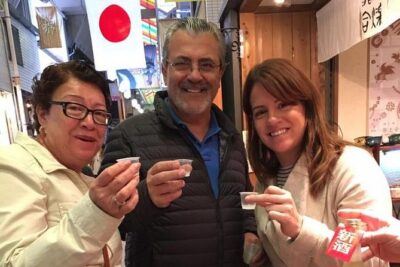
Osaka After Dark: Small-Group Night Food Tour (Max 6)
Read our review →Browse the lists this tour appears in