
Reviewed · OSAKA WALKING TOURS
Osaka: Highlights & Hidden Gems Private Walking Tour
Osaka makes a strong first impression: giant food signs, narrow alleys, grilled seafood, late-night bars, anime shops, and canalside crowds all jostle for your attention. This private walking tour helps you sort that noise into a personal route, with a local guide matched to your interests and pace.
I especially like the chance to combine famous Dotonbori with quieter Hozenji Yokocho, and the freedom to ask for food, history, shopping, or pop culture. Guides such as Maria, Kieran, Antoine, Boris, and others have earned praise for their patience, local advice, and easygoing style. The main catch is that the route is not fixed, so you must clearly request historic sights if that is your priority.
Key points at a glance
- A private route for up to six people: You can shape the walk around food, history, shopping, anime, or local neighborhoods.
- Kuromon Market with a local interpreter: Point to scallops, sea urchin, shellfish, or other foods and ask about them before buying.
- Hozenji Yokocho offers a calmer Osaka: Its stone paving and old bars provide a sharp contrast to neon-heavy Dotonbori.
- Dotonbori is the visual main event: Look for the Glico Running Man above Ebisubashi Bridge and the oversized restaurant signs.
- Den-Den Town and America-mura change the mood: One leans toward games, cameras, computers, and anime; the other toward youth culture and independent shops.
- The flexible format requires clear planning: Book at least 72 hours ahead and tell the operator exactly what you want to see.
What this Osaka tour is really good at
This is less a standard sightseeing march and more a city orientation with a local person beside you. Osaka’s central districts can feel like separate worlds. Namba is a transport hub and entertainment center, Kuromon is a food market, Dotonbori is a wall of lights, Hozenji is a quiet old lane, and Den-Den Town serves a very different crowd.
A private guide can help you connect those pieces. You can ask why a neighborhood matters, how to order food, which street fits your interests, or what to do after the walk. The included recommendations for the rest of your stay add value, especially if Osaka is your base for several days.
The tour lasts from two to eight hours, so the experience can be a quick introduction or a full day of neighborhood hopping. That range matters. A two-hour booking might suit a first look at Namba and Dotonbori. An eight-hour booking gives you room for Kuromon Market, Hozenji Yokocho, kitchenware shops, Den-Den Town, Shinsekai, Shinsaibashi, and America-mura, though transport and food costs are extra.
More walking tours in Osaka:
- Osaka Local Foodie Walking Tour in Dotonbori and Shinsekai
★ 5.0 · 985 reviews - Osaka: Deep Backstreets Walking Tour with Dinner Option
★ 4.9 · 902 reviews - Ultimate Osaka Walking Tour: Castle, Dotonbori & Hidden Gems
★ 5.0 · 862 reviews
Namba and Kuromon Market: Osaka at street level
Many routes begin in Namba, one of Osaka’s high-energy entertainment districts. This is a useful starting point because you quickly see the city’s social side: crowded shopping streets, bars, restaurants, and people out for food at nearly any hour.
From here, the walk may continue to Kuromon Market, a covered arcade lined with more than 100 shops and stalls. It sells street food, shellfish, souvenirs, and fresh ingredients. The market is not just a place to eat. It gives you a look at Osaka’s food-first personality, where displays are designed to catch your eye and vendors may prepare selected seafood in front of you.
Your guide is most useful here as a translator and cultural filter. You can point to scallops, sea urchin, or another item that interests you and ask what it is, how it is prepared, and how much it costs. Food and drinks are not included, so set aside extra money if you want to sample several things.
I would not book this tour only to find the market. Kuromon can be visited without a guide, and a short visit may be enough if you simply want to browse. The guide earns the fee when you want context, help choosing food, or a route that links the market with other parts of Osaka.
Hozenji Yokocho and Sennichimae: a slower side of Namba
Hozenji Yokocho is one of the most appealing stops on the route. Its stone-paved lane is lined with long-running Japanese bars and restaurants, and it feels far removed from Dotonbori’s flashing signs even though the two areas are close together.
This is where I would ask your guide to slow down. The lane gives you a sense of older Osaka, but it is compact, so it is better appreciated as part of a wider walk rather than treated as a major standalone sight. Ask about the restaurants, local customs, and how this pocket fits into the surrounding entertainment district.
Sennichimae Kitchenware Street offers another change of pace. The street is devoted to kitchen tools and food supplies, making it a fun stop for cooks, restaurant fans, and anyone curious about the practical side of Japanese food culture. You might find knives, utensils, dishes, or restaurant equipment, but the exact shops you visit will depend on your guide and your interests.
If you want to shop, tell the guide early. A history-focused walk may pass through these streets without spending much time inside stores. This is one of the tour’s strengths and one of its limits: the flexibility is useful only when you communicate what you want.
Soemon-cho and Dotonbori after dark
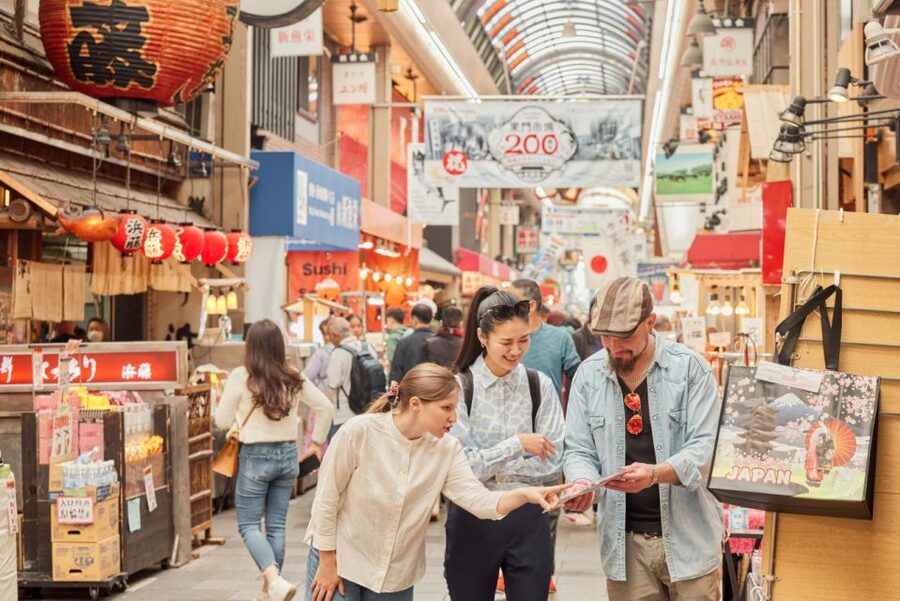
Soemon-cho is an entertainment district with more than 400 years of history. Its narrow streets and restaurant fronts offer a chance to look beyond the most famous photo spots. Your guide can point out the difference between a major visitor corridor and the smaller lanes used by people who live, work, and eat in the area.
Then comes Dotonbori, Osaka’s signature display of neon, food advertising, and canal-side energy. The Glico Running Man above Ebisubashi Bridge is the familiar landmark, but the real appeal is the whole scene: huge signs, theatrical restaurant fronts, bright reflections, and people moving between shops and eateries.
Dotonbori can be fun and overwhelming at the same time. It is not a quiet introduction to Japan, and it does not offer a tidy sequence of historic monuments. Instead, it shows Osaka’s appetite for spectacle and food. A guide helps you understand what you are looking at and may steer you into nearby streets when the main strip feels too crowded.
This section is especially good near evening, but the tour’s start times depend on availability. Ask for the timing you want when arranging the walk. Food is not included, and your guide is not supplying a restaurant meal, so treat dining as an optional extra rather than part of the fixed price.
Same city, a completely different kind of afternoon:
- Osaka Go Karting Tour with Funny Costume
★ 5.0 · 2,658 reviews - Osaka Castle: Museum and Tower Entry Ticket
★ 4.5 · 2,380 reviews - Osaka: Shinsekai Food Tour with 13-15 Dishes at 5 Eateries
★ 4.8 · 2,204 reviews - Osaka Food Tour: 13 Dishes at 5 Local Eateries
★ 5.0 · 2,149 reviews
Shinsaibashi and America-mura: shopping, cafés, and youth culture
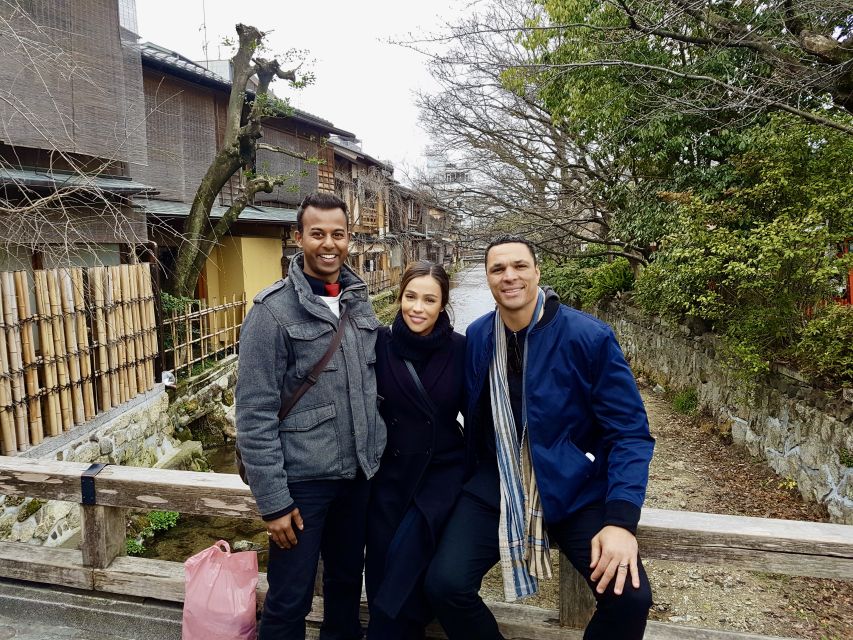
After Dotonbori, the route may continue through Shinsaibashi and America-mura. Shinsaibashi is a major shopping area, while America-mura has a younger, more creative feel, with retro shops, independent galleries, and cafés.
America-mura is worth adding if you want a break from traditional sights. It shows a modern Osaka shaped by fashion, music, pop culture, and small businesses. The area is more about browsing and atmosphere than checking off landmarks, so it suits curious shoppers and anyone who prefers local street life to formal attractions.
Again, do not assume every listed district will appear in your walk. The operator says the itinerary is planned around the hours booked and your preferences. Tell the team before the tour if America-mura, shopping, or cafés matter to you.
Den-Den Town and Shinsekai for a different Osaka
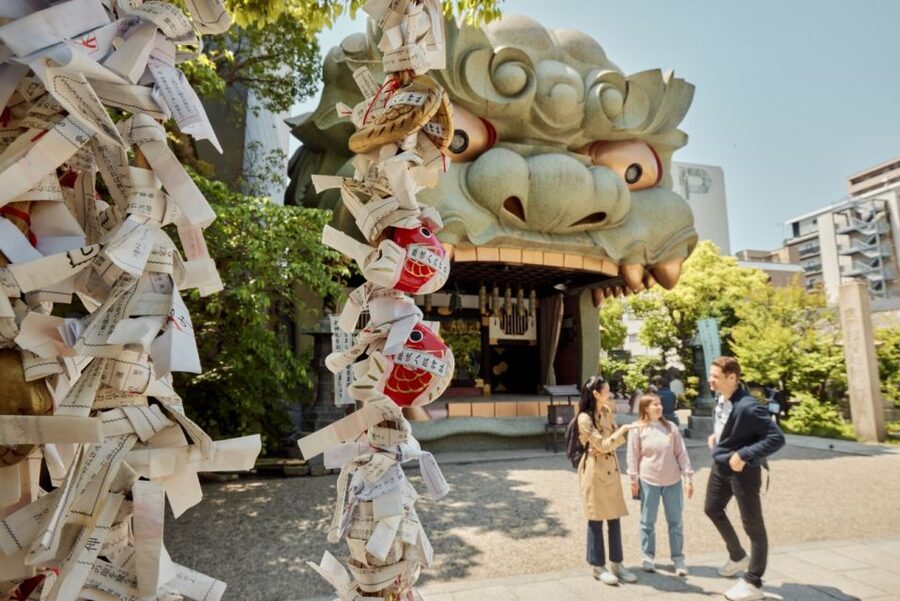
Den-Den Town is the place to request if you enjoy cameras, computers, games, anime, or other pop culture. It offers a very different experience from Hozenji Yokocho. Instead of old alleyways and traditional eateries, you get specialist shops and a distinctly modern side of the city.
The district is not for everyone. If you have no interest in electronics, gaming, or anime, your time may be better spent on food or historic areas. A private tour lets you make that choice without being tied to a group schedule.
Shinsekai is another area locals love and a useful addition for anyone who wants more than the Namba core. It gives the tour a wider Osaka frame and helps you see how different entertainment districts can feel within the same city. The provided route description does not guarantee a particular attraction or meal in Shinsekai, so think of it as a neighborhood walk shaped by your guide rather than a ticketed sightseeing visit.
If historic Osaka matters most, say so before you meet. One guest specifically found that the walk did not cover enough historic material. That is not a flaw in a flexible tour, but it is a warning: the guide cannot guess your priorities.
How the private format changes the experience
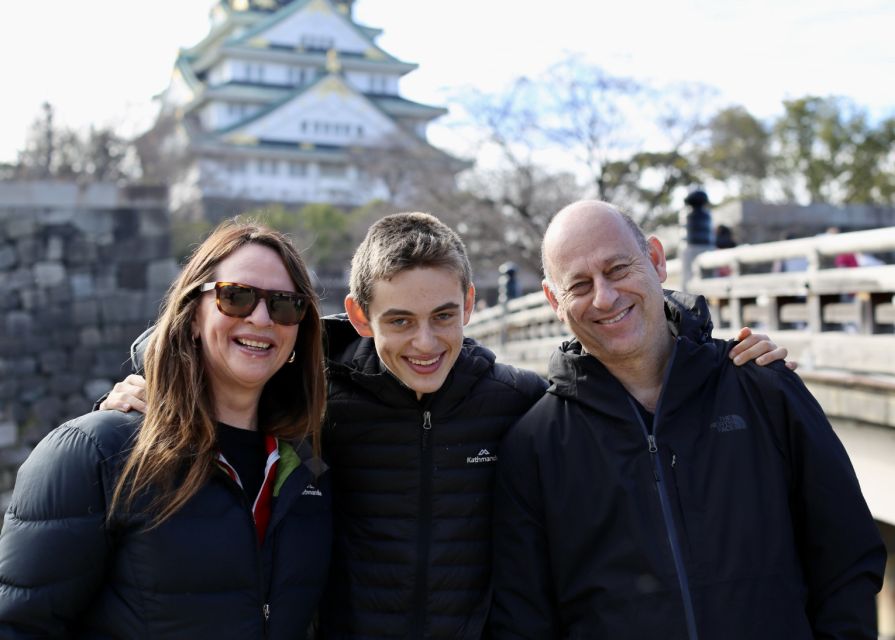
The normal private group is no larger than six people. That size keeps the walk personal and makes it easier to stop for photos, ask questions, or change direction. It also works well for families and friends who do not want to match the pace of strangers.
The guide matching is based on interests and personality. That can make a real difference on a long walk. Maria was praised for patience, local knowledge, Japanese language ability, and care during hot weather. She also gave one group time for photos instead of rushing them. Another guide, Antoine, was described as flexible and fun after the group arrived tired from extended walking in Tokyo. Kieran was appreciated for practical advice, while Boris was praised for clear information.
Those details suggest that the best results come from using the guide as a conversation partner, not just a person who points out buildings. Explain your energy level, food interests, mobility needs, shopping plans, and preferred balance of old and new Osaka. You can also request recommendations for the rest of your stay.
Hotel meet-up is available upon request from a central location. The exact meeting point depends on the option booked. Transportation is not included, and any extra tickets, transport, food, or drinks can be arranged at an additional cost.
Is $67 per person good value?
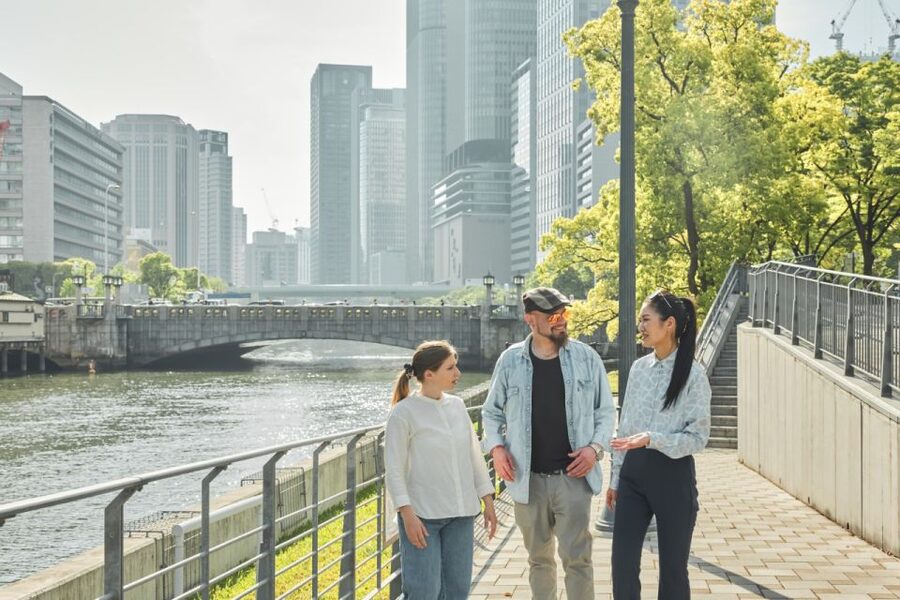
At $67 per person, the price is reasonable for a private guide if you are sharing it with several people and using the time well. The value is strongest for a group that wants help with choices, local context, and a custom route rather than a basic list of sights.
The price needs more thought for a solo visitor or a pair booking only two hours. You still receive privacy and direct attention, but you may cover a small area quickly. A longer booking spreads the guide cost across more time and allows you to connect several districts without rushing.
There are also extra costs to plan for:
- Food and drinks are not included.
- Transportation is not included.
- Ticketed attractions are not included.
- Special arrangements may cost extra.
The tour is fully personalized, but personalization does not mean every cost is bundled in. I would compare the price with what you would spend on several separate food stops, a shopping walk, and local orientation. If you mainly want to photograph Dotonbori and walk through Kuromon Market, you can explore those places yourself for less.
Practical tips before you book
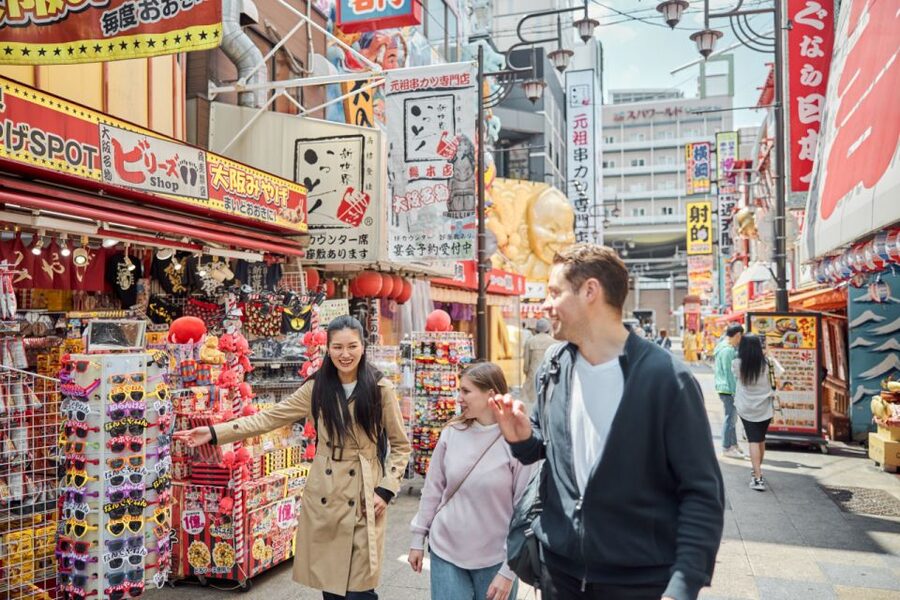
Book at least 72 hours ahead. That gives the local team time to match a guide and build a route around your requests.
Send a short priority list before the tour. For example: two food stops, one historic lane, kitchenware shopping, and no anime stores. This is much more useful than saying you want to see everything.
Wear comfortable shoes. The experience is a walking tour, and a full eight-hour version covers several districts. If you are sensitive to heat, mention it in advance. Maria’s careful pacing and attention to hot conditions show why weather and comfort should be part of the conversation.
Ask about transportation if your route crosses several areas. It is not included, and a longer itinerary may require more than walking. Also tell the operator about accessibility needs. The activity is listed as wheelchair accessible, but a personalized plan should still be discussed ahead of time.
Free cancellation is available up to 24 hours before the start, and you can reserve now and pay later. Starting times depend on availability.
Who should book this Osaka walking tour?
I would recommend it to first-time visitors who want help getting oriented, families that need a flexible pace, and small groups with mixed interests. It is also useful if you want to combine food, shopping, and local neighborhoods in one day without joining a large group.
It suits you particularly well if you want a human guide in the market, need English or Japanese support, or would value recommendations for the rest of your Osaka stay. The personal connection can be a major benefit, especially with guides such as Maria, Antoine, Kieran, and Boris, whose different strengths include patience, flexibility, cultural explanation, and practical advice.
I would choose another option if you want a fixed historical itinerary, guaranteed entrance to major attractions, or a food tour with tastings included. The market can be visited independently, and the flexible route means you must take responsibility for stating your priorities.
Should you book it?
Book this tour if you want Osaka explained through neighborhoods, food streets, shopping lanes, and local conversation. Ask for historic areas if they matter, and decide in advance whether your focus is food, old Osaka, pop culture, or nightlife districts.
At $67 per person, it offers solid value for a small private group, especially over four hours or more. For a short market visit, save your money and go alone. For a tailored first day in Osaka, the guide’s local advice and ability to adjust the pace make this a useful introduction.
FAQ
How long does the Osaka private walking tour last?
You can book the tour for between 2 and 8 hours. Available starting times depend on the option selected.
Is the tour private?
Yes. It is offered as a private group experience, normally for no more than six people. Larger groups should be disclosed when booking so arrangements can be made.
Which languages are available?
The live tour guide is available in English or Japanese.
Are food, drinks, transportation, and entrance tickets included?
No. Food, drinks, transportation, and admission to ticketed attractions are not included. These may be arranged at additional cost.
Can the itinerary be customized?
Yes. The itinerary is planned around the number of hours booked and your interests. The places visited may differ from the suggested districts, so tell the local operator about special requirements after booking.
How far in advance should I book?
You should book at least 72 hours ahead so the best itinerary can be arranged. You can cancel up to 24 hours before the tour for a full refund, and reserve now while paying later.
Just added in Osaka
- Urban Canvas: Osaka Street Art Bike Tour★ 5.0 · 10 reviews
- Anime Cosplay Photshoot-50 Digital Photos Provided★ 5.0 · 8 reviews
- TeamLab Botanical Garden Osaka Ticket★ 3.5 · 6 reviews
- Umeda Sky Building & Kuchu Teien Observatory Ticket in Osaka★ 4.5 · 3 reviews
- Immerse in Judo Martial Arts Class from Japan★ 5.0 · 4 reviews
- Cherry Blossom Buddha and Mt.Yoshino with Strawberry Picking Tour★ 4.5 · 5 reviews
- Traditional Home cooking Experience in Osaka, Japan★ 5.0 · 14 reviews
- Traditional Calligraphy Experience near Dotonbori★ 5.0 · 3 reviews
Osaka Walking Tours, compared.
Osaka Local Foodie Walking Tour in Dotonbori and Shinsekai
Read our review →
Deep Backstreets Walking Tour with Dinner Option
Read our review →
Ultimate Osaka Walking Tour: Castle, Dotonbori & Hidden Gems
Read our review →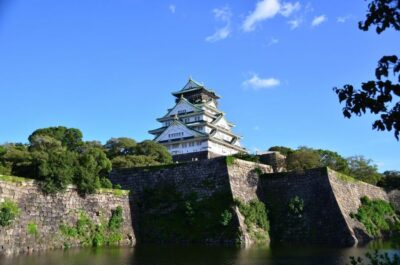
Main Sights and Hidden Spots Guided Walking Tour
Read our review →
Private Osaka Walking Tour: Highlights & Hidden Gems
Read our review →
Osaka Castle Walking Tour and Castle Tower Admission
Read our review →
Kuromon Market Food Walking Tour in Osaka (6 stops, 6 tastes)
Read our review →
Five Must-See Highlights Walking Tour & Ramen Lunch
Read our review →Browse the lists this tour appears in