
Reviewed · OSAKA WALKING TOURS
Osaka: A Private Guided Walking Tour of 5 Must-See Sights
Osaka makes a strong first impression here: one day takes you from a castle built for warlords to neon signs, market stalls, an ancient temple, and the old-school streets around Tsutenkaku. It is a smart way to see how old Osaka and modern Osaka fit together.
I like the private format, since your guide can answer questions, adjust the pace, and make small detours. I also like the food focus, especially the hour in Dotonbori and the stop at Kuromon Ichiba Market. Guides named Yoshi, Emi, and Kaoru have been praised for personal service, local suggestions, photography help, and an easygoing approach.
The catch is simple: this is a long, active day with several transfers and plenty of walking. If heat, crowds, stairs, or a full 450-minute schedule wear you down, this will feel demanding rather than relaxed.
Key points to know before booking
- Five major Osaka sights in one day: Osaka Castle, Dotonbori, Kuromon Ichiba Market, Shitenno-ji, and Tsutenkaku give you a broad view of the city.
- A truly private outing: You travel with your own group and a live English- or Japanese-speaking guide.
- Food is part of the plan: Dotonbori includes a one-hour lunch stop, while Kuromon offers fresh seafood and other local specialties.
- The route crosses several sides of Osaka: Expect a full day with transfers of 15 to 40 minutes between stops.
- Guides can add a personal touch: Yoshi, Emi, and Kaoru have been noted for adapting the day, taking holiday photos, and sharing tips for the rest of your Osaka stay.
- Comfort matters: Wear good walking shoes, carry water, and bring sunscreen. The tour is not suitable for wheelchair users or people with mobility impairments.
Why this Osaka route works so well
Many Osaka tours focus on one neighborhood. This one gives you a city sampler with real range. You get political history at Osaka Castle, food and signs in Dotonbori, market culture at Kuromon, Buddhist tradition at Shitenno-ji, and the nostalgic feel of Shinsekai around Tsutenkaku.
That variety is the main reason to consider it. You will not spend the entire day looking at similar buildings or walking through one district. Instead, the route keeps changing its mood. The tradeoff is that you spend time moving between sights, and each individual visit has a fixed time.
A private guide also changes the experience. You can ask why a temple matters, which food stall looks worth trying, or what to see later in the evening. Guides can also help with group photos, an especially useful service for couples and families who otherwise take turns behind the camera.
The tour costs $154 per person. That is not a bargain-basement Osaka walk, but the price includes a private guide, Osaka Castle admission, and a full 7.5-hour schedule. You are paying for personal attention and a carefully arranged route, not just entry to one attraction. The value improves for small private groups that want help with food, navigation, and cultural context.
Meals, drinks, hotel pickup, hotel drop-off, and personal purchases cost extra. Keep that in mind when comparing the price with a group tour.
More walking tours in Osaka:
- Osaka Local Foodie Walking Tour in Dotonbori and Shinsekai
★ 5.0 · 985 reviews - Osaka: Deep Backstreets Walking Tour with Dinner Option
★ 4.9 · 902 reviews - Ultimate Osaka Walking Tour: Castle, Dotonbori & Hidden Gems
★ 5.0 · 862 reviews
Meeting at Toki no Hiroba in JR Osaka Station
The day begins at Toki no Hiroba, also called Time and Space Plaza, on the fifth floor of JR Osaka Station. Look for the Golden Clock, a useful landmark outside the ticket counter. Your guide will hold a bright yellow DeepExperience signboard.
This is a practical meeting point if you can reach JR Osaka Station easily. Still, large stations in Japan can be confusing, so allow time to find the correct floor. The guide does not pick you up at your hotel, and the tour ends in a different part of the city at Tsutenkaku.
The route includes transfers lasting about 40 minutes, 15 minutes, and 20 minutes. The exact nature of those transfers is not specified, so you should expect time spent getting from district to district rather than a continuous walk. Your guide will lead the way, but comfortable shoes remain essential.
Osaka Castle, 75 minutes with a guide
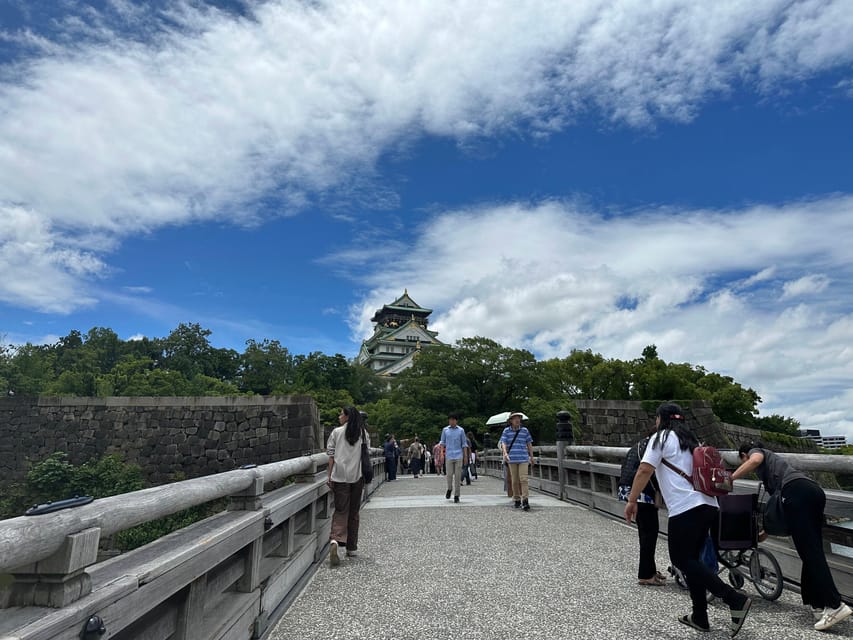
Osaka Castle is the first major stop, and it gives the day a grand opening. The castle is closely tied to the power struggles that shaped Osaka and Japan. Its strong outer appearance, high position, and broad grounds make it easy to see why this site became such an important symbol.
You have 75 minutes here with a guided visit, including admission to Osaka Castle. That is enough time for a focused look rather than a slow, all-day museum visit. You can expect your guide to explain the castle’s historical role and point out architectural details that are easy to miss when you visit alone.
The useful thing about having a guide here is context. A castle can look impressive without telling you much. With someone explaining who used it, why it mattered, and how it fits into Osaka’s past, the building becomes more than a photo stop.
Do not expect complete solitude. Osaka Castle is one of the city’s best-known sights, and the tour gives you a set amount of time. If you prefer to examine every exhibit at your own pace, the schedule may feel brisk. If you want a clear introduction before moving on, 75 minutes is sensible.
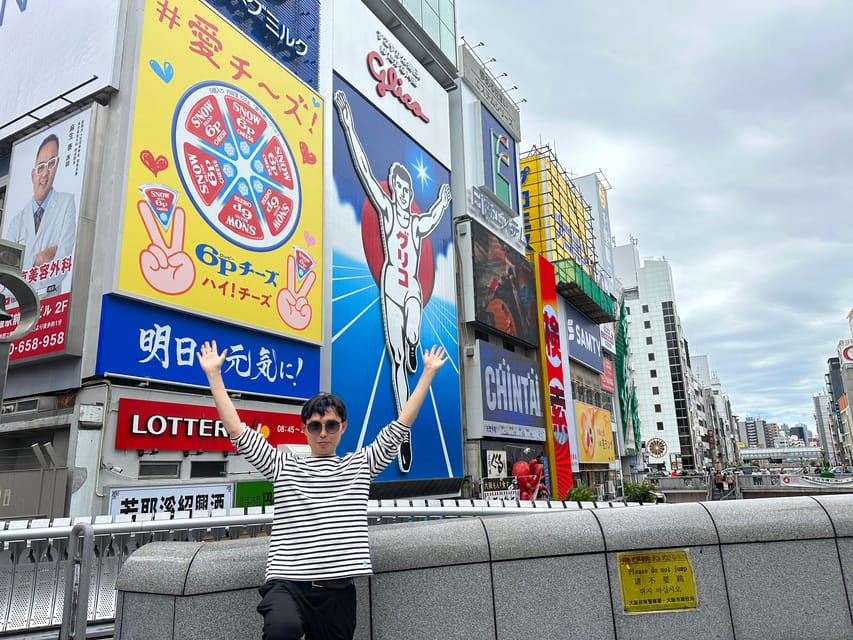
Dotonbori, neon signs and a full hour for lunch
After a 40-minute transfer, the tour reaches Dotonbori. You get 30 minutes for sightseeing, followed by one hour for lunch. This split works well because Dotonbori is best experienced with both eyes and appetite.
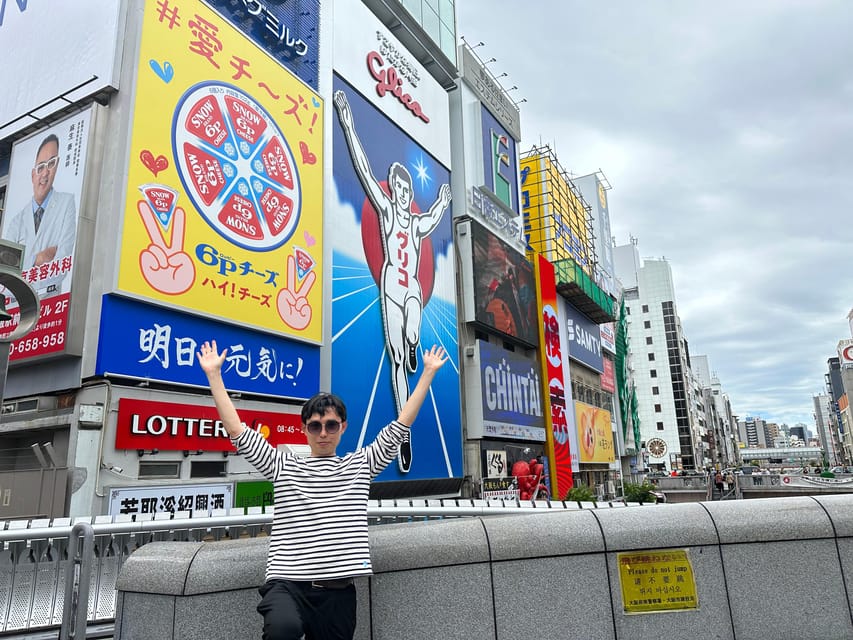
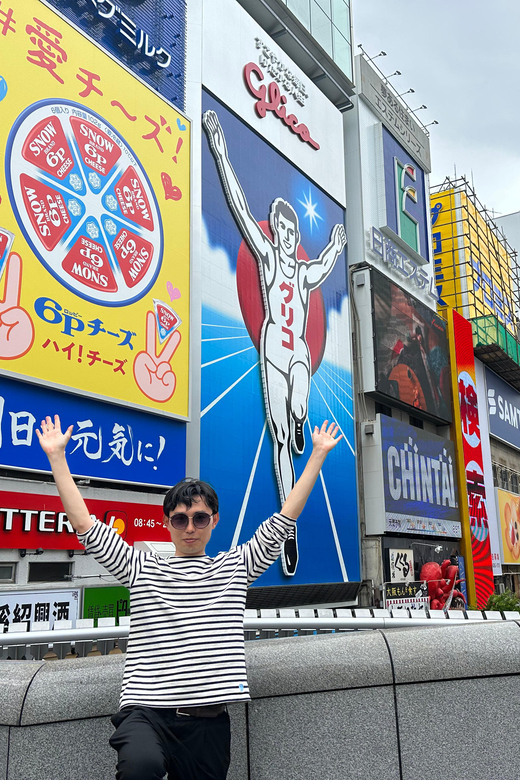
The area is famous for bright signs, packed streets, the Glico running man, and Osaka’s famous street food. You will have time to take in the canal-side setting and the visual overload before sitting down to eat. The guide can help you make sense of the area and suggest local dishes.
Lunch is not included, so budget separately. That is a drawback for anyone looking for an all-inclusive day, but it gives you room to choose what appeals to you. One guide suggested sushi to a couple, and that recommendation became a memorable part of their day. Your guide may also help you choose, though the exact restaurant or meal is not promised.
Dotonbori can be noisy and crowded. That is part of its character, but it is not the place for a quiet break. Keep your belongings close, stay aware of your meeting time, and use the one-hour meal period as a chance to sit down and recharge.
Same city, a completely different kind of afternoon:
- Osaka Go Karting Tour with Funny Costume
★ 5.0 · 2,658 reviews - Osaka Castle: Museum and Tower Entry Ticket
★ 4.5 · 2,380 reviews - Osaka: Shinsekai Food Tour with 13-15 Dishes at 5 Eateries
★ 4.8 · 2,204 reviews - Osaka Food Tour: 13 Dishes at 5 Local Eateries
★ 5.0 · 2,149 reviews
Kuromon Ichiba Market, 45 minutes of local food
A 15-minute transfer brings you to Kuromon Ichiba Market. This is one of the best stops for seeing Osaka through food. The market is known for fresh seafood and local delicacies, with stalls offering things to inspect, smell, and possibly taste.
You have 45 minutes here. That gives you enough time to walk through the market and buy something if you wish, but it is not a long, leisurely food crawl. Purchases are not included, so carry some spending money if you want to try items along the way.
A guide is especially helpful at a market. You can ask what a dish is, how it is usually eaten, and which foods suit your tastes. You also avoid spending the entire visit guessing at unfamiliar stalls. The experience is more personal than simply taking photos of seafood counters.
This stop is best for curious eaters who enjoy small portions and local specialties. If you prefer a formal restaurant meal, Dotonbori is the better food stop. At Kuromon, the appeal is the market itself and the chance to sample something fresh.
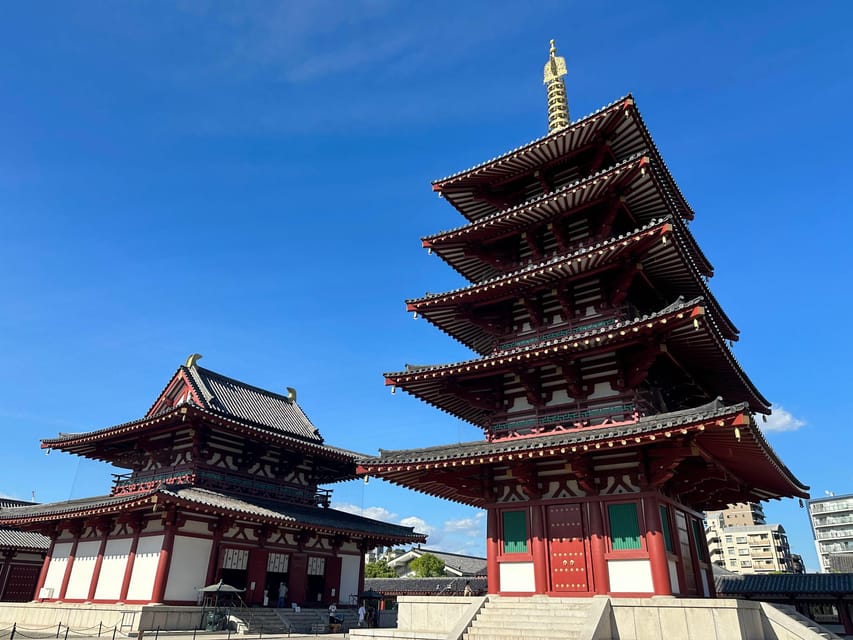
Shitenno-ji, one of Japan’s oldest temples
After another 20-minute transfer, you visit Shitenno-ji for 45 minutes. The temple is one of Japan’s oldest, making it an important counterpoint to the modern signs and food districts earlier in the day.
The visit is guided, so you can ask about Buddhist customs, the temple’s place in Japanese history, and what to notice in the grounds. The shorter time here encourages a focused visit. You can appreciate the layout and atmosphere without trying to absorb every detail.
Shitenno-ji also gives the day a quieter pause. After Dotonbori and Kuromon, the temple setting offers a change in pace. I like this contrast because it keeps Osaka from being reduced to food and nightlife.
Temple etiquette matters. Photography may have restrictions at certain locations, so follow your guide’s instructions. The tour information does not promise every area or building will be open, so treat the stop as a guided introduction rather than a guarantee of complete access.
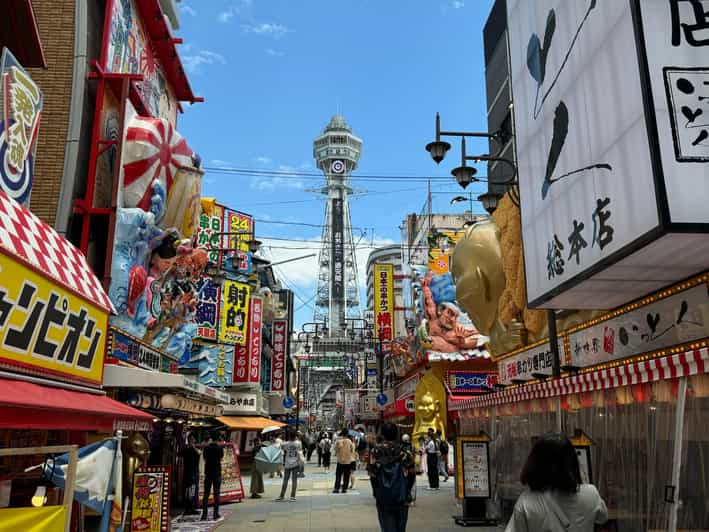
Tsutenkaku and the old Shinsekai mood
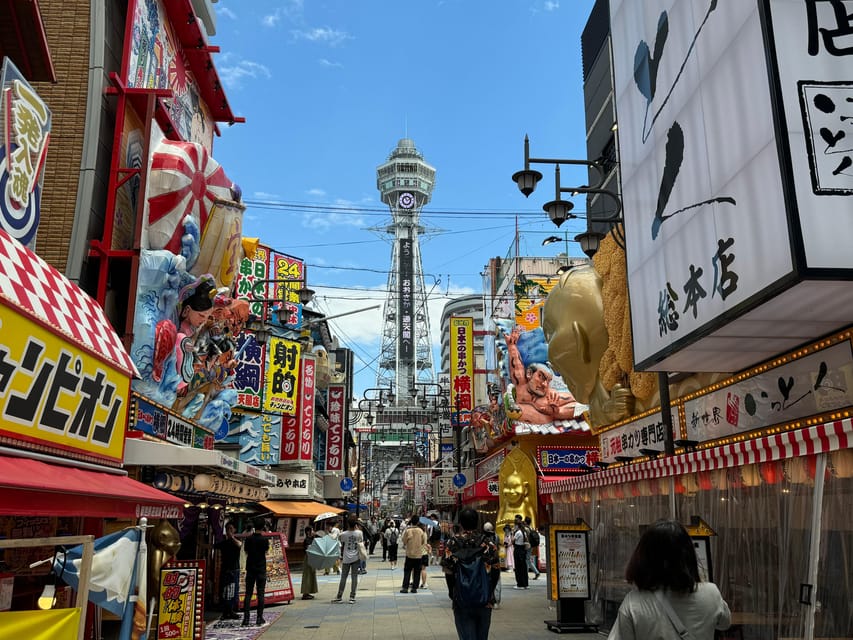
The final transfer takes about 15 minutes, ending at Tsutenkaku. You have 45 minutes for sightseeing around this well-known tower and the Shinsekai area.
Tsutenkaku represents another side of Osaka. The mood here is more nostalgic than the polished spectacle of Dotonbori. The tower acts as a landmark for the neighborhood, and the surrounding streets offer a different look at the city’s entertainment culture.
Ending here makes practical sense. You finish in a recognizable Osaka district rather than returning to the starting point. Your guide can share suggestions for what to do next, though hotel drop-off is not included.
The 45-minute visit is enough for a look around and photos. If you want a long stay inside the tower or an extended evening meal nearby, plan to continue on your own after the tour.
How the private guiding changes the day
The strongest feature is not any single attraction. It is the ability to shape the day around your group. A private guide can explain a point twice, pause for photos, make room for a small shop visit, or adjust the conversation to your interests.
Yoshi has been associated with a day that included small shops, extra places beyond the main five, and help taking group photos. Emi was praised for giving detailed explanations and making the couple feel like locals. Kaoru was noted for friendliness, cultural insight, and sharing sushi. These details suggest a service style that is personal rather than scripted, although your exact guide and experience can vary.
This is also useful if you are new to Japan. You can ask about customs, food, daily life, and how to spend the rest of your time in Osaka. A good private guide does more than point at buildings. The guide helps you make sense of the city.
Walking, weather, and the pace
The tour lasts 450 minutes, or 7.5 hours. With five stops and several transfers, you should treat it as a full day on your feet.
Wear comfortable walking shoes. Bring water and sunscreen, and be ready for changing weather. There is no suggestion that the route is suitable for wheelchairs or people with mobility impairments, and the activity is specifically listed as unsuitable for both. If you have limited mobility, ask before booking rather than hoping the schedule can be changed.
Smoking is not allowed during the activity. Photography is permitted, but some locations may have restrictions. A camera or phone is worthwhile because the route includes castle views, food displays, temple grounds, neon signs, and Tsutenkaku.
The private format may help with short breaks, but it does not remove the distance between districts. You should book this as an active sightseeing day, not a gentle stroll.
Who gets the best value from $154
I see the best value for couples, families, and small groups who want personal help and do not want to build the day themselves. The private setting means you can ask many questions without competing with a large group, and the guide can respond to your interests.
It also suits first-time visitors who want a broad introduction to Osaka. In one day, you see the main historic sights, two major food areas, a famous tower, and several distinct neighborhoods.
Independent visitors may find the price harder to justify. If you are comfortable using trains, choosing food alone, and researching Osaka’s history, you can visit these places separately for less. You also gain more control over how long you stay at each stop.
The tour is less suitable for anyone wanting a slow cultural visit. The itinerary is ambitious, and each attraction has a time limit. It is also a poor fit for visitors who need step-free access or cannot walk for long periods.
Should you book this Osaka walking tour?
Book it if you want a friendly private guide, a full city overview, and help connecting Osaka’s history, food, and neighborhoods in one day. The personal service associated with Yoshi, Emi, and Kaoru adds real appeal, especially if you value photography help, local food advice, and extra context.
Skip it if you prefer to set your own pace, avoid a long day, or spend more time at one temple, market, or museum. At $154 per person, the value rests on the guide and the convenience of the route, not on cheap admission.
For an active first day in Osaka, I think this is a strong choice. Bring good shoes, keep lunch and market purchases outside the tour price, and expect a busy schedule with plenty of variety.
FAQ
How long does the Osaka tour last?
The tour lasts 450 minutes, which is 7.5 hours.
Which sights are included?
The route includes Osaka Castle, Dotonbori, Kuromon Ichiba Market, Shitenno-ji Temple, and Tsutenkaku.
Is the tour private?
Yes. It is offered for a private group.
Which languages are available?
The live guide is available in English and Japanese.
Where does the tour begin?
The meeting point is Toki no Hiroba, or Time and Space Plaza, on the fifth floor of JR Osaka Station. Look for the Golden Clock outside the ticket counter.
How will I recognize the guide?
The guide will hold a bright yellow DeepExperience signboard.
Is Osaka Castle admission included?
Yes. Admission to Osaka Castle is included.
Are meals and drinks included?
No. Meals, drinks, and personal expenses are not included. The schedule includes one hour for lunch in Dotonbori.
Does the tour include hotel pickup and drop-off?
No. Hotel pickup and drop-off are not included. The tour finishes at Tsutenkaku.
Is the tour suitable for wheelchair users?
No. The activity is not suitable for wheelchair users or people with mobility impairments.
Just added in Osaka
- Urban Canvas: Osaka Street Art Bike Tour★ 5.0 · 10 reviews
- Anime Cosplay Photshoot-50 Digital Photos Provided★ 5.0 · 8 reviews
- TeamLab Botanical Garden Osaka Ticket★ 3.5 · 6 reviews
- Umeda Sky Building & Kuchu Teien Observatory Ticket in Osaka★ 4.5 · 3 reviews
- Immerse in Judo Martial Arts Class from Japan★ 5.0 · 4 reviews
- Cherry Blossom Buddha and Mt.Yoshino with Strawberry Picking Tour★ 4.5 · 5 reviews
- Traditional Home cooking Experience in Osaka, Japan★ 5.0 · 14 reviews
- Traditional Calligraphy Experience near Dotonbori★ 5.0 · 3 reviews
Osaka Walking Tours, compared.
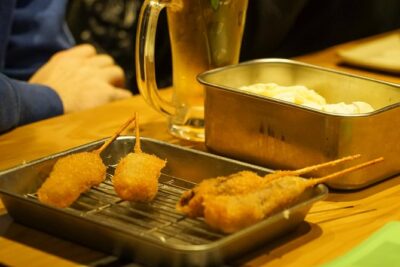
Osaka Local Foodie Walking Tour in Dotonbori and Shinsekai
Read our review →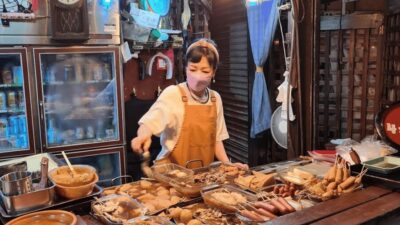
Deep Backstreets Walking Tour with Dinner Option
Read our review →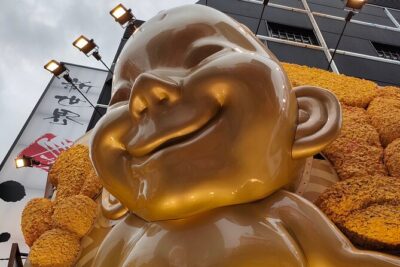
Ultimate Osaka Walking Tour: Castle, Dotonbori & Hidden Gems
Read our review →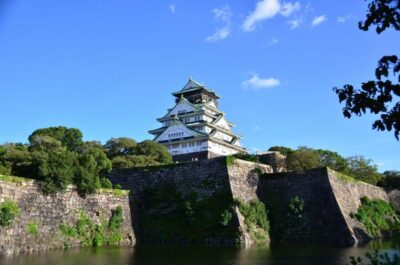
Main Sights and Hidden Spots Guided Walking Tour
Read our review →
Private Osaka Walking Tour: Highlights & Hidden Gems
Read our review →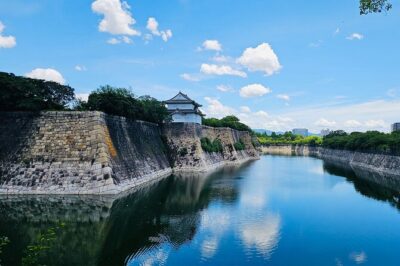
Osaka Castle Walking Tour and Castle Tower Admission
Read our review →
Kuromon Market Food Walking Tour in Osaka (6 stops, 6 tastes)
Read our review →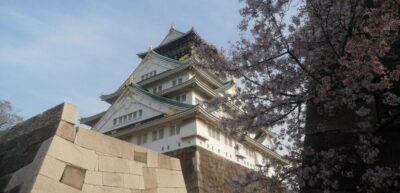
Five Must-See Highlights Walking Tour & Ramen Lunch
Read our review →Browse the lists this tour appears in