

Reviewed · OSAKA WALKING TOURS
Private Osaka Walking Tour: Highlights & Hidden Gems
Osaka is best understood street by street, and this private walk lets you choose the streets that matter to you. You might visit Shitennoji and Osaka Castle, hunt for local food in Namba, or trade famous sights for quiet alleys and small shrines. The personal planning is the main attraction.
I like the flexible pace, especially for families, first-time visitors, or anyone making a short stop in Osaka. I also like the chance to use guides such as Maria, Max, Taku, Ryan, or Kai, whose warm storytelling and practical help with trains, food, and shopping have made these walks especially useful. The main drawback is that the price does not include meals, entry fees, or transport, and a four-hour outing can mean 15,000 to 20,000 steps.
Key points at a glance
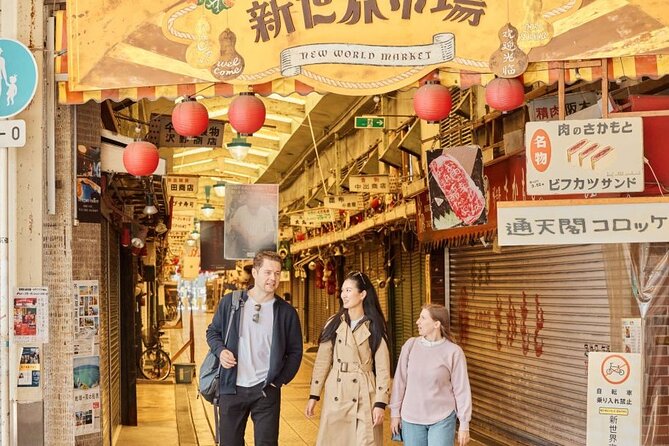
- Your interests shape the route: Share your must-sees and priorities in the online questionnaire after booking.
- A private guide keeps the day flexible: Only your group takes part, with start times and duration arranged around your plans.
- Osaka’s old and new sides meet: Expect temples, shrines, shopping arcades, youth districts, canals, and food streets.
- Central hotel pickup may be available: If your hotel is centrally located, pickup can be included.
- Public transport can save your legs: Trains, buses, or taxis may be used at your request, but you pay those costs separately.
- The tour works best at four hours or longer: Two hours gives you a taste, while a longer booking allows several districts.
What this private Osaka walk is really selling
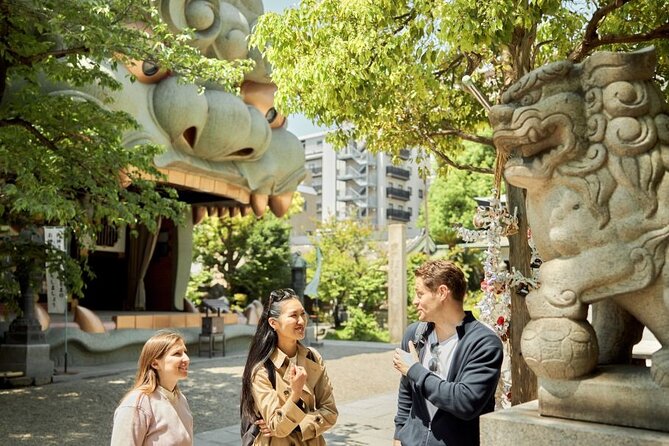
This is not a fixed group tour with a guide marching you from one photo stop to the next. It is a private City Unscripted experience built around your interests, with a short questionnaire sent after booking so your host can plan the day.
That matters in Osaka. The city spreads across several distinct areas, and the best plan depends on what you want. A food lover might spend time around Namba and Dotonbori. A history-minded visitor could focus on Shitennoji, Osaka Castle, and older neighborhoods. A family may prefer shopping, character goods, open spaces, and short rides between districts.
You can also ask for a gentler pace. One guest with sore knees used public transport and taxis as needed, while another four-hour group logged more than 20,000 steps. That is a useful warning: Osaka is easy to explore on foot, but the distances add up quickly.
The price is $81.07 per person. I see good value here for a small private group that wants help making decisions, finding local food, and using Osaka’s transport system. It is less attractive if you only want a standard sightseeing circuit or prefer to explore alone. Food, drinks, admission fees, and transport are extra, so your final cost depends on the plan.
More walking tours in Osaka:
- Osaka Local Foodie Walking Tour in Dotonbori and Shinsekai
★ 5.0 · 985 reviews - Osaka: Deep Backstreets Walking Tour with Dinner Option
★ 4.9 · 902 reviews - Ultimate Osaka Walking Tour: Castle, Dotonbori & Hidden Gems
★ 5.0 · 862 reviews
Starting in Namba and finding your Osaka rhythm
The listed meeting point is DAISO, 2-chome-2-17 Nanbanaka, in Naniwa Ward. Central hotel pickup is offered when your hotel qualifies, but confirm the details before you assume the host will come to your door.
Namba is a sensible place to begin. It puts you near Hozenji, Dotonbori, the shopping arcades, Amerikamura, and the famous lion shrine. It also gives your guide room to adjust the opening part of the day around your interests.
Your host may ask about food preferences, shopping, history, family needs, or places already on your list. That conversation is important. The more specific you are, the more useful the route can become. Say if you want vegetarian food, small local eateries, department stores, temples, photography, or fewer stairs.
The tour ends back at the meeting point. If you ask to finish elsewhere, clarify that with your host, since the stated arrangement brings you back to the start.
Shitennoji and the older side of Osaka
Shitennoji is one of the strongest history stops on the route. Founded in 593, it is recognized as Japan’s oldest official temple and is tied to the arrival of Buddhism in the country.
This is a good counterpoint to Osaka’s neon signs and shopping streets. The temple grounds offer a quieter pause, and your host can explain why the site matters rather than leaving you with a quick photograph and a name.
Allow enough time to listen. A private guide is most useful here because you can ask questions about Buddhism, temple design, and Osaka’s past without holding up a group. Entry fees are not included, so ask your host what you will pay if you want to enter any paid area.
If your schedule is short, Shitennoji may compete with Osaka Castle or the Namba sights. I would choose it for a first visit if you want some cultural context, not just shopping and signs.
The lion shrine, Hozenji, and Namba after dark
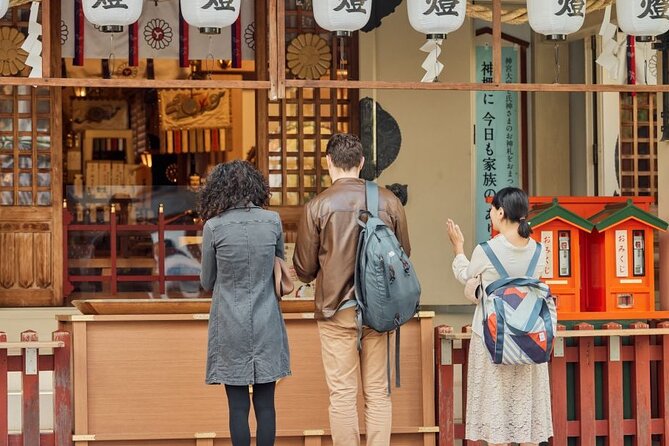
Namba gives the tour its strongest mix of food, local custom, and entertainment. At Namba Yasaka Shrine, a huge lion-shaped structure appears to swallow bad spirits and bring good luck. It is an unusual sight, and it takes only a short visit, making it easy to add to a busy route.
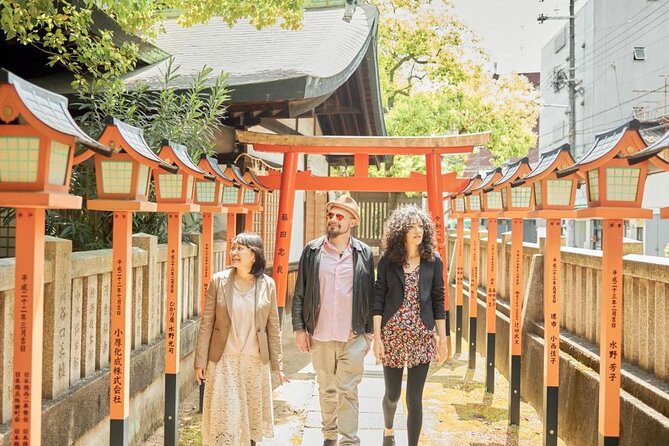
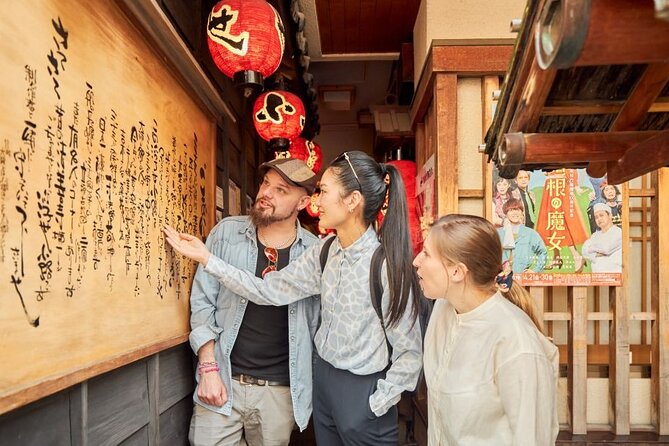
Hozenji offers a more intimate stop. The stone-paved alley around it is lined with more than 60 traditional Japanese restaurants and bars. At the temple, visitors pour water over the moss-covered statue of Fudomyoo to ask for blessings.
This is the sort of place that benefits from a guide’s explanation. Without context, you might see a wet statue in a narrow lane and move on. With a host, you can understand the custom, the atmosphere, and the way this small temple fits into the surrounding restaurant district.
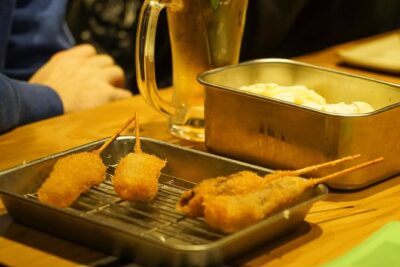
Food is not included, but the arrangement gives you a chance to ask for recommendations. Hosts have helped visitors find curry, kushikatsu, hot chocolate, and other local specialties. If you want to eat during the tour, tell your guide in advance and set aside both time and money.
Same city, a completely different kind of afternoon:
- Osaka Go Karting Tour with Funny Costume
★ 5.0 · 2,658 reviews - Osaka Castle: Museum and Tower Entry Ticket
★ 4.5 · 2,380 reviews - Osaka: Shinsekai Food Tour with 13-15 Dishes at 5 Eateries
★ 4.8 · 2,204 reviews - Osaka Food Tour: 13 Dishes at 5 Local Eateries
★ 5.0 · 2,149 reviews
Dotonbori’s neon and the practical side of Osaka food
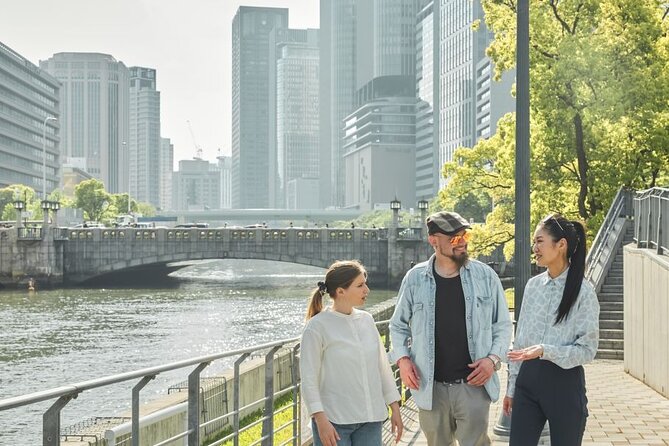
Dotonbori is Osaka’s famous canal district, packed with bright signs, arcades, restaurants, and photo stops. It is lively and crowded, especially around the main canal, but your host can help you look beyond the obvious signs and find side streets or smaller places nearby.
This is a good place to discuss Osaka food. The tour does not include tastings, so do not book it expecting a food crawl. Instead, think of the guide as a local filter who can point you toward dishes and places that fit your tastes.
The route may include nearby Namba streets, markets, or a fish market. One four-hour outing combined Osaka Castle with a fish market, while another included kushikatsu and restaurant advice. These examples show how much the day can change from one group to the next.
Dotonbori is also a practical finish if you want to continue eating after the walk. Just remember that the formal tour ends back at the meeting point unless another arrangement is made.
Shopping arcades, department stores, and White Umeda
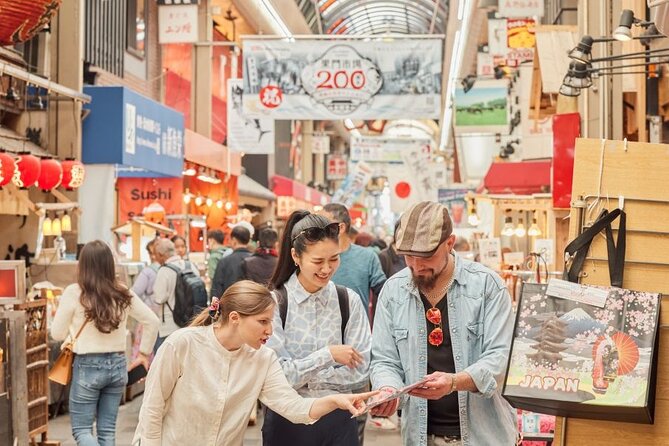
Osaka is a strong shopping city, and the tour can include more than souvenir stalls. You may visit a major department store with several floors of clothing, food, household goods, and unexpected finds. In Umeda, you can also explore White Umeda, a large underground shopping area with a maze-like feel.
The shopping arcade listed for the tour offers cafés, restaurants, character goods, and everyday stores. This can be useful if you want gifts but do not know where to start. A guide can also help you compare the polished department-store experience with the more street-level arcade atmosphere.
Shopping is best handled with a clear request. Tell your host if you want Japanese snacks, anime goods, fashion, kitchen items, or simple souvenirs. Do not expect every listed stop in one short booking. Osaka’s districts are spread out, and time spent browsing quickly replaces time spent walking elsewhere.
Amerikamura and the city’s younger side
Amerikamura, often shortened to Amemura, centers on American-inspired youth culture. Its streets include indie music, thrift shops, galleries, and fashion aimed at a younger crowd.
This stop helps break the old Osaka and food-focused pattern. It shows a city shaped by imported styles but interpreted through local businesses and creative scenes. If you enjoy clothing, music, street photography, or contemporary culture, ask your guide to give this district real time.
It may not suit every group. Someone focused on temples or traditional food may prefer Shitennoji, Hozenji, or a market. That is one reason the private format works well: you can use the district as a quick look or make it a main part of the route.
Nakanoshima for a quieter late-morning walk
Nakanoshima is described as an island oasis in the city, with art museums, early twentieth-century buildings, and a pleasant park. It offers a slower change of pace after Namba’s signs, shops, and crowds.
I would choose Nakanoshima for a late-morning start or for a group that wants architecture and open space. It is also a useful option if you need a break from dense shopping streets. The stop is not a substitute for Osaka’s major sights, but it gives the day texture and breathing room.
The tradeoff is time. Nakanoshima sits apart from the main Namba cluster, so adding it may require public transport or a longer walk. Transport costs are not included, and your host can discuss the practical details after booking.
Osaka Castle and the value of a flexible route
Osaka Castle appears often in the plans described for this experience, even though the supplied stop list focuses on a wider mix of districts. It is a natural choice for a first visit, especially if you want a major landmark alongside temples, shops, and food streets.
The castle and surrounding park also change the physical rhythm of the day. You get open space after narrow lanes, and a landmark that helps you place Osaka in its wider story. Some groups spend time there, while others use the tour for districts they would struggle to organize alone.
Entry fees are extra. Ask your host how much time to allow and if the route involves indoor access or only the grounds. If you want both Osaka Castle and several Namba districts in four hours, expect a brisk walk or some train travel.
What the guides add to the experience
The guide is the heart of this tour, and the names attached to past outings give you a sense of the range of hosts. Maria has been praised for excellent English, strong planning, and a warm way of adjusting the day. Max has helped visitors use the subway, find restaurants, take family photos, and choose local dishes.
Taku has taken groups to food spots and lesser-known corners, while Ryan is known for long familiarity with Osaka and engaging stories about Japanese culture. Kai has helped visitors buy ICOCA transport cards, which can be valuable if you are still learning how Osaka’s trains work.
Loys has handled family needs while mixing old and new Osaka. Mayura, Karim, Khalid, and other hosts bring their own personalities and local knowledge. You cannot assume you will receive a particular guide unless the provider confirms it, but you can request a name if one is available.
The strongest benefit is not a script. It is the ability to ask for help in the moment. Need a restaurant after the tour? Want to understand the subway? Need fewer stairs? Want to change the route? A good host can make those small decisions easier.
Time, walking, and who should book
The available duration ranges from two to eight hours. Two hours works as an introduction to one compact area. Four hours is a practical middle ground, giving you time for several districts without turning the whole day into a major physical test.
Six to eight hours makes sense if you want to combine Osaka Castle, Shitennoji, Namba, Dotonbori, shopping, and a food stop. Even then, do not expect every listed place in one day at a relaxed pace.
Wear comfortable shoes and bring water. The walking can be substantial, with some outings reaching 15,000 to 20,000 steps. If that sounds like too much, ask to use public transport or local taxis between areas. Those fares are separate, but they can protect your knees and leave you with more energy for the actual sights.
Most people can take part, and service animals are allowed. The activity is near public transport, but it is still a walking experience rather than a private vehicle tour.
Should you book this Osaka tour?
Book it if you want a private day shaped around your own interests, especially if Osaka is your first stop in Japan or you have only a short visit. It is also a good choice for families, food-focused groups, shoppers, and anyone who wants help with trains, restaurant choices, or a flexible walking pace.
Skip it if you want a fixed, low-cost group tour with all admissions and food included. The $81.07 price is fair for a private guide, but your day can become more expensive once you add transport, meals, and paid attractions.
For the best value, choose four hours or more, complete the questionnaire carefully, name your top three priorities, and ask about walking distance before you start. Free cancellation is available up to 24 hours before the local start time, which gives you some useful planning flexibility.
FAQ
How much does the private Osaka walking tour cost?
The listed price is $81.07 per person.
How long does the tour last?
The tour can last from approximately two to eight hours, depending on the option you book.
Is the tour private?
Yes. Only your group participates in the activity.
Can I customize the itinerary?
Yes. After booking, you receive an online questionnaire about your interests, preferences, and must-see places. Your host uses this information to plan the route.
Is hotel pickup available?
Pickup is offered from centrally located hotels. Confirm the pickup details after booking.
Where does the tour start?
The listed start point is DAISO, 2-chome-2-17 Nanbanaka, Naniwa Ward, Osaka, 556-0011, Japan.
Where does the tour end?
The stated arrangement ends back at the meeting point.
Are food and drinks included?
No. Food and drinks are not included in the tour price.
Is transportation included?
No. The experience is a walking tour. Public transport or local taxis may be used if requested, but those costs are separate.
Can I cancel for a full refund?
Yes. You can cancel at least 24 hours before the experience start time for a full refund. Cancellations or changes made less than 24 hours ahead are not accepted for a refund.
Just added in Osaka
- Urban Canvas: Osaka Street Art Bike Tour★ 5.0 · 10 reviews
- Anime Cosplay Photshoot-50 Digital Photos Provided★ 5.0 · 8 reviews
- TeamLab Botanical Garden Osaka Ticket★ 3.5 · 6 reviews
- Cherry Blossom Buddha and Mt.Yoshino with Strawberry Picking Tour★ 4.5 · 5 reviews
- Umeda Sky Building & Kuchu Teien Observatory Ticket in Osaka★ 4.5 · 3 reviews
- Immerse in Judo Martial Arts Class from Japan★ 5.0 · 4 reviews
- Traditional Home cooking Experience in Osaka, Japan★ 5.0 · 14 reviews
- Traditional Calligraphy Experience near Dotonbori★ 5.0 · 3 reviews
Osaka Walking Tours, compared.
Osaka Local Foodie Walking Tour in Dotonbori and Shinsekai
Read our review →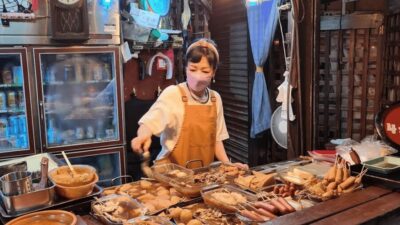
Deep Backstreets Walking Tour with Dinner Option
Read our review →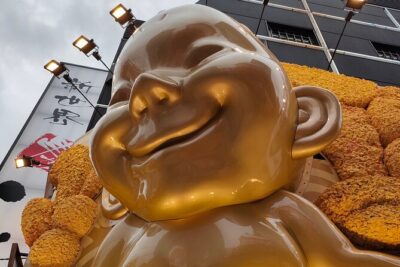
Ultimate Osaka Walking Tour: Castle, Dotonbori & Hidden Gems
Read our review →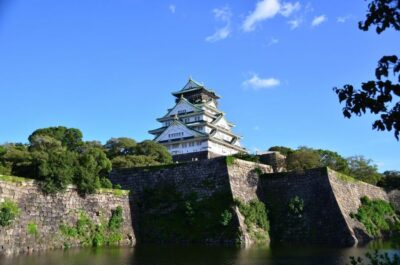
Main Sights and Hidden Spots Guided Walking Tour
Read our review →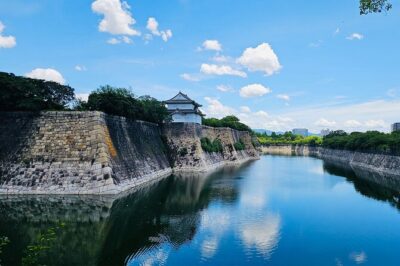
Osaka Castle Walking Tour and Castle Tower Admission
Read our review →
Kuromon Market Food Walking Tour in Osaka (6 stops, 6 tastes)
Read our review →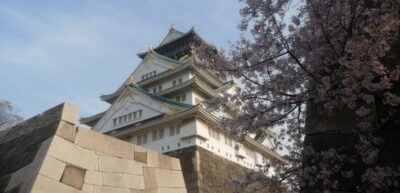
Five Must-See Highlights Walking Tour & Ramen Lunch
Read our review →
Browse the lists this tour appears in