
Reviewed · NAMBA DISTRICT TOURS
1.5〜2 Hours Traditional Kintsugi Work Shop in Namba Osaka
Kintsugi turns a cracked or cut piece of pottery into something worth displaying, and this Namba workshop lets you handle the most satisfying part yourself: applying lacquer and dusting the repaired line with 23K gold. Jo, also called Josuke or Zenkei, teaches in a small traditional Kura building filled with Japanese art and antiques.
I like the maximum group size of five, which gives the lesson a calm, personal feel, and I like that the experience includes more than a quick craft session. You learn about lacquer and Japanese culture, make your own plate, and may finish with matcha preparation and mochi. The main consideration is that your plate is not ready to take home immediately. It is sent after curing, with international postage costing 5,000 yen.
Key points to know before booking
- Small class, personal instruction: The workshop accepts no more than five people, and solo bookings may sometimes have the room to themselves.
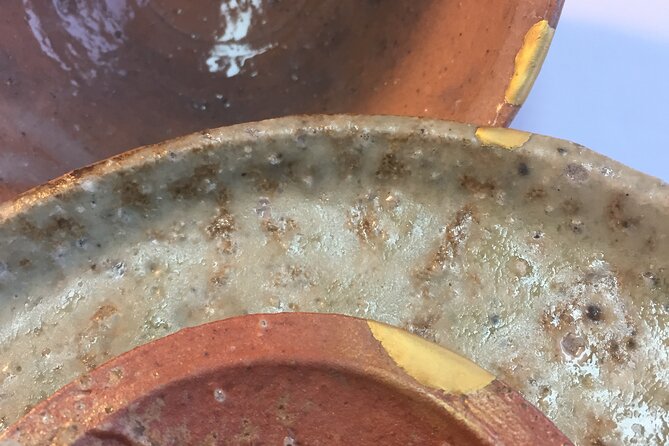
- Hands-on 23K gold work: You decorate a kintsugi plate and apply gold powder rather than only watching a demonstration.
- Traditional Kura setting: The class takes place in a wooden Japanese building that also serves as a gallery for art and antiques.
- A gentle cultural add-on: Matcha making, tea, and mochi may be included at the end of the session.
- Your plate arrives later: Expect delivery in 5 to 7 days. Domestic delivery in Japan is free, while international shipping costs 5,000 yen.
- Allow time to find the entrance: The address is near public transportation, but the building can take a few extra minutes to locate.
What this Namba kintsugi class is really about
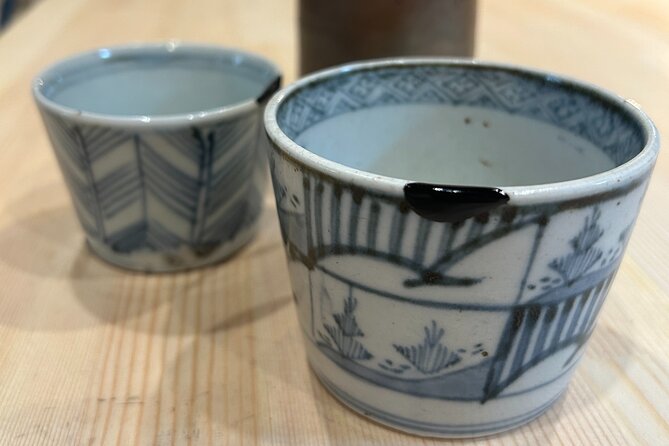
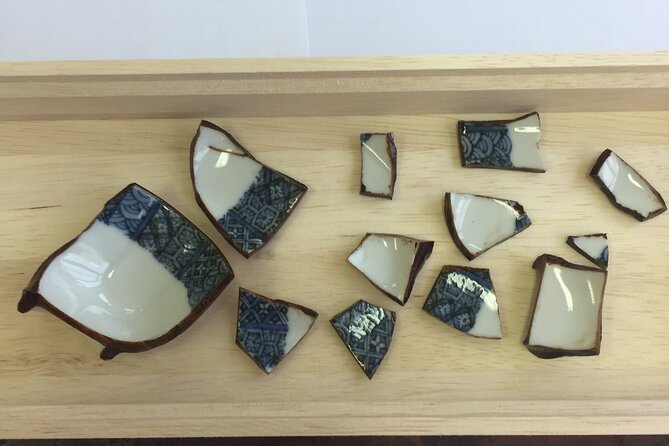
Kintsugi is often described as the Japanese art of repairing broken pottery with lacquer and gold. That is true, but it misses the physical pleasure of the craft. You are not simply painting a gold line on a ready-made souvenir. You learn how lacquer is used, see examples of Japanese work, and take part in the finishing stages of a piece.
The class lasts about 1.5 to 2 hours, with the formal introduction described as lasting roughly 1 to 1.5 hours. That gives you enough time for explanation, questions, practical work, and the closing tea activity without turning the session into a full-day commitment.
I would think of this as a cultural workshop rather than a standard pottery lesson. You do not appear to shape and fire a vessel from raw clay. Instead, you learn about the repair method and decorate a prepared plate using lacquer and 23K gold powder. That distinction matters if you arrive expecting to break and rebuild a bowl from scratch.
More Namba tours:
- Osaka: Namba Pub Bar Crawl with a Local Guide
★ 4.9 · 424 reviews - 3Hour Osaka Pub Crawl Bar Hopping Nightlife Guided Tour in Namba
★ 5.0 · 122 reviews - Osaka: Bar-Hopping Night Tour in Namba
★ 4.7 · 117 reviews
Entering the wooden Kura in Motomachi
The meeting point is in Naniwa Ward, at 2-chōme 6-30 Motomachi, Osaka 556-0016. It is near public transportation, but you should not rush from the station straight to the start time. The entrance can be a little tricky to identify, so save a few minutes for finding the correct building.
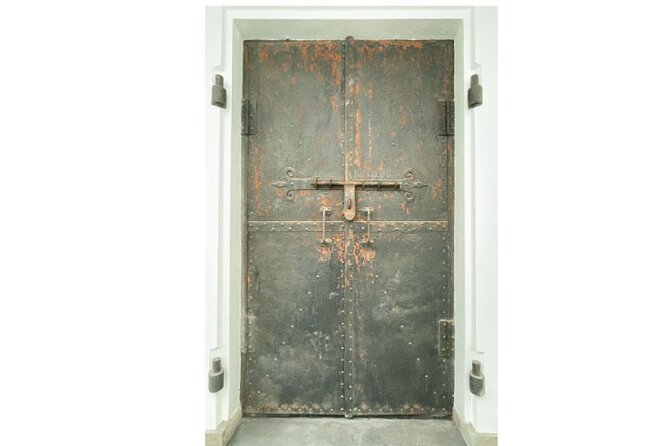
The workshop is held in a traditional Japanese structure called a Kura. The wooden architecture is part of the experience, not just a backdrop for the class. Inside, you can see Japanese art, antiques, and examples of the instructor’s work. If you enjoy old buildings and small collections more than polished tourist attractions, this setting adds real value.
The space is described as cozy and rustic. That can be a strength because it makes the lesson feel connected to craft rather than packaged entertainment. It also means you should expect a compact working studio, not a large classroom with lots of room to spread out.
After the workshop, you can spend a little time looking around the gallery. Namba Yasaka Jinja is nearby as well, so the class pairs neatly with a visit to the shrine if you have extra time. That nearby stop is not part of the formal activity, but it is a useful addition to your plans.
Learning the story behind lacquer and gold
Jo leads the session and has been identified as Jo, Josuke, and Zenkei in the experience details. He explains the background of traditional kintsugi and Japanese lacquer, then walks you through the stages involved in creating the finished design.
The teaching style is conversational. You can ask questions, discuss the meaning of the craft, and see examples of finished and in-progress pieces. The lesson also covers practical matters, such as the time needed for lacquer to dry and cure. That information helps explain why your plate cannot simply be wrapped up and handed over at the end.
The class also connects kintsugi with a wider Japanese view of repair and care. I like this part because the activity becomes more than a gold decorating exercise. You get a reason for the technique, a sense of how traditional materials are used, and a better understanding of why the repaired line is made visible instead of hidden.
The presentation is supported by slides and open discussion. English instruction is available, and the teaching is aimed at people who may know little about kintsugi before arriving. You do not need prior pottery or craft experience.
Applying lacquer and 23K gold powder
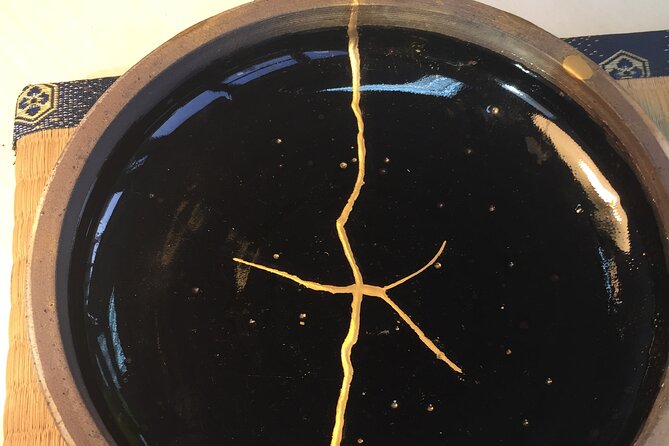
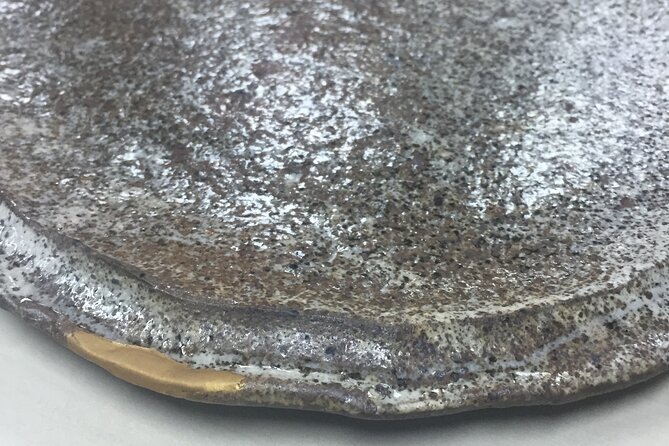
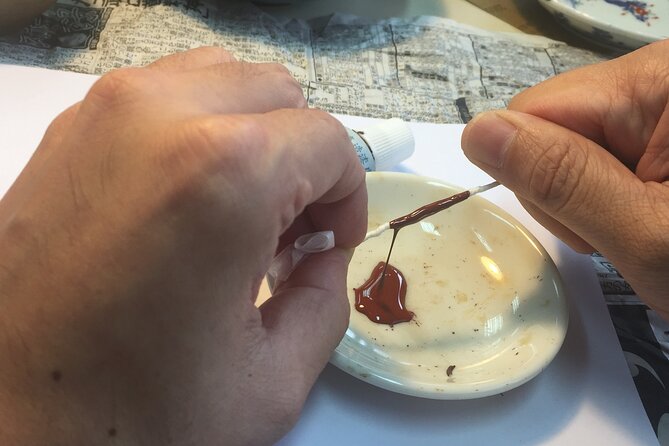
The practical work focuses on a kintsugi plate. You learn how to decorate the piece, apply the lacquer, and place gold powder over the lacquered area. The gold is 23K, which gives the finished line a clear connection to the traditional method rather than a merely decorative gold paint effect.
One useful detail is that the design may use a chopping-style repair rather than the crack lines commonly shown in photographs. If you expect to recreate the dramatic web of a shattered bowl, adjust your expectations. The finished plate can still be attractive and personal, but the form of the repair depends on the prepared item and the class process.
The instructor provides the materials, so you do not need to bring tools or supplies. Jo guides each stage and can help when you are unsure how much lacquer or gold to use. In a class of up to five, that help should be much easier to receive than in a large group workshop.
You should also treat the materials with care. The activity is not recommended for anyone with a lacquer allergy. If that applies to you, this is not the right craft session to test casually.
A few more Osaka half-days worth pricing up
- Osaka: 2-Hour Nightlife District Walking & Local Food Culture
★ 5.0 · 199 reviews - Osaka: 2-Hour Local Street Food Tour – Dotonbori & Namba
★ 4.6 · 95 reviews - Osaka 2-Hour Genuine Kendo / Samurai Experience In Japan
★ 5.0 · 65 reviews
Matcha, mochi, and an unhurried finish
Several people who attended the workshop found the matcha portion an especially pleasant surprise. The tea activity may include learning how to prepare matcha in a traditional way, with attention to creating the froth on top. Mochi and other refreshments may also be served.
This closing activity works well because it slows the pace after the hands-on craft. You have time to talk with Jo, ask final questions, and appreciate the setting before returning to the busy streets of Namba. I would not book the workshop solely for the tea, since the main activity is kintsugi, but it adds cultural value at no extra stage of the itinerary.
The informal conversation can also be useful if you want local suggestions. Jo has sometimes helped participants with nearby recommendations and even accompanied them to a shrine. That sort of extra contact is not a guaranteed part of the schedule, so consider it a possible bonus rather than a promised service.
Why the small group size matters
The class limit is five people. That number is important here because kintsugi involves careful, small movements and close attention to the instructor’s directions. You can watch the demonstration, work on your own plate, and ask for help without competing with a crowd.
A small group also changes the tone. The activity is quiet and focused, with time for discussion rather than a quick series of instructions followed by a rushed photo. If you book alone, you might even find that you are the only participant in that session.
Families can take part, and the activity has worked well for children when an adult is present to help them follow the process. Still, the work involves lacquer and fine gold powder, so you should judge your child’s patience and ability to work carefully.
Morning and afternoon classes are available. That flexibility makes it easier to fit the workshop around Osaka sightseeing, shopping, or a meal in Namba. Check the available start time when booking, since the exact schedule is not specified here.
The finished plate and delivery details
Your plate is not ready for immediate collection. The lacquer needs time to dry and cure, and the finished item is expected to arrive in 5 to 7 days. Domestic delivery to a Japanese address is free, while international delivery costs 5,000 yen.
This is the biggest practical issue to consider when comparing the price with other craft activities. At $125.53 per person, the fee covers instruction, materials, the small-group setting, the traditional studio, and the finished plate. It does not include international shipping, so add 5,000 yen if you want the item sent to your home outside Japan.
If you are staying in Japan long enough, domestic delivery is the better value because shipping within Japan is free. If you leave Osaka before the plate is ready, make sure the provider has the right delivery details. The experience information does not promise hotel drop-off, although Jo has offered that kind of help in individual cases.
Your plate is also more meaningful than a standard shop purchase. You made the gold decoration yourself, and the piece carries a direct memory of the class. The tradeoff is that you must wait and pay extra for overseas delivery.
Is $125.53 a fair price?
The cost is high for a 90-minute craft activity, so I would not describe this as a bargain workshop. You are paying for more than raw materials, though. The fee includes a very small class, personal instruction, a traditional setting, the plate, gold powder, access to the gallery, and a cultural explanation of lacquer and kintsugi.
The price makes the most sense if you want an activity with a finished object and a strong connection to Japan. It is less convincing if you only want a quick souvenir or a simple craft that you can complete in half an hour.
The international postage changes the calculation. At 5,000 yen, shipping can add a noticeable amount to the total. I would include that cost before booking, especially if you are comparing this class with activities where you carry the finished item away on the same day.
For a couple, family, or small group looking for a slower cultural experience, the price can be justified. You get direct help, a personal conversation with the instructor, and an item that is tied to your time in Osaka. For a budget-conscious visitor, a museum or shrine visit will cost less, but it will not give you the same hands-on result.
Getting there and planning your visit
The activity begins and ends at the meeting point in Motomachi. Since the building entrance may take a little effort to find, arrive early rather than trying to locate it at the exact start time. Keep the address saved on your phone, and use the mobile ticket supplied with your booking.
The workshop is close to Namba sights, making it easy to combine with other plans. Namba Yasaka Jinja is an obvious nearby stop, and the gallery itself gives you something to look at before or after the class.
The cancellation policy is straightforward. You can receive a full refund if you cancel at least 24 hours before the local start time. Changes or cancellations inside that 24-hour window are not accepted for a refund. The activity also requires good weather, and if poor weather causes a cancellation, you are offered another date or a full refund.
Service animals are allowed, and most people can participate. The main health warning is lacquer allergy. Ask about any concern before booking rather than waiting until you arrive.
Who will enjoy this workshop most
I would recommend this class to you if you want a hands-on activity that explains the culture behind the object. It suits couples, families with older children, solo visitors, and anyone who enjoys craft, antiques, traditional architecture, or quiet conversation.
It is also a good choice if you have already seen the major Osaka sights and want a slower change of pace. The class gives you a chance to sit down, concentrate on something small, and leave with a piece that will arrive later at your Japanese address or home.
You may want to skip it if you need an instant souvenir, dislike careful handwork, or are looking for a full pottery-making class. You should also avoid it if you have a lacquer allergy. The 5,000-yen overseas shipping charge is another reason to compare the total cost before committing.
Should you book the Namba kintsugi workshop?
I would book this if the idea of learning a traditional repair craft appeals to you more than ticking off another sightseeing stop. The strongest parts are the five-person limit, Jo’s patient instruction, the old Kura setting, and the chance to apply real 23K gold yourself.
Plan for the delayed delivery and add international postage to your budget. If you can accept those details, this is a thoughtful Osaka experience rather than a throwaway souvenir activity. You leave with a better understanding of kintsugi, a decorated plate on its way to you, and a calm hour or two in a traditional setting.
FAQ
How long does the kintsugi workshop last?
The activity lasts approximately 1.5 to 2 hours. The introduction workshop itself is described as taking about 1 to 1.5 hours, followed by the practical work and possible tea activities.
How many people can join the class?
The maximum group size is five people. This allows for personal instruction and time to ask questions while you work.
What will I make during the workshop?
You will decorate a kintsugi plate using lacquer and 23K gold powder. The activity focuses on the finishing stages rather than making a new pottery vessel from raw clay.
Can I take my plate home the same day?
No. The plate needs time to dry and cure. It is expected to be delivered in 5 to 7 days.
How much does delivery cost?
Delivery to an address in Japan is free. International delivery costs 5,000 yen.
Is the workshop suitable for someone with a lacquer allergy?
No. The activity is not recommended for people with a lacquer allergy.
Just added in Osaka
- Urban Canvas: Osaka Street Art Bike Tour★ 5.0 · 10 reviews
- Anime Cosplay Photshoot-50 Digital Photos Provided★ 5.0 · 8 reviews
- TeamLab Botanical Garden Osaka Ticket★ 3.5 · 6 reviews
- Umeda Sky Building & Kuchu Teien Observatory Ticket in Osaka★ 4.5 · 3 reviews
- Immerse in Judo Martial Arts Class from Japan★ 5.0 · 4 reviews
- Cherry Blossom Buddha and Mt.Yoshino with Strawberry Picking Tour★ 4.5 · 5 reviews
- Traditional Home cooking Experience in Osaka, Japan★ 5.0 · 14 reviews
- Traditional Calligraphy Experience near Dotonbori★ 5.0 · 3 reviews
Namba District Tours, compared.
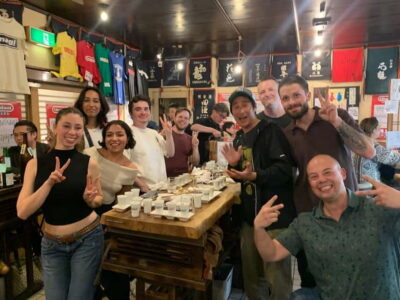

3Hour Osaka Pub Crawl Bar Hopping Nightlife Guided Tour in Namba
Read our review →
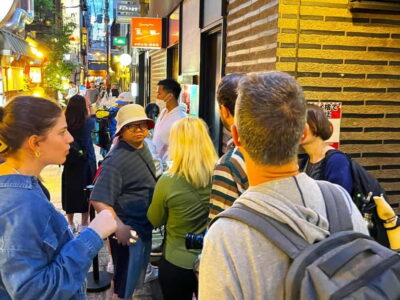
2-Hour Local Street Food Tour – Dotonbori & Namba
Read our review →

Osaka Bar Hopping | Explore Hidden Bars & Izakayas in Namba
Read our review →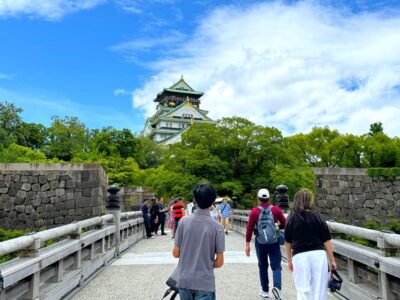
1-Day Guided Tour – Sky Bldg, Castle, Namba Shinsekai
Read our review →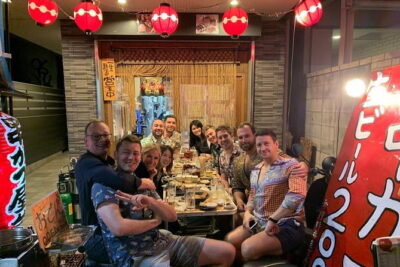
Browse the lists this tour appears in